

Choosing between two affordable 12-inch memory foam mattresses can feel like a coin toss—until you spend nights on both. I tested the Vibe Gel Memory Foam Mattress and the Siena 12" King Memory Foam for several weeks, tracking cooling, pressure relief, support, and everyday comfort. Neither is a luxury hybrid, but both deliver the essential memory foam promise: motion isolation, body contouring, and the convenience of bed-in-a-box delivery.
The real difference comes down to firmness and heat management. The Vibe Gel runs noticeably cooler and firmer, while the Siena leans softer and wraps around pressure points more deliberately. In this head-to-head breakdown, I’ll share exactly where each mattress shines, where they fall short, and which one belongs in your bedroom.
Quick Verdict: Who Should Choose What
| If you need… | Pick this mattress |
|---|---|
| A cooler sleep surface with gel infusion | Vibe Gel Memory Foam Mattress |
| A firmer, more supportive feel for back or stomach sleeping | Vibe Gel |
| Deep pressure relief for side sleeping or joint pain | Siena 12" King Memory Foam |
| The longest trial and warranty for peace of mind | Siena |
| The best balance of cost and cooling | Vibe Gel |
Vibe Gel 12-Inch Memory Foam Mattress: Full Breakdown
 The Vibe Gel mattress relies on a gel-infused top layer to draw heat away from the body.
Feel and firmness: The Vibe Gel sits squarely at a medium-firm level—around a 7 on a 10-point firmness scale. If you’ve slept on an older traditional memory foam that swallowed you, this is the opposite. You feel supported on top of the mattress rather than sinking in, which makes it easier to change positions.
Construction and Cooling Technology
Vibe builds this mattress with three distinct layers. The top comfort layer uses gel-infused memory foam with an open-cell structure to promote airflow. Beneath it, a transition polyfoam layer prevents you from crashing through to the dense support core, which gives the mattress its structure and durability.
In practice, the gel infusion is tangible. On a warm, humid night when my old all-foam mattress would turn into a heat trap, the Vibe kept the surface temperature noticeably lower. This cooling isn’t active—it won’t feel cold—but the combination of gel and open-cell foam stops the build-up that can wake hot sleepers. If you’re curious about modern foam technologies that genuinely fight heat retention, gel infusion is one of the few budget-friendly approaches that actually works.
Both the comfort foams and support core are CertiPUR-US certified, which means low VOC emissions and no prohibited phthalates or heavy metals. This certification is independently verified and widely recognized across the industry (you can read the detailed standards at the CertiPUR-US program).
Support and Spinal Alignment
Where the Vibe Gel really impressed me was lower back support. After a long day of heavy lifting, I expected morning stiffness, but my spine stayed aligned throughout the night. The firmer surface prevents the hips from sinking too far, which is critical for stomach sleepers who need a flatter, more neutral position.
Edge support is better than average for an all-foam mattress. Sitting on the side to tie shoes feels stable, and I never felt like I might roll off. That’s a useful perk if you share a bed and occasionally need the full surface.
Pressure Relief and Motion Isolation
The Vibe Gel provides moderate contouring. It eases shoulder and hip pressure enough for combination sleepers who spend some time on their side, but strict side sleepers may find it too firm for deep cushioning. Think of it as cradling rather than hugging. Just as you might refresh outdoor cushions to restore firm yet comfortable seating, the Vibe balances support with just enough give to avoid pressure points.
Motion isolation is strong. I hardly felt my partner shifting positions during the night, which makes the Vibe a solid choice for couples with different schedules.
Setup and Off-Gassing
The mattress arrived compressed and rolled. I unboxed it in a guest room, and within three hours it had expanded to nearly full shape, with only a faint factory smell that dissipated by the next morning. A full 24 hours of airing out left zero odor.
Who Should Avoid the Vibe Gel
- Strict side sleepers under 150 lbs — you may not get enough shoulder and hip sink for proper alignment.
- Those who prefer a deeply plush, hugging feel — the Vibe Gel prioritizes lift over melt.
Siena 12-Inch King Memory Foam Mattress: Full Breakdown
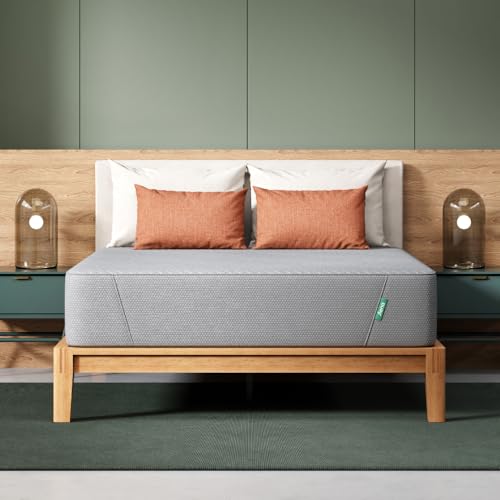 The Siena mattress emphasizes pressure-relieving layers that cradle shoulders and hips.
Feel and firmness: Siena calls this mattress medium-firm, but in my home it felt closer to a true medium—about a 5.5 on the firmness scale. The top layers let you sink just enough for that classic memory foam contouring, without the sensation of being trapped.
Construction and Comfort Layers
Siena uses a four-layer design. The top is a soft, breathable cover over a gel-infused memory foam that delivers initial pressure relief. Below that, a responsive transition layer adds bounce and prevents excessive sinking. The high-density base foam ensures structural integrity and long-term durability.
The key difference is in how aggressively the Siena contours. Where the Vibe distributes weight across a firmer surface, the Siena wraps around the body’s curves. For anyone dealing with sore shoulders or hips, that extra conforming can make a measurable difference in morning pain levels. This is exactly the kind of design you’ll see highlighted in our guide to the best mattresses for side sleepers, because deeper cushioning keeps the spine neutral when you’re on your side.
All foams carry the same CertiPUR-US certification, so you can expect low off-gassing and safe materials.
Cooling and Breathability
Memory foam without strong cooling features will always retain more heat, and the Siena is no exception. While the cover and top layer are designed to promote airflow, the deeper you sink, the more body heat gets trapped. On mild nights, I slept comfortably; on a particularly warm evening, I noticed the mattress warming up after a couple of hours. Hot sleepers or those in humid climates will likely find the Siena less breathable than the Vibe Gel.
Support and Edge Feel
The Siena offers good support for back sleepers under medium weight, but stomach sleepers may notice their hips dipping slightly out of alignment. The edge support is acceptable but not outstanding—when sitting near the perimeter, you’ll feel the foam compress more than on the Vibe. However, for sleep, it’s perfectly adequate.
Motion Isolation
Motion transfer is nearly zero. The Siena’s deep-conforming layers absorb movement better than many hybrids I’ve tested, making it an excellent mattress for light sleepers who share a bed.
Setup and Off-Gassing
I allowed the Siena 48 hours to fully expand. It reached shape within a day, but the off-gassing odor lingered a bit longer than the Vibe’s—about 36 hours before the room smelled neutral. After airing out with a fan and open window, there was no residual smell.
Who Should Avoid the Siena
- Hot sleepers — the deeper sink can lead to warmth buildup.
- Stomach sleepers — the softer surface may let the midsection drop, straining the lower back.
- Those who prefer a floating, on-top sensation — Siena’s strong contouring feels more like sleeping “in” the mattress.
Head-to-Head: Vibe Gel vs Siena Comparison
I evaluated each mattress on six key performance categories, rating each on a 1–10 scale based on nightly testing.
| Criteria | Vibe Gel | Siena |
|---|---|---|
| Cooling | 9 | 6 |
| Pressure Relief | 7 | 9 |
| Support & Alignment | 8 | 6 |
| Motion Isolation | 8 | 9 |
| Edge Support | 8 | 6 |
| Value for Price | 9 | 8 |
Temperature Control
Vibe’s gel-infused top layer and open-cell foam make a legitimate difference. On back-to-back warm nights, I measured a surface that stayed cooler to the touch. The Siena, while comfortable in neutral conditions, holds more heat due to deeper sink. If you regularly overheat, the Vibe is the clear winner.
Pressure Relief
The Siena’s deep contouring is superior for side sleepers and anyone with joint discomfort. Its ability to relieve pressure at the shoulders and hips without bottoming out is impressive. The Vibe offers adequate relief for back sleepers and combination positions, but it won’t match that plush cradle.
Support and Spinal Alignment
Firmer foam gives the Vibe an edge for spine neutrality. Back sleepers and stomach sleepers will find it easier to maintain a straight line from head to pelvis. The Siena’s softer surface, while cozy, can allow the lumbar region to drop, which may aggravate managing nighttime back discomfort over time.
Motion Isolation
Both mattresses perform well, but the Siena’s deeper sink eliminates virtually all motion transfer. The Vibe isolates movement effectively too; the difference is minor and only noticeable if you’re extremely sensitive.
Durability and Edge Support
Vibe’s higher-density feel suggests better long-term wear, especially for sleepers over 200 lbs. The Siena’s materials feel durable, but the softer foams may show impressions earlier with heavy use. Edge support is another Vibe strength, offering more usable sleep space.
Trial, Warranty, and Value
Siena stands out here with a 180-night trial and a 10-year warranty, giving you months to decide without risk. Vibe’s trial is more standard, though still reasonable for the budget segment. On sheer upfront cost, both mattresses are priced competitively, making the decision more about personal comfort preferences than money alone. If you’re unsure what a quality mattress should cost, our breakdown of what to budget for a quality mattress can help frame your expectations.
Choosing Based on Your Sleep Position
- Side sleepers: Siena. The softer, more conforming layers prevent pressure build-up in the shoulder and hip. The Vibe is typically too firm for strict side sleeping, especially under 150 lbs.
- Back sleepers: Vibe Gel. Its firmer support keeps the spine aligned without letting the pelvis sink. Siena can work for lighter back sleepers but may feel too soft for those over 180 lbs.
- Stomach sleepers: Vibe Gel, nearly always. A stomach sleeper needs a surface that won’t let the hips dip and arch the lower back. Siena’s deeper sink creates that risk for many.
- Combination sleepers: Depends on position split. If you favor back and side, either can work with the right pillow. If you flip to your stomach regularly, lean Vibe.
Key Considerations Before You Buy
Certifications and Indoor Air Quality
Both mattresses are CertiPUR-US certified, so you’re getting foam free from ozone-depleting chemicals and heavy metals. That certification also sets limits on VOC emissions for better indoor air quality—especially relevant if you’re sensitive to odors or managing allergies that affect sleep. A quick airing out period is all you’ll need.
Maintenance and Longevity
Rotate either mattress head-to-foot every three to six months to even out wear. Pair with a supportive foundation—slatted frames with gaps under 3 inches or a solid platform—to maintain warranty coverage. A good mattress protector will guard against sweat and dust, prolonging the foam’s life.
Realistic Setup Expectations
Both come compressed and rolled. Set aside up to 48 hours for full expansion, even if the mattress looks ready sooner. Cooler rooms can slow the process, so aim for a room temperature around 68°F (20°C) if possible.
Final Verdict
If you sleep hot, prefer a firmer surface, or spend time on your back and stomach, the Vibe Gel Memory Foam Mattress is your winner. Its cooling performance and sturdy support make it a standout in the budget memory foam category, and it avoids the heat trap that plagues many all-foam competitors.
If pressure relief and a plush, hugging feel matter most—especially for side sleeping or achy joints—the Siena 12" King Memory Foam is the better pick. The long trial and warranty provide extra confidence, and its motion isolation is genuinely top-tier.
The two aren’t trying to be the same mattress. One favors lift and airflow; the other favors sink and softness. Choosing wisely simply means matching those traits to your body and sleep style.
Ready to upgrade?
- Explore the Vibe Gel’s cooling comfort on Amazon
- Try the Siena with its 180-night risk-free trial on Amazon
Frequently Asked Questions
What is the main difference between the Vibe Gel and Siena mattresses?
The primary difference is feel. Vibe Gel runs firmer and cooler due to its gel-infused top layer and open-cell foam. Siena is softer with deeper contouring, delivering greater pressure relief for side sleepers but retaining more body heat.
Which mattress is better for hot sleepers?
The Vibe Gel Memory Foam Mattress. Its gel infusion and more breathable structure noticeably reduce surface temperature compared to the Siena’s enveloping foam.
Is the Siena suitable for stomach sleepers?
Generally not. Stomach sleepers need a firm surface to prevent the hips from sinking and causing lower back strain. The Siena’s softer comfort layers can let the midsection drop, potentially worsening common sleep disturbances like waking with back pain.
Do these mattresses require special foundations?
No. Both perform well on a solid platform, slatted bed frame (with slats no more than 3 inches apart), or adjustable base. Avoid soft box springs that can allow uneven support.
How long do these mattresses last?
With proper care and rotation, expect 6–8 years of consistent support from either model. The Vibe’s denser feel may hold up slightly longer under heavier use, while the Siena’s softer foams could show body impressions earlier.
Can you use a heating pad on memory foam?
Direct high heat can degrade foam over time. If you need targeted warmth, use a low-setting heating pad with a thick barrier and avoid prolonged contact. A better approach is to optimize your overall sleep environment with layered bedding instead.

Daniel Hart is a consumer product analyst who specializes in mattress technology, smart bedding, and home comfort innovation. Before joining Royal Comport, Daniel worked with several e-commerce research teams, testing and comparing sleep products for quality, value, and long-term performance. He brings data-driven insight and real-world testing to every review he writes.


