

Side sleeping is the most common sleep position, yet it's also the one that demands the most from your mattress. When you sleep on your side, your hips and shoulders bear a disproportionate amount of your body weight. Without the right surface, these pressure points can restrict circulation, cause numbness, and lead to chronic neck or back pain.
The challenge is that the "best" mattress isn't a one-size-fits-all answer. It depends on your body weight, your preferred feel, and your budget. This guide breaks down everything you need to know—from the science of pressure relief to the specific materials and firmness levels that work best—so you can make a confident choice and finally wake up without stiffness.
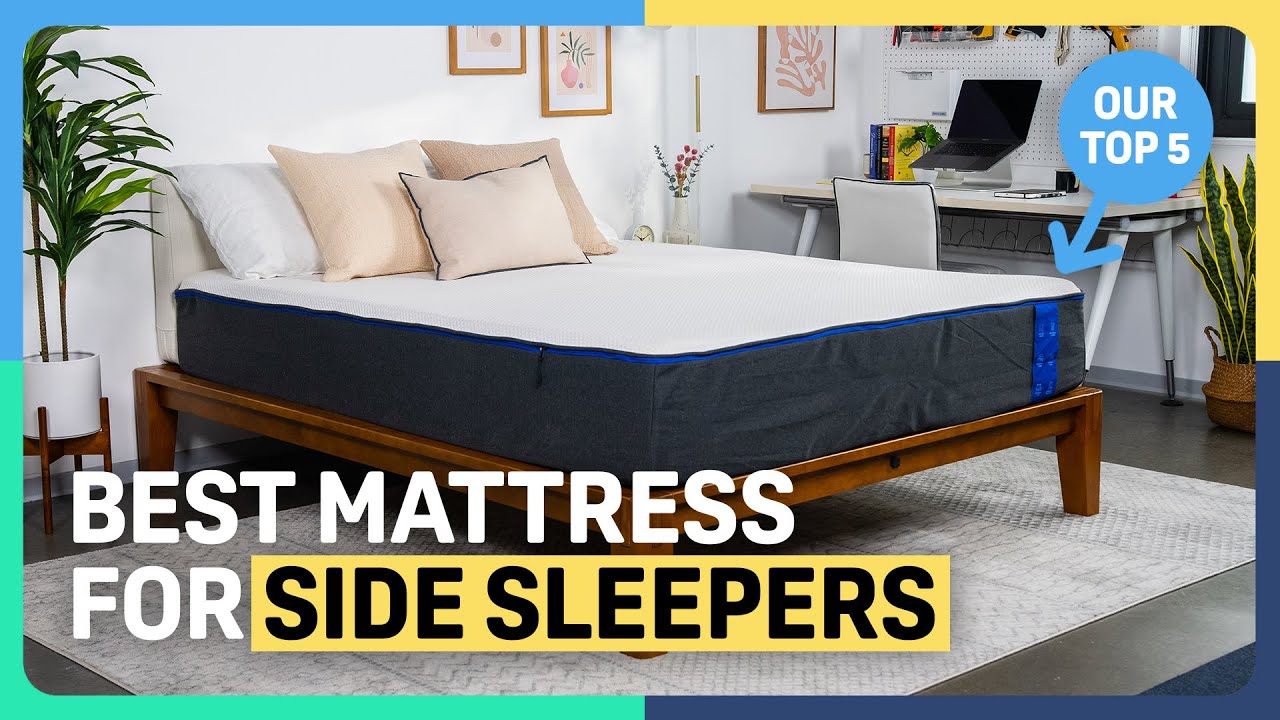
The right mattress keeps your spine in a neutral line while cushioning your hips and shoulders.
Why Your Sleep Position Dictates Your Mattress Choice
Your spine has a natural S-curve. When you sleep on your back, a mattress can support that curve relatively easily. But on your side, the distance between your neck, waist, and hips creates a wider gap that needs to be filled. If a mattress is too firm, it won't conform to that gap, leaving your spine to bend unnaturally. If it's too soft, your hips and shoulders will sink too deeply, also throwing your spine out of alignment.
The goal is a neutral spine—a straight line from your ears through your shoulders and hips. Achieving this requires a mattress that offers both conforming pressure relief and responsive support. This is why the best side-sleeper mattresses are typically medium-firm, a classification that balances cushioning with structural integrity.
Key Features Side Sleepers Must Look For
Not all mattresses are created equal, and side sleepers have specific needs. When you start shopping, keep these three features at the top of your checklist.
Pressure Relief at the Shoulders and Hips
This is the most critical factor. A mattress for side sleepers must have a top layer that contours to the body's curves, distributing weight away from the bony prominences of your shoulders and hips. Materials like memory foam and latex excel here because they mold to your shape, reducing the concentrated pressure that causes you to toss and turn.
Spinal Alignment and Support
Pressure relief is useless without support. The mattress's deeper layers must prevent your hips from sinking too far, which would misalign your spine. A good rule of thumb: your mattress should be soft enough to cushion your shoulders but firm enough to keep your hips from dropping below the line of your spine.
Motion Isolation
If you share a bed, this is non-negotiable. A mattress that absorbs movement—rather than transferring it—means you won't be disturbed when your partner shifts or gets up. Memory foam and hybrids with foam comfort layers are the best at this.
Types of Mattresses: Which Material Wins for Side Sleepers?
The material composition of a mattress dictates its feel, support, and temperature regulation. Here’s how the main types stack up for side sleepers.
Memory Foam: The Pressure-Relief Champion
Memory foam is the classic choice for side sleepers. Its viscoelastic properties allow it to respond to body heat and weight, creating a "cradling" effect that provides exceptional pressure relief.
- Pros: Unbeatable contouring, excellent motion isolation, quiet.
- Cons: Can sleep hot (though modern gels and infusions help), and some people find the "sinking" feeling difficult to get out of.
For a deeper dive into how this material works, you can explore our guide on mattress technologies.
Latex: The Responsive and Cooler Alternative
Latex offers a similar contouring effect to memory foam but with more bounce and responsiveness. It's naturally more breathable, making it a great option for hot sleepers.
- Pros: Durable, naturally hypoallergenic, cooler sleep, more "push-back" than foam.
- Cons: Heavier and often more expensive than memory foam.
Hybrid: The Best of Both Worlds
Hybrid mattresses combine foam or latex comfort layers with a core of innerspring coils. This design offers the pressure relief of foam with the support and airflow of springs.
- Pros: Balanced feel, better edge support, more responsive, good for combination sleepers.
- Cons: Can be heavier and pricier than all-foam options.
Innerspring: Proceed with Caution
Traditional innerspring mattresses often lack the conforming comfort layers needed for proper pressure relief. While they are supportive and cool, they can create painful pressure points at the hips and shoulders. If you prefer an innerspring feel, look for one with a thick, plush pillow top.
Firmness Levels: Finding Your "Just Right"
Firmness is subjective, but for side sleepers, the general rule is to avoid extremes. Here’s a breakdown of how firmness interacts with body weight.
Soft (1-3 on the Firmness Scale)
- Best for: Side sleepers under 130 lbs. Lighter individuals don't exert enough pressure to sink deeply into a medium or firm mattress, so a softer surface provides the necessary contouring.
- The Trade-off: While plush, a soft mattress may lack the support needed for heavier individuals, leading to misalignment.
Medium (4-6 on the Firmness Scale)
- Best for: The majority of side sleepers, particularly those between 130 and 230 lbs. This range offers the ideal balance of cushioning for the shoulders and support for the hips.
- The Sweet Spot: It's versatile enough to accommodate some back and stomach sleeping as well.
Firm (7-10 on the Firmness Scale)
- Best for: Side sleepers over 230 lbs. Heavier individuals need more support to prevent excessive sinkage and maintain spinal alignment. A firm mattress provides a stable base, though it may still require a thick comfort layer for pressure relief.
- The Trade-off: For most side sleepers, a firm mattress will feel like sleeping on a board, creating significant pressure point pain.
Top Mattress Brands for Side Sleepers in 2026
The market is crowded, but a few brands consistently stand out for their side-sleeper-friendly designs. Here’s a look at some of the most reliable options.
Helix: Customization is Key
Helix is famous for its sleep quiz that matches you to a specific model. Their lineup includes options like the Helix Midnight, which is specifically designed for side sleepers with a medium feel and zoned support. For a detailed breakdown of their models, see our Helix mattress model comparison.
Saatva: Luxury and Innerspring Innovation
Saatva offers luxury innerspring and hybrid mattresses with a focus on spinal alignment. Their models often feature a plush pillow top over a supportive coil system, providing a unique balance that many side sleepers love. You can read more in our Saatva mattress review.
Nectar: Value-Packed Memory Foam
Nectar is a top choice for budget-conscious shoppers. Their memory foam mattresses offer deep pressure relief and a generous 365-night trial, making them a low-risk option for first-time buyers.
Tempur-Pedic: The Original Memory Foam
Tempur-Pedic remains the gold standard for pressure relief. Their proprietary TEMPUR material provides a unique, slow-sinking feel that is incredibly effective at cushioning the hips and shoulders, though it comes at a premium price.
Casper: The Versatile All-Rounder
Casper's designs are known for their "Zoned Support" technology, which provides firmer support under the hips and softer cushioning under the shoulders. This makes their mattresses a solid, versatile choice. For more details, check out our Casper mattress reviews.
Budget Considerations: How Much Should You Spend?
A good mattress is an investment in your health, but it doesn't have to break the bank. Here’s what you can expect at different price points.
Affordable Options (Under $500)
You can find quality memory foam mattresses in this range that offer adequate pressure relief. They may lack the advanced cooling technologies or premium materials of pricier models, but they are a great starting point for guest rooms or those on a tight budget.
Mid-Range Choices ($500 – $1,200)
This is the sweet spot for most shoppers. In this range, you'll find high-quality hybrids and memory foam mattresses with better durability, improved cooling, and more thoughtful zoned support designs.
Premium Choices ($1,200+)
Premium mattresses justify their price with superior materials like Talalay latex, advanced coil systems, organic cotton covers, and more sophisticated zoning. They also typically come with longer warranties and better customer service. To understand what drives these costs, read our guide on how much a good mattress costs.
The Importance of Sleep Trials and Warranties
Buying a mattress online is a leap of faith. That's why sleep trials and warranties are your safety net.
What to Look for in a Trial Period
A standard trial is 100 nights, but many brands now offer 120 or even 365 nights. This is crucial because it can take your body several weeks to adjust to a new sleep surface. A longer trial gives you time to experience the mattress in different seasons and truly decide if it's right for you. Always check the return policy details—some companies require a "break-in" period before you can initiate a return.
Understanding Warranty Coverage
A good warranty protects you against manufacturing defects like sagging, broken coils, or material degradation. Look for a warranty of at least 10 years, with 15-20 years being common. Be sure to read the fine print to understand what's covered and what's not (e.g., normal wear and tear, physical damage from misuse).
Maintenance Tips to Extend Your Mattress's Life
Once you've found the perfect mattress, proper care is essential to ensure it lasts.
Cleaning and Care
Always use a mattress protector to shield against spills, dust mites, and allergens. Vacuum your mattress every few months with an upholstery attachment to remove dust and dead skin cells. If you do spill something, blot it immediately with a clean, dry cloth—don't rub, as this can push the liquid deeper into the foam.
Rotating for Even Wear
While most modern mattresses are not flippable, you should still rotate them 180 degrees every three to six months. This helps prevent sagging and ensures even wear across the surface, prolonging the life of your investment.
Frequently Asked Questions
What is the best mattress firmness for a side sleeper?
Most side sleepers do best with a medium to medium-firm mattress (a 4-6 on the firmness scale). This provides enough cushioning for the shoulders and hips while offering the support needed to keep the spine aligned.
Are memory foam mattresses good for side sleepers?
Yes, memory foam is an excellent choice for side sleepers. It conforms closely to the body, providing superior pressure relief at the shoulders and hips. Just be mindful of heat retention and look for gel-infused or open-cell options if you sleep hot.
Do side sleepers need a special pillow?
Yes. A standard pillow is often too thin for side sleepers, causing the neck to bend downward. You need a thicker, firmer pillow to fill the gap between your ear and shoulder, keeping your neck aligned with your spine.
How do I know if my mattress is too firm?
If you wake up with numbness or tingling in your arms or hands, or with pain in your shoulders and hips, your mattress is likely too firm. You should feel cradled, not like you're lying on top of a hard surface.
Conclusion
Finding the best mattress for side sleepers is a personal journey, but the principles are universal. Prioritize pressure relief at the shoulders and hips, aim for a medium-firm feel that supports spinal alignment, and choose a material that suits your temperature and comfort preferences. Don't underestimate the value of a generous sleep trial and a solid warranty—they are your insurance policy.
Investing in the right mattress is one of the most impactful things you can do for your health. It's not just about comfort; it's about waking up pain-free and energized. Take your time, use the resources available, and remember that a good night's sleep is the foundation of a good day. For more guidance on building healthy sleep habits, explore our tips for a good night's sleep.

Daniel Hart is a consumer product analyst who specializes in mattress technology, smart bedding, and home comfort innovation. Before joining Royal Comport, Daniel worked with several e-commerce research teams, testing and comparing sleep products for quality, value, and long-term performance. He brings data-driven insight and real-world testing to every review he writes.


