

Few decisions affect your nightly rest as much as the bedding you choose. After years of testing duvets in real homes—from drafty Victorian bedrooms to temperature-controlled apartments—I've learned that the filler inside your duvet matters more than brand names or thread counts. This guide breaks down everything you need to know: how different fillers perform, what tog ratings actually mean, and how to choose, care for, and buy a duvet that will serve you well for years. By the end, you'll know exactly what to look for—and what to avoid—when shopping for your next duvet.
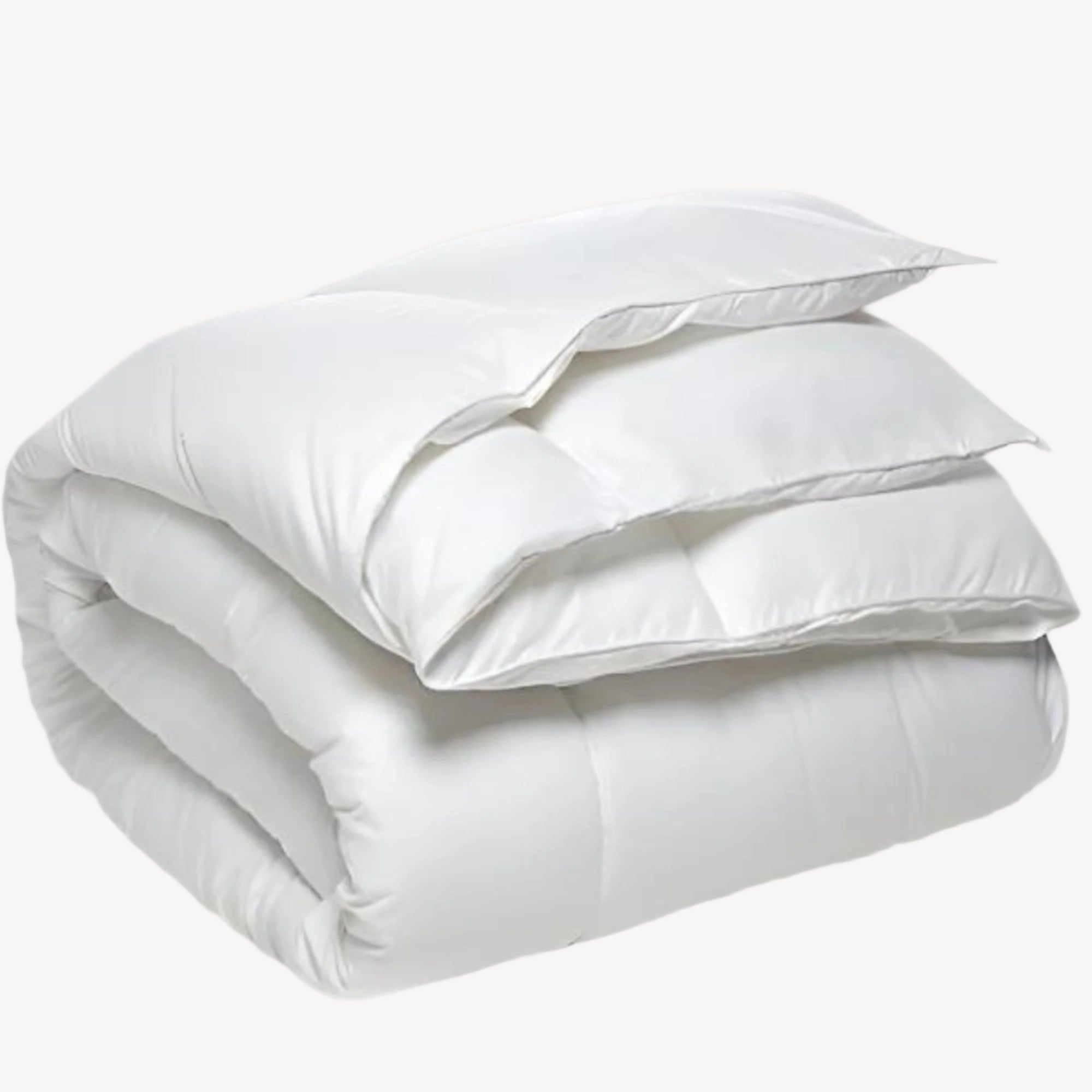
Source: thelinen.company
What Exactly Is a Duvet and Its Filler?
A duvet is a soft, flat bag filled with insulating material, designed to be used inside a removable cover. Unlike a comforter, which has a permanent cover sewn in, a duvet insert is meant to be paired with a separate duvet cover—often called a doona cover in Australia or a continental quilt cover in the UK. This two-piece system isn't just a stylistic choice; it's practical. You can wash the cover frequently and keep the duvet itself protected from daily wear and tear.
The filler is the heart of the duvet. It determines warmth, weight, breathability, and how the duvet feels against your body. Fillers also influence how much maintenance your bedding requires and how long it will last. Understanding the construction of the duvet shell is equally important:
- Baffle-box construction: Fabric walls inside the duvet create individual compartments, allowing fill to loft fully without shifting. This is the premium choice for down and feather duvets because it maximises insulation and prevents cold spots.
- Sewn-through construction: The top and bottom layers are stitched directly together, creating a quilted pattern. This is common in synthetic duvets—it's cheaper to make but can create thin spots where stitching occurs.
- Channel construction: Continuous vertical channels run the length of the duvet, allowing fill to move freely. Some people like to shake fill toward the edges for extra warmth; others find it annoying when fill pools in one area.
This is changed p text because the original was thin. The duvet cover is another consideration—a tightly woven cotton cover with a high thread count will feel crisper and will keep down from poking through, while a looser weave may be more breathable but less durable.
Common Types of Fillers: A Complete Comparison
Different fillers have distinct strengths and trade-offs. Here's how the most common options stack up in real-world use:
Down
Pros: Down is the gold standard for warmth-to-weight ratio. It offers excellent loft, which traps air and keeps you warm without weighing you down. Quality down can last 15 years or more with proper care.
Cons: It's expensive, and some people are allergic to dust mites that thrive in down clusters. Lower-quality down can also lose loft quickly or poke through thin shells.
Best for: Cold sleepers who want lightweight warmth and are willing to invest.
Feather
Pros: Feathers are more affordable than down and provide a heavier, more substantial feel that some sleepers prefer. They offer decent support and are quite durable.
Cons: Feathers are less insulating than down and can poke through the shell over time. Quills may work their way out and feel scratchy against sensitive skin.
Best for: Those who like a substantial, weighty duvet on a budget.
Synthetic (Polyester, Microfiber, Hollowfibre)
Pros: Completely hypoallergenic, machine-washable, and budget-friendly. Modern hollowfibre fills have improved dramatically—some now mimic down's loft quite well. They dry quickly and are excellent for allergy sufferers.
Cons: Synthetics are less breathable than natural fills and can trap heat. They also compress and lose their loft faster than natural alternatives, typically needing replacement every 3–5 years.
Best for: Allergy sufferers, kids' rooms, and anyone who wants easy-care bedding.
Wool
Pros: Wool naturally regulates temperature—it keeps you warm in winter and cool in summer by wicking moisture away from your body. It's also naturally flame-resistant and dust-mite resistant.
Cons: Wool duvets are heavier than down and can feel dense. They require careful washing and are pricier than synthetics.
Best for: Hot sleepers and those who want a natural, temperature-regulating option.
Silk
Pros: Silk is incredibly lightweight yet surprisingly warm. It's naturally hypoallergenic, resistant to dust mites, and wicks moisture effectively. Silk duvets are luxurious and breathable.
Cons: Expensive, and the fill can shift or clump if not handled gently. Most silk duvets are sewn-through, which can create cool spots.
Best for: Those who want the ultimate lightweight luxury and don't mind the price.
Cotton and Bamboo Blends
Pros: Natural, breathable, and gentle on sensitive skin. These fills are excellent for warm climates or summer use and are easy to launder.
Cons: Lower warmth-to-weight ratio means they're not ideal for cold winters. They're best suited for mild climates or as a summer duvet in a layering system.
Best for: Warm sleepers, hot climates, and those with sensitive skin.
When comparing duvets, think about warmth, weight, care requirements, and allergies. These trade-offs determine what works best for you—there's no universally "best" filler, only the one that matches your needs.
Tog Ratings: What They Mean and How to Choose
Tog is the standard measure of thermal insulation for duvets. The higher the tog, the warmer the duvet—but the right choice depends on your bedroom temperature, not just the season.
| Tog Rating | Season | Best For |
|---|---|---|
| 1.5–4.5 tog | Summer | Hot sleepers, warm climates |
| 7–10.5 tog | Spring/Autumn | Mild seasons, transitional months |
| 12–15 tog | Winter | Cold bedrooms, chilly sleepers |
| 8.5–13 tog | All-season | Versatile use, often sold as duvet duos |
A common mistake is buying a single winter-weight duvet and using it year-round. In practice, a 10.5 tog is a better year-round compromise for most homes. If your bedroom temperature fluctuates significantly, consider a duvet duo—two duvets (one lighter, one heavier) that can be used separately or combined with press-studs or ties. This gives you four warmth options for the price of two.
If you tend to sleep hot, opt for a lower tog rating or a breathable filler like cotton, silk, or lightweight wool. If you run cold, a higher tog with a down or feather fill will keep you snug. Your mattress also plays a role—memory foam retains heat, so hot sleepers on foam beds may need a cooler duvet. Consider how your mattress technologies affect your overall sleep temperature.
How to Choose the Right Duvet and Filler
Choosing the perfect duvet isn't complicated, but it requires honest self-assessment. Here's a practical framework:
Consider Your Sleep Style
Are you a side sleeper, back sleeper, or stomach sleeper? Your position affects how much warmth you need. Side sleepers often prefer a lighter duvet that doesn't compress their shoulders, while those who sleep on their stomach might want something heavier to feel grounded. Think of your duvet as the final layer on top of a supportive foundation—if your mattress doesn't suit your position, no duvet can fix that. Check if you're using the best mattress for side sleepers before layering on a heavy duvet.
Account for Allergies and Sensitivities
If you have allergies, synthetic fills are the safest choice. But don't dismiss down entirely—many premium brands offer hypoallergenic down that has been thoroughly cleaned, sterilised, and treated to remove allergens. Look for certifications like the Responsible Down Standard (RDS) or Nomite, which indicate higher purity. If allergies are a recurring issue, you may also want to review how allergies and sleep interact in your bedroom environment.
Think About Maintenance
Are you willing to hand-wash a duvet or pay for professional cleaning? Down and silk require gentler care than synthetics. If you want something you can throw in the washing machine, synthetic or wool fills are more forgiving. Machine-washable options make life easier, especially if you have pets or children.
Factor in Budget and Longevity
Natural fills like down and silk cost more upfront but can last 10–15 years with proper care. Synthetics are cheaper but typically need replacing every 3–5 years as they lose loft. Over a decade, a quality down duvet may actually be more economical—but only if you're comfortable with the initial investment.
Match Weight Preference
Some people love the cloud-like lightness of down. Others prefer the substantial, cocooning weight of feather or wool. There's no wrong answer—but be honest about what feels comfortable. If you've ever felt claustrophobic under a heavy blanket, choose a lighter fill. Weight also matters if you have mobility issues; manoeuvring a heavy duvet can be challenging.
Practical Buying Guide: Size, Shell Fabric, and Construction
Before you buy, measure your bed. A duvet should overhang the sides of the mattress by at least 15–20 cm on each side for two people. Here's a quick sizing reference:
- Single: 140 × 200 cm (fits a 90 cm bed)
- Double: 200 × 200 cm (fits a 135 cm bed)
- King: 230 × 220 cm (fits a 150 cm bed)
- Super King: 260 × 220 cm (fits a 180 cm bed)
The shell fabric matters as much as the fill. A high-quality cotton shell with a thread count of 200–400 will be soft, breathable, and durable. Lower thread counts can feel rough and allow fill to escape. For down duvets, the shell should be tightly woven to keep feathers in—look for "downproof" cotton with a high thread count.
Washing and Maintaining Your Duvet
Proper care dramatically extends the life of your duvet and keeps it hygienic. Here's what works in practice:
Protecting Your Duvet
Always use a duvet cover. It shields the filler from body oils, sweat, and stains, meaning you'll only need to clean the duvet itself once or twice a year instead of monthly. Change and wash your duvet cover every one to two weeks to keep your sleep environment fresh. This simple habit protects your investment and aligns with broader sleep environment best practices.
Washing Guidelines by Filler Type
- Synthetic: Machine-washable in warm water with a gentle cycle. Use a front-loading machine if possible—top-loaders with central agitators can damage the fill.
- Down and feather: Washable in a large-capacity machine with specialised down detergent (never regular detergent, which strips natural oils). Use a cold or warm, gentle cycle. Some down duvets need professional cleaning—check the care label.
- Wool: Hand-wash or dry-clean only. Wool shrinks easily with heat.
- Silk: Dry-clean only. Silk duvets should never be machine-washed or soaked.
Drying Tips
Drying is the most overlooked step. For down and feather duvets, dry thoroughly on a low heat with clean tennis balls or dryer balls. These help break up clumps and restore loft. The duvet must be completely dry—even slightly damp down can develop mould. This can take several hours in a home dryer; many people take down duvets to a laundromat for large machines.
Storage
Store your duvet in a breathable cotton or muslin bag in a cool, dry place. Avoid vacuum-sealed storage bags for natural fills—compression damages loft and insulation over time. Air out your duvet regularly by hanging it outside or near an open window on a dry day. This refreshes the fill and removes musty odours.
Drying and Fluffing: Restoring Loft Like a Pro
A common issue with duvets is lost loft—the duvet becomes flat and thin, especially in the centre. Before replacing it, try this:
- Shake it out: Take the duvet outside and give it a vigorous shake to redistribute the fill.
- Fluff it daily: When you make your bed, give the duvet a few good shakes to redistribute fill evenly.
- Sun-dry it: On a sunny, dry day, drape the duvet over a clothesline for a few hours. Sunlight and airflow help restore loft and kill dust mites.
- Use a dryer: Place the duvet in a large-capacity dryer with tennis balls on low heat for 20–30 minutes.
These steps can breathe new life into a duvet that feels tired. If your duvet is synthetic and has gone flat after years of use, replacement is usually more economical than repair.
Comfort Concerns: Allergies, Hot Sleep, and Fill Shift
Allergies and Hypoallergenic Options
If you're prone to allergies, consider the following:
- Synthetic fills are inherently hypoallergenic and resistant to dust mites.
- Treated down (certified hypoallergenic) has been cleaned to remove dust and allergens, but some sensitive individuals may still react.
- Wool is naturally resistant to dust mites and mould.
- Silk is naturally hypoallergenic and resistant to dust mites.
If allergies disrupt your sleep, addressing the sleep disturbances caused by allergens is the first step. Start with a hypoallergenic duvet, then look at your pillows, mattress, and bedding for other allergen sources.
Hot Sleepers
Do you wake up sweating? Your duvet may be the culprit. Hot sleepers should look for:
- Breathable fillers: Cotton, bamboo, silk, or lightweight wool.
- Low tog ratings: 4.5–7 tog is usually comfortable.
- Natural shell fabrics: Cotton or linen, which wick moisture better than synthetics.
A common mistake I see is assuming a high price tag means better temperature regulation. I once recommended a premium down duvet to a friend who sleeps warm—he ended up drenched and miserable. A mid-range wool filler solved it instantly. Match the duvet to your personal thermostat, not the marketing claims.
Fill Shift
Fill shifting creates cold spots and lumpy patches. To prevent it:
- Choose baffle-box construction, which keeps fill in place.
- Use duvet cover clips or corner ties to anchor the duvet.
- Shake the duvet regularly to redistribute fill.
If your duvet is already lumpy, the fill may have shifted irreparably—especially if it's a cheaper sewn-through synthetic. Replacement is often the most practical solution.
Sustainable and Ethical Considerations
Sustainability is increasingly important when buying a duvet. Here's what to look for:
Responsible Down Certification
The Responsible Down Standard (RDS) ensures that down and feathers come from animals that were not live-plucked or force-fed. Look for this certification, along with traceability documentation from brands that are transparent about their supply chain. Similarly, the Global Traceable Down Standard (TDS) offers an even higher level of verification.
Recycled Synthetics
Recycled polyester made from plastic bottles is now widely used in synthetic duvets. These can perform as well as virgin fibres while reducing plastic waste. Check product labels for "100% recycled fill" claims.
Natural and Organic Fibres
- Organic cotton is grown without synthetic pesticides and fertilisers.
- Responsibly sourced wool comes from farms with high animal welfare standards.
- Certified silk (e.g., Global Organic Textile Standard) ensures ethical production.
Longevity Over Cheap Replacements
The most sustainable duvet is the one you keep for a decade. Investing in a quality duvet that lasts 10–15 years creates far less waste than replacing a cheap synthetic every few years. That's both an environmental and financial argument for choosing quality.
Common Questions About Duvets and Fillers
What's the difference between a duvet and a comforter?
A duvet is a plain insert designed for a cover, so you can wash the cover easily. A comforter is a finished product with a sewn-in cover—there's no separate layer. Duvets are more hygienic and versatile; comforters are simpler but harder to clean.
How often should I wash my duvet and its filler?
Wash the duvet cover every one to two weeks. The duvet itself needs washing only two to three times per year, unless you have spills or accidents. Synthetics can be washed more frequently than naturals, which risk damage from repeated laundering.
Are down duvets good for allergy sufferers?
Some down duvets are treated and certified hypoallergenic, but people with severe allergies may still react to dust mites or proteins. Synthetic and wool duvets are safer bets. If you're uncertain, start with a synthetic duvet and monitor your symptoms.
What tog rating is best for year-round use?
A mid-range 7–10.5 tog is the most versatile for most homes. If your bedroom temperature swings dramatically between seasons, consider a duvet duo or a two-duvet system (one light, one medium) that you can combine.
Can I use a duvet without a cover?
You can, but it's not recommended. Without a cover, the duvet gets dirty faster, is harder to clean, and the shell wears out more quickly. A cover also adds a layer of comfort and lets you change your bedroom decor without buying a new duvet.
How long do duvets last?
Quality down and wool duvets can last 8–15 years with proper care. Synthetics typically last 3–7 years—less if they're low quality. Proper washing, drying, and storage extend the lifespan of any duvet.
Final Thoughts: Your Path to Better Sleep
Choosing the right duvet and filler isn't complicated if you work through the basics: filler type, tog rating, size, shell fabric, and care requirements. Start with a mid-tog synthetic or down-blend if you're unsure—it's a forgiving choice that works in most bedrooms. Protect your investment with a good duvet cover, shake it out regularly, and follow the washing guidelines for your filler type.
If you're still struggling to sleep well, your duvet might not be the only culprit. Consider your pillow choices, your mattress suitability, and your overall sleep health holistically. A good sleeping environment is more than a good duvet—it's the sum of every layer between you and the ceiling.
Ready to upgrade your sleep setup? Use this guide to identify the filler and tog rating that match your needs, then compare options from reputable brands that are transparent about their materials and certifications. Share this guide with anyone who's drowning in bedding confusion—a better night's sleep is a gift worth passing on.

Daniel Hart is a consumer product analyst who specializes in mattress technology, smart bedding, and home comfort innovation. Before joining Royal Comport, Daniel worked with several e-commerce research teams, testing and comparing sleep products for quality, value, and long-term performance. He brings data-driven insight and real-world testing to every review he writes.


