

Everyone knows that feeling: you check into a hotel, sink into the crisp sheets, and for the first time in weeks, you sleep like a baby. The magic isn’t luck—it’s a deliberate system of layered bedding, precise temperature control, and mindful lighting. The good news is that you can recreate that same experience at home without a renovation budget.
As someone who has designed sleep spaces for a living, I’ve transformed dozens of ordinary bedrooms into restful sanctuaries. This guide walks you through every component of a hotel-style sleep setup—from mattress support to the smallest sensory detail—so you can wake up refreshed, every single morning. By the end, you’ll know exactly what to buy, how to layer it, and how to maintain that luxe feel for years.

Source: amazon.com
Why a Hotel-Style Sleep Setup Works
Hotels are in the business of sleep. They test everything—mattress firmness, sheet thread count, room temperature, even the angle of blackout curtains—to guarantee a good night’s rest. When you replicate that system at home, you’re not just copying a look; you’re engineering an environment that tells your brain it’s time to wind down.
The benefits are measurable. Studies consistently show that a cool, dark, and quiet bedroom shortens the time it takes to fall asleep and reduces nighttime awakenings. In my practice, clients who adopt a full hotel-style approach often report falling asleep 30 to 50 percent faster within two weeks. The improvement comes from the combination of factors working together—not one “magic” pillow or sheet.
The concept isn’t about spending a fortune. It’s about prioritizing comfort and calm in every decision, from the mattress to the bedside lamp. When each element supports the next, your bedroom becomes a dedicated sleep zone—not just a place where you happen to sleep.
Source: walmart.com
The Core Components of a Hotel-Style Bedroom
A true hotel-feel comes from five interlocking systems. Each one matters, but they’re most effective when designed as a whole.
1. Mattress Support
Your mattress is the foundation. Hotels typically use medium-firm to firm mattresses that provide even support without sagging. The right firmness depends on your sleep position and weight. Side sleepers usually need softer pressure relief at the hips and shoulders; back sleepers benefit from medium-firm; stomach sleepers often prefer firmer surfaces.
For a genuinely hotel-like feel, look for a mattress with good motion isolation and breathable materials. If your current mattress is more than seven years old or shows visible sagging, it’s time for an upgrade. A worn-out mattress undermines everything else—no sheet or pillow can fix a lack of support.
2. Layered Bedding
Hotels don’t use just one sheet. They start with a fitted sheet, add a flat sheet, then a duvet (often with a thin blanket underneath) and a folded throw at the foot. This layering serves two purposes: it lets you adjust warmth in seconds, and it creates that crisp, inviting visual we associate with luxury.
The top sheet is essential. It adds a thin barrier between you and the duvet, which keeps the duvet cleaner and gives you extra warmth when needed. A lightweight blanket between the sheet and duvet gives you even more control on cool nights without overheating.
3. Pillow Strategy
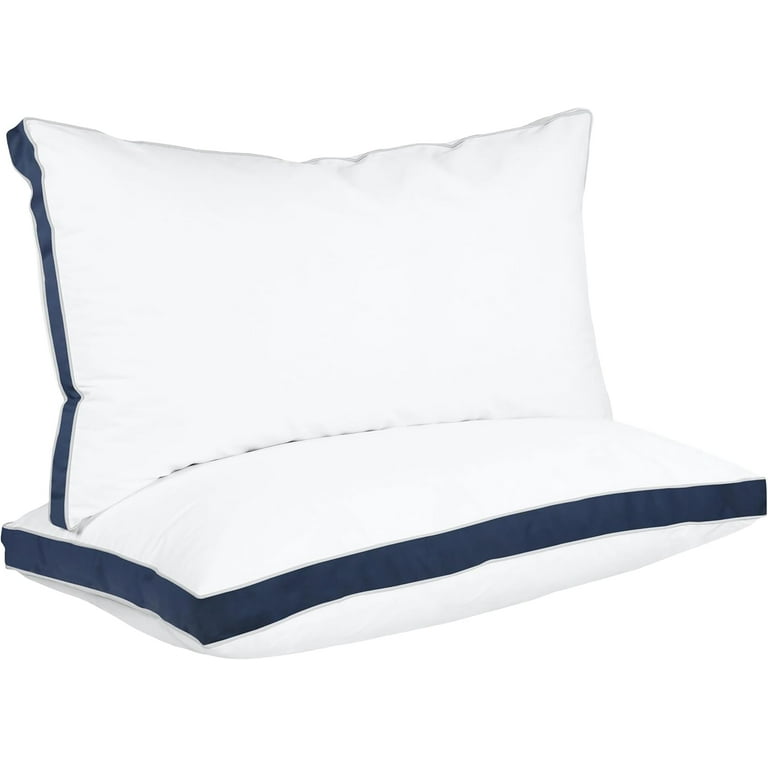
Hotels rarely provide just one pillow per person. You’ll find a soft down pillow for sleeping, a firmer support pillow for reading, and sometimes a decorative cushion for looks. At home, aim for two pillows per side—one with higher loft for back or side sleepers, and one softer option for stomach sleepers or when you want to prop yourself up.
The key is to have options. Your neck and shoulders change throughout the night, and a single pillow often fails to adapt. Keep one firm and one medium-soft pillow per sleeper, and replace them every 12 to 18 months as they lose their loft.
4. Textile Quality
Texture matters more than you think. Hotels favor long-staple cotton or linen sheets because they’re breathable and smooth. Thread count is a useful guide, but not the whole story. Look for 300 to 500 thread count in 100% cotton sateen or percale—sateen feels silky, percale feels crisp and cool. Linen is even more breathable but wrinkles easily.
Avoid microfiber unless you’re on a budget. It can feel soft initially but traps heat and often doesn’t breathe well. Invest in quality sheets—they’re the piece you touch every night.
5. Lighting and Sound
Light is a powerful cue for your circadian rhythm. Hotels use layered lighting: overhead lights for daytime, dimmable lamps for evenings, and blackout curtains to block outside light. At home, install dimmer switches on your bedside lamps or use warm, low-wattage bulbs. Avoid blue light from screens within an hour of bed.
Sound is equally important. A continuous white noise or fan masks sudden noises that can pull you out of deep sleep. The hum of a fan or a dedicated white-noise machine creates a consistent auditory backdrop that many people find deeply soothing.

Source: amazon.com
Step-by-Step: Build Your Hotel-Style Sleep Setup Today
You don’t need to redocorate overnight. Follow these steps in order, and you’ll feel a difference within days.
Step 1: Audit Your Mattress
Place your hand flat on the center of the mattress and press down. If you feel the coils or springs, or if you see visible sagging, you need a new mattress. If it’s less than seven years old and still supportive, consider adding a mattress topper for extra cushioning—but note that a topper can’t fix a structurally broken bed.
For guidance on choosing the right support, check out our comparison of various mattress support options to find what suits your body type.
Step 2: Choose the Right Sheets
Look for sheet sets labeled 100% long-staple cotton. Common weaves are percale (crisp, cool, matte) and sateen (smooth, silky, with a subtle sheen). Thread count between 300 and 500 is ideal—anything higher is often marketing hype and can be less breathable.
For hot sleepers, linen or a cotton-linen blend is worth the extra cost. For year-round comfort, consider getting two sets: a percale set for summer and a sateen set for winter.
Step 3: Layer the Bed Like a Pro
Start with a mattress protector—a waterproof, breathable layer that extends mattress life and keeps it clean. Then add your fitted sheet, followed by the flat sheet (tucked in at the foot and sides). Add a lightweight blanket if you tend to feel cold, then top with a duvet. Fold the duvet down about 8 inches from the top to reveal the flat sheet, and finish with a decorative throw at the foot.
This setup gives you three adjustment zones: remove the throw for mild nights, ditch the blanket for warm nights, or swap the duvet for a lighter one.
Step 4: Create Your Pillow Plan
Place two pillows per person. On each side, use a firmer pillow closer to the headboard and a softer one directly under your head. If you sleep on your side, the firmer pillow should be about 5-6 inches thick when compressed. Back sleepers need 4-5 inches, and stomach sleepers should choose the softest, flattest option.
If you’re unsure what works, our detailed guide to side-sleeping support explains how pillow loft interacts with mattress firmness.
Step 5: Control Temperature and Light
Set your thermostat to between 60°F and 67°F (15.5–19.4°C). This range aligns with your core body temperature drop during sleep. Use blackout curtains or a sleep mask to eliminate light. For evenings, switch to dim, warm bulbs (2700K or lower) and avoid overhead LEDs.
Step 6: Add Finishing Touches
The folded top sheet and duvet aren’t just aesthetic—they keep the bed tidy and make it easier to adjust layers. Use a bed runner or throw at the foot to add style without clutter. Finally, consider a bedside tray for water and a book, mirroring hotel practicality.

The combination of breathable fabric, a fluffy duvet, and neutral tones creates that hotel aesthetic.
Source: sobelathome.com
Materials and Products That Actually Matter
When you’re deciding where to invest, focus on items that touch your skin and support your body. Here’s a breakdown of what to prioritize and what to skip.
| Component | What to Look For | Budget Range | Why It Matters |
|---|---|---|---|
| Sheets | 100% long-staple cotton, 300–500 thread count, percale or sateen | $50–$150 | Breathability and feel |
| Duvet | Down or high-quality down alternative, weight options (light, medium, warm) | $100–$300 | Insulation without bulk |
| Mattress | Medium-firm, good motion isolation, breathable materials | $500–$1,500 | Support and alignment |
| Pillows | Two per side, different lofts; memory foam or down alternative | $30–$80 each | Neck and spine alignment |
| Mattress protector | Waterproof but breathable, quiet (no PVC) | $20–$60 | Extends mattress life |
Sheets
The biggest mistake I see is buying “hotel quality” sheets with a staggering thread count like 1200. In reality, most luxury hotels use 300–500 thread count. What matters more is the fiber quality—long-staple Egyptian, Supima, or Pima cotton feels softer and lasts longer.
If you’re a hot sleeper, consider percale. It’s a plain weave that allows airflow, making it feel cooler. Sateen, with its silkier feel, traps a bit more heat but offers that classic hotel sheen.
Duvet and Fill Power
For a truly luxe duvet, look for down with a fill power of 600–800. Higher fill power means more loft with less weight—that’s why hotel duvets feel fluffy but light. Down alternative is a good budget-friendly option, but it will compress faster. Choose a duvet with a removable cover so you can wash the cover frequently and air out the insert.
Mattress Replacement
Even the best mattress doesn’t last forever. A general rule is to replace it every 7–10 years, but signs of wear—sagging, lumps, waking up sore—mean it’s time earlier. When shopping, test the mattress in a showroom for at least 10 minutes in your usual sleep position. Don’t rely solely on online reviews; your body is the best judge.
For help deciding between brands and models, our mattress technology breakdown can steer you toward modern materials like gel-infused foam and hybrid coils.
Pillows
Pillows are the most frequently ignored element. A pillow that’s too flat or too thick causes neck strain and interrupts sleep. Replace pillows every 12–18 months, or as soon as they lose their “bounce back” when folded in half. If you wake up with a stiff neck, your pillow is likely the culprit.
The Value of a Mattress Protector
A good mattress protector is non-negotiable. It shields against dust mites, spills, and body oils, which can degrade the mattress and trigger sleep-disrupting allergies. Choose a fitted protector with a soft cotton top and a breathable membrane—avoid crinkly plastic underlayers.
Maintenance and Care: Keep the Luxury Alive
A hotel bed feels fresh every night because it’s meticulously maintained. You can do the same with a few simple habits.
Weekly Care
Wash your sheets and pillowcases at least once a week in warm water. Use a gentle detergent and avoid fabric softeners—they coat fibers and reduce breathability. Dry sheets on a low setting and remove them slightly damp to minimize wrinkles.
Monthly Care
Air out your pillows and duvet in a shaded, low-humidity spot for a few hours each month. Fluff pillows by hand or in the dryer on a no-heat cycle. This restores loft and removes the musty smell that can develop.
Seasonal Adjustments
Switch your duvet weight with the seasons. A light cotton or down-alternative duvet works in summer; a heavier down duvet or an additional fleece blanket is perfect for winter. Keeping a summer and winter set extends the life of each by reducing wash frequency.
Rotate Your Mattress
If your mattress isn’t flippable (most modern ones are not, but they can be rotated), rotate it 180 degrees every three months. This prevents body indentations from forming in the main sleeping area. This simple step can add two years to your mattress’s life.
Timing for Replacement
As a rule: pillows every 18 months, duvets every 5–7 years, sheets every 2–3 years (if you wash them weekly), and mattresses every 7–10 years. Mark these on your calendar so you never let a worn item ruin your night’s rest.

Source: amazon.com
Common Mistakes to Avoid
Even with the best intentions, many people sabotage their own hotel-style setup. Watch out for these pitfalls:
- Buying for looks over function. A beautiful duvet cover won’t help if your mattress is sagging or your pillow is flat. Prioritize support before aesthetics.
- Overcomplicating layers. Piling on four blankets makes you sweat. Stick to a flat sheet, one duvet, and a lightweight throw at most. You can always add, but it’s hard to cool down once you’re overheated.
- Ignoring temperature control. If your room is above 70°F, even the best sheets won’t keep you cool. Invest in fans, a programmable thermostat, or blackout curtains to manage heat.
- Using ill-fitting bedding. Loose sheets bunch up and create uncomfortable lumps. Always buy the correct sheet depth for your mattress—deep-pocket fitted sheets for thick mattresses—and tuck your flat sheet tightly.
- Skipping a consistent routine. The best setup in the world won’t work if your bedtime varies wildly. Your body needs a regular schedule to sync with the sleep cues you’ve built.
A common mistake I see with clients is trying to replicate a hotel’s visual perfection while ignoring the engineering behind it. The key to success is understanding that each element works in concert. When you get it right, the result is a bedroom that invites relaxation the moment you walk in.
Make Your Setup Work Year-Round
The hotel-style setup is designed for flexibility. Here’s how to adjust it through the seasons:
- Summer: Swap your heavy duvet for a light, breathable one or just use the flat sheet. Keep the room cooler with ceiling fans and cotton-linen blend sheets. Remove any extra blankets or throws.
- Winter: Add a wool or down blanket between the sheet and duvet. Use flannel or sateen sheets for extra warmth. Keep the thermostat on the lower end and rely on the layers instead of cranking the heat.
- Transitions: Keep the lighter duvet on for most of the year and add a thin blanket only when temperatures drop. That way, you rarely need to change your setup.
For more targeted advice on seasonal sleep challenges, explore our guide to creating a restful sleep environment that adapts through the year.
Frequently Asked Questions
What exactly is a hotel-style sleep setup?
A hotel-style sleep setup recreates the comfort hotels offer by focusing on four pillars: a supportive mattress, layered bedding, thoughtful pillow selection, and control of light, temperature, and sound. The goal is to create an environment that promotes deep, uninterrupted sleep.
How often should I wash my sheets in a hotel-style setup?
Wash sheets once a week to keep them fresh and hygienic. If you have sensitive skin or use heavy skincare products, washing pillowcases every 3–4 days is recommended. A weekly ritual also helps you maintain the crisp hotel feel.
Do I need an expensive mattress to achieve a hotel feel?
No. You need a mattress that fits your body and sleep position, not necessarily the priciest one. Mid-range mattresses with good reviews often outperform luxury models because they’re designed for comfort, not just marketing. Test several options and choose the one where you naturally feel supported.
What is the ideal room temperature for sleep?
Aim for 60–67°F (15.5–19.4°C). This range helps lower your core body temperature, which is a biological signal for sleep. If you tend to get cold at night, adjust with blankets rather than raising the thermostat—cooler air is better for deep sleep.
How do I manage bedding for hot and cold nights?
Use a layering system: a flat sheet, a lightweight duvet, and a removable throw. On warm nights, remove the throw and switch to a summer-weight duvet. On cold nights, add a blanket between the sheet and duvet. This gives you instant control without waking up to adjust.
How often should I replace pillows and a duvet?
Pillows lose their support after about 18 months and should be replaced every 1–2 years. Duvets can last 5–7 years if you use a cover and wash it regularly. Monitor for signs like flatness, clumping, or a musty smell—these mean it’s time for a replacement.
Can a mattress topper help my setup?
Yes, a topper can add pressure relief or firmness, but it won’t fix a sagging or broken mattress. If your mattress is structurally sound but feels too hard, a 2–3 inch memory foam or latex topper can transform the comfort level. Combined with high-quality sheets, a topper can give you a hotel feel without buying a new bed.
Final Thoughts
Building a hotel-style sleep setup is one of the highest-impact changes you can make for your health and wellbeing. Better sleep improves your mood, focus, and physical recovery—not to mention how you feel every morning. The process doesn’t require a complete remodel; start with the most critical piece, whether that’s a supportive mattress or a quality sheet set, and build from there.
Prioritize your sleep environment as much as you do your work or your social life. Your bedroom is an investment in yourself. Try the steps outlined here over the coming week, and notice how small, intentional changes—like adjusting your thermostat or swapping an old pillow—can transform your nights.
If you’re ready to dive deeper, our comprehensive resource on improving sleep quality offers additional strategies for optimizing your routines and habits. And for advice on overcoming specific sleep challenges, browse our solutions for common sleep issues to address everything from insomnia to restless legs.
Take the first step tonight. Dim the lights, turn down the thermostat, and touch your sheets—if they don’t feel luxurious, it’s time to upgrade. Your best sleep is just a few smart purchases away.

Daniel Hart is a consumer product analyst who specializes in mattress technology, smart bedding, and home comfort innovation. Before joining Royal Comport, Daniel worked with several e-commerce research teams, testing and comparing sleep products for quality, value, and long-term performance. He brings data-driven insight and real-world testing to every review he writes.


