

Fragrance is far more than a pleasant accessory. It is a chemical language that speaks directly to the brain's emotional core, influencing memory, mood, and even how others perceive you. A single whiff of a familiar scent can transport you back to a childhood kitchen, while a new fragrance can instantly shift your confidence before an important meeting.
This guide distills years of hands-on experience with perfumery and the science of olfaction into a practical roadmap. You will learn how scent works, how to decode fragrance families, and how to choose, layer, and care for a signature scent that truly feels like you. Whether you are a complete beginner or a seasoned collector, these insights will help you navigate the world of fragrance with confidence and avoid costly mistakes. You can also read our guide on how to improve basement air quality.

The journey of a fragrance begins with volatile molecules that travel from the bottle to your nose.
Source: vectairsystems.com
How Scent Works: The Journey from Bottle to Brain
The process of smelling is a remarkable feat of chemistry and biology. When you spray a fragrance, volatile molecules evaporate and travel through the air. These molecules enter your nasal cavity and bind to specialized olfactory receptors. This binding triggers an electrical signal that travels along the olfactory nerve to the brain's olfactory bulb.
What makes scent unique is its direct connection to the limbic system—the brain's emotional and memory center. Unlike other senses that pass through the thalamus (the brain's relay station), smell has a direct line to the amygdala and hippocampus. This is why a scent can trigger a vivid, emotional memory faster than a photo or a song. For more on this, see our guide on how much should you spend on a mattress.
Why the Same Scent Smells Different on Everyone
A common misconception is that a fragrance will smell identical on everyone. In practice, this is far from true. Your skin's pH level, oil production, and even your genetics play a significant role in how a fragrance develops. The same perfume can smell sweet and powdery on one person and sharp and woody on another.
A common mistake is testing a fragrance on a paper strip and judging it immediately. The alcohol in a fresh spray masks the true heart notes. Instead, spray on your skin and wait at least 30 minutes to experience the full dry-down. Your body heat and natural oils will interact with the fragrance, revealing its true character. For more on this, see our guide on rug size guide how to choose the perfect.
Fragrance molecules bind to receptors that send signals directly to the brain's emotional centers.
Source: ilovegain.com
The Science of Scent and Memory
The link between scent and memory is one of the most powerful and well-documented phenomena in neuroscience. Because the olfactory system is so closely tied to the hippocampus, a single scent can evoke a memory with startling clarity and emotional intensity. This is known as the Proust effect, named after the French writer who described a childhood memory triggered by the smell of a madeleine cake.
This connection has practical applications. You can deliberately create positive scent associations to improve your mood and focus. For example, using a specific scent while studying and then again before an exam can help trigger recall. Similarly, a calming lavender scent used in your bedtime routine can signal to your brain that it is time to wind down, which can be a valuable addition to your overall sleep environment. For more on this, see our guide on how to decorate a carpeted living room complete.
Scent's Influence on Mood and Behavior
Beyond memory, scent can subtly influence your emotional state and even your behavior. Citrus and peppermint notes are often associated with alertness and energy, making them good choices for a morning routine. Warm, woody scents like sandalwood and amber can promote feelings of comfort and relaxation. Floral scents like jasmine and rose are frequently used to reduce stress.
In social contexts, scent also plays a role in first impressions. A well-chosen fragrance can make you seem more put-together and memorable. The key is not to overwhelm but to create a subtle, pleasant aura that invites people in. For more on this, see our guide on how to position a rug in your living.

Fragrance families group scents by their dominant characteristics, from bright citrus to deep oriental.
Source: walmart.com
Scent Categories and Fragrance Families
Understanding fragrance families is the first step to finding a scent you love. Each family has a distinct character, and knowing them helps you narrow down your search and communicate your preferences to a salesperson.
Citrus — Bright, zesty notes like lemon, bergamot, orange, and grapefruit. These are fresh, uplifting, and perfect for daytime wear, especially in warmer months. They tend to be short-lived on the skin.
Floral — The largest and most popular family, featuring notes like rose, jasmine, lily, and peony. Floral scents can range from delicate and powdery to rich and heady. They are versatile and often found in feminine-leaning perfumes.
Woody — Earthy, warm notes like cedar, sandalwood, vetiver, and patchouli. These scents feel grounded, sophisticated, and often have excellent longevity. They are a great choice for evening wear and cooler seasons.
Oriental — Rich, opulent blends of spices, resins, amber, and vanilla. These are sensual, warm, and often intense. They are best suited for evening events and colder weather, as they can be overpowering in the heat.
Fresh — Clean, airy, and aquatic notes that evoke the feeling of a cool breeze or a walk by the sea. This family includes green notes, marine accords, and light citrus. They are ideal for sports, casual wear, and hot summer days.
Gourmand — Edible, comforting notes like vanilla, chocolate, caramel, and coffee. These scents are cozy, sweet, and often feel like a warm hug. They have become increasingly popular in recent years.
A Quick Guide to Fragrance Concentrations
The concentration of aromatic oils in a fragrance determines its strength and longevity. This is a crucial factor to consider when choosing a product.
| Concentration | Oil Percentage | Typical Longevity | Common Name |
|---|---|---|---|
| Parfum (Extrait) | 20-30% | 8-12+ hours | Parfum |
| Eau de Parfum (EDP) | 15-20% | 6-8 hours | EDP |
| Eau de Toilette (EDT) | 5-15% | 3-5 hours | EDT |
| Eau de Cologne (EDC) | 2-5% | 2-3 hours | Cologne |
| Eau Fraîche | 1-3% | 1-2 hours | Splash |
In practice, a higher concentration does not always mean a better scent. It means a stronger, longer-lasting one. For a first fragrance, an Eau de Toilette is often a safe starting point, as it is lighter and easier to wear. For a special occasion or a signature scent, an Eau de Parfum offers better performance.
Scent can be used to enhance everything from personal style to the atmosphere of a home.
Source: ilovegain.com
Practical Uses of Scent in Daily Life
Scent is a versatile tool that can enhance many aspects of your daily routine. It is not just about wearing perfume; it is about creating an environment and an experience.
Personal Fragrance — This is the most obvious use. Choose a scent that matches your mood, the occasion, and the season. A light, fresh citrus is perfect for the office, while a rich, woody oriental is better suited for a romantic dinner.
Home Scenting — Your home should smell as good as it looks. Use diffusers, candles, and linen sprays to create a welcoming atmosphere. A signature home scent can become part of your personal brand. Consider rotating scents by season—fresh and floral for spring, warm and spicy for autumn.
Food and Drink — Aroma is a major component of flavor. The smell of fresh herbs, roasting coffee, or baking bread can make a meal more enjoyable. Even simple acts like zesting a lemon over a dish add a layer of aromatic complexity.
Retail and Hospitality — Businesses have long understood the power of scent. A pleasant, subtle fragrance can make a store feel more inviting and encourage customers to stay longer. Hotels often use signature scents to create a memorable and luxurious experience.
Wellness and Relaxation — Aromatherapy uses essential oils to promote physical and psychological well-being. Scents like lavender and chamomile are known for their calming properties, while peppermint and eucalyptus can help with focus and clarity.
From my experience, a common mistake is buying many cheap, synthetic candles or sprays. They often smell artificial and can cause headaches. Investing in fewer, higher-quality scent items—like a good essential oil diffuser or a soy-based candle—gives a far better and more consistent result.
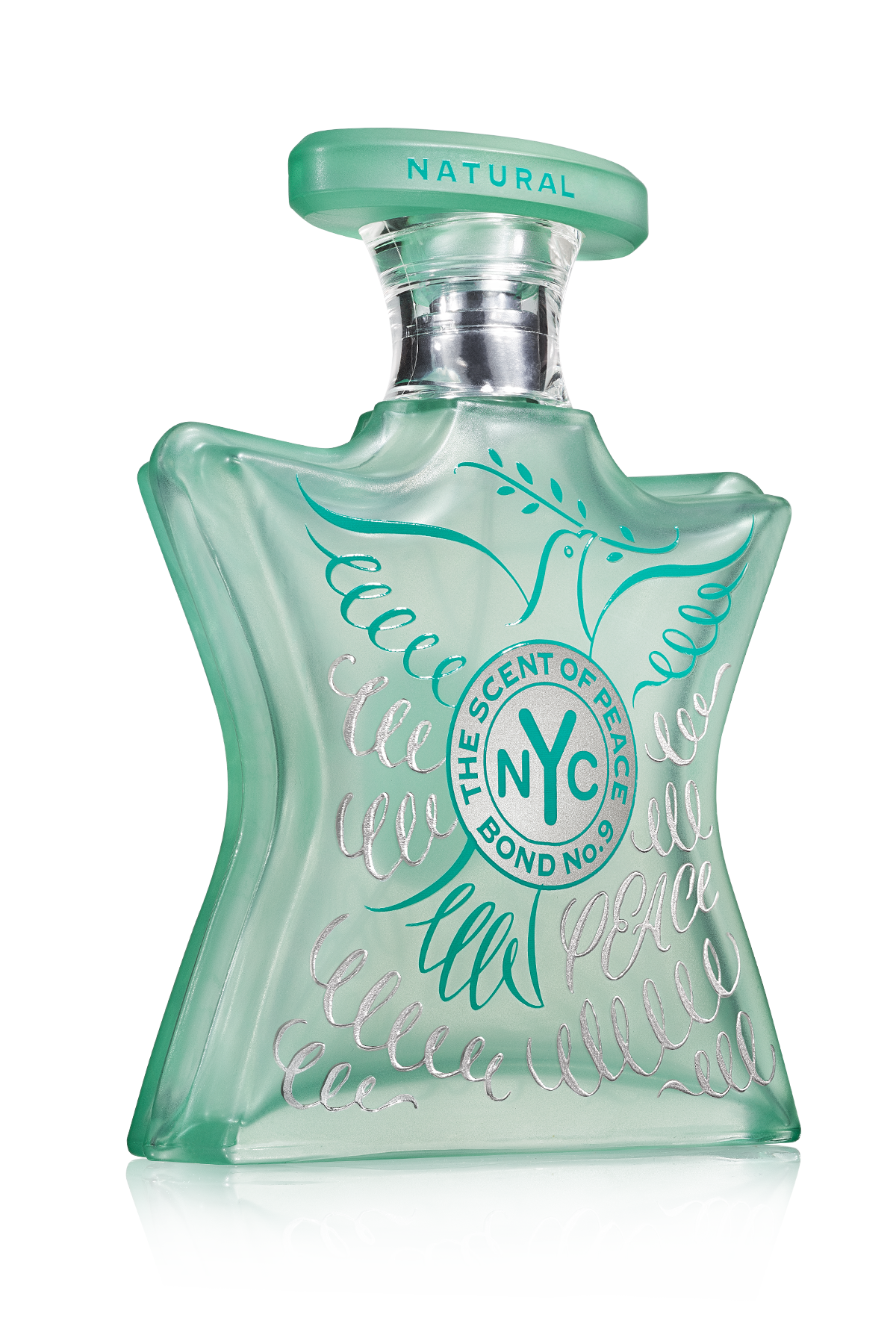
Testing a fragrance on your skin is essential to understand how it will truly smell on you.
Source: bondno9.com
How to Choose and Layer a Scent
Choosing a fragrance is a personal journey, not a race. Here is a step-by-step process to help you find a scent that feels like an extension of yourself.
Step 1: Start with Samples
Never buy a full bottle based on a single sniff from a paper strip. Your skin's chemistry will change the scent. Instead, get samples or travel sizes of a few fragrances that interest you. Wear each one for a full day to see how it develops and how it makes you feel.
Step 2: Test on Clean Skin
Apply the fragrance to clean, unscented skin, preferably on your inner wrist or the crook of your elbow. Avoid rubbing your wrists together, as the friction can crush the fragrance's top notes. Wait at least 30 minutes to experience the heart notes, and a few hours to experience the base notes.
Step 3: Consider the Occasion and Season
Think about when and where you will wear the fragrance. A light, fresh scent is ideal for daytime and warm weather. A deeper, more intense scent is better for evenings and cooler months. A versatile scent that works for both office and casual wear is a great investment for a first bottle.
Step 4: The Art of Layering
Layering is a technique used to create a unique, long-lasting scent profile. The goal is to build a cohesive fragrance from multiple products. Start with a matching or complementary scented body wash or lotion. This provides a base for the perfume to cling to. Then, apply your eau de parfum to pulse points. The result is a more complex and longer-lasting scent.
A common mistake is layering two strong perfumes that clash. The key is to use a neutral or complementary base and let the main perfume be the star. For example, an unscented moisturizer followed by a woody perfume is a simple, effective layering strategy.
Step 5: Store Your Fragrance Properly
Heat, light, and humidity are the enemies of fragrance. They can break down the delicate aromatic molecules and alter the scent over time. Store your bottles upright in a cool, dark place, away from windows and radiators. A drawer or a closet is ideal. This simple habit will preserve your fragrance's quality for years.
Being mindful of scent intensity and potential allergies is a key part of fragrance etiquette.
Source: ilovegain.com
Safety, Allergies, and Etiquette
Fragrance is powerful, and with that power comes responsibility. Being considerate of others and aware of safety is essential.
Respecting Others' Boundaries
Scent is a personal and often intimate thing. What smells wonderful to you might be overwhelming or even triggering for someone else. In shared spaces like offices, public transit, or elevators, it is best to apply fragrance sparingly. A good rule of thumb is that your scent should be discovered, not announced. If someone can smell you from more than an arm's length away, you are likely wearing too much.
Allergies and Sensitivities
A significant portion of the population has allergies or sensitivities to certain fragrance ingredients. Symptoms can range from mild headaches and sneezing to more severe asthma attacks. If you have a known sensitivity, always patch test a new product on a small area of skin before applying it liberally. Look for "hypoallergenic" or "fragrance-free" options if you are concerned. For those with asthma, it is wise to be particularly cautious, as strong scents can be a trigger. Creating a comfortable and healthy sleep environment is also crucial for overall well-being, and this includes being mindful of the scents you use in the bedroom.
Safety Tips for Use
- Patch Test: Always test a new fragrance on a small area of skin to check for any adverse reaction.
- Avoid Open Flames: Be extremely careful with candles and essential oil diffusers. Never leave a burning candle unattended.
- Keep Away from Pets: Many essential oils are toxic to pets, especially cats and dogs. Keep diffusers and bottles out of their reach.
- Read Labels: Be aware of what is in your fragrance, especially if you have sensitive skin or respiratory conditions.

Understanding the facts behind common fragrance myths can save you from costly mistakes.
Source: hugoboss.com
Myths and Facts About Scent
The world of fragrance is full of folklore and misinformation. Let's separate fact from fiction.
Myth: A stronger scent is always better. Fact: A strong scent is not a good scent. Over-applying can be offensive and cause headaches for you and those around you. The goal is to be noticed for the right reasons, not to announce your arrival from across the room.
Myth: Perfume lasts forever on a shelf. Fact: Fragrances are not immortal. Heat, light, and air degrade the aromatic compounds over time. A well-stored perfume can last for years, but an improperly stored one can turn sour or lose its top notes within months.
Myth: Everyone smells a perfume the same way. Fact: As discussed, skin chemistry, genetics, and even diet can alter how a fragrance smells on an individual. This is why a fragrance that is a masterpiece on your friend might smell completely different on you.
Myth: One fragrance suits all seasons. Fact: This is rarely true. Heavy, warm scents can be cloying in the summer heat, while light, fresh scents can feel thin and disappear in the winter cold. Having a seasonal rotation is a sign of a true fragrance enthusiast.
Myth: Natural equals hypoallergenic. Fact: This is a dangerous misconception. Many natural essential oils, such as citrus and certain florals, are common allergens. "Natural" does not automatically mean safe for everyone. Always patch test, regardless of whether a product is natural or synthetic.

Simple application habits can significantly extend the life of your fragrance.
Source: downy.com
Tips to Make Scent Last Longer
Getting the most out of your fragrance is about more than just how much you spray. It is about how and where you apply it.
Apply After a Shower: Your pores are open and your skin is warm and slightly damp, which helps the fragrance absorb better. This is the single most effective tip for improving longevity.
Moisturize First: Fragrance clings to hydrated skin. Apply an unscented moisturizer or body lotion to your pulse points before spraying your perfume. This creates a barrier that slows down the evaporation of the scent.
Target Pulse Points: These are areas where your blood vessels are close to the skin, generating heat. This heat helps to diffuse the fragrance throughout the day. Key pulse points include your wrists, the inside of your elbows, the base of your throat, and behind your ears.
Spray, Don't Rub: Rubbing your wrists together creates friction and heat, which can break down the fragrance's top notes and make it fade faster. Instead, spray and let it dry naturally.
Consider Your Clothing: Fabric holds scent much longer than skin. You can spray a light mist on your scarf or the inside of your jacket. However, be cautious, as some perfumes can stain certain fabrics.
Layer Your Products: Using a matching body wash, lotion, and perfume from the same line is the most effective way to build a long-lasting scent. I once doubled the longevity of a fragrance simply by switching to its matching body lotion. The combination of the two products created a more robust and persistent scent profile.
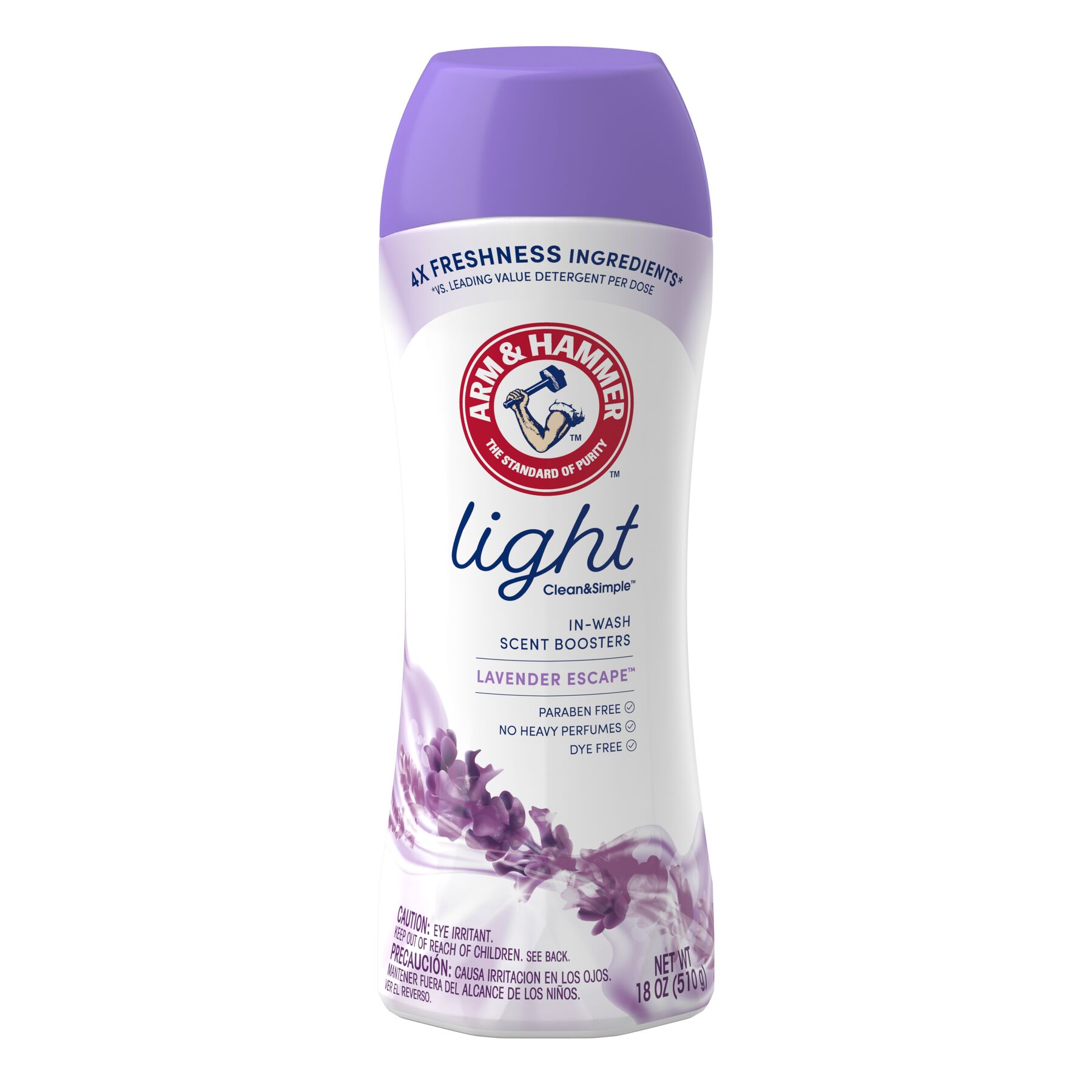
Understanding the basics of fragrance can help you make more informed choices.
Source: armandhammer.com
Frequently Asked Questions of Scent
What is the difference between scent and fragrance?
Scent is the general term for any aroma or smell, whether pleasant or not. Fragrance specifically refers to a composed perfume product that is intentionally created to smell pleasant. All fragrances are scents, but not all scents are fragrances.
How long does a scent last on skin?
The longevity of a scent depends on its concentration and its specific notes. Light colognes and fresh scents may last only 2–4 hours, while stronger Eau de Parfums with woody or oriental base notes can last 6–8 hours or more. Your skin type also plays a role; oily skin tends to hold fragrance longer than dry skin.
Can scent affect mood and memory?
Yes, this is one of the most powerful effects of scent. The olfactory system has a direct pathway to the brain's limbic system, which governs emotion and memory. A single scent can trigger a vivid, emotional memory or instantly shift your mood.
Are natural scents safer than synthetic ones?
Not necessarily. Both natural and synthetic fragrance molecules can cause allergic reactions or skin sensitivities. Safety depends on the specific ingredients, their concentration, and your personal sensitivity. Always patch test a new product, regardless of whether it is labeled "natural."
How should I store my perfume to keep scent stable?
Store your perfume in a cool, dark, and dry place, away from direct sunlight, heat sources, and humidity. A drawer or a closet is ideal. Keep the bottle upright to minimize the surface area of the liquid exposed to air, which can cause oxidation. Proper storage can preserve your fragrance's quality for years.
Conclusion
Scent is a powerful, invisible force that shapes our memories, influences our moods, and defines our personal presence. By understanding the science of how fragrance works, learning to navigate the different fragrance families, and mastering the art of application and layering, you can choose scents that truly enhance your life.
Start your journey by testing samples, not full bottles. Pay attention to how a fragrance develops on your skin over time. Be mindful of the occasion and the season. And above all, choose a scent that makes you feel confident and authentic. The right fragrance is not about following trends; it is about finding a signature that tells your unique story. Take the first step today and explore a new scent—you might be surprised by the memories and emotions it unlocks.

Daniel Hart is a consumer product analyst who specializes in mattress technology, smart bedding, and home comfort innovation. Before joining Royal Comport, Daniel worked with several e-commerce research teams, testing and comparing sleep products for quality, value, and long-term performance. He brings data-driven insight and real-world testing to every review he writes.


