

A musty-smelling basement isn't just unpleasant—it's a sign that the air you're breathing is stale, damp, and potentially harmful. Because basements sit partially or fully underground, they're naturally prone to moisture buildup, poor ventilation, and pollutant accumulation. The good news? You don't need a major renovation to fix it. With a few targeted changes, you can transform that stuffy space into a clean, fresh, and healthy part of your home.
This guide walks you through the most effective ways to improve basement air quality, from quick fixes you can do this weekend to longer-term solutions that protect your home—and your health—for years to come.
Why Basement Air Quality Matters More Than You Think
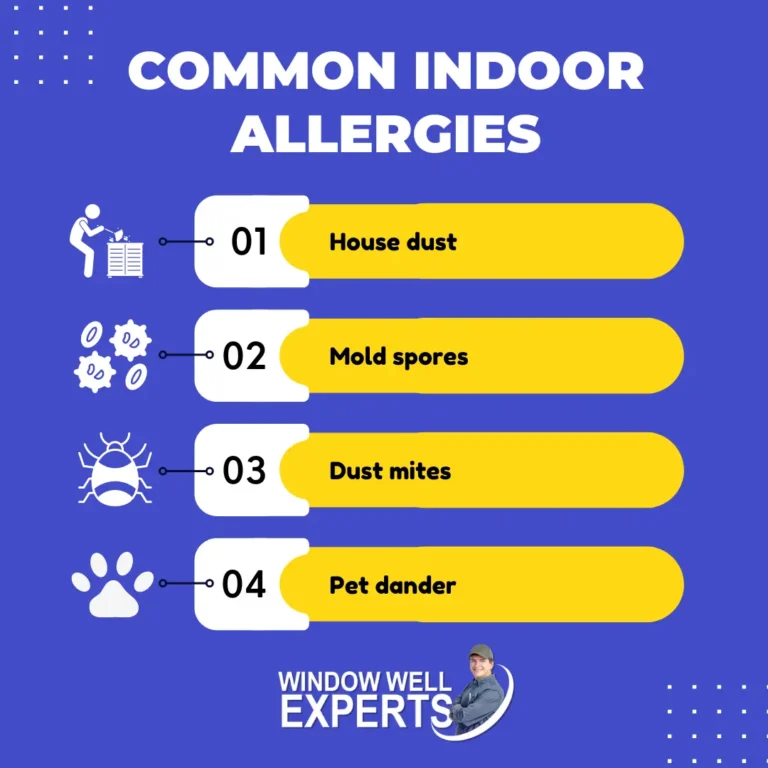
The air in your basement doesn't stay in your basement. Thanks to the stack effect—where warm air rises and pulls cooler air up from lower levels—whatever pollutants linger below ground can circulate throughout your entire home. That means mold spores, dust mites, and chemical fumes from your basement could be affecting the air you breathe in your living room and bedroom.
Poor basement air quality has been linked to a range of health concerns, including:
- Respiratory irritation: Coughing, wheezing, and throat discomfort
- Allergy flare-ups: Sneezing, itchy eyes, and nasal congestion
- Headaches and fatigue: Often triggered by volatile organic compounds (VOCs) or poor ventilation
- Aggravated asthma: Especially in children and older adults
If you're already dealing with allergy-related sleep disruptions, a damp basement could be making things worse. The connection between the air you breathe and how well you sleep is well established, so addressing your basement is an investment in your overall rest and health.
Step 1: Test Your Basement Air First
Before you start buying equipment or sealing cracks, find out exactly what you're dealing with. Guessing can lead to wasted money and untreated problems.
Radon Testing
Radon is a colorless, odorless radioactive gas that seeps into homes through cracks in the foundation. It's the second leading cause of lung cancer after smoking, according to the Environmental Protection Agency. Because basements are the lowest point of your home, they're where radon concentrations are typically highest.
You can pick up an affordable radon testing kit at most hardware stores, or hire a professional for a more comprehensive assessment. If your test comes back above 4 picocuries per liter (pCi/L), you'll want to install a radon mitigation system. If levels are between 2 and 4 pCi/L, consider mitigation anyway—there's no truly "safe" level of radon.
Mold and Moisture Check
Look for visible signs of mold on walls, floors, ceilings, and around pipes. Even if you can't see it, a musty smell is a strong indicator that mold is growing somewhere. Check behind stored boxes, under carpets, and along baseboards—these hidden spots are where mold thrives.
Identifying Pollutant Sources
Walk through your basement and take note of potential pollution sources: stored paint thinner, old cleaning supplies, gas-powered equipment, or unsealed concrete floors. Each of these can off-gas chemicals into the air you're breathing.
Step 2: Control Moisture—The Root of Most Basement Problems
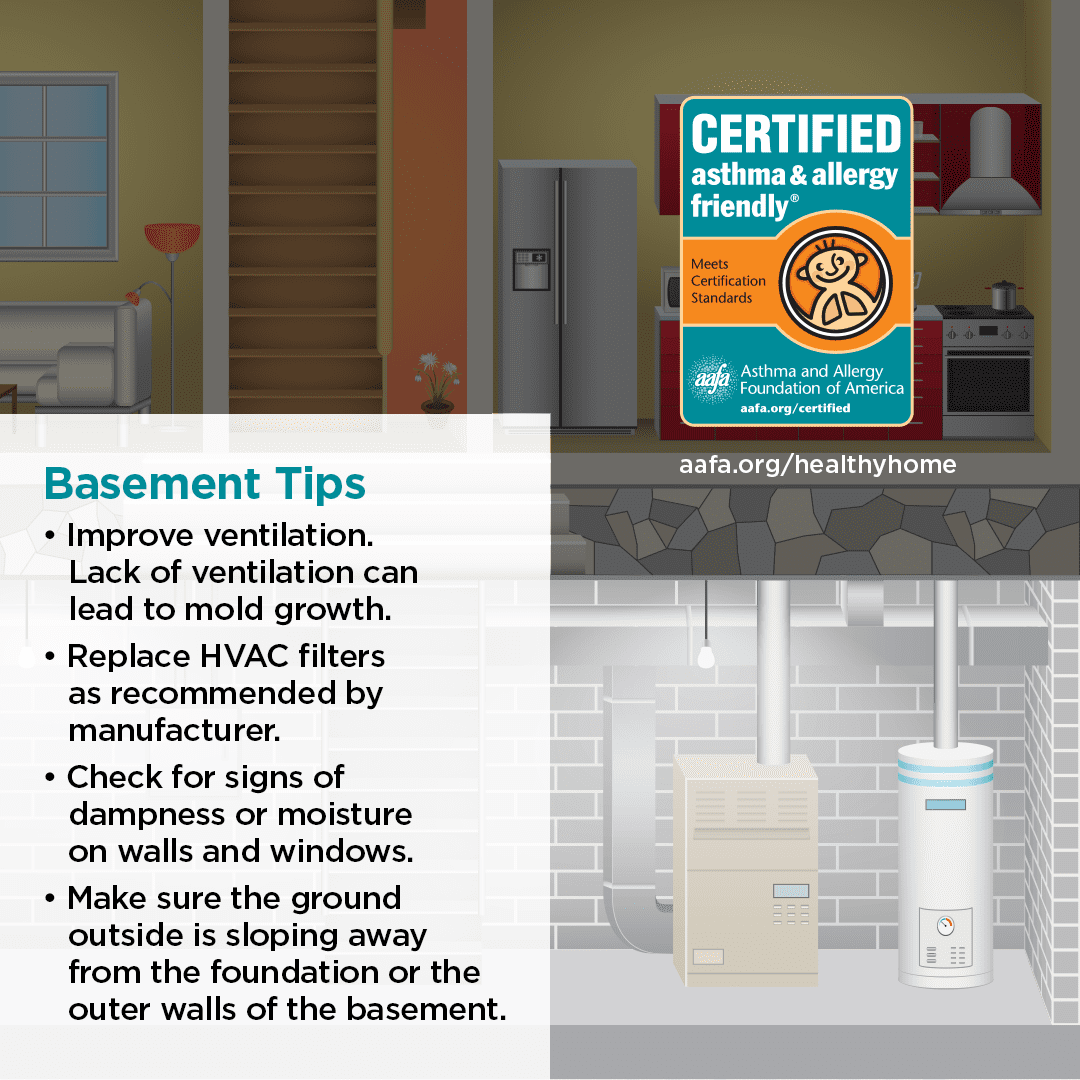
High humidity is the single biggest culprit behind poor basement air. Excess moisture creates the perfect environment for mold, mildew, dust mites, and musty odors. Tackle moisture first, and everything else becomes easier.
Run a Dehumidifier
A dehumidifier is non-negotiable for most basements. The goal is to keep relative humidity between 30% and 50%—anything higher invites mold growth. In practice, many homeowners find that a dehumidifier running during the warmer months needs to be emptied daily. Consider a model with a built-in pump and continuous drainage hose so you don't have to empty the tank manually.
Fix Leaks and Seepage
Check walls and floors for cracks, especially after heavy rain. Seal small gaps with hydraulic cement or epoxy injection. For persistent water seepage through walls, you may need to apply a waterproofing paint or membrane. In the worst cases, an interior drainage system and sump pump are the permanent fix—this is worth the investment if your basement floods even occasionally.
Improve Drainage Around Your Foundation
Take a walk around your home after a rainstorm. Water pooling near the foundation is a red flag. Clean your gutters regularly, extend downspouts so they discharge at least six feet away from the house, and grade the soil so it slopes away from the foundation. Every gallon of water that drains away from your home is a gallon that isn't soaking into your basement walls.

Mold thrives in damp, dark basement corners—spotting it early prevents bigger air quality problems.
Step 3: Get the Air Moving
Stagnant air is stale air. Ventilation is your easiest, most affordable way to bring fresh air in and push pollutants out.
Cross-Ventilation Basics
If your basement has windows, open two on opposite sides of the room—ideally on different walls—to create cross ventilation. This natural airflow flushes out stale, damp air and replaces it with fresh air from outside. It only costs you a few minutes of effort, and it's most effective on dry, breezy days.
Using Exhaust Fans Strategically
Bathrooms, laundry rooms, and workshop areas in the basement produce excess moisture and odors. Install exhaust fans in these high-moisture zones and run them during and after use. It's a small change with an immediate impact on how fresh the basement feels.
Consider a Ventilation System
For finished basements—or basements that simply never get enough natural airflow—a mechanical ventilation system is worth considering. Heat recovery ventilators (HRVs) and energy recovery ventilators (ERVs) bring in fresh outdoor air while exhausting stale indoor air, all without wasting the energy used to heat or cool your home. If you already have a forced-air HVAC system, talk to a professional about adding a fresh air intake.
Step 4: Filter the Air You Breathe
Ventilation brings fresh air in, but filtration is what actually cleans the air that's already there. Dust, dander, mold spores, and microscopic particles need to be actively captured.
Upgrade Your HVAC Filter
The filter in your HVAC system is your home's first line of defense. Standard fiberglass filters only catch large particles—they're barely better than nothing. Upgrade to a filter with a MERV rating of at least 8, which captures dust mites, mold spores, and pollen. Higher MERV ratings (11–13) filter even finer particles, including some bacteria and smoke particles, but make sure your system can handle the airflow restriction first.
Replace your filter every 90 days—or every 30 to 60 days if you have pets, allergies, or a dusty basement.
Add a Portable Air Purifier with HEPA
For localized air cleaning in a basement, a portable air purifier with a true HEPA filter can make a noticeable difference. Look for a unit rated for the square footage of your basement (plus a bit more for poor airflow). HEPA filters capture 99.97% of particles at 0.3 microns, which includes most mold spores and dust allergens.
If odors and chemical fumes are a concern, choose a purifier that combines HEPA with an activated carbon layer. The carbon absorbs smells and VOCs—materials a standard HEPA filter can't catch.
Consider a Standalone Air Purifier Placement
Position your air purifier in the most-used area of the basement, away from walls and furniture, so air can circulate freely around the unit. Running it continuously is ideal—you'll notice the difference most when you first walk into the space.
A HEPA air purifier removes dust, mold spores, and other microscopic irritants from your basement air.
Step 5: Clean and Maintain Regularly
You can have the best ventilation and filtration in the world, but if the basement is filled with dust, clutter, and old carpet, the air will still suffer.
Vacuum with a HEPA-Equipped Vacuum
Regular vacuums stir up dust rather than trapping it. A vacuum with a HEPA filter captures the particles it picks up, keeping them from recirculating back into the air. Vacuum hard floors and washable rugs at least weekly.
Remove Dust Magnets
Old carpet is one of the worst offenders for basement air quality. It traps dust, moisture, and mold spores deep within its fibers and is nearly impossible to fully clean. If you have the option, replace carpeted basements with hard flooring—tile, vinyl plank, or sealed concrete. These surfaces can be kept clean with a damp mop and won't harbor allergens.
If removing carpet isn't feasible, at least use washable area rugs instead of wall-to-wall carpeting. You can launder them regularly to control allergen buildup.
Address Mold Immediately
The moment you spot mold—even a small patch—clean it promptly. A mixture of water and household detergent works for surface mold on non-porous materials. Porous materials like drywall and wood that are heavily mold-damaged often need to be removed and replaced.
Never ignore mold in a basement. Left alone, it spreads and releases more spores into the air. For extensive mold growth (larger than about 10 square feet), the EPA recommends hiring a professional remediation service.
Step 6: Seal Off Pollutant Sources
Basements tend to collect things that don't belong elsewhere—paint, solvents, pesticides, fuel, and all manner of chemicals. These items slowly release VOCs into the air, especially when temperatures rise.
Store Chemicals in Airtight Containers
Transfer paints and solvents into airtight metal or plastic containers. Seal everything tightly and store it in a well-ventilated area, ideally in a metal cabinet. This alone can dramatically improve the smell—and the air quality—of a basement.
Beware of Unfinished Concrete
Bare concrete floors absorb moisture and can develop a dusty, chalky surface that contributes to airborne particles. Sealing the concrete with a concrete sealer or painting it with a waterproofing paint makes the floor easier to clean and dramatically reduces dust.
Step 7: Add Plants for Natural Air Purification
Certain houseplants are surprisingly effective at filtering common indoor pollutants like formaldehyde, benzene, and carbon monoxide. While they're no substitute for a mechanical air purifier, plants add a layer of natural air cleaning while brightening up the space.
For low-light basements, choose hardy varieties like:
- Snake plant—nearly indestructible and excellent at filtering formaldehyde
- Spider plant—tolerates low light and removes multiple toxins
- Pothos—grows well in shade and is a top performer for air purification
- Peace lily—also helps reduce mold spores in humid air
Just be mindful: overwatering plants in a basement can add to humidity problems. Use pots with drainage holes and a saucer, and let the soil dry between waterings.
Basement-friendly plants filter common indoor pollutants while tolerating dim light.
When to Call in a Professional
Most basement air quality problems can be solved with the steps above. But some situations call for expert help:
- Radon levels above 4 pCi/L: Professional radon mitigation is the only reliable fix
- Extensive mold growth: Larger infestations require specialty cleaning and containment
- Structural water intrusion: Cracks in the foundation or grading issues need a foundation specialist
- Persistent musty odors: If you can't find the source, a professional inspection can pinpoint hidden moisture problems
Attempting DIY fixes in these cases can make things worse. A professional assessment, while it costs more upfront, saves you from ongoing health issues and potential structural repairs down the line.
Building a Future-Proof Basement
As you work through improving your basement air quality, think beyond the quick fixes. The goal is to build habits and systems that keep the air consistently clean, month after month.
Consider this approach:
| Action | Frequency | Difficulty |
|---|---|---|
| Vacuum with HEPA filter | Weekly | Easy |
| Check and empty dehumidifier | Daily (in humid months) | Easy |
| Inspect for leaks or damp spots | Monthly | Easy |
| Replace HVAC filter | Every 1–3 months | Easy |
| Replace dehumidifier filter | Every 6 months | Moderate |
| Test for radon | Every 2 years | Easy (kit) |
| Professional mold inspection | As needed | Professional |
The effort compounds. Each small action reduces the overall pollutant and moisture load, making the entire system more efficient. Once you get into a rhythm, fresh basement air becomes the new normal.
A Cleaner Basement Supports Better Sleep
Here's a connection many homeowners overlook: the air quality in your basement affects the air quality in your bedroom. If your HVAC system draws return air from your basement, those pollutants circulate to every room. Even without forced air, air currents naturally carry particles upward through your home.
Improving your basement air isn't just about a better-smelling storage space—it's about creating a healthier sleep environment throughout your entire home. When your breathing passages aren't irritated by dust, mold, and chemicals, you naturally sleep more deeply and wake feeling restored.
Conclusion
Improving your basement air quality is a project with clear, achievable steps—and the payoff touches every part of your home. Start with the essentials: test for radon, control humidity with a dehumidifier, seal leaks, and improve ventilation. Then layer on the cleanup: upgrade your filters, vacuum with HEPA equipment, remove chemical sources, and add a few air-purifying plants.
You don't need to do everything at once. Even two or three of these changes will make a noticeable difference in how the basement smells—and how you feel. Begin with a quick moisture audit and a new HVAC filter this weekend; you'll breathe easier knowing you're on the right track. A fresher, healthier basement is well within reach.

Daniel Hart is a consumer product analyst who specializes in mattress technology, smart bedding, and home comfort innovation. Before joining Royal Comport, Daniel worked with several e-commerce research teams, testing and comparing sleep products for quality, value, and long-term performance. He brings data-driven insight and real-world testing to every review he writes.


