

Royal self-care isn’t about price tags or Instagram-worthy indulgences. It’s a deliberate, repeatable set of rituals that treat your body, mind, and environment with the same respect a monarch would give their chambers. When you practice royal self-care, you’re not escaping from your life—you’re stepping into a calm, grounded version of it.
This guide walks you through the philosophy, the practical routines, and the tiny sensory luxuries that make self-care feel genuinely special. You’ll learn how to build a routine that fits your schedule, avoid the pitfalls that derail most wellness efforts, and track your progress without obsessing over perfection. By the end, you’ll have a personal template you can use today—no palace required.
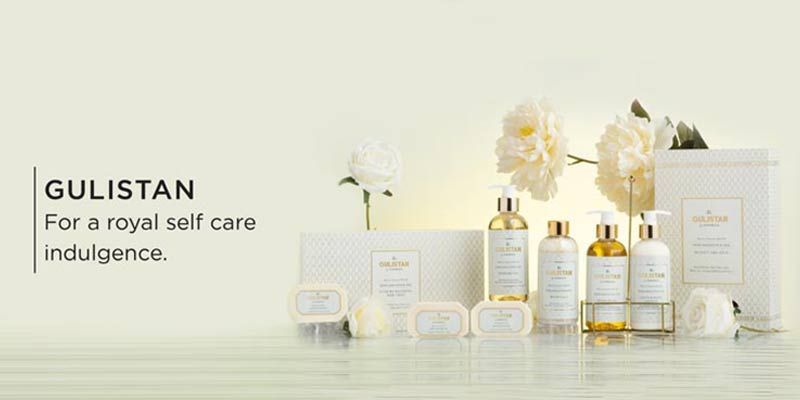 The atmosphere of a ritual matters more than the objects.
What Is Royal Self-Care?
Royal self-care is the practice of treating yourself with consistent, intentional kindness. It borrows from centuries-old traditions of daily grooming, quiet reflection, and thoughtful preparation—but it’s fully modern in its focus on mental health and sustainability. At its core, it’s a set of habits that honor rest, clarity, and nourishment without relying on extravagance.
The key word is consistency. A single spa weekend feels amazing, but it doesn’t build long-term wellbeing. Royal self-care favors small, repeatable actions—a three-minute breathing session each morning, a tech-free lunch, a tidy bedside table—that accumulate into profound change. This is not about scarcity or punishment; it’s about creating a structure that supports you every single day.
The Philosophy: Why Rituals Work
Humans are creatures of routine. Neurologically, repeated behaviors create neural pathways that eventually become automatic—which is exactly why habits are so hard to break and so powerful to build. Rituals add a layer of meaning to those habits. When you perform a sequence of actions with intention, you signal to your brain that this moment matters. That shift in attention reduces stress and increases focus.
Research from the National Center for Complementary and Integrative Health shows that mindfulness-based practices, including structured rituals, can improve mood and reduce anxiety. The value isn’t in the object—it’s in the attention you bring to it. This is why a simple cup of tea, brewed slowly and sipped without distractions, can feel more luxurious than a five-course dinner when done mindfully.
Core Principles of Royal Self-Care
Royal self-care rests on five principles that guide every choice and routine you build:
- Consistency beats intensity. Ten minutes daily outperforms two hours every Sunday.
- Intention, not autopilot. Do things on purpose, and they become meaningful.
- Comfort and function blend. A beautiful mug that also keeps your tea warm is better than either extreme.
- Boundaries protect value. Saying no to extra commitments is an act of self-respect.
- Nourishment is holistic. Mind, body, and environment all need feeding.
These principles help you design routines that last because they’re rooted in your actual life, not a fantasy version of it. When you link them to your own needs, they become personal and effective.
The Science Behind Rituals
Why does lighting a candle or arranging your space make you feel calmer? The answer lies in how your brain processes predictability. Rituals provide a reliable sequence of actions that your nervous system recognizes as safe. This lowers cortisol levels and triggers the relaxation response.
Sleep is a prime example. A consistent wind-down ritual—dimming lights, putting away screens, reading a few pages—signals your body to release melatonin. The same principle applies to your morning routine. A brief breathing exercise before you check your phone can shift your entire day’s tone. According to the CDC’s sleep guidelines, regular sleep schedules are one of the most effective ways to improve sleep quality. The same logic extends to every ritual: repetition creates safety, and safety creates wellbeing.
 Creating a dedicated space helps your brain switch into rest mode.
How to Build a Personalized Royal Self-Care Routine
A royal self-care routine doesn’t have to take hours. In fact, the best routines are flexible enough to fit into your morning, midday, and evening without feeling like a second job. Here’s a template you can adapt and adjust:
Morning (5–15 minutes)
- Breathe – Sit upright, close your eyes, and take ten slow, deep breaths. Inhale for four counts, exhale for six.
- Hydrate – Drink a full glass of water before any coffee. Add a slice of lemon or cucumber for an extra sensory lift.
- Move – Stretch your neck, roll your shoulders, and do a few gentle yoga poses or a short walk to wake up your body.
Midday (2–5 minutes)
- Step away from screens – Eat lunch without your phone. Notice the textures and flavors of your food.
- Ground yourself – Walk outside for five minutes, or stand with your bare feet on a cool floor. Focus on your breath.
Evening (10–30 minutes)
- Wind down – Dim the lights, put your phone on silent, and lower the room temperature.
- Reflect – Write one sentence of gratitude and one small win from the day.
- Prepare for sleep – Lay out tomorrow’s clothes and tidy your bedside table. A clutter-free space promotes deep restorative sleep.
You can start with just one of these moments and gradually layer in more. The goal is not discipline but delight. If a ritual feels like a chore, change it.
Mind, Body, and Home Rituals
Royal self-care covers three interconnected areas. Each benefits from small, repeatable practices that you can customize.
Mind Rituals
- Single-task – Work for 25 minutes, then take a 5-minute break. This is called the Pomodoro technique—it improves focus and prevents burnout.
- Meditate briefly – Use a guided app or simply follow your breath for three minutes before bed. Even this short practice calms the mind.
- Read something uplifting – Ten minutes of a novel or a well-written article each day can shift your perspective and reduce stress.
Body Rituals
- Prioritize protein and vegetables – Aim for at least two meals a day that include a colorful array of produce and a quality protein source.
- Move gently – Walk, swim, or do yoga three times a week. Movement doesn’t have to be intense to be effective.
- Respect your sleep schedule – Go to bed and wake up at the same time every day, even on weekends. Your body thrives on consistency.
Home Rituals
- Create a calm corner – Dedicate one spot to a comfortable chair, a candle, a soft throw, and a small plant. Use it only for quiet moments.
- Declutter weekly – Spend 15 minutes clearing one surface—a desk, a nightstand, a counter. Visual clutter creates mental clutter.
- Choose scents deliberately – A linen spray or a few drops of lavender essential oil on your pillow can make your space feel like a sanctuary.
I’ve practiced these rituals during chaotic work weeks and quiet weekends. The biggest impact came from the simplest changes: a nightly journal, a tidy bedside table, and a deliberate tea ritual. They don’t cost much, but they’re priceless.
 Sensory details—texture, scent, warmth—make rituals feel luxurious.
Designing Your Royal Self-Care Space
You don’t need a separate room to practice royal self-care. A dedicated corner, even a small one, creates a powerful mental cue. When you enter that space, your brain shifts into a calmer state.
Choose a spot with good natural light and minimal foot traffic. Then add three elements:
- A comfortable seat – A chair with good support, a floor cushion, or a window nook.
- A scent source – A candle, diffuser, or dried lavender. Keep it subtle.
- A sensory object – A small plant, a smooth stone, or a framed photo that makes you smile.
Keep this area tidy and designate it exclusively for self-care. If you use it only for breathing exercises or journaling, the association between the space and calm will strengthen over time.
I turned a five-foot alcove into a recharge station with a vintage chair, a floor lamp, and a shelf of my favorite books. Five minutes there reliably improves my mood. The act of sitting in that chair feels like putting on a comfortable robe—it signals that this time is mine.
Choosing Quality Tools and Products
When it comes to self-care, quality matters more than quantity. A few well-made items will serve you far better than a drawer full of gadgets you rarely use. Focus on tools that engage your senses and make your rituals feel inviting.
- A water bottle you love – Choose one with a pleasant texture and easy grip. It makes hydration a small pleasure.
- Comfortable bedding – A good pillow and soft sheets directly affect your sleep. Consider the mattress accessories that can elevate your bed’s comfort.
- A beautiful journal – Opt for one with thick, smooth paper and a cover that makes you smile. The physical act of writing becomes more enjoyable.
- A timer or focus app – Use it for work sessions and breaks. The chime becomes a cue to shift your state.
I prefer tactile journals with cloth covers and throws that are soft to the touch. These small sensory details turn a routine into a ritual—they make you want to come back.
 Invest in objects that feel good in your hands.
Common Mistakes and How to Avoid Them
Many people try royal self-care and give up within weeks, usually due to one of these four mistakes. Here’s how to sidestep them:
Mistake: Thinking it requires significant spending.
Fix: Use free rituals—breathing, walking, journaling. Luxuriate in a warm bath or a long stretch instead of buying a new gadget.Mistake: Overloading your routine.
Fix: Start with one habit and add another only after the first feels automatic. Simple is sustainable.Mistake: Chasing perfection.
Fix: Missed a day? That’s fine. The goal is consistency over time, not flawless execution. Get back on track the next day.Mistake: Ignoring boundaries.
Fix: Schedule protected time for yourself and treat it as non-negotiable. Saying no to others is saying yes to yourself.
I’ve made all of these mistakes. My early self-care attempts collapsed under the weight of too many rules and expensive purchases. When I scaled back to just two habits—morning breathing and a nightly journal—the practice finally stuck.
Measuring Your Progress
Tracking your self-care isn’t about creating another spreadsheet. It’s about noticing what works and what doesn’t. Simple tools you can use weekly:
- Sleep quality – Note how many hours you slept and whether you feel rested the next morning.
- Mood rating – Rate your overall mood from 1 (low) to 5 (high) each evening.
- Energy patterns – Record when you feel most and least energetic during the day.
- Habit streak – Keep a simple calendar where you mark each day you complete your core ritual.
These data points reveal trends. After a month, you might notice that your mood dips on days when you skip your morning stretch, or that your sleep improves when you read for ten minutes before bed. Use these insights to refine your routine—not to judge yourself.
 Simple tracking helps you see patterns and adjust.
Seasonal Adjustments for Year-Round Wellness
Royal self-care isn’t static. Summer and winter ask different things of your body and mind. Adjusting your rituals ensures they remain effective year-round.
Summer
- Hydrate more – Increase your water intake and add electrolyte-rich foods like watermelon and citrus.
- Move outdoors early – Morning walks in natural light help regulate your circadian rhythm.
- Cool down intentionally – A cold shower or a swim can be invigorating and grounding.
Winter
- Boost light exposure – Use a daylight lamp for 20 minutes each morning to combat seasonal mood dips.
- Warm up intentionally – A warm bath with essential oils, or a heated blanket, can be deeply comforting.
- Prioritize vitamin D – Consider a supplement after checking with your doctor.
These adjustments keep your practice fresh and aligned with your body’s natural rhythms.
Integrating Royal Self-Care with Better Sleep
Sleep is the foundation of all other self-care. Without adequate rest, your mood, focus, and immune system all suffer. Royal self-care naturally complements sleep hygiene. A well-designed evening ritual—dimming lights, putting away screens, and engaging in a calming activity—directly improves sleep quality.
Your sleep environment matters enormously. A cool, dark, and quiet room free of clutter promotes deeper rest. This includes your mattress and pillows. If your current setup doesn’t support you, consider upgrading. Reading about how to choose the best mattress for sciatica or the best type of mattress for side sleepers can be a game-changer for your sleep hygiene.
Even simple adjustments—like keeping your bedroom a few degrees cooler and investing in blackout curtains—can dramatically improve your rest. For more, explore our guide to creating a healthy sleep environment.
Personal Experience and Lessons Learned
I’ve practiced royal self-care through intense deadlines, family emergencies, and quiet weekends. The lessons I’ve learned are practical and hard-won:
- Start tiny. A one-minute breathing ritual beats a 30-minute plan you never do.
- Make it pleasurable. A favorite cup, a soft throw, a pleasant scent—these details make rituals feel like gifts, not chores.
- Protect your time. If you don’t schedule self-care, it won’t happen. Block it in your calendar like any important meeting.
- Review monthly. Every few weeks, ask yourself what feels nourishing and what feels draining. Adjust accordingly.
These insights come from real trial and error. They’ve kept me calm through some of the busiest seasons of my life. Royal self-care isn’t a luxury—it’s a steady anchor.
 Your bedroom should be a sanctuary for rest.
Frequently Asked Questions
What exactly is royal self-care?
Royal self-care is a practice of steady, intentional habits that honor your wellbeing through small rituals. It emphasizes consistency, comfort, and boundaries rather than cost or status.
How long does a royal self-care routine take each day?
A practical routine can take 20 to 60 minutes total, split across morning, midday, and evening moments. The key is consistency, not total time.
Can anyone practice royal self-care on a tight budget?
Absolutely. Most core rituals—breathing, journaling, walking, hydrating—cost little or nothing. The luxury lies in the attention you bring, not the price tag.
How soon will I notice benefits?
Many people feel calmer and more focused within one to two weeks of consistent practice. Sleep and energy often improve over a month of steady habits.
Is royal self-care the same as pampering?
Not exactly. Pampering is occasional indulgence. Royal self-care is steady, purposeful care that supports long-term wellbeing. It includes small luxuries but focuses on routine.
Conclusion
Royal self-care is not a distant ideal—it’s a practical, elegant framework for everyday wellness. Start small: pick one ritual you can realistically do for two weeks, and protect that time like it’s a royal decree. Gradually add more layers as the habits settle in.
Over time, these steady acts will raise your energy, reduce stress, and create space for better living. Your body, mind, and home will respond. And when you treat yourself with dignity every day, you’ll find it easier to extend that same respect to others.
Try one ritual today. Track it for a week. Notice the difference. Then build from there—your throne is waiting.

Daniel Hart is a consumer product analyst who specializes in mattress technology, smart bedding, and home comfort innovation. Before joining Royal Comport, Daniel worked with several e-commerce research teams, testing and comparing sleep products for quality, value, and long-term performance. He brings data-driven insight and real-world testing to every review he writes.


