

Royal living room design doesn’t have to mean recreating a palace. It means borrowing the visual grammar of grandeur — symmetry, scale, rich materials, layered light, and edited detail — and applying it to a room where people actually sit, talk, read, and unwind. In 2026, that look has shifted away from stiff period perfection toward warmer, more personal luxury: think carved mouldings with casual linen, gilded mirrors beside worn leather, and jewel-toned velvet against pale stone. This guide walks through the principles, palette, furniture, lighting, and practical steps behind a royal living room that feels both expensive and genuinely livable.
What Makes a Living Room Feel Royal?
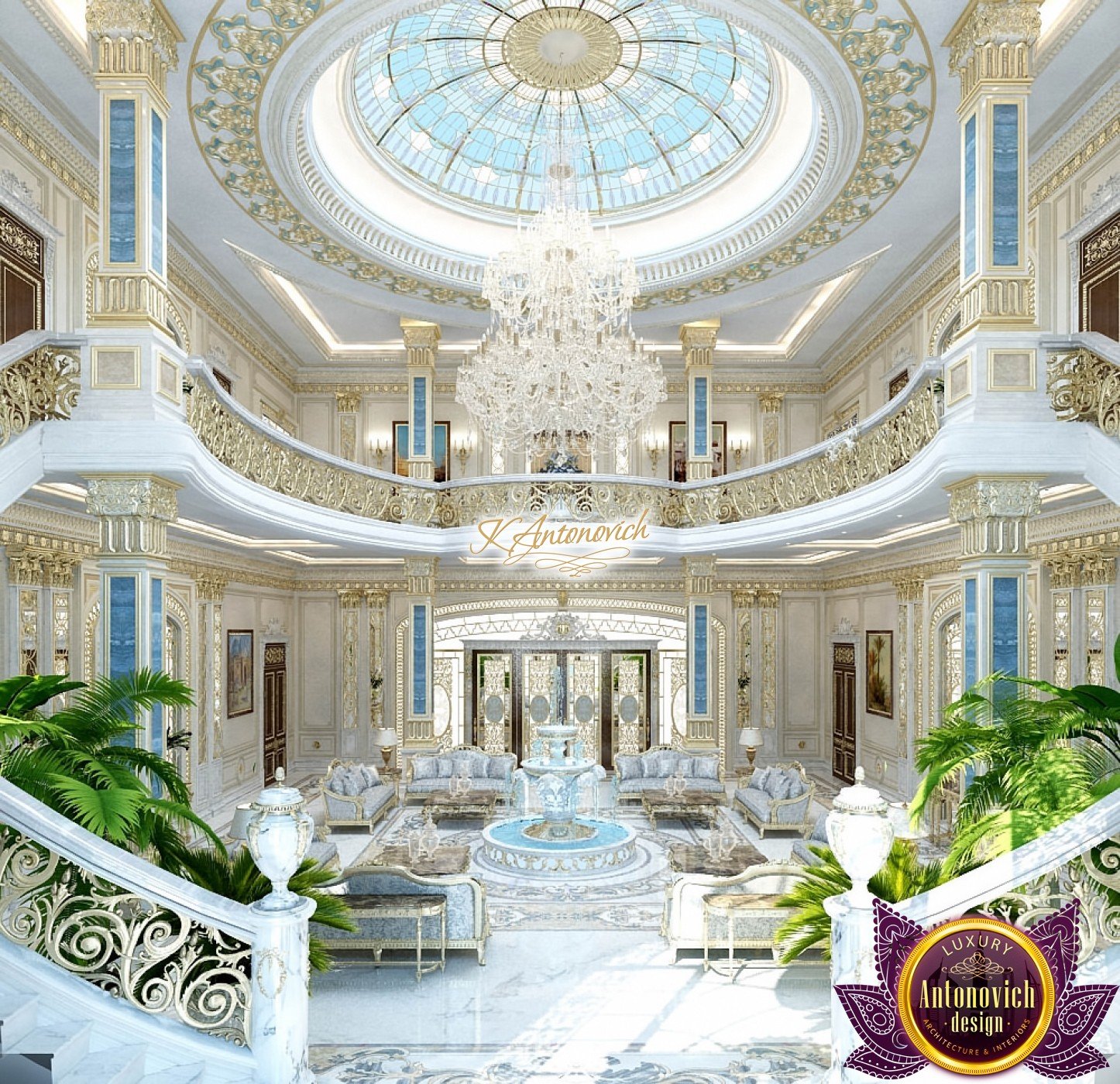
Source: antonovich-design.ae
Symmetry, scale, and a restrained palette turn a large room into a regal one.
A royal room has a clear hierarchy. Your eye knows where to land first — usually a fireplace, a symmetrical seating group, or one standout piece of furniture. That sense of order is what separates “royal” from merely “fancy.” Professional designers often start from how a room will actually be used, following the same user-driven process the American Society of Interior Designers teaches: function first, aesthetic second.
Symmetry and Scale
Symmetry is the fastest route to a regal feel. Matching sofas, identical lamps, or a pair of armchairs flanking the fireplace creates instant, calm balance. Scale matters just as much. Oversized pieces in a large room feel intentional; undersized pieces feel lost. Give the sofa enough presence, leave clear walkways, and let the architecture show.
Quality Over Quantity
A royal room contains a hundred meaningful details, not a thousand random objects. If you can afford one solid-wood coffee table rather than two cheap veneer ones, choose the one. In practice, a common mistake is buying entire furniture sets with the same finish. Real royal rooms mix metal, wood, stone, and upholstery so the space feels layered rather than showroom-sterile.
Color, Materials, and Textiles

Source: made-in-china.com
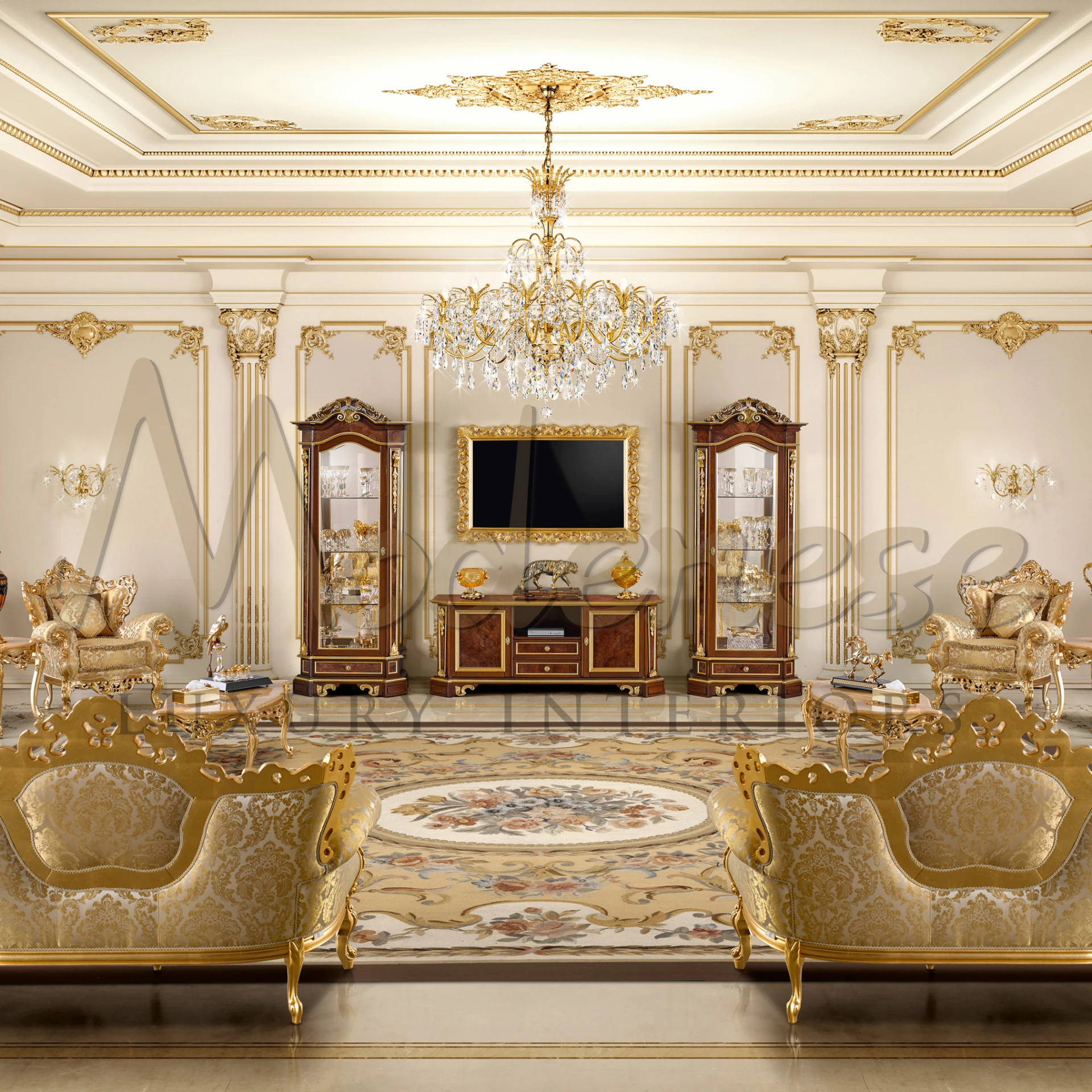
A gilded sofa with deep upholstery anchors the palette in this classic royal lounge.
Color does most of the heavy lifting in a royal interior. The 2026 take on this palette is softer than the old high-gloss palace look: deep forest green, burgundy, midnight blue, warm taupe, ivory, and champagne gold. Bold color belongs in accents — cushions, a single armchair, artwork. Large surfaces stay calm so the room never feels busy.
The Royal Palette
- Deep jewel tones: emerald, sapphire, amethyst, oxblood.
- Warm neutrals: ivory, cream, oat, greige, taupe.
- Metallics: champagne gold, brass, bronze — used as trim, lighting, and small objects, not all-over finishes.
If you want to build a room around metallic accents, a guide on gold-accent living rooms shows how to use them with restraint.
Textiles That Carry the Luxury
Velvet remains the quickest way to make a sofa feel royal, but it is not the only option. Silk-blend drapery, heavyweight linen, chenille, leather, and dense woven wool all read as luxurious when the fabric is substantial and well tailored. Use pattern strategically: a damask wallcovering, a striped accent chair, or a subtle floral bolster. When every surface is patterned, even expensive furnishings start to look cluttered.
Hard Materials and Finishes
Marble, dark oak, walnut, brass, and inlaid stone add permanence. Use them in places you touch daily: the coffee table top, the mantel, lamp bases, door hardware. Honed matte finishes feel more modern and more livable than high-gloss lacquer.
Furniture and Layout
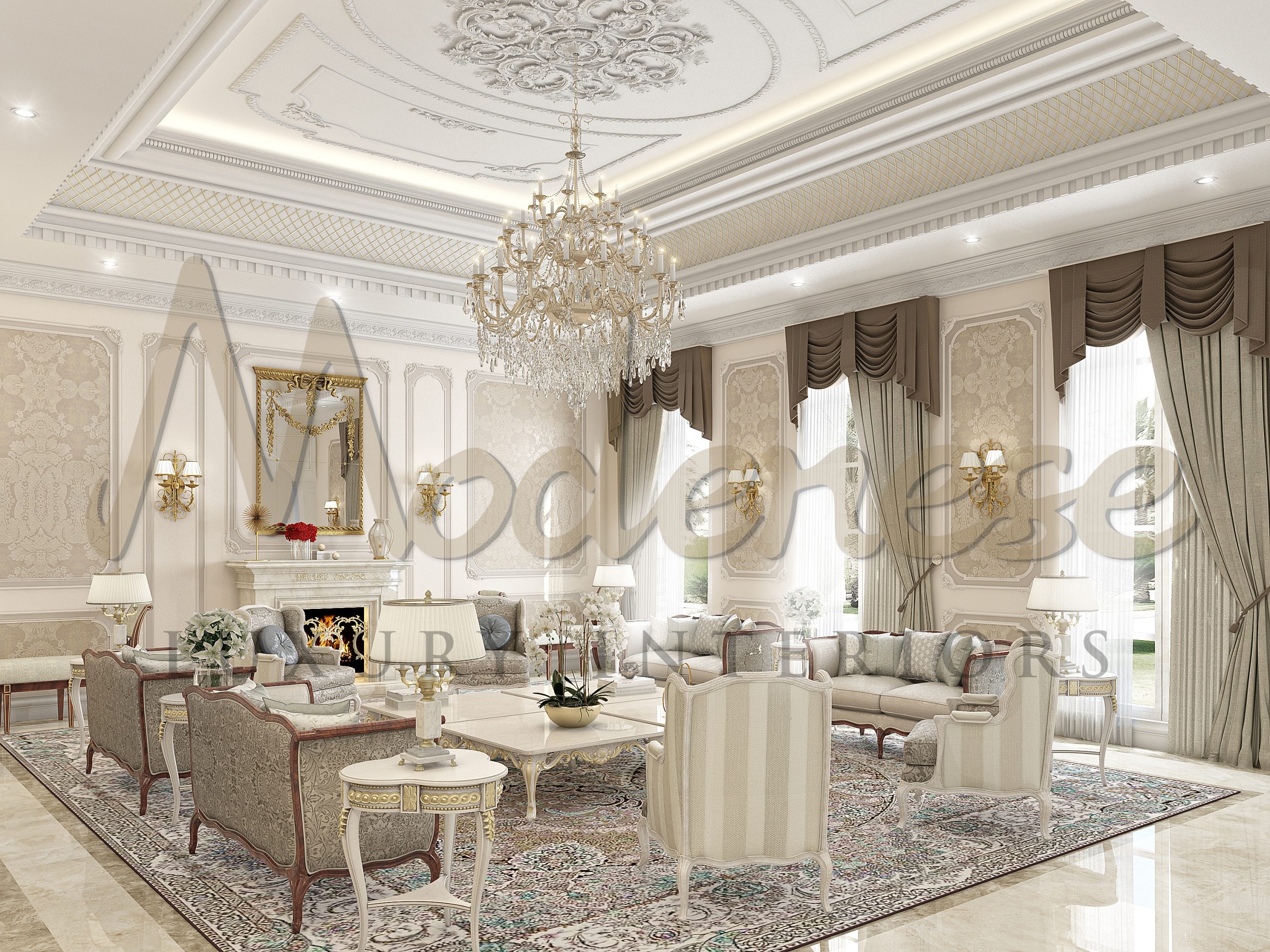
Source: modenesefurniture.com
Formal seating arranged for conversation keeps the room welcoming, not stiff.
Furniture should feel confident. A tufted or channel-back sofa in velvet or linen becomes the anchor. Add a pair of wingback chairs, a carved wood chair, or a generous upholstered bench. In a royal room, seating encourages conversation: sofas face chairs, and tables sit within easy reach of every seat.
Plan the Layout in Zones
Create a main conversation zone, a reading corner, and a secondary seating spot near a window or fireplace. Use area rugs to define each zone, and make sure the rug is large enough to hold at least the front legs of every piece — ideally all four. In practice, many rooms fail because the rug is too small, which makes the furniture arrangement feel scattered.
If the sofa doubles as a guest bed, protect it with quality layers; extra comfort layers make a pull-out sofa far more welcoming. And if overnight guests are part of the plan, remember that side sleepers need support that aligns the spine rather than a sagging cushion.
Choose Pieces in Proportion to the Room
Whatever the room size, buy furniture in proportion to the architecture. A twelve-foot ceiling needs taller furniture and larger art than an eight-foot ceiling. A wide sofa should be balanced by a long console or sideboard across the room. Leave a clear path from every doorway to the seating area.
Lighting and Ceiling Details

Source: architizer.com
A chandelier works best when accent lighting is layered around it.
Royal rooms are lit in layers. The chandelier is the crown, but it is not enough by itself. Sconces, table lamps, picture lights, and floor lamps each add a pocket of warm light, and dimmers are essential for shifting the room from daytime gathering to evening calm.
Today, the most elegant lighting is also efficient. Choose warm-white LEDs in the 2700K–3000K range; the Department of Energy offers straightforward guidance on choosing bulb brightness and color. Warm light makes wood, velvet, and skin tones look richer.
Use Three Layers of Light
- Ambient light: the chandelier, flush mounts, or uplights.
- Task light: reading lamps, adjustable floor lamps, and table lamps for card or document work.
- Accent light: picture lights, wall sconces, and small spots aimed at art or architectural details.
Position lamps low enough to cast light across a face rather than glare from above. In a formal room, warm pools of light are far more welcoming than a single bright ceiling source. Light changes how a room feels at the end of the day, which is why the same principles show up in bedroom atmosphere guides.
Ceiling Details Add Instant Character
Coffered ceilings, plaster mouldings, decorative ceiling medallions, and even simple crown moulding give a room architectural credibility. If your ceilings are plain, add panel moulding, wainscoting, or a painted ceiling treatment before investing in new furniture. Paint the ceiling a soft cream, pale gold, or off-white to reflect light and make the room feel taller.
Walls, Floors, and Architectural Elements
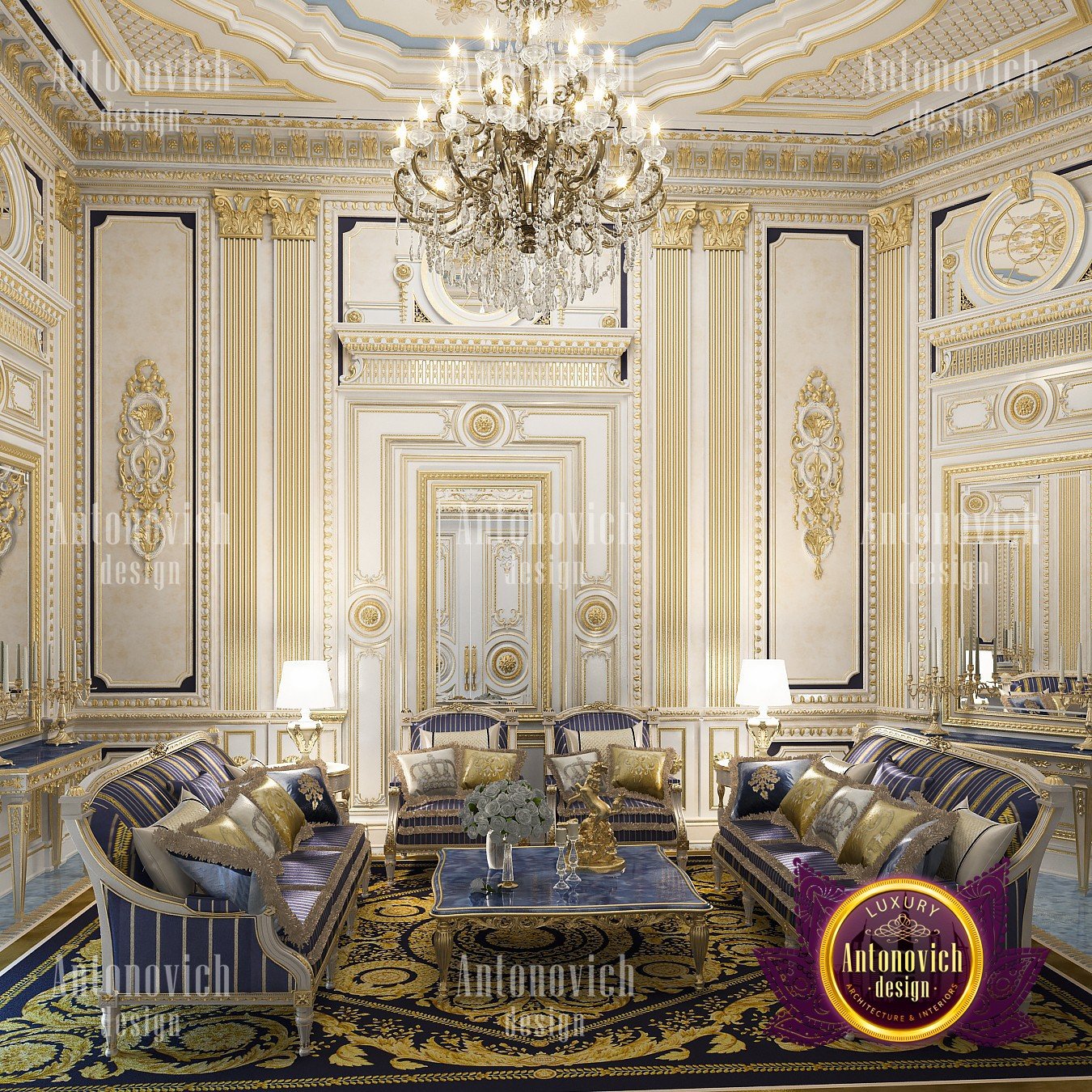
Source: antonovich-design.ae
Wall mouldings and a marble fireplace give the room long-term character.
Walls are the backdrop for royal furniture, but they don’t have to be plain. Wainscoting, panel moulding, wallpaper with a subtle silk or metallic sheen, and even painted vertical stripes can make a room feel taller and more deliberate.
Wall Treatments That Work
- Wainscoting or raised panel moulding.
- Grasscloth or textured wallcoverings in neutral tones.
- A large mirror over the mantel to reflect light.
- Artwork in gilded or dark wood frames, hung at eye level.
Flooring That Anchors the Room
Bare floors should feel substantial: wide-plank wood, polished limestone, marble, or traditional parquet. If replacing the floor isn’t possible, cover most of it with a properly scaled rug. The rug should echo the palette and be thick enough to feel good underfoot.
The Fireplace as a Focal Point
A fireplace is the natural heart of a royal living room. If you have one, make the surround and mantel the most considered part of the room: marble, carved stone, or dark wood. When the fire isn’t burning, style the hearth with candles, a stack of books, or a single sculptural piece. A mantel that looks good almost empty is a sign of disciplined editing.
Accessories, Art, and Styling
Source: modeneseinteriors.com
Odd-numbered groups of objects feel intentional rather than cluttered.
Accessories should look selected, not collected. A few sculptural objects, a stack of oversized art books, and no more than three framed works on one wall are usually enough. Group objects in odd numbers with varied heights, and use trays to gather small pieces so they read as one composition.
When you are choosing decorative objects, quality matters more than quantity. A practical checklist for choosing luxury home goods helps you avoid pieces that photograph well but disappoint in daily use.
Mirrors and Art
A large ornate mirror above the fireplace is the classic royal gesture. It multiplies light and gives the room depth. Place art at eye level, and keep frames consistent in color or style. If the room has several windows, hang a mirror on the wall opposite them to bounce brightness back through the space.
Styling Rules That Age Well
Fresh flowers or a sculptural green plant soften the formality. Rotate textiles and small accents by season: heavier velvet cushions in winter, lighter linen and brighter greens in spring. This small habit keeps a royal room from feeling like a museum.
Budgeting and Practical Tips

Source: nobili-design.com
Invest in the sofa and light fixture first; accessories can be added gradually.
The royal look is achievable at several price points if you accept that a few pieces matter more than everything else. The sofa, the rug, and the main light fixture set the tone, so spend there first. Accessories, side tables, and window panels can be budget-conscious without compromising the room.
Where to Splurge and Save
- Splurge: sofa, area rug, chandelier, fireplace surround, and any piece you touch daily.
- Save: accessories, mirror frames, occasional chairs, and drapery made from solid linen blends rather than silk.
Mix high and low with confidence. An investment chandelier can sit above a second-hand console that has been painted and re-polished. In practice, a refurbished thrift piece often becomes the most-commented element in the room because it has a story.
Think Long Term
Choose durable materials and neutral base pieces. You can change pillows and artwork seasonally, but the sofa, rug, and lighting should last for years. If you are also furnishing a guest area in the same home, budget for a bed that will hold up; mattress pricing guidance explains what quality actually costs.
Step-by-Step Royal Living Room Design Plan
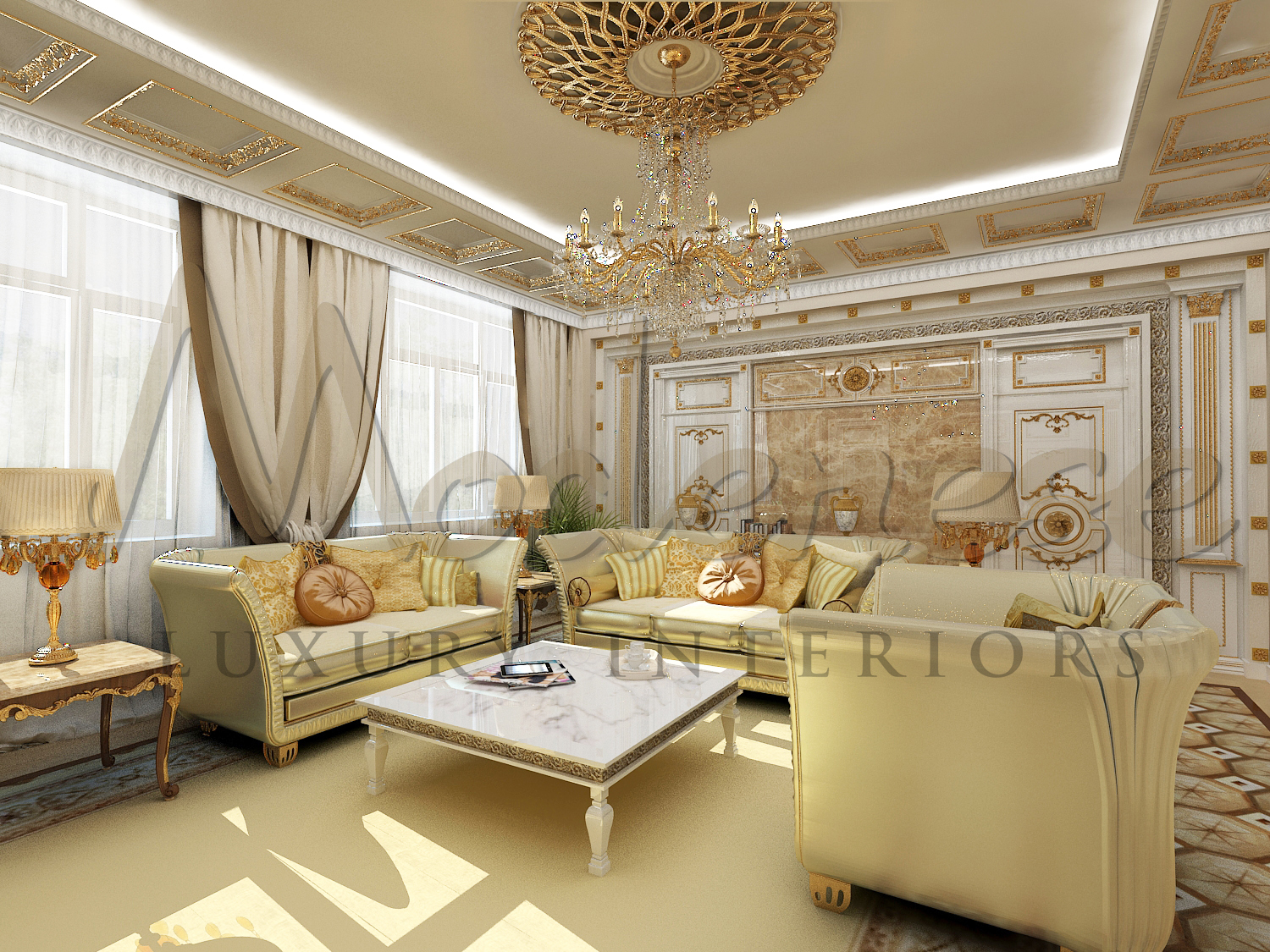
Source: modeneseinteriors.com
Measure the room and sketch a floor plan before ordering large furniture.
Use this plan in order. It prevents the most common mistake: buying furniture before the layout and lighting are planned.
- Measure and document. Record room dimensions, ceiling height, windows, doors, electrical points, and the main architectural focal point.
- Define how you will use the room. List the activities — conversation, reading, entertaining, television — and choose one primary focal point.
- Build a palette and mood board. Pick one main color, one neutral, and one metallic. Collect paint chips and fabric samples before buying anything.
- Select the hero piece. This should be the sofa or the chandelier — the item everything else supports.
- Plan layout and scale. Sketch zones on graph paper or use a simple design app. Check walkway widths and sightlines.
- Layer textiles and lighting. Add the rug, drapery, floor lamps, table lamps, and dimmers.
- Add architectural detail. Install mouldings, wainscoting, or a painted ceiling treatment where the budget allows.
- Curate accessories. Place art, mirrors, and objects in odd-numbered groups with height variation.
- Live in the room for two weeks, then refine. Adjust lighting positions, move accessories, and swap accents that don’t earn their place.
Common Mistakes to Avoid
Even with good taste, a royal room can go wrong. These are the patterns I see most often:
- Overdoing ornamentation. Too many ornate pieces compete for attention. Pick a few focal elements and let the rest stay quiet.
- Ignoring scale. Small furniture in a large room looks apologetic, not elegant.
- Relying on a single light source. A chandelier without lamps or sconces leaves the edges of the room in shadow.
- Buying a matching set. A full matched furniture collection can feel like a hotel lobby. Mix styles and eras for personality.
- Using a rug that is too small. The front legs of each seating piece should sit on the rug.
- Avoiding contrast. Royal rooms need both light and dark, old and new, soft and hard materials.
Royal Styles Within the Broader Look
Royal style is not one period. Most successful rooms borrow from two or three of these directions:
- Baroque: dramatic curves, gilded wood, marble, and bold contrast.
- Neoclassical: clean symmetry, columns, restrained mouldings, and classical motifs.
- Hollywood Regency: lacquered walls, black-and-white palettes, tufted velvet, and mirror accents.
- English Country Royal: layered florals, chintz, worn leather, and warm wood.
Once you know which substyle attracts you, it becomes easier to choose furniture, finishes, and lighting that work together instead of piling up unrelated grand gestures.
Scaling Down: Royal Style for Small Living Rooms
A compact room can still feel royal if the proportions are disciplined. Use one bold feature: a sculptural chair, a large mirror, or a dramatic chandelier. Keep walls light and use dark tones in small doses. Choose furniture with visible legs so sightlines stay open, and hang curtains from ceiling to floor to make the walls feel taller.
Small royal rooms need fewer objects, not smaller ones. One substantial coffee table, one generous sofa, and one oversized piece of art will make more impact than many small pieces scattered around the room.
Frequently Asked Questions
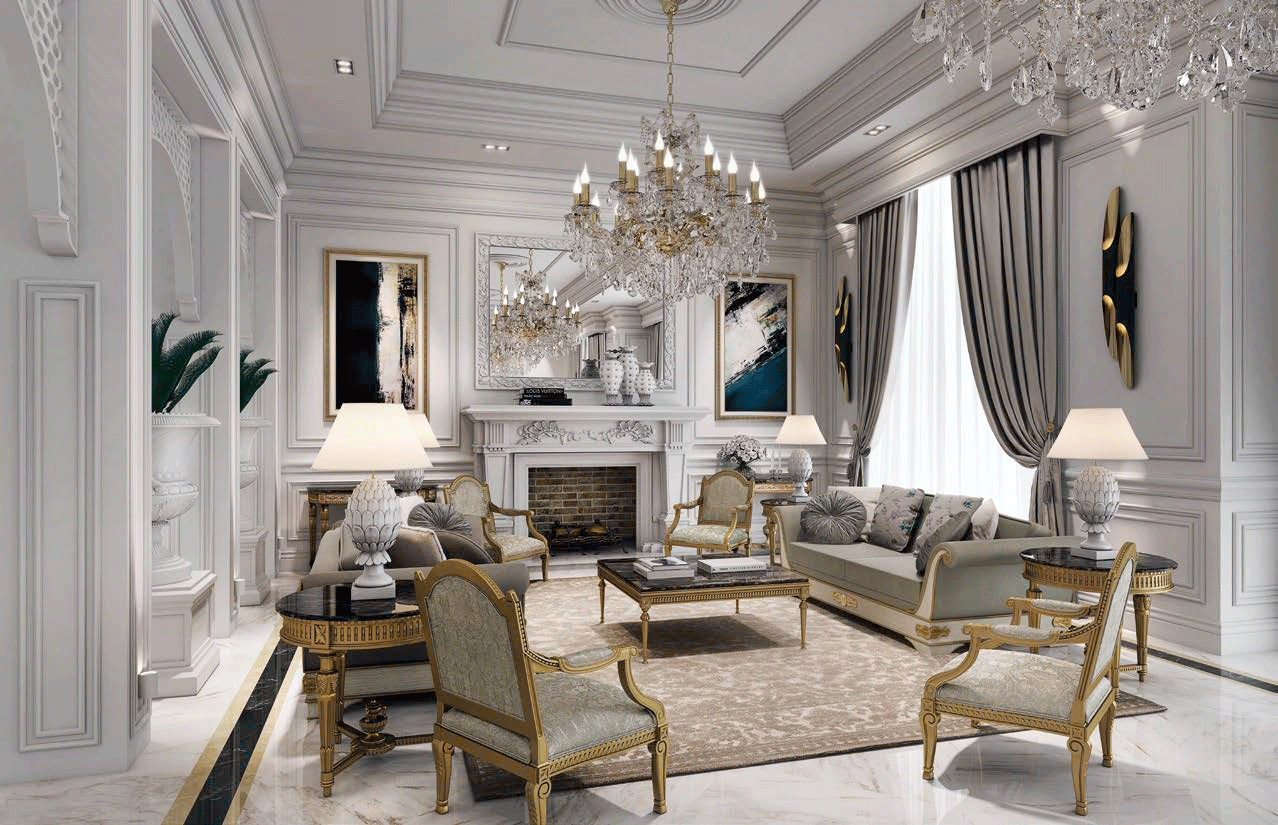
Source: bravofurniture.net
Even a compact royal room can feel grand with the right proportions and lighting.
What defines a royal living room design?
A royal living room design uses symmetry, scale, rich materials, and edited accessories. It feels formal but livable, with a clear focal point, layered lighting, and a calm, deliberate color palette.
Can a small room feel royal?
Yes. Use a limited palette, fewer but larger pieces, vertical details, and mirrors to create a sense of height and space.
What colors work best for royal living rooms?
Deep jewel tones, warm neutrals, and soft metallics. Use bold color in accents and keep large surfaces relatively neutral for balance.
How do I choose a chandelier for a royal living room?
Match it to the room’s scale and ceiling height. The fixture should hang above eye level, clear sightlines, and complement the metal finishes used on hardware, picture frames, and lamp bases.
Is velvet necessary for a royal look?
No. Velvet is common, but high-quality linen, silk blends, leather, or textured wool can also read as luxurious. Fabric density and tailoring matter more than the specific fiber.
How important is symmetry in royal living room design?
Symmetry creates calm and formality, but it is not mandatory. A single asymmetrical accent — a round mirror against rectangular panelling, or an angled armchair — adds life without breaking the balance.
Conclusion
Royal living room design is not about filling space; it is about giving a room an unmistakable sense of order. Start with a clear plan, invest in a few pieces that carry the room, and edit everything else down to what earns its place.
If you are ready to begin, take one concrete step: measure the room, draw a simple floor plan, and photograph the space in natural light. That twenty-minute exercise will make every later decision easier. And if you want to carry the same calm-luxe feeling into the rest of your home, browse our latest home styling articles for more ideas.

Daniel Hart is a consumer product analyst who specializes in mattress technology, smart bedding, and home comfort innovation. Before joining Royal Comport, Daniel worked with several e-commerce research teams, testing and comparing sleep products for quality, value, and long-term performance. He brings data-driven insight and real-world testing to every review he writes.


