

Sewing sofa cushions is easy with basic tools, simple measurements, and step-by-step sewing.
I’ve sewn dozens of sofa cushions for homes and clients, so I know what works. This guide shows you how to sew sofa cushions from planning to finishing. You will learn tools, materials, cutting, sewing seams, installing zippers, stuffing, and care. I’ll share real-life tips, common mistakes, and quick fixes so you can complete a polished cushion that fits your sofa and style.
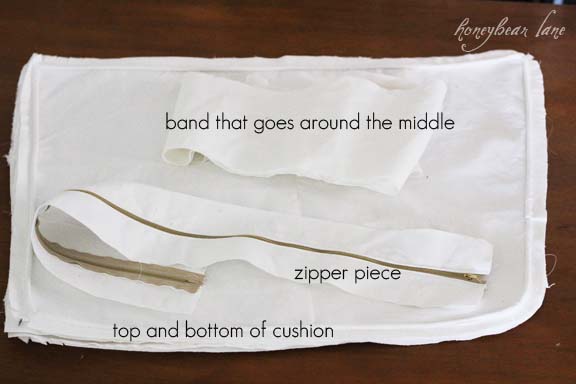
Tools and materials you need to sew sofa cushions
To sew sofa cushions well, start with the right tools. Here are the essentials you will use again and again.
- Heavy-duty sewing machine capable of handling upholstery fabric.
- Upholstery or heavy-duty needles and thread.
- Measuring tape, ruler, and tailor’s chalk.
- Scissors or rotary cutter and cutting mat.
- Zippers (invisible or regular), Velcro, or piping as desired.
- Foam cushion inserts or batting and polyfill for fill.
- Seam ripper and pins or clips.
I prefer a heavy-duty machine and 90/14 needles. They make sewing thick seams easy. If you use canvas or denim-like fabric, test a scrap first to set tension and stitch length.
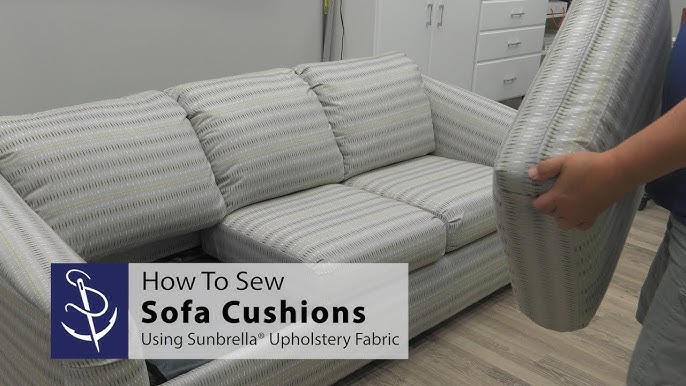
How to measure and plan cushion covers
Good cushions start with accurate measurements. Measure twice and cut once.
- Measure the foam: width, depth, and height. Record each dimension.
- Add seam allowance: typically 1/2 inch for each seam. Add 1 inch total to height for turning and zipper allowance.
- Decide on style: fully removable cover, envelope back, or zippered cover.
- Choose fabric with enough yardage and pattern matching if needed.
I always place the foam on the fabric and mark corners with chalk. This helps me visualize pattern direction and avoid mistakes. For patterned fabric, align repeat and symmetry before cutting.
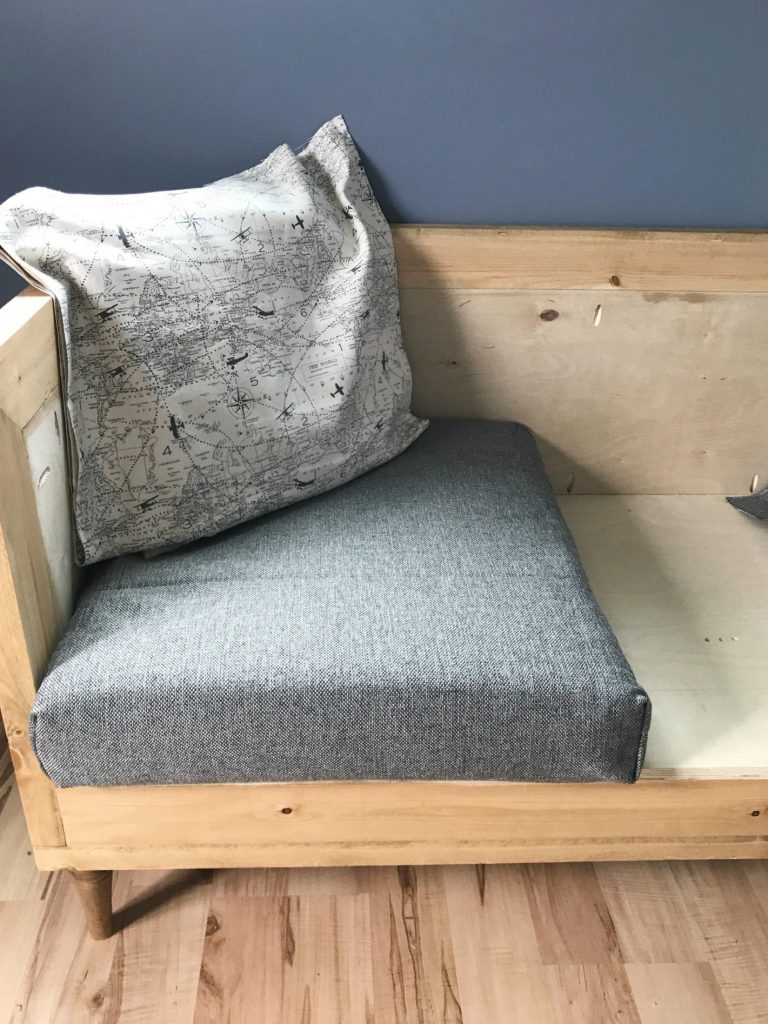
Cutting fabric for cushion covers
Cutting accurately makes sewing smoother and results neater cushions.
- Lay fabric flat and smooth. Use weights to prevent shifting.
- Mark panels: front, back, and side (gusset) pieces for box cushions.
- Cut with sharp scissors or a rotary cutter. Keep edges straight.
- Label pieces with chalk to avoid assembly errors.
For a box cushion, you will cut five pieces: top, bottom (optional), and four sides. For a simple pillow style, cut two identical panels. I like to cut slightly larger pieces, then trim after test fitting.

Sewing seams and corners to create a clean shape
Sewing strong seams and crisp corners gives cushions a professional look.
- Pin or clip panels together with right sides facing.
- Sew seams with a 1/2 inch seam allowance. Use long stitches for heavy fabric.
- Press seams open or to one side for a flat finish.
- For box corners, box the corners by matching side seams and sewing across the corner square.
When sewing thick seams, go slowly and use the machine’s walking foot if available. Backstitch at the start and end of each seam to secure stitches. Test stitch on scraps to set the right stitch length.

Installing zippers, closures, and piping
A zipper makes cushions easy to remove and wash. Piping adds a tailored detail.
- Zipper installation: Place zipper with right side of zipper to right side of cushion opening. Baste, then stitch with a zipper foot for close stitching.
- Envelope back: Overlap two back pieces for a zipper-free removable cover.
- Piping: Cut piping cord and fabric strip. Wrap and stitch piping into the seam before joining panels.
I once installed a zipper upside down on a set of cushions. I removed it and reinforced the seam with interfacing before reattaching. A basting stitch saves time and hassle.
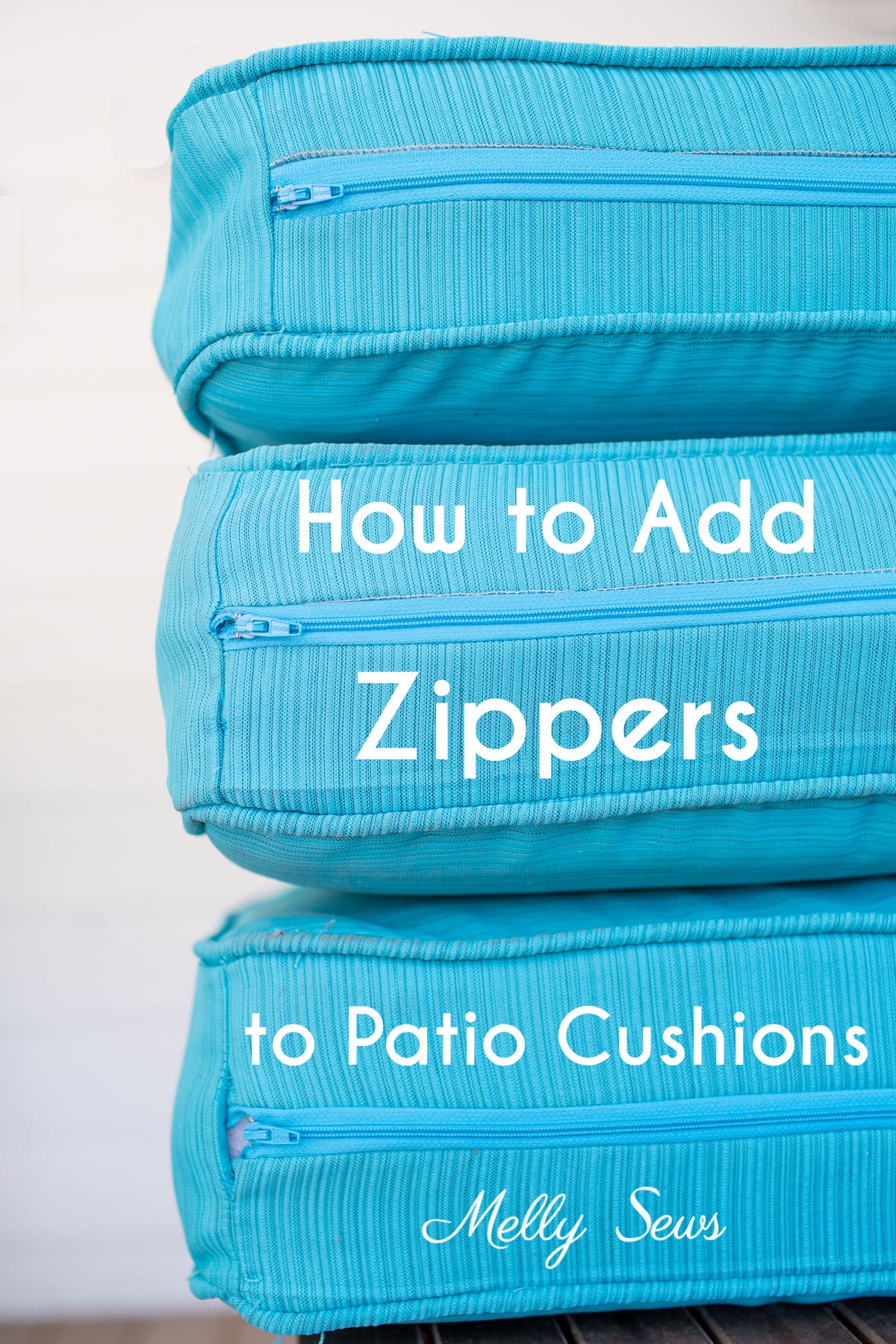
Filling and inserting foam or batting
How you fill cushions affects comfort and shape retention.
- Foam inserts: Choose high-resilience foam for sofa cushions. Cut to size with an electric knife or serrated blade.
- Batting/wrap: Wrap foam in polyester batting for a softer edge and to prevent fabric abrasion.
- Loose fill: Use polyfill for toss cushions. Stuff evenly and test firmness.
When inserting, turn the cover right side out and ease the foam in through the zipper. Use a rolling motion to compress foam. For a snug fit, trim foam slightly rather than over-stretching fabric.
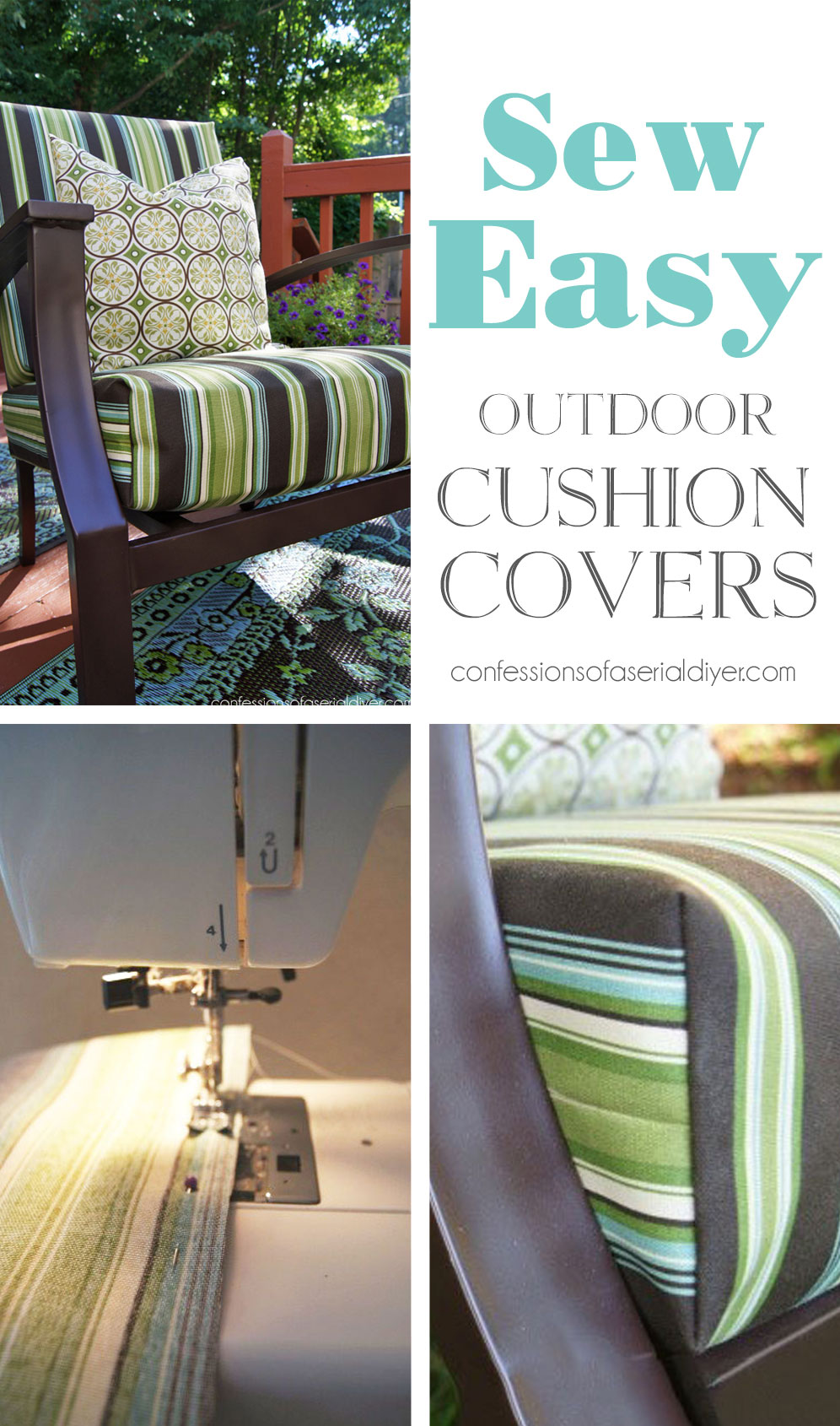
Finishing touches and quality checks
Small details make cushions look custom-made and last longer.
- Trim excess threads and reinforce corners if needed.
- Topstitch around openings for a crisp edge.
- Test fit on the sofa and check alignment of patterns.
- Pre-wash removable covers if fabric allows to prevent shrinkage later.
I always run covers through one gentle wash before using them on dining or outdoor sofas. It helps fabric relax and ensures any shrinkage happens before installation.

Troubleshooting common problems
Here are quick fixes for issues you may face while you sew sofa cushions.
- Fabric puckering: Increase tension or use longer stitch length and stabilizer.
- Zipper bunching: Re-baste zipper and use a dedicated zipper foot.
- Corners not sharp: Trim seam allowance and press before turning.
- Foam too tight: Trim foam slightly and re-test for fit.
Most problems come from rushing or skipping a test stitch. Slow down, test your settings, and you will save time.
Care and maintenance for homemade cushion covers
Proper care keeps your cushions looking new and clean for years.
- Check care label and follow fabric-specific cleaning instructions.
- Spot clean spills immediately using a mild detergent and cold water.
- Remove covers for washing when possible. Air-dry or tumble dry low if fabric allows.
- Rotate cushions regularly to even out wear and sun exposure.
If a cushion loses shape, add a thin batting layer or replace foam. Proper care prolongs both foam life and fabric color.
Frequently Asked Questions of How to sew sofa cushions
What type of fabric is best to sew sofa cushions?
Choose a durable, tightly woven fabric like upholstery fabric, canvas, or heavy cotton. Pick fabrics with rub count suitable for frequent use.
How much seam allowance do I need to sew sofa cushions?
Use a 1/2 inch seam allowance for standard seams. Add extra if you plan to topstitch or install piping.
Can I use a regular sewing machine to sew sofa cushions?
Yes, a regular machine can work if it handles heavy fabric and you use heavy-duty needles. A walking foot helps with thick seams.
How do I make a cushion cover removable for washing?
Install a zipper or make an envelope back. Zippers give the cleanest look and easiest removal.
How do I avoid baggy cushion covers?
Measure your foam accurately and add minimal ease. Trim foam slightly if covers feel loose rather than stretching the fabric.
Conclusion
Sewing sofa cushions is a rewarding project you can finish in a day or over a weekend. Measure carefully, choose sturdy materials, and take your time with seams and zippers. Use test stitches, backstitch for strength, and wrap foam in batting for a smooth look. Start with one cushion and apply what you learn to the rest of your sofa. Try a small practice cushion first, then upgrade your whole seating set. If you enjoyed this guide, leave a comment, share a photo of your finished cushion, or subscribe for more sewing projects and tips.

Daniel Hart is a consumer product analyst who specializes in mattress technology, smart bedding, and home comfort innovation. Before joining Royal Comport, Daniel worked with several e-commerce research teams, testing and comparing sleep products for quality, value, and long-term performance. He brings data-driven insight and real-world testing to every review he writes.


