

Is your sofa feeling less comfy than it used to? Over time, the foam inside your cushions can lose its shape and support, making your favorite seat less inviting.
But here’s the good news: you don’t have to buy a new sofa. You can easily replace the foam yourself and bring back that fresh, cozy feeling. In this guide, you’ll discover simple steps to replace foam in your sofa cushions, saving money and giving your living space a quick refresh.
Ready to make your sofa feel brand new again? Let’s get started!

Credit: www.amazon.com
Tools And Materials Needed
Replacing foam in sofa cushions needs the right tools and materials. Having these ready makes the task easier and faster. You will get better results with proper preparation. Below are the key items to prepare before starting.
Selecting The Right Foam
Choose foam that fits your sofa cushion size. Measure the old foam for accurate sizing. Foam comes in different densities. Higher density foam lasts longer and feels firm. Lower density foam is softer but wears out fast. Pick foam based on comfort and durability needs. Memory foam offers good support but costs more. Polyurethane foam is common and affordable. Cut foam to match cushion shape and size exactly.
Additional Supplies
Gather scissors or an electric knife for cutting foam cleanly. Use a tape measure to ensure correct foam dimensions. Have a marker or pen to mark cutting lines on foam. Sewing needles and strong thread help close cushion covers after foam replacement. A staple gun may be needed for reattaching fabric parts. Gloves protect your hands from foam dust. Vacuum cleaner removes foam bits and dust from your work area.
Removing Old Foam
Removing old foam from sofa cushions is the first step in giving your sofa new life. This process ensures you create a clean space for fresh foam. Proper removal helps maintain the cushion’s shape and comfort. Take your time to avoid damaging the cushion cover or inner lining.
Accessing The Cushion Cover
Start by locating the zipper or opening on the cushion cover. Some covers have hidden zippers along the seams. If there is no zipper, you may need to carefully cut the stitches. Use small scissors or a seam ripper to avoid tearing the fabric. Gently pull the cover apart to reveal the foam inside.
Taking Out The Worn Foam
Once the cover is open, remove the old foam slowly. It may be stuck to the cover or other materials inside. Pull the foam out in one piece if possible. If the foam is torn or crumbling, clear out the pieces carefully. Dispose of the old foam properly before inserting new material.
Measuring And Cutting New Foam
Replacing foam in sofa cushions starts with measuring and cutting new foam properly. This step ensures the foam fits perfectly and feels comfortable. Accurate measurements and clean cuts prevent wasted material and uneven cushions.
Taking Accurate Measurements
First, remove the old foam from the cushion cover. Use a tape measure to find the length, width, and thickness of the old foam. Measure each side carefully. Write down the numbers. Double-check measurements to avoid mistakes. If the foam is damaged or misshapen, measure the cushion cover instead. Add a small margin for a snug fit.
Cutting Techniques For Foam
Use a sharp knife or electric foam cutter for clean edges. Place the foam on a flat surface. Mark the measurements on the foam with a pen or chalk. Cut slowly along the lines, keeping the blade straight. Avoid sawing motions that tear the foam. Use a ruler or straight edge as a guide. Trim any rough edges for a smooth finish.

Credit: foamonline.com
Inserting New Foam
Inserting new foam into sofa cushions is a key step to refresh their comfort and support. It involves placing the foam carefully inside the cushion cover. This process ensures the cushion keeps its shape and feels soft yet firm. Proper insertion helps the cushion last longer and look neat.
Fitting Foam Into Cushion Cover
Start by turning the cushion cover inside out. Gently slide the new foam inside the cover. Push the foam slowly to avoid tearing the fabric. Make sure the foam reaches all corners. Smooth out any wrinkles or folds in the cover. The foam should fit snugly without stretching the fabric too much.
Ensuring Proper Shape And Comfort
After placing the foam, close the cushion cover zipper or sew it shut. Press the cushion lightly to spread the foam evenly. Check if the cushion feels balanced and soft. Adjust the foam if you find lumps or empty spots. The cushion should hold its shape and feel comfortable to sit on.
Sealing And Finishing Touches
Sealing and finishing touches give your sofa cushions a clean, polished look. This step ensures the foam stays inside and the cushion looks neat. Proper sealing prevents the foam from shifting or falling out during use. It also helps maintain the cushion’s shape and comfort over time.
Closing The Cushion Cover
Start by carefully folding the cushion cover edges. Align the fabric smoothly to avoid wrinkles. Use a strong needle and thread for hand sewing. Stitch along the opening with small, tight stitches. Keep the seam straight and secure to prevent gaps. If the cover has a zipper, zip it up slowly. Make sure the zipper moves smoothly without catching the fabric.
Fluffing And Adjusting
After sealing, give the cushion a good fluff. Press and shake it to spread the foam evenly. Check for lumps or uneven spots. Adjust the foam by pushing it into corners and edges. This step helps the cushion regain its shape. Fluffing also makes the cushion feel soft and inviting. Repeat the process until the cushion looks full and smooth.
Maintenance Tips
Proper care helps keep your sofa cushions comfortable and fresh. Maintenance protects the foam and extends its life. Small habits make a big difference.
Extending Foam Life
Rotate cushions often to spread out wear evenly. Avoid sitting in one spot for too long. Use cushion covers to protect foam from dirt and sweat. Keep cushions dry and away from sunlight. Heat and moisture damage foam quickly.
Regular Cushion Care
Fluff cushions daily to keep foam soft and full. Vacuum cushions to remove dust and debris. Clean spills immediately to avoid stains. Use mild cleaners safe for foam. Air cushions outside occasionally to reduce odors and moisture.
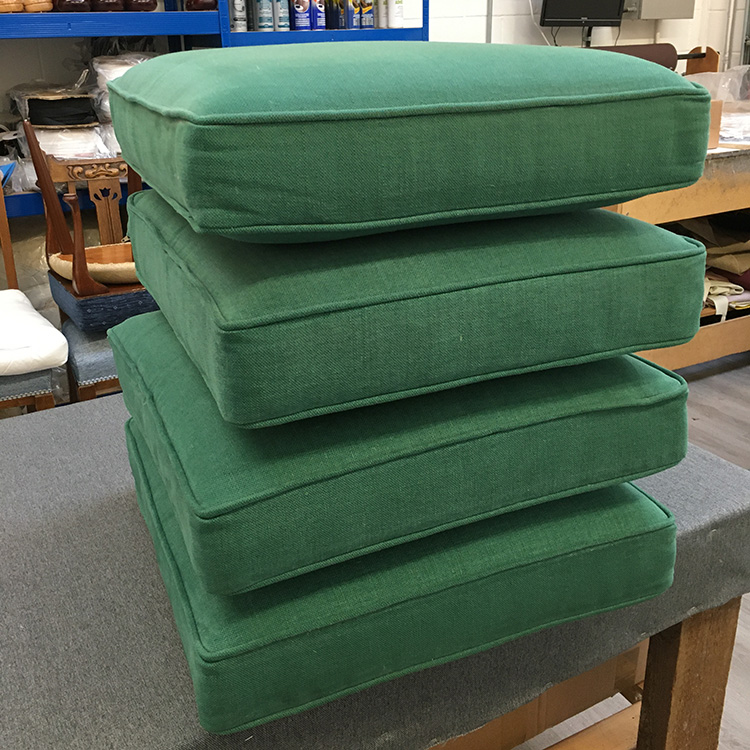
Credit: nour-eg.com
Frequently Asked Questions
How Do I Know When To Replace Sofa Cushion Foam?
You should replace foam when cushions feel flat, saggy, or lose support. Visible wear or lumps also indicate replacement time.
What Type Of Foam Is Best For Sofa Cushions?
High-density polyurethane foam is best for durability and comfort. It offers firm support and retains shape longer than low-density foam.
Can I Replace Sofa Foam Myself At Home?
Yes, replacing foam is a simple DIY task. Measure cushions, buy foam, cut to size, and insert into cushion covers.
How Do I Measure Foam For Sofa Cushions?
Measure cushion length, width, and thickness accurately. Buy foam matching these dimensions for a perfect fit and comfort.
Conclusion
Replacing foam in sofa cushions can refresh your old furniture quickly. The steps are simple and do not need special tools. Choose the right foam size and type for comfort and support. Cut the foam carefully to fit the cushion perfectly.
Secure the foam inside the cushion cover to avoid slipping. This small fix saves money and extends the sofa’s life. Enjoy a comfortable seat again without buying new furniture. Try it yourself and see how easy sofa cushion repair can be.

Daniel Hart is a consumer product analyst who specializes in mattress technology, smart bedding, and home comfort innovation. Before joining Royal Comport, Daniel worked with several e-commerce research teams, testing and comparing sleep products for quality, value, and long-term performance. He brings data-driven insight and real-world testing to every review he writes.


