

A sagging, lumpy sofa can make your entire living room feel tired—even if you bought that couch just a few years ago. The good news? Most flat cushions aren't ruined. They simply need a proper fluffing routine.
Learning how to fluff sofa cushions correctly does more than improve appearance. It redistributes filling, prevents permanent compression, and can add years to your sofa's life. This guide covers the exact techniques, tools, and maintenance habits that keep cushions looking and feeling like new—whether you have feather-filled, foam, or fiber-wrapped cushions.
Why Fluffing Matters More Than You Think
Fluffing is not just busywork. Every time you sit, the filling inside a cushion compresses under pressure. Over time, that compression becomes permanent if the material is never redistributed.
Benefits of Regularly Fluffed Cushions
- Even support: Redisributed filling prevents hard spots and pressure points.
- Better appearance: Plump cushions make a sofa look well-cared-for and inviting.
- Extended lifespan: Consistent fluffing slows down material breakdown, especially in foam and fiber fills.
- Improved comfort: A full cushion supports your posture better than a flattened one, which can reduce back strain.
When cushions stay flat, you might compensate by sitting awkwardly or adding extra pillows. That habit can lead to discomfort and even sleep disruption. In fact, your seating comfort is closely tied to your overall sleep quality and relaxation, so a supportive sofa matters more than you might expect.
Know Your Cushion Fill First
Different cushion types behave differently. Using the wrong fluffing method can damage the filling or fabric.
| Fill Type | Key Characteristics | Best Fluffing Method |
|---|---|---|
| Feather/down | Soft, moldable, clumps easily | Shake and beat vigorously; plump by hand |
| Polyester fiberfill | Lightweight, loses loft over time | Shake, knead, and steam occasionally |
| High-resilience foam | Firm, holds shape well | Flip and rotate; knead seams gently |
| Foam-wrapped fiber | Firm core with soft outer layer | Plump surface; avoid aggressive beating |
Quick Check: How to Identify Your Fill
Press your hand firmly into the cushion. If it springs back quickly and feels dense, it's likely foam. If it slowly regains shape or leaves a handprint, it's probably fiber or feather. This simple test tells you which technique to use.
Step-by-Step Fluffing Process for Every Cushion Type
1. Remove Cushions Properly
Lift the cushion by its center, not the edges or piping. Pulling on seams can stress stitching and cause premature wear. Place cushions on a clean, flat surface like a carpeted floor or a large towel.
2. Use the Shake and Beat Method
Hold the cushion by two corners and give it a firm shake. This loosens compressed filling and breaks up clumps. Then, using a closed fist or the flat of your hand, gently beat the cushion—imagine kneading bread dough. Work from the center outward.
3. Plump and Rotate
Press both palms into the cushion center and push the filling toward the edges. Flip the cushion and repeat. This evens out distribution. Then, turn the cushion over and repeat the entire process. Rotating cushions weekly also ensures even wear across all seating positions.
4. Hand Fluffing for Final Touch
Run your fingers through the surface, especially around seams where filling tends to bunch. This restores a smooth, even contour and catches any remaining clumps.
Tools and Accessories That Make Fluffing Easier
You don't need expensive equipment, but a few items genuinely help.
Essential Tools
- Your hands: The most effective tool for kneading and shaping.
- Vacuum with brush attachment: Removes dust and allergens before fluffing so you're not pushing dirt deeper into the fabric.
- Clean, flat surface: Protects fabric during fluffing.
Optional but Useful Additions
- Cushion fluffer or beater: Shakes and loosens dense filling quickly.
- Fabric brush: Smooths nap and removes surface lint.
- Handheld steamer: Kills dust mites and refreshes fabric while relaxing compressed fibers.
- Zippered cushion covers: Make access to the insert easy, allowing you to redistribute filling directly.
A vacuum with allergen filtration is also worth considering if allergies affect your sleep. Dust mites and pet dander collect in cushions, and regular vacuuming can significantly improve your indoor air quality and rest.

Use a firm kneading motion from the center of the cushion outward to redistribute filling evenly.
Credit: thetarnishedjewelblog.com
How Often Should You Fluff Your Cushions?
Frequency depends entirely on how much your sofa gets used.
- Daily-use family sofa: Fluff every day or two, plus a full rotation weekly.
- Occasional-use living room sofa: Fluff once a week.
- Sparingly used formal furniture: Fluff every two to three weeks.
A good rule of thumb: if you can see a visible indentation after someone stands up, it's time to fluff.
Troubleshooting Common Cushion Problems
Fixing Lumps and Unevenness
Lumps happen when the filling shifts to one side. Here's how to fix them:
- Unzip the cushion cover carefully.
- Remove the insert and lay it flat.
- Use your hands to break up clumps and spread the filling evenly.
- Shake the insert vigorously, then pat it back into shape.
- Reinsert and zip the cover closed gently.
For feather cushions with lost feathers, adding a small amount of new feather filling to a zippered inner casing can restore volume significantly.
Why Your Cushions Keep Going Flat
If cushions flatten within days of fluffing, the filling is degraded or underfilled. Foam loses resilience after roughly five to ten years of regular use. Fiberfill can compress permanently much sooner. In these cases, replacing the cushion inserts is the more cost-effective solution than buying a new sofa.
When to Replace Cushion Inserts
Replace inserts when:
- Cushions stay flat despite thorough fluffing
- You can feel the foam crumble or see visible tears
- Sitting causes you to sink to the frame
- The cushion no longer springs back after 30 seconds of pressure
Measure your existing inserts before buying replacements. Width, depth, and height all matter. A too-small insert will slip and wrinkle; a too-large one will strain the seams. If you're not sure about the right cushion firmness for your needs, reviewing options for different body types can help you match support levels to how you sit.
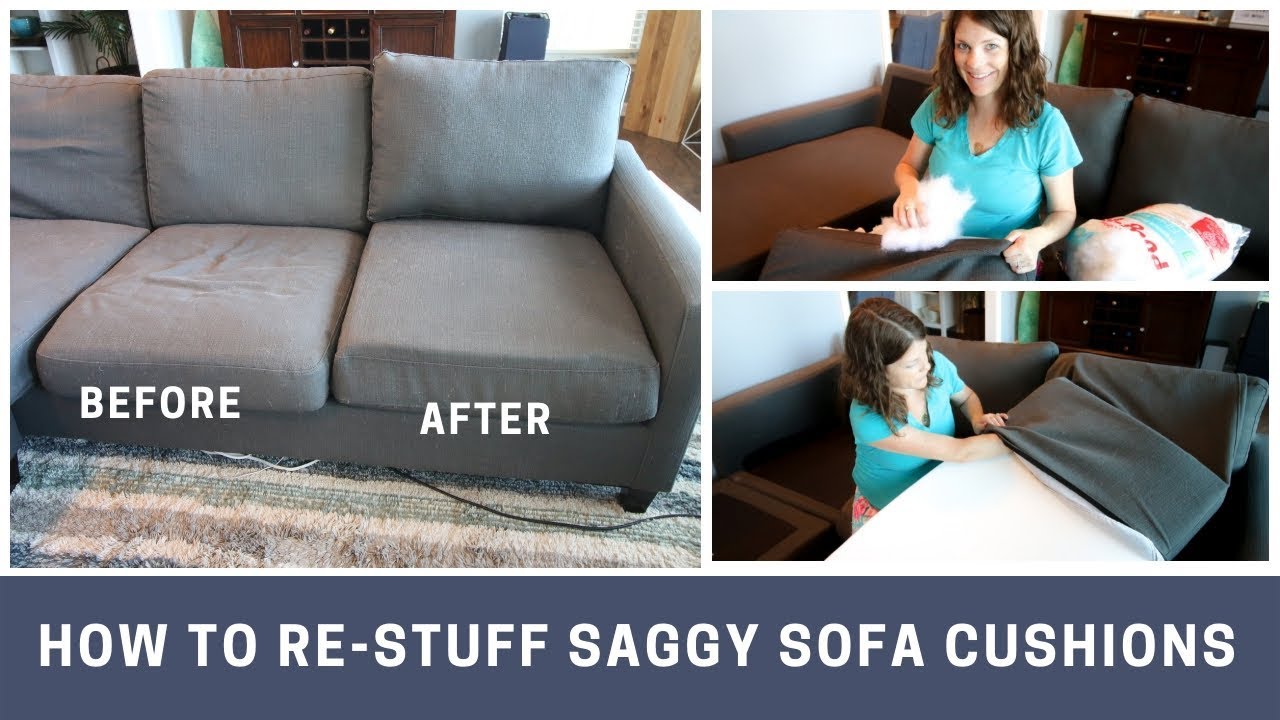
Compare a compressed cushion (left) with a properly fluffed one (right) to see the difference in height and shape.
Credit: www.youtube.com
Long-Term Cushion Maintenance
Fluffing keeps cushions looking good, but prevention keeps them that way longer.
Daily Habits That Protect Your Cushions
- Plump cushions each morning: A 10-second pat after getting up prevents long-term compression.
- Rotate and flip weekly: Like a mattress, cushions wear evenly when you alternate sides and positions.
- Avoid sitting on the edges: This strains seams and causes the frame to dig into the filling.
- Keep pets off: Claws snag fabric, and pet oils accelerate fiber breakdown.
Seasonal Deep Care
Every few months, give your cushions a deeper refresh:
- Vacuum thoroughly with a brush attachment to remove dust.
- Spot-clean stains with a mild upholstery solution—test on an inconspicuous area first.
- Steam cushions lightly, then air-dry fully before replacing them.
- Store spare cushions in breathable cotton bags, not plastic, which traps moisture and promotes mildew.
A clean, well-maintained sofa also contributes to a more restful bedtime routine and deeper sleep, especially if you often doze off while watching TV.
Common Fluffing Mistakes to Avoid
Even well-intentioned fluffing can cause damage. Avoid these errors:
- Beating cushions like carpets: Aggressive hitting with paddles or bats can break foam cells and shift fiber unevenly.
- Fluffing when wet: Damp filling clumps and can harbor mold. Always ensure cushions are fully dry before fluffing.
- Skipping fabric care: Fluffing dirty cushions pushes grime deeper into the fibers. Clean before you fluff.
- Ignoring zippers: Dirt accumulates in zipper tracks, making them harder to open later. Brush them clean monthly.
Frequently Asked Questions
How long should a sofa cushion last?
With regular fluffing and rotation, quality foam cushions last five to ten years. Feather cushions can last decades if the outer casing is well-maintained and the filling is periodically topped up.
Can I use a dryer to fluff cushions?
Only if the manufacturer's label clearly states the cushion is dryer-safe. Many fiberfill cushions can be tumbled on air-only or low heat with dryer balls. Foam and feather cushions should never go in a dryer—heat damages them.
Does fluffing actually help an old sofa?
Yes, but with realistic expectations. Fluffing redistributes existing filling and restores some loft. If the filling has collapsed or deteriorated, replacement inserts are the better investment—often costing far less than a new sofa.
How do I prevent cushions from sliding on my sofa?
Use a non-slip upholstery gripper or a piece of rubber shelf liner between the cushion and the sofa frame. This keeps cushions in place and reduces friction that wears fabric.
What's the best way to clean cushions before fluffing?
Vacuum with a brush attachment, then spot-clean with a solution approved for your fabric type. Always vacuum before fluffing, not after, so you're not redistributing dust deeper into the filling.
Conclusion
Fluffing sofa cushions is one of those small chores that pays off disproportionately. A few minutes of shaking, kneading, and rotating keeps cushions plump, extends their lifespan, and makes your sofa look inviting every single day.
Start with a weekly fluffing routine. Pay attention to how your cushions respond, and replace inserts when they've genuinely worn out. Your sofa—and your back—will thank you. And if you're looking to improve your overall comfort at home, exploring ways to optimize your sleep environment is a natural next step.
For more practical furniture and comfort tips, browse the latest home and lifestyle guides on our blog.

Daniel Hart is a consumer product analyst who specializes in mattress technology, smart bedding, and home comfort innovation. Before joining Royal Comport, Daniel worked with several e-commerce research teams, testing and comparing sleep products for quality, value, and long-term performance. He brings data-driven insight and real-world testing to every review he writes.


