

How much should you spend on a mattress? The answer depends on several factors.
Your budget, sleep habits, and health needs all play a role. Investing in a good mattress is important for your well-being. A mattress affects your sleep quality, which impacts your daily life. Spending too little might mean poor sleep and back pain.
Spending too much might not be necessary for everyone. We’ll explore different price ranges and what you get with each. This guide will help you make an informed decision. So, let’s dive into finding the right balance between cost and comfort for your new mattress.
visit shop recommendation
Budget Basics
Introduction paragraph about How Much Should You Spend On A Mattress? and Budget Basics…
Setting Your Budget
Determining how much to spend on a mattress can be challenging. A good mattress is an investment in your health and well-being. To set a budget, consider your financial situation and sleep needs.
Start by evaluating your current finances. How much can you realistically spend without straining your budget? Here are some steps to help:
- Assess your financial health: Review your savings, monthly income, and expenses.
- Set a maximum limit: Decide the highest amount you are willing to pay.
- Prioritize quality: Balance cost with the need for a durable and comfortable mattress.
Remember, the price range for mattresses varies widely. You can find options from a few hundred dollars to several thousand. Here’s a basic breakdown:
| Price Range | Mattress Type |
|---|---|
| $100 – $500 | Budget, Foam |
| $500 – $1,000 | Mid-Range, Hybrid |
| $1,000 – $2,500 | Luxury, Memory Foam |
| $2,500+ | Premium, Specialty |
Ultimately, your budget should align with your needs and priorities. A higher price often means better quality, but affordable options can still offer great comfort.
Factors Influencing Cost
Several factors affect the cost of a mattress. Understanding these can help you make a more informed decision.
Material: The type of material used greatly influences the price. Memory foam and latex mattresses tend to be more expensive due to their durability and comfort. Innerspring mattresses are usually cheaper but may not last as long.
Brand: Well-known brands often charge more. They invest in research, development, and marketing, which can drive up the cost.
Size: Larger mattresses like queens and kings cost more than twins or fulls. The additional material and construction required for bigger sizes add to the price.
Features: Special features like cooling technology, adjustable firmness, and advanced support systems increase the price. These features can enhance comfort and support, making them worth the extra cost.
Warranty and Trial Period: Mattresses with long warranties and trial periods might cost more. These policies provide peace of mind and protection, often reflecting the manufacturer’s confidence in their product.
Here’s a quick overview of these factors:
| Factor | Impact on Cost |
|---|---|
| Material | High |
| Brand | Medium |
| Size | Medium |
| Features | High |
| Warranty and Trial | Low to Medium |
Understanding these factors can help you find a mattress that fits your budget and meets your needs. Make sure to balance cost with comfort and quality for the best value.

Credit: www.youtube.com
Benefits Of Mattress?
How much should you spend on a mattress? It’s a question many ask. The answer can vary based on needs and preferences. But one thing is clear: a good mattress offers many benefits. Let’s explore the key benefits of investing in a quality mattress.
Improved Sleep Quality
A good mattress can significantly improve sleep quality. It provides the right support and comfort. This helps reduce tossing and turning at night. You wake up feeling more refreshed and energized.
Better Spinal Alignment
Proper spinal alignment is crucial for overall health. A quality mattress supports the natural curve of your spine. This reduces the risk of back pain and improves posture.
Reduced Stress Levels
Sleeping on a comfortable mattress can lower stress levels. Quality sleep helps regulate hormones. This results in a calmer and more relaxed state of mind.
Enhanced Sleep Hygiene
A clean and well-maintained mattress promotes better sleep hygiene. It reduces exposure to allergens and dust mites. This is especially important for people with allergies.
| Benefit | Details |
|---|---|
| Improved Sleep Quality | Less tossing and turning, more restful sleep |
| Better Spinal Alignment | Supports natural curve of the spine, reduces back pain |
| Reduced Stress Levels | Regulates hormones, promotes a relaxed state of mind |
| Enhanced Sleep Hygiene | Reduces exposure to allergens and dust mites |
Long-term Savings
Investing in a good mattress can save money in the long run. A durable mattress lasts longer and reduces the need for frequent replacements. This means fewer expenses over time.
Improved Overall Health
Good sleep contributes to better overall health. It boosts the immune system and improves mental health. A quality mattress is an investment in your well-being.
Types/options Available
Finding the right mattress can be a daunting task. With so many options available, it’s essential to know what types of mattresses are out there and how they fit within your budget. Here, we’ll explore the various types of mattresses you can choose from, including innerspring, memory foam, latex, and hybrid.
Innerspring
Innerspring mattresses are one of the oldest and most popular types. They use a network of steel coils to provide support and comfort. These mattresses come in various firmness levels and are generally more affordable than other types.
Benefits of Innerspring Mattresses:
- Good air circulation, preventing heat buildup
- Wide range of firmness options
- Generally more affordable
- Durable and long-lasting
Innerspring mattresses are perfect for those who prefer a traditional feel and want a budget-friendly option. Prices can range from $200 to $1,000, depending on the brand and features.
| Price Range | Firmness Options |
|---|---|
| $200 – $1,000 | Soft, Medium, Firm |
Memory Foam
Memory foam mattresses are known for their ability to contour to the body, providing excellent pressure relief and support. They are made from viscoelastic foam, which reacts to body heat and weight.
Benefits of Memory Foam Mattresses:
- Excellent pressure relief
- Reduces motion transfer
- Ideal for side sleepers
- Available in various densities and thicknesses
Memory foam mattresses are suitable for those who need extra support and comfort. Prices typically range from $300 to $1,500. Higher-end models offer advanced cooling technologies and enhanced durability.
| Price Range | Density Options |
|---|---|
| $300 – $1,500 | Low, Medium, High |
Latex
Latex mattresses are made from natural or synthetic rubber. They offer a unique combination of comfort and durability. Latex mattresses are known for their responsiveness and bounce.
Benefits of Latex Mattresses:
- Natural and eco-friendly
- Highly durable
- Good for those with allergies
- Provides a balanced feel
Latex mattresses are ideal for those who want a natural option and long-lasting support. Prices range from $800 to $2,000. Natural latex tends to be more expensive than synthetic latex.
| Price Range | Material Options |
|---|---|
| $800 – $2,000 | Natural, Synthetic |
Hybrid
Hybrid mattresses combine the features of innerspring and memory foam or latex. They offer the best of both worlds, providing support from coils and comfort from foam or latex.
Benefits of Hybrid Mattresses:
- Balanced support and comfort
- Good airflow from coils
- Reduced motion transfer
- Suitable for various sleep positions
Hybrid mattresses are perfect for those who want a versatile option. Prices range from $600 to $2,500, depending on the materials and brand.
| Price Range | Combination Options |
|---|---|
| $600 – $2,500 | Coils + Memory Foam, Coils + Latex |
How To Choose The Best Mattress
Choosing the best mattress can feel overwhelming. There are many options. The right mattress affects your sleep quality. It also impacts your health and well-being. Knowing how much to spend is crucial. This guide will help you find the perfect mattress for your needs.
Understand Your Sleep Position
Your sleep position affects the type of mattress you need. Different positions need different support levels.
- Side Sleepers: Softer mattresses are best. They cushion your shoulders and hips.
- Back Sleepers: Medium-firm mattresses provide balanced support.
- Stomach Sleepers: Firm mattresses prevent back pain.
Consider Mattress Types
Mattresses come in various types. Each type offers unique benefits.
| Type | Benefits |
|---|---|
| Memory Foam | Great for pressure relief and support. Conforms to your body. |
| Innerspring | Traditional feel with strong support. Good airflow. |
| Latex | Natural and durable. Offers firm support and bounce. |
| Hybrid | Combines foam and springs. Offers support and comfort. |
Evaluate Firmness Levels
Firmness is key. It affects comfort and support.
- Soft: Ideal for side sleepers.
- Medium: Suitable for back sleepers.
- Firm: Best for stomach sleepers.
Check Mattress Size
Choose the right size for your space and needs.
- Twin: Good for single sleepers.
- Full: Extra width for single sleepers.
- Queen: Popular for couples.
- King: Spacious for couples.
- California King: Extra length for taller individuals.
Look At Warranty And Trial Period
Ensure the mattress has a warranty. Trial periods let you test the mattress at home.
Read Customer Reviews
Reviews offer real insights. Read what others say about comfort and durability.
Compare Prices
Set a budget. Compare prices to find the best value.
- Budget: $300 – $500
- Mid-range: $500 – $1000
- High-end: $1000 and above
Use this guide to choose the best mattress for you.
Price Ranges
Choosing the right mattress can be overwhelming with the wide range of prices available. Understanding the different price ranges can help you make an informed decision. Here, we break down the costs into three categories: entry-level, mid-range, and luxury. Knowing what each range offers can guide you to the best mattress for your needs and budget.
Entry-level Options
Entry-level mattresses are perfect for those on a tight budget. These mattresses usually cost between $100 and $500. Despite the lower price, some entry-level options offer decent comfort and support. They are suitable for guest rooms, short-term use, or those who are just starting out.
Here are some common features of entry-level mattresses:
- Basic foam or innerspring construction
- Thickness of 6 to 10 inches
- Limited warranty, often between 1 to 5 years
- Minimal additional features like cooling or zoned support
Here’s a table summarizing the key points:
| Price Range | Construction | Thickness | Warranty |
|---|---|---|---|
| $100 – $500 | Foam or Innerspring | 6 to 10 inches | 1 to 5 years |
While entry-level mattresses may not have advanced features, they can still provide a comfortable night’s sleep. Look for reputable brands to ensure quality even at a lower price.
Mid-range Choices
Mid-range mattresses offer a balance between cost and quality. Typically, these mattresses are priced between $500 and $1,200. They provide better materials and construction than entry-level options, making them a popular choice for many consumers.
Features of mid-range mattresses often include:
- Memory foam, hybrid, or latex construction
- Thickness of 10 to 14 inches
- Extended warranty, often between 5 to 10 years
- Additional features like cooling technology, zoned support, and edge support
Here’s a table summarizing the key points:
| Price Range | Construction | Thickness | Warranty |
|---|---|---|---|
| $500 – $1,200 | Memory Foam, Hybrid, Latex | 10 to 14 inches | 5 to 10 years |
Mid-range mattresses are ideal for those seeking comfort and durability without spending a fortune. They offer a good balance of features and price, making them a smart investment for better sleep.
Luxury Selections
Luxury mattresses are designed for those who want the best in comfort and quality. These mattresses often cost between $1,200 and $5,000 or more. They use the finest materials and advanced technology to provide an exceptional sleep experience.
Common features of luxury mattresses include:
- High-quality memory foam, hybrid, or latex construction
- Thickness of 14 inches or more
- Long warranty periods, often over 10 years
- Premium features like advanced cooling, zoned support, and adjustable firmness
Here’s a table summarizing the key points:
| Price Range | Construction | Thickness | Warranty |
|---|---|---|---|
| $1,200 – $5,000+ | High-Quality Memory Foam, Hybrid, Latex | 14 inches or more | 10+ years |
Luxury mattresses are perfect for those who prioritize sleep quality and are willing to invest in their comfort. They offer superior support, durability, and often come with features that enhance the overall sleep experience.
Quality Vs. Cost
Choosing the right mattress can be a tricky decision. One of the key considerations is how much you should spend. It’s essential to find a balance between quality and cost. A higher price doesn’t always mean better quality, but a very cheap mattress might not offer the support and comfort you need. Let’s dive deeper into the aspects of quality versus cost when buying a mattress.
Durability And Lifespan
The durability and lifespan of a mattress are crucial factors. Spending a bit more money on a quality mattress can be a good investment. A durable mattress can last for many years, saving you money in the long run. Here are some points to consider:
- Material quality: High-quality materials like memory foam, latex, and innerspring offer better durability.
- Construction: Well-constructed mattresses with reinforced edges and multiple layers last longer.
- Warranty: A longer warranty often indicates a more durable mattress.
Here is a table comparing different mattress types and their average lifespans:
| Mattress Type | Average Lifespan |
|---|---|
| Memory Foam | 7-10 years |
| Latex | 8-12 years |
| Innerspring | 5-7 years |
| Hybrid | 6-8 years |
Investing in a mattress with a longer lifespan can be cost-effective. Replacing a cheap mattress every few years can be more expensive over time. Therefore, consider the durability and lifespan when deciding how much to spend.
Comfort And Support
Comfort and support are also vital. A mattress that offers proper support can improve your sleep quality. Here are some factors to look at:
- Firmness: The right firmness level can help with back pain and ensure better sleep.
- Pressure relief: A good mattress should relieve pressure points, especially around shoulders and hips.
- Motion isolation: If you share a bed, a mattress with good motion isolation can prevent disturbances.
Different people have different needs. Some may prefer a firm mattress, while others need something softer. Here’s a table showing different types of sleepers and their preferred mattress firmness:
| Sleep Position | Preferred Firmness |
|---|---|
| Back Sleeper | Medium to Firm |
| Side Sleeper | Soft to Medium |
| Stomach Sleeper | Firm |
Spending more on a mattress that provides better comfort and support can be beneficial for your health. Poor sleep can lead to various health issues, including back pain and poor posture. Therefore, it is important to find a mattress that meets your comfort and support needs while balancing the cost.
Sales And Discounts
Buying a mattress is an investment in your sleep quality and overall health. But how much should you spend on a mattress? One effective way to save money is by taking advantage of sales and discounts. These promotions can significantly reduce costs, making high-quality mattresses more affordable. Let’s explore some of the best times to buy a mattress and the types of sales you might encounter.
Holiday Sales
Holiday sales are prime opportunities to find excellent deals on mattresses. Many retailers offer significant discounts during major holidays to attract customers. Here are some of the best holidays for mattress sales:
- Memorial Day: Often considered the best time for mattress deals, with discounts ranging from 20% to 50% off.
- Fourth of July: Retailers frequently have sales to clear out inventory, offering substantial markdowns.
- Labor Day: Another popular time for mattress sales, with savings often between 10% to 40% off.
- Black Friday and Cyber Monday: Expect some of the year’s deepest discounts, sometimes up to 70% off.
- President’s Day: Many stores offer promotions to start the year strong, with deals ranging from 15% to 35% off.
During these sales, it’s not uncommon to find bundle deals that include free pillows, mattress protectors, or bed frames. Always check for additional perks like free delivery or extended warranties. Planning your purchase around these holidays can lead to substantial savings without sacrificing quality.
Clearance Events
Clearance events offer another excellent opportunity to save on a new mattress. Retailers often hold these events to make room for new models, providing deep discounts on older inventory. Here are some key points to consider:
- End-of-Year Clearance: Many stores clear out inventory in December and January, offering markdowns up to 50% or more.
- Model Changes: When manufacturers release new models, older versions often go on sale.
- Store Closures: Stores going out of business or relocating may offer significant discounts to liquidate stock.
Clearance sales can be a great way to get a high-quality mattress at a fraction of the cost. However, it’s essential to act quickly, as quantities are usually limited. Make sure to inspect the mattress for any defects and ask about the return policy, as clearance items are often final sale.
Here is a comparison table to help you understand the potential savings during different sales events:
| Sale Event | Typical Discount Range | Additional Perks |
|---|---|---|
| Memorial Day | 20% – 50% | Free Delivery, Free Pillows |
| Black Friday | Up to 70% | Extended Warranties, Free Accessories |
| End-of-Year Clearance | Up to 50% | Limited Stock, Final Sale |
By understanding the best times to buy and the types of sales available, you can make a smart investment in a quality mattress without breaking the bank.
Mattress Shopping Tips
Buying a mattress is an important decision. It affects your sleep and health. But how much should you spend? Understanding mattress shopping tips can help. Knowing what to look for can make the process easier and more affordable.
Testing Before Buying
Testing a mattress before buying is crucial. You need to feel it. Lie down on the mattress for at least 15 minutes. This helps you understand if it supports your body. Pay attention to pressure points. If you feel discomfort, it might not be the right choice.
Here are some tips for testing:
- Wear comfortable clothes: This helps you get a better feel of the mattress.
- Try different positions: Sleep on your back, side, and stomach.
- Check the return policy: Ensure you can return it if it doesn’t work out.
Consider bringing your pillow. This helps you simulate your sleeping environment. Ask the salesperson questions. They can provide valuable insights about the mattress features.
Online Vs. In-store
Deciding between online and in-store shopping can be tricky. Both options have pros and cons. Shopping in-store lets you test the mattress. You can feel the material and test its comfort. Salespeople can answer your questions directly.
But online shopping offers convenience. You can browse at any time. Many online stores offer free shipping and returns. This makes it easier to try the mattress at home. Some websites provide detailed reviews and ratings. This helps you make an informed decision.
Here’s a quick comparison:
| Aspect | In-Store | Online |
|---|---|---|
| Testing | Immediate, hands-on | At home, after purchase |
| Convenience | Limited to store hours | 24/7 access |
| Return Policy | Varies by store | Often free and easy |
| Price Comparison | More challenging | Easy with multiple tabs |
Ultimately, the choice depends on your preferences. Some people prefer the tactile experience of in-store shopping. Others enjoy the convenience of online shopping. Think about what works best for you.
Financing Options
How much should you spend on a mattress? The answer depends on various factors, including your budget, comfort needs, and preferences. Financing options can make purchasing a high-quality mattress more manageable. These options allow you to spread the cost over time, making it easier to invest in a mattress that will provide you with better sleep and support.
Payment Plans
Payment plans are a popular option for financing a mattress. They allow you to break the total cost into smaller, more manageable payments. This can make a higher-end mattress more affordable. Here are some key points to consider:
- No Interest Plans: Many mattress companies offer no-interest payment plans if you pay within a certain period, typically 6 to 24 months.
- Monthly Payments: Regular monthly payments can be easier to manage than a single lump-sum payment.
- Flexible Terms: Some plans allow you to choose the length of your financing term, giving you more control over your budget.
Here is an example table to illustrate a typical payment plan:
| Term Length | Total Cost | Monthly Payment |
|---|---|---|
| 6 months | $600 | $100 |
| 12 months | $600 | $50 |
| 24 months | $600 | $25 |
Payment plans can be a great way to purchase a mattress without breaking the bank. They allow you to enjoy a good night’s sleep while paying off the cost over time.
Credit Options
Credit options are another way to finance a mattress. Many retailers offer store credit cards with special financing deals. Here are some important aspects to consider:
- Store Credit Cards: These often come with promotional financing offers, like no interest if paid in full within a certain period.
- Credit Card Promotions: Some credit cards offer points or cashback on purchases, which can add value to your mattress investment.
- Interest Rates: Be aware of the interest rates. If you do not pay off the balance within the promotional period, you may incur high interest.
Here is a comparison table to highlight different credit options:
| Credit Option | Interest Rate | Benefits |
|---|---|---|
| Store Credit Card | 0% for 12 months | No interest if paid in full |
| Personal Credit Card | 15% APR | Points or cashback |
| Bank Loan | 10% APR | Fixed monthly payments |
Credit options can provide additional flexibility for financing a mattress. Choose the option that best fits your financial situation and offers the most advantages.

Credit: www.sleepsia.com
Top Recommendations
Choosing the right mattress can feel overwhelming. Many people wonder how much they should spend. It depends on your needs and budget. Here are some top recommendations to guide you.
1. Budget-friendly Mattresses
For those on a tight budget, there are still good options. Budget-friendly mattresses range from $150 to $400. They may not have all the features of pricier models but can still provide comfort. Look for memory foam or innerspring mattresses in this range.
2. Mid-range Mattresses
Mid-range mattresses offer a balance of comfort and price. These usually cost between $400 and $1,200. They often include better materials and more features. You can find hybrid mattresses in this range. They combine memory foam and innerspring for added support.
3. High-end Mattresses
High-end mattresses are for those who want the best. These can cost $1,200 to $3,000 or more. They use premium materials like latex or advanced memory foam. These mattresses often have extra features for better sleep. They may include cooling technology and adjustable firmness.
4. Mattress-in-a-box
Mattress-in-a-box options are popular. They offer convenience and good value. These range from $200 to $2,000. They are delivered to your door in a compact box. Many people find them comfortable and easy to set up. Look for brands with good reviews and return policies.
5. Specialty Mattresses
Specialty mattresses cater to specific needs. These include options like organic, eco-friendly, or orthopedic mattresses. Prices vary widely, from $500 to $5,000. These are ideal for those with specific health concerns or preferences. Always check the features and benefits before buying.
6. Mattress Size And Price
Mattress size affects the price. Twin mattresses are usually cheaper, costing $100 to $500. Queen and king sizes are more expensive, ranging from $300 to $3,000. Choose a size based on your room and sleep needs.
7. Brand Considerations
Well-known brands often cost more. But they also offer better warranties and customer service. Lesser-known brands can be cheaper but may not last as long. Research and read reviews before making a decision.
8. Warranty And Return Policies
Check the warranty and return policy before buying. A good warranty should cover at least 10 years. A flexible return policy allows you to test the mattress. This ensures you are satisfied with your purchase. Always read the fine print.
9. Seasonal Sales And Discounts
Buy during sales to save money. Look for discounts during holidays like Black Friday or Memorial Day. Many brands offer significant savings during these times. Sign up for newsletters to get notified of deals.
10. Customizable Options
Some brands offer customizable mattresses. You can adjust firmness or add features. These options cost more but provide personalized comfort. Prices range from $1,000 to $5,000. This is a good choice if you have specific sleep needs.
Making an informed choice is key to finding the perfect mattress. Consider your budget and needs. Happy mattress shopping!
After Purchase Considerations
Choosing the right mattress involves more than just picking a price point. After making your purchase, there are several important factors to consider that can affect your satisfaction with your new mattress. Understanding return policies and warranty details is crucial for ensuring you are making a smart investment.
Return Policies
Return policies can vary significantly between mattress brands and retailers. It’s important to be aware of these policies before you finalize your purchase. Here are some key points to consider:
- Trial Period: Many companies offer a trial period, typically ranging from 30 to 120 days. This allows you to test the mattress in your own home.
- Return Process: Understand the steps involved in returning the mattress. Some companies require you to keep the mattress for a minimum period before initiating a return.
- Refunds: Check if you will receive a full refund or if there are any restocking fees. Some companies may deduct fees for transportation and handling.
Here’s a quick overview of common return policies:
| Brand | Trial Period | Refund Policy | Return Fees |
|---|---|---|---|
| Brand A | 100 days | Full refund | No fees |
| Brand B | 90 days | Full refund | $50 restocking fee |
| Brand C | 120 days | Partial refund | $75 handling fee |
Reviewing these policies can help you avoid unexpected costs and ensure that you have the flexibility to return the mattress if it doesn’t meet your needs.
Warranty Details
Understanding the warranty details is essential for protecting your investment. Warranties can vary in duration and coverage, so it’s important to know what is included.
- Duration: Mattress warranties typically range from 5 to 20 years. Longer warranties can provide more peace of mind.
- Coverage: Check what is covered under the warranty. Common issues include sagging, manufacturing defects, and material failures.
- Conditions: Be aware of the conditions required to maintain the warranty. This may include using a specific type of bed frame or avoiding certain types of damage.
Here’s a quick overview of common warranty details:
| Brand | Warranty Duration | Covered Issues | Conditions |
|---|---|---|---|
| Brand A | 10 years | Sagging over 1 inch | Use with proper bed frame |
| Brand B | 15 years | Manufacturing defects | Avoid spills and stains |
| Brand C | 20 years | Material failures | Rotate mattress regularly |
Carefully reviewing warranty details can help you understand the level of protection you have and what steps you need to take to ensure your mattress remains covered.
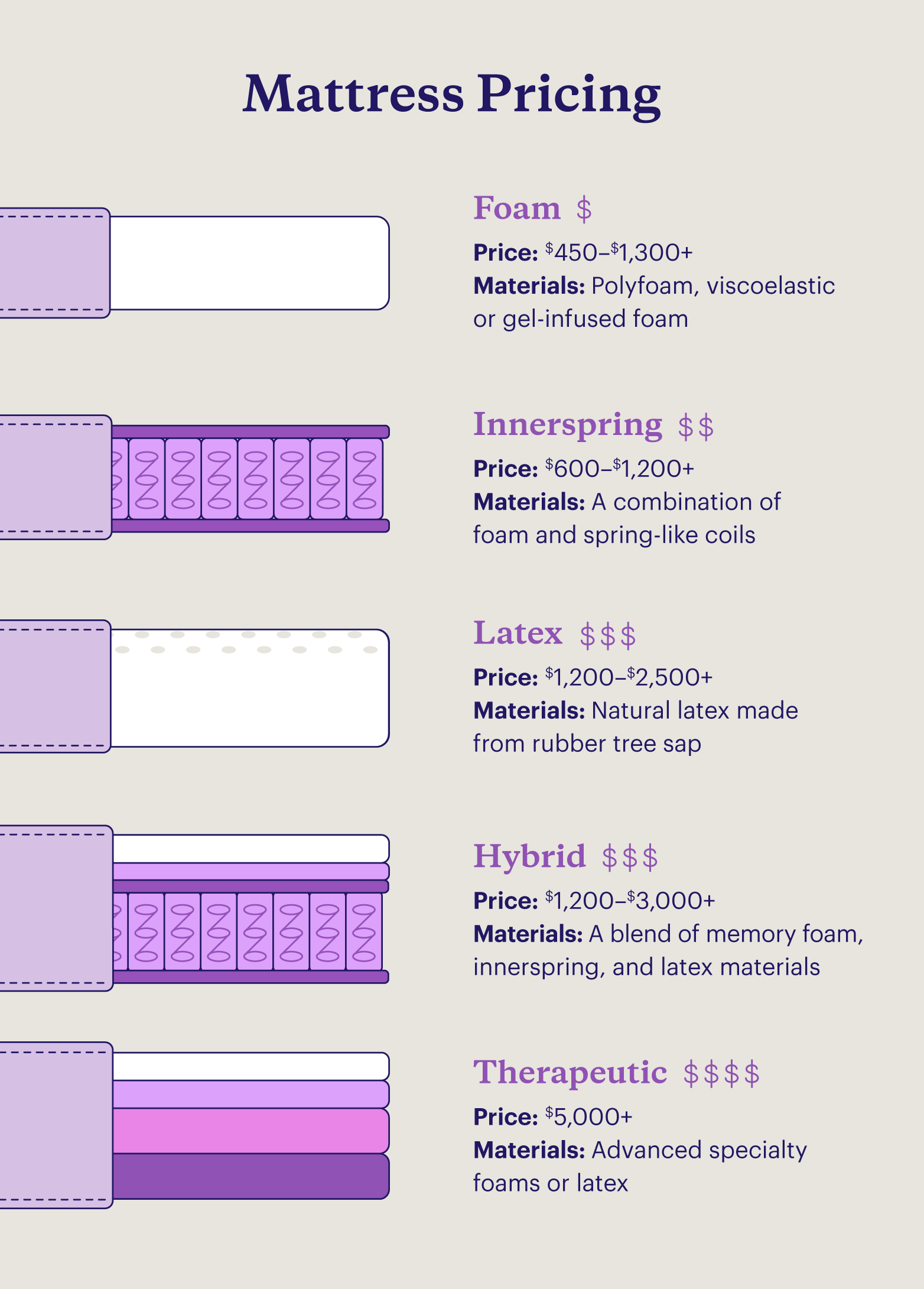
Credit: purple
Frequently Asked Questions
How Much Should You Budget For A Mattress?
Budget $500-$1,500 for a good quality mattress. Factors include size, material, and brand. Spend more for better comfort and durability.
Is It Worth Spending Money On An Expensive Mattress?
Yes, investing in an expensive mattress can be worth it. Quality mattresses provide better support, improve sleep, and enhance overall health.
How Much Do I Have To Pay For A Good Mattress?
A good mattress typically costs between $500 and $1,500. Prices vary based on brand, materials, and features.
Is $2000 A Lot For A Mattress?
Yes, $2000 is considered a lot for a mattress. Premium mattresses can cost that much, offering better comfort and durability.
Conclusion
Finding the right mattress budget is crucial. Invest wisely for your comfort. A good mattress supports your health and sleep quality. Consider your needs and preferences. Research different options and prices. Balance quality and cost effectively. Don’t compromise on essential features.
Ensure you get value for your money. A well-chosen mattress offers long-term benefits. Sleep well and wake refreshed. Prioritize your comfort and well-being. Make an informed decision. Your body will thank you.

Emma Caldwell is a certified sleep consultant with over 8 years of experience studying how environment, posture, and bedding affect sleep quality. At Royal Comport, she leads content focused on mattress reviews, sleep hygiene, and wellness optimization. Her mission is to help readers find science-backed comfort solutions that improve both rest and daily performance. Her Expertise is Sleep science, mattress testing, comfort ergonomics, lifestyle wellness.


