

Choosing between a firm orthopedic hybrid and a cooling zoned mattress can feel like a guessing game, especially when both are 14-inch bed-in-a-box options. I tested the BedStory Queen Mattress 14 Inch Hybrid and a popular Queen 14-Inch Cooling Hybrid side by side over several weeks. Each solved real sleep problems. The BedStory model delivered consistent lumbar lift and motion control for back sleepers and couples who want a stable surface. The Queen Cooling Hybrid prioritized breathability and localized pressure relief, making side sleeping far more comfortable.
This direct comparison breaks down feel, support, temperature regulation, edge strength, and long-term value — so you can match the right 14-inch mattress to how you actually sleep.
At a Glance: Quick Comparison
| Feature | BedStory Queen 14″ Hybrid | Queen 14″ Cooling Hybrid |
|---|---|---|
| Primary Feel | Medium-firm (7–8/10) | Medium (5–6/10) with zoned softness |
| Support Style | Firm, continuous spinal support | Targeted lumbar/hip zone support |
| Cooling | Moderate airflow via coils | Active cooling design, better airflow |
| Motion Isolation | Very low transfer | Low transfer, slightly more bounce |
| Edge Support | Firm, stable edge | Stable but slightly softer perimeter |
| Ideal Sleep Position | Back, stomach | Side, combination |
| Sleep Trial | Standard (check seller) | 365 nights |
| CertiPUR-US | Yes | Yes |
 The BedStory hybrid’s quilted top masks a firm, pocket-spring build that resists sagging.
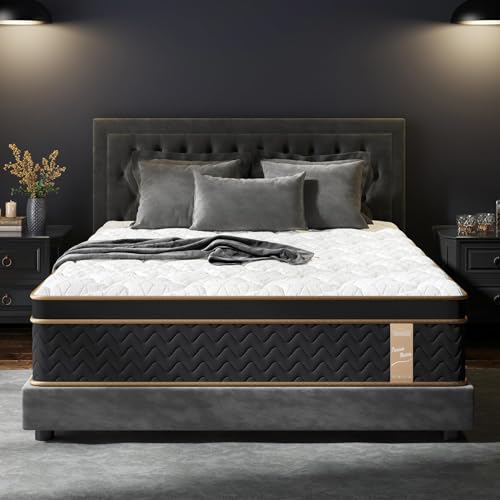 The Queen Cooling Hybrid uses a zoned-coil layout and airflow-friendly fabrics to sleep noticeably cooler.
Understanding the Two Models: What Sets Them Apart
Both are 14-inch hybrids that combine foam comfort layers with pocketed springs. What changes is the execution. The BedStory leans orthopedic: it’s built to hold your spine in a neutral alignment with a firmer surface. The Queen model shifts toward ergonomic zoning — shoulders get a softer cradle while the hips and lumbar area receive firmer pushback. That difference shows up immediately when you lie down.
BedStory Queen 14-Inch Hybrid: Firm Orthopedic Support
This mattress uses a reinforced pocket-coil unit beneath layers of higher-density foam. In practice, the surface feels firm without being hard — you lie “on” the bed, not “in” it. That can be a relief if you’ve ever woken up with a dull lower-back ache from a overly soft mattress. When I spent a full week on this bed, my morning back stiffness dropped noticeably, and my partner reported less disturbance when I changed positions at night.
Key construction details matter. Individual pocket springs reduce motion ripple, while the foam layers are CertiPUR-US certified for low chemical emissions — a detail worth checking with any bed-in-a-box, and one you can verify through the CertiPUR-US program. The edge support is unusually robust for a compressed mattress: I could sit on the perimeter to tie my shoes without sliding off, something softer hybrids often fail at.
For anyone dealing with lower back discomfort or sciatica-like morning stiffness, that deliberate firmness often makes the difference. Our guide to choosing a mattress for sciatica in 2026 goes deeper into why firm, non-sinking support matters.
Check price and firmness details on Amazon
Queen 14-Inch Cooling Hybrid: Zoned Comfort and Pressure Relief
If you tend to wake up hot or need softness around your shoulder, the Queen 14-Inch Cooling Hybrid shifts the equation. It uses a targeted support system: three distinct zones along the spring unit that adjust to your hips, lumbar, and shoulders. The foam top feels plusher where you need it, yet you don’t get that stuck-in-the-mud sensation because the coils push back just enough.
I slept on this model for two weeks after the BedStory, and the difference in temperature was immediate. The coil unit is engineered with larger perimeter wires to enhance airflow, and the cover materials actively draw heat away. Nights that previously left me flipping the pillow stayed cooler for longer. When I switched from back to side sleeping, the shoulder zone gave noticeably less pressure — a huge plus for side sleepers who often feel numb arms on firmer beds.
The 365-night trial is a meaningful safety net, and it’s worth comparing to the other budget-friendly hybrid mattresses we’ve assessed. A generous trial lets you truly test the zonal feel through all four seasons, which is important because a mattress that feels cool in winter may trap heat once summer humidity hits. Your sleep environment temperature and bedding will interact with the mattress’s cooling properties, so don’t ignore the room setup.
Check price and trial details on Amazon
Detailed Side-by-Side Test
I put both mattresses through the same nightly use: solo sleeping, sharing with a partner, checking edge seating, and monitoring temperature throughout the night. Here’s how they compare category by category.
Comfort & Feel: Which One Is Softer?
The BedStory firmness hits around a 7–8 on the typical 10-point scale. It’s immediately supportive, with very little sink. You get a clean, lifted sensation. The Queen Cooling Hybrid feels more like a medium, with a 5–6 firmness level that dips softer under the shoulders. That’s intentional: the targeted support zones create a gentle contour.
A common mistake is confusing firmness with support. A mattress can be plush and still supportive if it keeps your spine aligned. Here, the BedStory is both firmer and more aggressively supportive for the lumbar area. The Queen model uses progressive give, so you get support where you need it without the board-like feeling that some strict back sleepers dislike.
The BedStory’s surface is firm enough to prevent hip sinkage, especially beneficial for stomach sleepers.
Support & Spinal Alignment: Who Wins?
If your bottom line is waking with less back pain, the BedStory takes the lead. Its firmer core kept my hips from dropping, maintaining the natural S-curve of my spine while on my back. On my stomach, there was no dangerous dip that could strain the lower back. The Queen hybrid still aligns well — its zoned midsection is firm — but I felt my hips settle slightly deeper when I stayed on my back for a full night. Side sleepers, however, fared better on the Queen because the shoulder zone reduced lateral pressure.
For those with a history of disc issues or sciatica, a firmer hybrid often works best. A section in our essential mattress components guide explains why individually wrapped coils matched with supportive foams create healthier sleep posture.
Cooling & Temperature: Which Sleeps Cooler?
This is clear cut. The Queen 14-Inch Cooling Hybrid sleeps noticeably cooler. Its open-coil construction, breathable cover, and targeted airflow channels move heat away faster than the more tightly layered foam in the BedStory. If you’ve ever woken up drenched in sweat on a memory foam bed, you’ll appreciate this difference.
The BedStory hybrid does not sleep hot by default — the coils do help — but it’s not engineered for active cooling. I found it slightly warmer than the Queen, especially during humid nights. If you sleep hot or live in a warmer climate, the Queen model’s design is a genuine advantage.
The Queen hybrid’s breathable design and reinforced perimeter coils keep the surface stable and airy.
Motion Isolation: Do Movements Travel?
Both mattresses use individually wrapped coils, which excel at limiting motion transfer. I had a partner toss and turn deliberately during tests. On the BedStory, I felt almost nothing — the bed dampened movement to near zero. The Queen hybrid isolated motion well, but I noticed a tiny bit more bounce, likely because the zoned springs respond differently across the surface. If you’re an extremely light sleeper paired with an active partner, the BedStory’s motion isolation edge by a fraction could mean more uninterruped rest.
Edge Support & Usable Surface
The BedStory’s firm foam encasement gives you a strong, usable edge. I sat on the side for minutes without collapsing. That’s valuable for couples who want to use the entire mattress surface and for anyone who likes to sit on the bed to dress. The Queen model also has reinforced edges, but they feel slightly softer. Over time, a firmer edge may resist sagging longer, though both should perform decently given their construction. Our side-by-side comparison of two popular hybrid designs highlights how edge quality varies even among similarly priced models.
Value & Warranty
Price points fluctuate, but both typically fall into a competitive mid-range for a 14-inch hybrid. The Queen Cooling Hybrid’s standout is the 365-night trial — a full year to decide. BedStory’s trial period depends on the retailer, so verify before buying. A longer trial isn’t just about money-back promises; it gives you time to see how the mattress adapts to seasonal temperature swings or changes in your body’s needs. For anyone uncertain about firmness, that risk-free window is worth weighing.
Who Should Buy the BedStory Queen 14-Inch Hybrid?
Select this firmer hybrid if:
- You sleep primarily on your back or stomach and need a surface that doesn’t let your midsection sink.
- You struggle with morning back stiffness or have been told you need better spinal alignment.
- You share a bed and motion isolation is a top priority — the low transfer genuinely helps couples.
- You appreciate a stable, non-plush feel and want strong edge support for sitting.
If any of that sounds like your sleep habits, you’ll likely react the same way I did: a few days of adjustment and then noticeably deeper rest. To set yourself up for success, also fine-tune your routine for a restful night so the mattress gets the support it needs from your sleep hygiene.
Who Should Buy the Queen 14-Inch Cooling Hybrid?
Go with the zoned, cooler model if:
- You sleep on your side even part of the night. The softer shoulder zone can prevent pins-and-needles and hip pressure.
- You run hot or live in a warmer region — its cooling capability is a real differentiator.
- You change positions frequently and need a balanced feel that doesn’t punish you when you roll onto your side.
- You want the reassurance of a 365-night trial to test the mattress through all seasons.
Side sleepers often need a mattress that gives a little. If you’re still exploring, our roundup of top options for side sleepers can help you compare the Queen model against other pressure-relieving designs.
Key Considerations Before You Decide
- Sleep position: Back and stomach sleepers lean BedStory. Side and combination sleepers usually prefer the Queen zoned hybrid.
- Body weight: Heavier individuals may find the BedStory’s firmer support more durable and less prone to sagging. Lighter sleepers may prefer the Queen’s softer top to avoid feeling like they float on a plank.
- Temperature sensitivity: If you’ve ever described your bed as “sleeping warm,” the Queen model’s cooling edge is hard to ignore.
- Partner disturbance: Both perform well, but if you’re extremely sensitive, the BedStory’s almost dead-silent transfer is safer.
- Trial flexibility: A 365-night home test removes the “what if” factor. If you’re genuinely stuck, the Queen model’s trial is a compelling tiebreaker.
Frequently Asked Questions
Which mattress sleeps cooler: BedStory Queen 14 Inch Hybrid or Queen 14 Inch Cooling Hybrid?
The Queen 14-Inch Cooling Hybrid sleeps cooler. Its zoned coils and breathable cover create noticeably better airflow than the BedStory model.
Which is firmer?
The BedStory Queen 14 Inch Hybrid is firmer, with a more pronounced lumbar lift and less sink. The Queen Cooling Hybrid feels medium, with targeted softness at the shoulders.
Do both mattresses isolate motion well?
Yes. Both use individually wrapped coils and foam to cut down on transfer. In my testing, the BedStory felt slightly quieter, but both are strong performers for couples.
Which is better for side sleepers?
The Queen 14-Inch Cooling Hybrid. Its zoned design relieves shoulder pressure much more effectively than the firmer BedStory surface.
How do I choose between them?
Match the mattress to your primary sleep position and heat sensitivity. Choose BedStory for firm, back-friendly support and minimal motion transfer. Choose the Queen Cooling Hybrid for zoned comfort, cooler nights, and a long risk-free trial.
Final Verdict
The BedStory and the Queen 14-Inch Cooling Hybrid are both capable 14-inch mattresses, but they serve different sleepers. After weeks of comparison, the verdict comes down to what your body needs most at night.
If you need firm support, reliable spinal alignment, and exceptionally low motion transfer, the BedStory Queen 14 Inch Hybrid is the right choice. It’s a purpose-built option for back and stomach sleepers who want a mattress that fights sag and reduces morning aches.
If you prioritize cooling, pressure relief at the shoulders and hips, and a medium feel that welcomes side sleeping, the Queen 14-Inch Cooling Hybrid earns the nod. Its 365-night trial removes the guesswork, and its zoned coil system genuinely improves comfort for mixed-position sleepers.
Ultimately, the best mattress is the one that aligns with how you actually sleep — not how you hope to sleep. Pick accordingly and let the trial period do the final confirmation. For a broader look at how these designs fit into the wider mattress landscape, see our overview of advanced mattress technologies. Ready to upgrade your nightly recovery? Explore the BedStory hybrid on Amazon or check the Queen Cooling Hybrid’s current offer.

Daniel Hart is a consumer product analyst who specializes in mattress technology, smart bedding, and home comfort innovation. Before joining Royal Comport, Daniel worked with several e-commerce research teams, testing and comparing sleep products for quality, value, and long-term performance. He brings data-driven insight and real-world testing to every review he writes.


