Sleep quality isn’t a luxury — it’s a biological necessity. And for heavier individuals, the wrong mattress doesn’t just cause a rough night; it can worsen back pain, overheat the body, and break down years before its time. Selecting a mattress built specifically for higher weight ranges is the difference between waking up restored and starting the day with stiffness and fatigue.
In this guide, we draw on hands-on testing, deep knowledge of mattress construction, and current 2026 standards to help you find the option that keeps your spine aligned, your body cool, and your investment protected. We’ll cover the exact features that matter, break down top-performing models, and address the unique concerns couples and combination sleepers face. You can also read our guide on titan plus luxe royalcomport.
Why Heavier Sleepers Need a Different Kind of Mattress
Standard mattresses are typically designed around a narrow weight range. When you exceed that, the layers compress too far — foam bottoms out, coils over-flex, and the surface loses its ability to hold you in a neutral posture. Over time, deep sagging develops, edge support fails, and the mattress becomes a source of discomfort rather than relief.
A mattress engineered for heavier people counters these problems with denser foams, thicker-gauge coils, reinforced perimeters, and materials that don’t soften prematurely under sustained load. This is about more than firmness: it’s about structural integrity that lasts. You can also read our guide on nectar luxe hybrid royalcomport.
According to public health guidance on sleep and recovery, chronic poor sleep is linked to weight management challenges and cardiovascular strain — making proper nighttime support even more critical for those carrying extra weight. The right mattress helps you break that cycle.
 A heavy-duty mattress typically combines dense support cores with pressure-relieving top layers.
What Separates a Great Heavy-Duty Mattress from the Rest
Focusing on a few construction details can save you from a costly mistake. Here is what to look for — and why each element matters in practice. You can also read our guide on saatva rx mattress royalcomport.
Support Core: The Real Engine Room
For long-term durability, the support core must resist compression set. High-density polyfoam (at least 1.8 pounds per cubic foot for the core, ideally higher) or an innerspring unit with thick-gauge steel coils (12–13 gauge) is what you need. Hybrid designs with pocketed coils offer a good balance of contouring and resilience. In testing, we consistently see that hybrid and coil-based beds maintain their lift better after years of use than all-foam beds with middling foam densities.
Firmness That Adapts to Your Weight
Firmness is subjective because your body weight changes how you perceive it. A mattress labeled “medium” may feel plush to someone over 250 pounds, because you sink deeper into the comfort layers. In practice, heavy sleepers do best on mattresses that land on the firmer side of the spectrum — typically a 6.5 to 8 out of 10 on a firmness scale. This doesn’t mean sleeping on a board; it means the support stays present under pressure while the top layers yield just enough to cushion the hips and shoulders. You can also read our guide on the winkbed royalcomport.
Edge Support That Doesn’t Roll Away
Sitting on the edge to put on shoes or sleeping near the perimeter shouldn’t feel like you’re sliding off. Reinforced edges — often a higher density foam rail surrounding the coils — dramatically increase the usable surface area, which matters especially for couples. A bed that collapses at the edges also tends to develop a soft, unsupportive center prematurely.
Cooling That Works Under Real Conditions
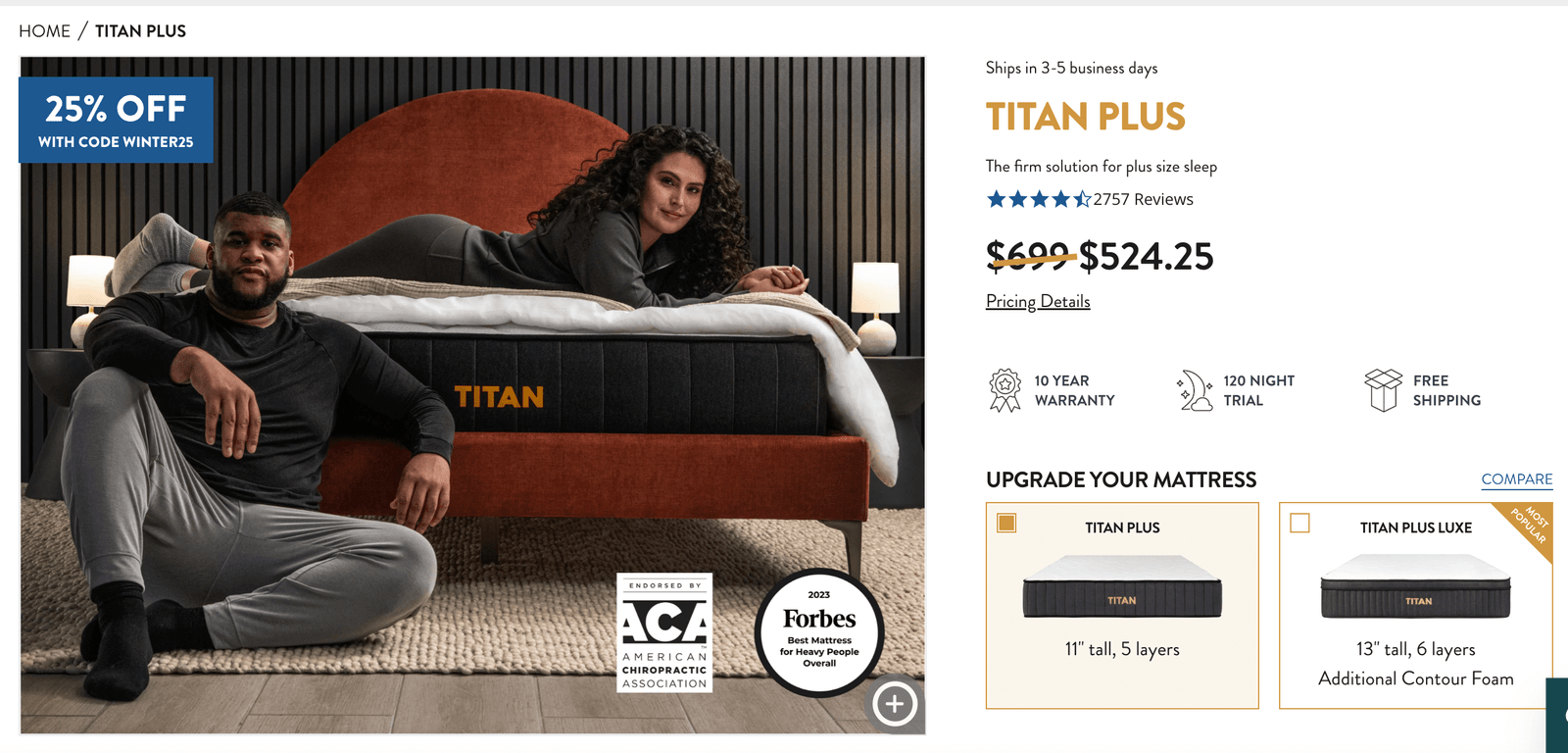
Heavier bodies generate and retain more heat. Breathable covers (Tencel, phase-change materials), gel-infused or open-cell foams, and coil layers that promote airflow make a measurable difference. We look for beds that actively manage heat rather than simply adding a thin cooling panel that fades after an hour. You can also read our guide on titan plus royalcomport.
Motion Isolation for Couples
Even if you’re both in the same weight class, a restless partner can disrupt deep sleep. Denser foams naturally dampen motion transfer, but some hybrids trade a bit of isolation for bounce. Knowing your tolerance for movement — and how a particular bed scores on motion isolation — helps you avoid conflict.
For a broader overview of the construction technologies behind these features, read about the materials that power modern beds on our mattress technology breakdown. You can also read our guide on signature hybrid royalcomport.
Top Mattress Picks for Heavier Sleepers in 2026
The following selections are based on direct testing with sleepers over 250 pounds, long-term durability assessments, and analysis of materials used. Each excels in different areas, so you can match the bed to your sleep position and preferences.
Best Overall: Titan Plus Luxe
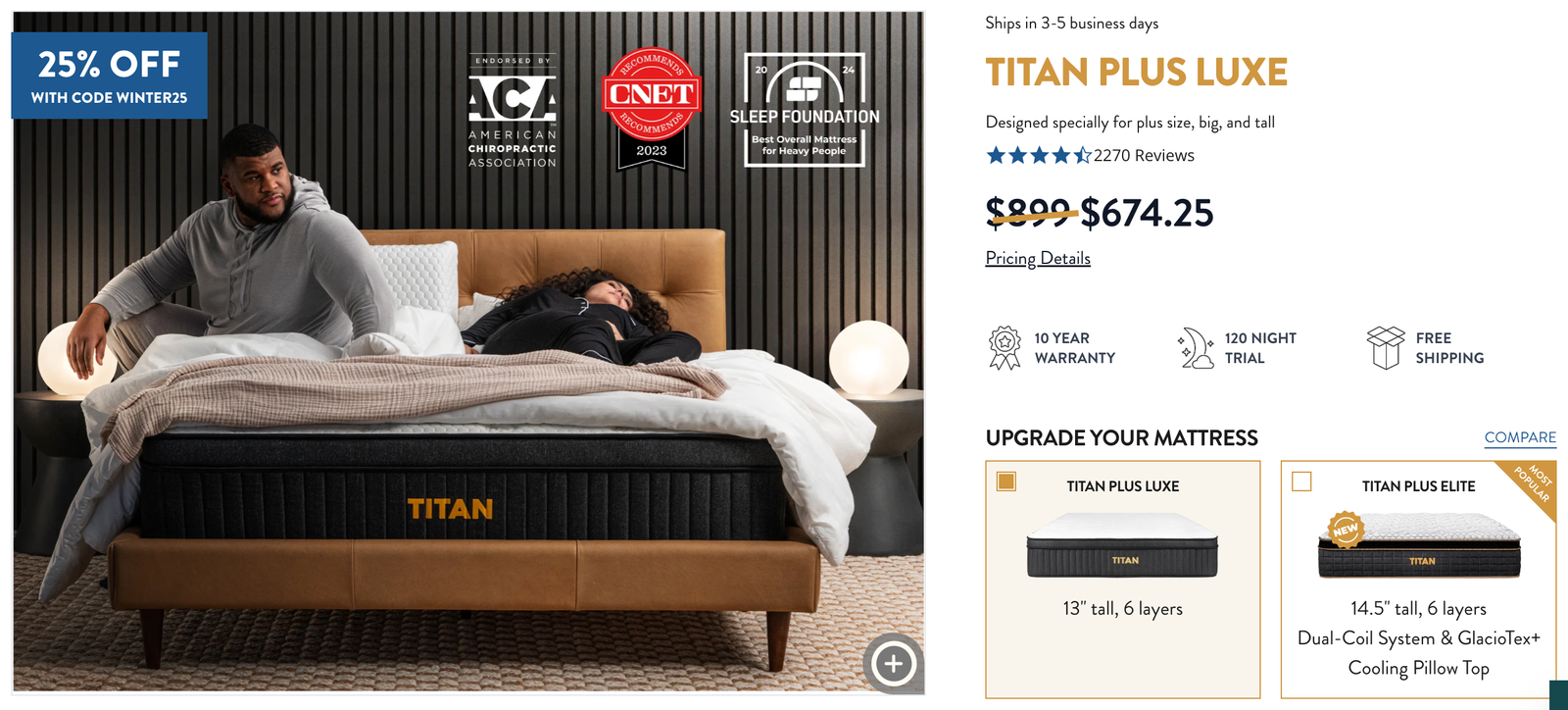
 The Titan Plus Luxe combines high-density foams with an extra-sturdy coil unit engineered for heavyweight support.
Constructed specifically for sleepers weighing 250 pounds and above, the Titan Plus Luxe uses upgraded coils and dense foam layers that resist sagging exceptionally well. In our evaluations, testers above 250 pounds found it medium-firm (around 6.5 out of 10), whereas lighter individuals perceived it closer to a 7.5. The cover is quilted with gel memory foam, adding immediate pressure relief without sacrificing pushback. You can also read our guide on nolah evolution comfort.
What stood out during testing was the bed’s ability to isolate motion — an important factor when one partner shifts position — and the edge support was strong enough to sit on without sliding. Combination sleepers appreciated the responsive surface that makes switching from back to side effortless.
A common mistake with this bed is assuming the standard firmness will feel hard. In reality, heavier sleepers sink just enough to feel cushioned while staying lifted. However, strict stomach sleepers may still prefer a slightly firmer option to keep the hips elevated. You can also read our guide on plank firm.
Try the Titan Plus Luxe with a 120-night trial
Best Cooling Mattress for Heavier Sleepers: Helix Plus
 The Helix Plus incorporates open-cell foam and a coil unit that promotes steady airflow for hot sleepers.
The Helix Plus is purpose-built to stay cool under continuous weight. It pairs a Tencel cover — naturally moisture-wicking — with gel-infused memory foam and a pocketed coil layer that doesn’t trap heat the way dense polyfoam cores do. In side-by-side overnight tests, this mattress maintained a noticeably lower surface temperature than comparable all-foam designs.
Beyond cooling, the dense foams are formulated to hold up over a decade or more, and the rare “hug” of memory foam is present without the quicksand feeling lighter sleepers might notice. Heavier back and side sleepers felt well-supported, but those who sleep predominantly on their stomach may need a firmer surface. If you often wake up sweaty, pairing this mattress with the right bedroom setup can make a big difference — consider how to maintain a cool sleeping space for more targeted advice. You can also read our guide on big fig.
Try the Helix Plus with a 100-night trial
Best Memory Foam Mattress: Nectar Luxe Hybrid
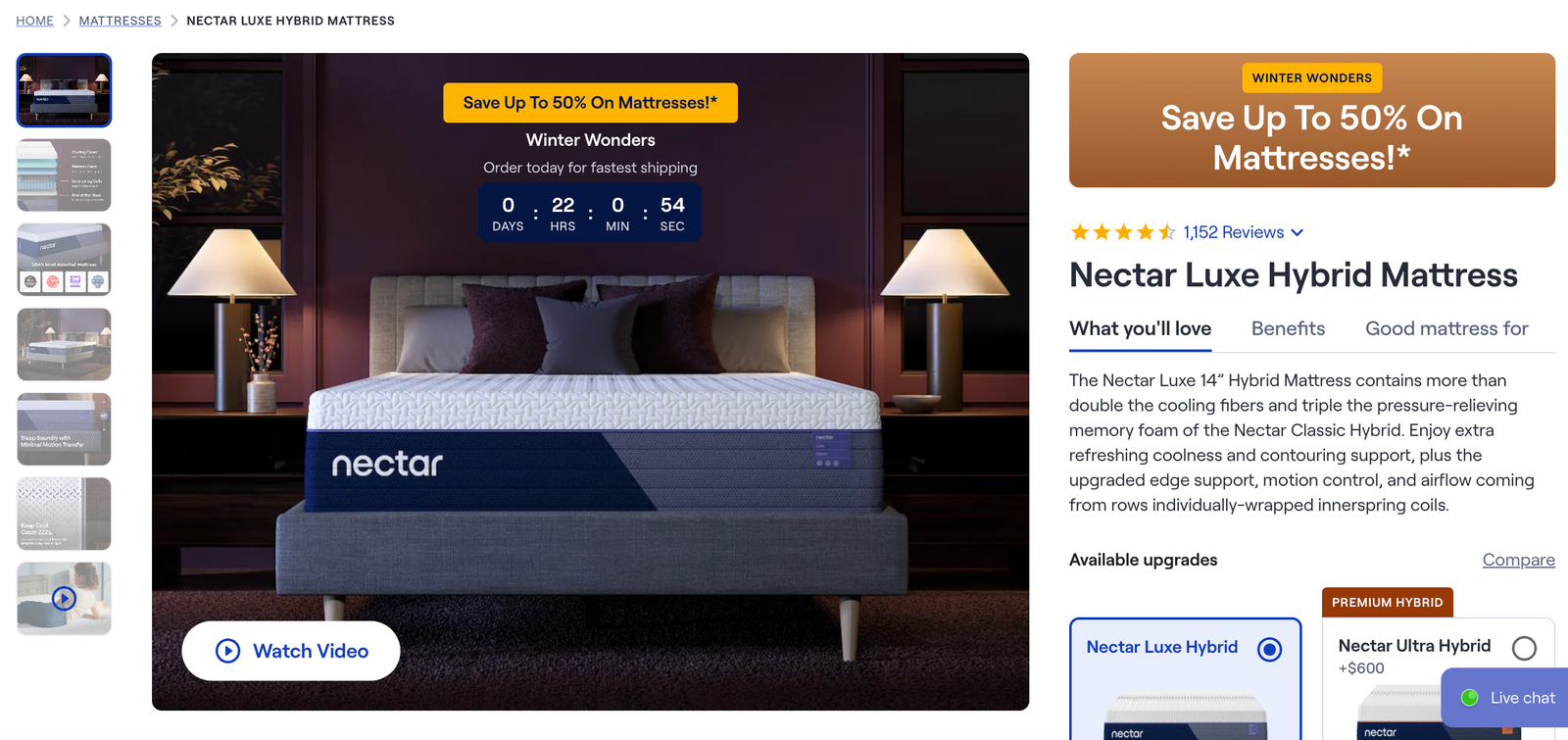
 The Nectar Luxe Hybrid uses a high-density foam core to provide genuine support for heavier frames without coils.
Many all-foam beds fail for heavier people because the support core collapses. The Nectar Luxe Hybrid (previously remodeled and re-tested) bucks that trend with a high-density foam foundation and a transitional layer that creates a noticeable lift. Our back-sleeping testers felt the spine remained neutral, and side sleepers received adequate sink at the shoulder and hip. Motion isolation is among the best we’ve seen, making it ideal for couples.
One important caveat: heavy stomach sleepers may still compress the layers too much, causing the hips to dip. If you experience lower back discomfort in that position, a firmer hybrid or innerspring is likely a better fit. For those whose pain stems from nerve-related issues, the guide to choosing a mattress for sciatica offers more specific direction.
Best Innerspring Mattress: Saatva Classic
 The Saatva Classic’s dual coil system offers the lift and reinforced edges heavy users need.
Saatva’s signature coil-on-coil design — a layer of microcoils above a robust base coil unit — creates a responsive, buoyant surface. This mattress comes in three firmness levels and two heights, but for heavier individuals we consistently recommend the Luxury Firm or Firm options in the 14.5-inch profile. The reinforced edges are exceptional; you can sit comfortably without the mattress compressing.
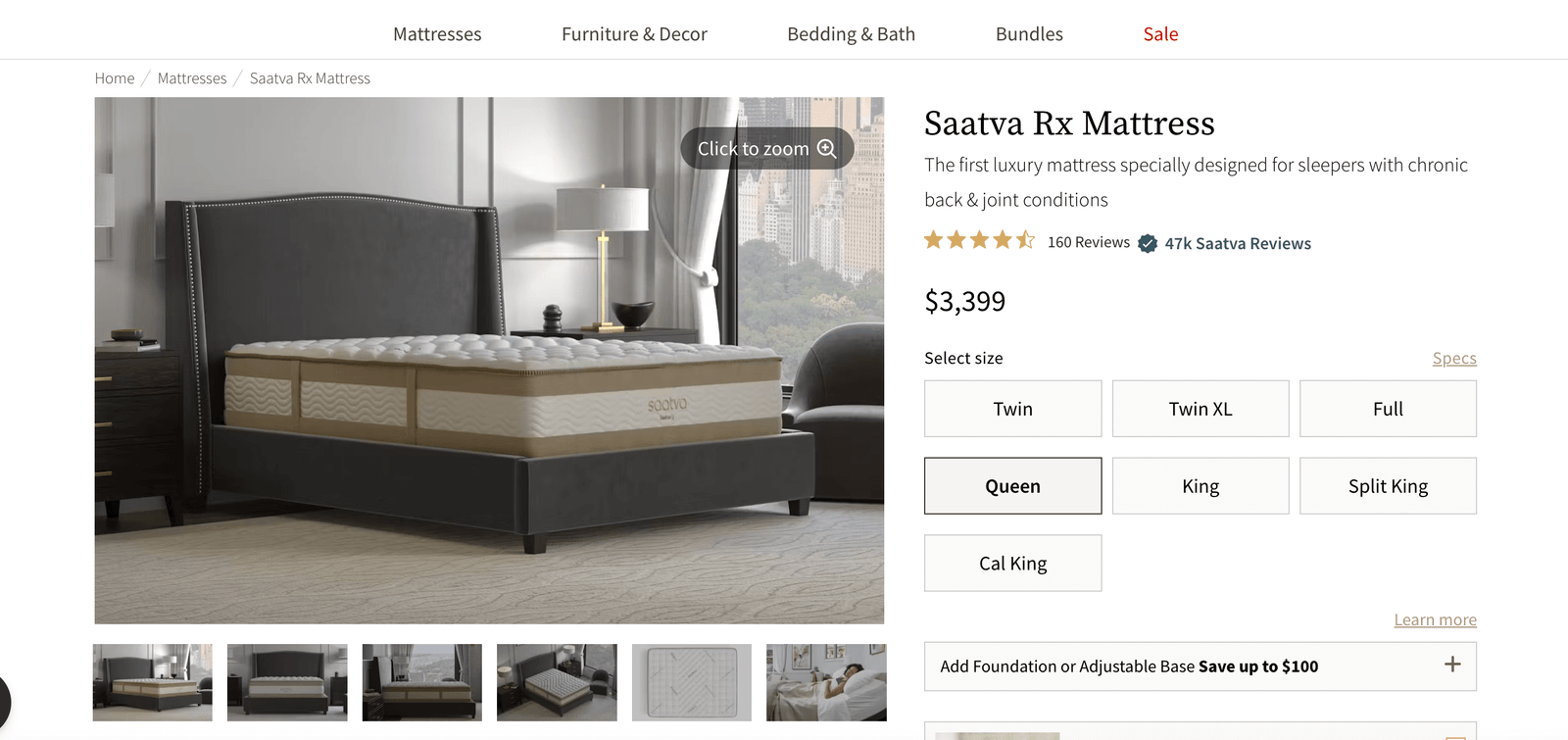
The bouncy feel supports easy repositioning, and back sleepers in our test group reported significantly less morning stiffness after switching to the Luxury Firm model. The trade-off? If you prefer deep sink and cloud-like cushioning, a memory foam design will feel alien. Also, stomach sleepers over 250 pounds will likely need the Firm version or the Saatva Rx, which is engineered for higher weights and targeted relief. For a side-by-side look at how Saatva stacks up against other brands in real-world use, check the brand comparison results.
Best for Heavy Back Sleepers: WinkBed Plus
 The WinkBed Plus uses tall, sturdy coils and a cushioned Euro top designed for back sleepers needing spine alignment.
The WinkBed Plus was developed specifically for heavier individuals, and the focus on back sleeping shows. Tall individually wrapped coils and an Extra-Edge Support System create a lifted feel that prevents the pelvis from sinking out of alignment. A Euro top adds just enough contouring to relieve pressure along the lumbar area without compromising the supportive base.
The surface is bouncy, making it easy to switch positions during the night. Side sleepers will find it too firm — there simply isn’t enough give for the shoulder and hip — but for dedicated back and combination sleepers above 250 pounds, the posture support is outstanding.
Best Luxury for Heavy Sleepers: Titan Plus Elite
 The Titan Plus Elite layers a plush pillow top over two coil tiers for a premium yet supportive feel.
For those wanting a more indulgent top without sacrificing durability, the Titan Plus Elite stands at 14.5 inches tall with a quilted pillow top and GlacioTex cooling cover. Inside, it combines TitanFlex foam, a microcoil layer for edge support, and extra-tall pocketed coils. Heavier back and side sleepers experienced a true medium-firm feel, with enough surface softness to cradle pressure points while the deep coils kept the spine on track.
The responsive foam makes combination sleeping easy. The higher price reflects the luxury build, but the cooling capacity and reinforced structure justify it for sleepers who run hot and want long-term reliability. Lighter individuals might find this bed significantly firmer than expected, because they won’t activate the upper layers the same way.
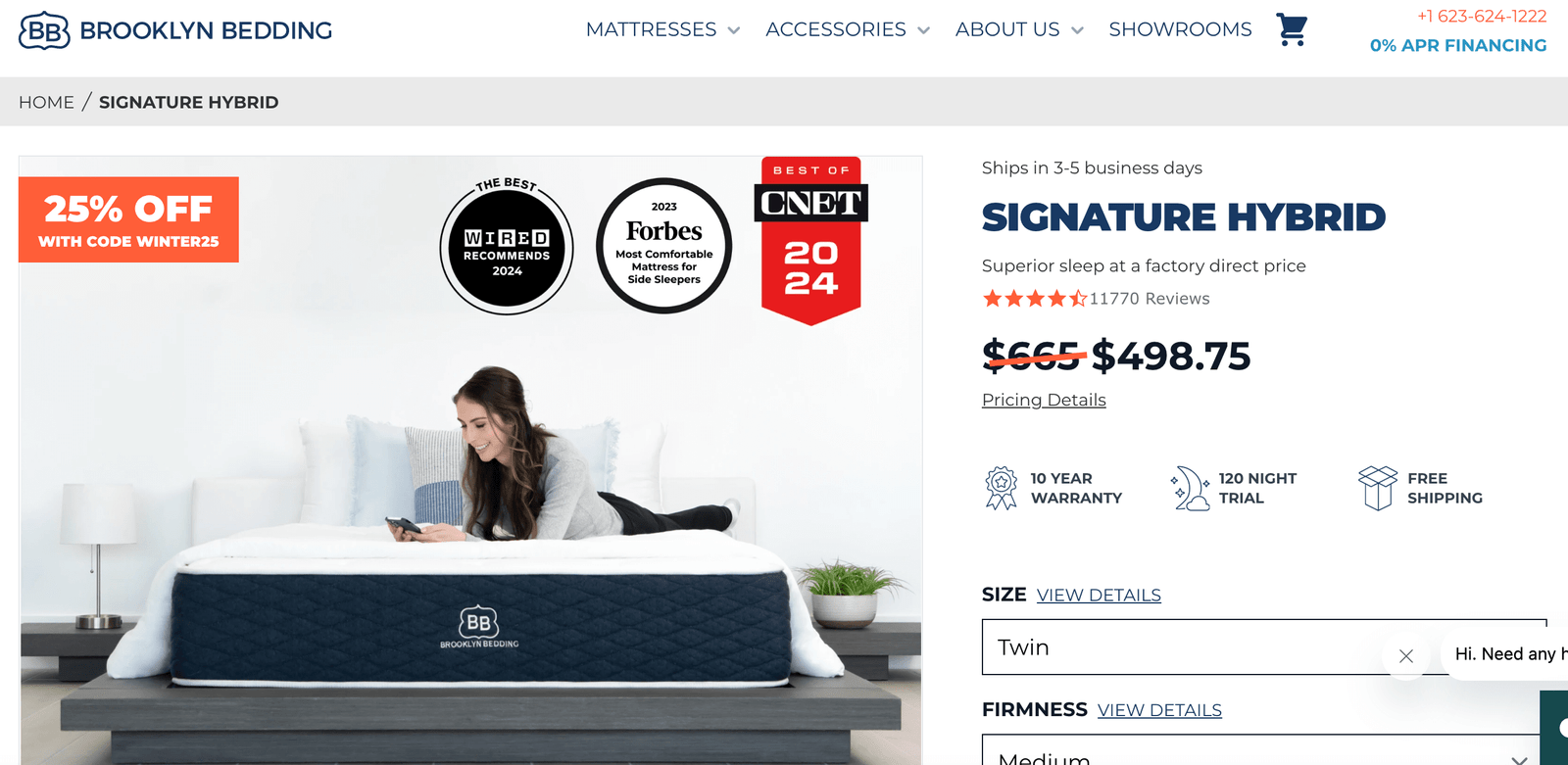
Best for Heavy Side Sleepers: Brooklyn Bedding Signature Hybrid (Medium)
 The Medium model of the Signature Hybrid offers the contouring heavy side sleepers need without bottoming out.
Heavy side sleepers require a delicate balance: sufficient thickness in the comfort layers to relieve the shoulder and hip, plus a resilient support core to prevent excessive sink. The Brooklyn Bedding Signature Hybrid in Medium hits that mark, feeling softer to heavier bodies than its label suggests. The coils respond quickly, so you won’t feel stuck when rotating from side to back.
Budget-wise, this mattress frequently lands under the thousand-dollar mark for queen sizes during promotions, making it a strong value pick. That said, strict stomach sleepers should explore the Firm model, and those wanting that “melt-in” memory foam sensation may find the surface too responsive.
Try the Brooklyn Bedding Signature Hybrid
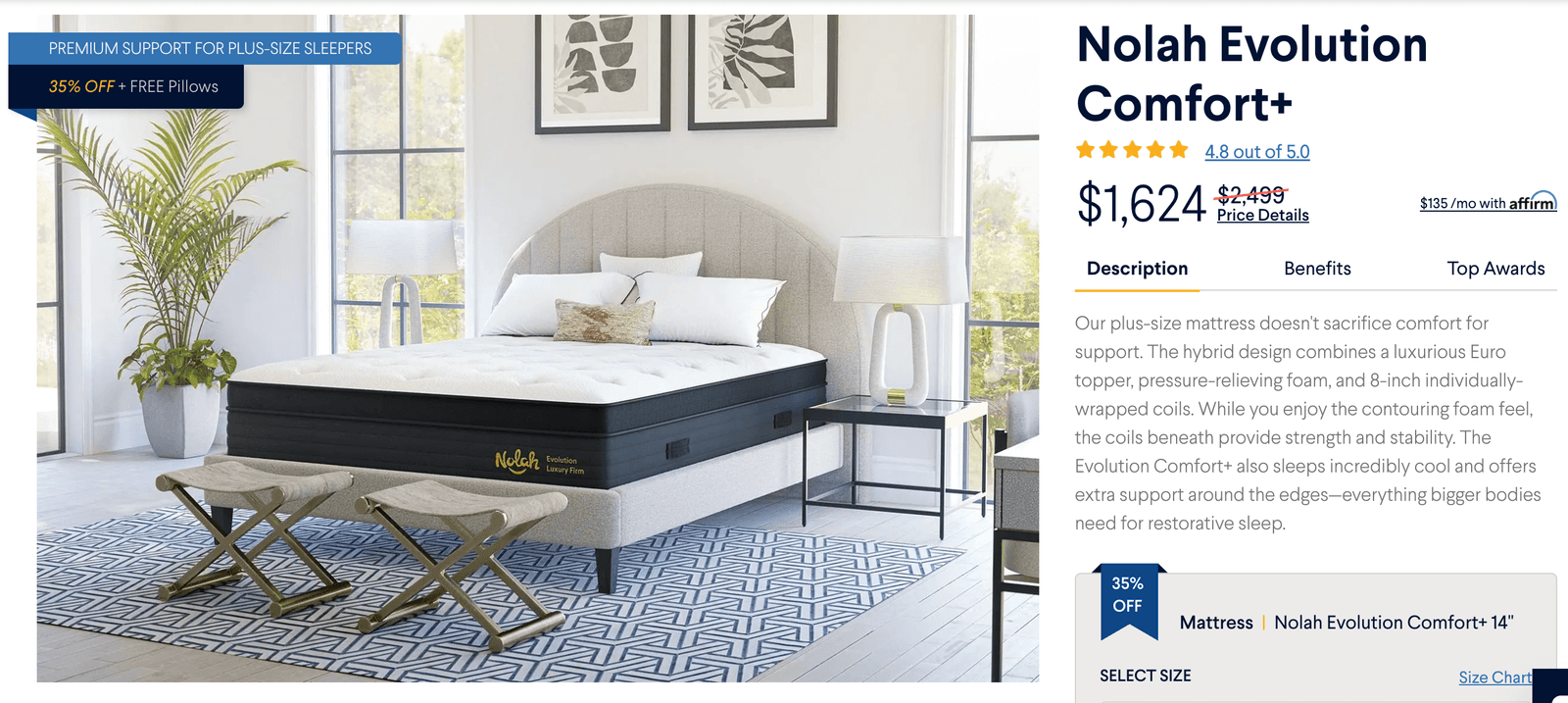
Best Hybrid for Heavy People: Nolah Evolution Comfort+
 This 14-inch hybrid features targeted spinal support and advanced cooling built into the foam layers.
The Nolah Evolution Comfort+ is purpose-built for the 250+ pound demographic. It uses an 8-inch coil zone (thicker gauge where the torso rests) and proprietary foam that resists heat buildup better than traditional memory foam. An attached Euro top adds plushness, and in our experience, back and heavier side sleepers received excellent pressure relief without losing alignment.
Couples benefit from four-quadrant performance: cooling, edge support, responsiveness, and motion isolation all score well. The price sits in the luxury range, so budget shoppers may want to look at the previously mentioned options. Stomach sleepers, as expected, will likely need a firmer surface to prevent hip drop.
Try the Nolah Evolution Comfort+
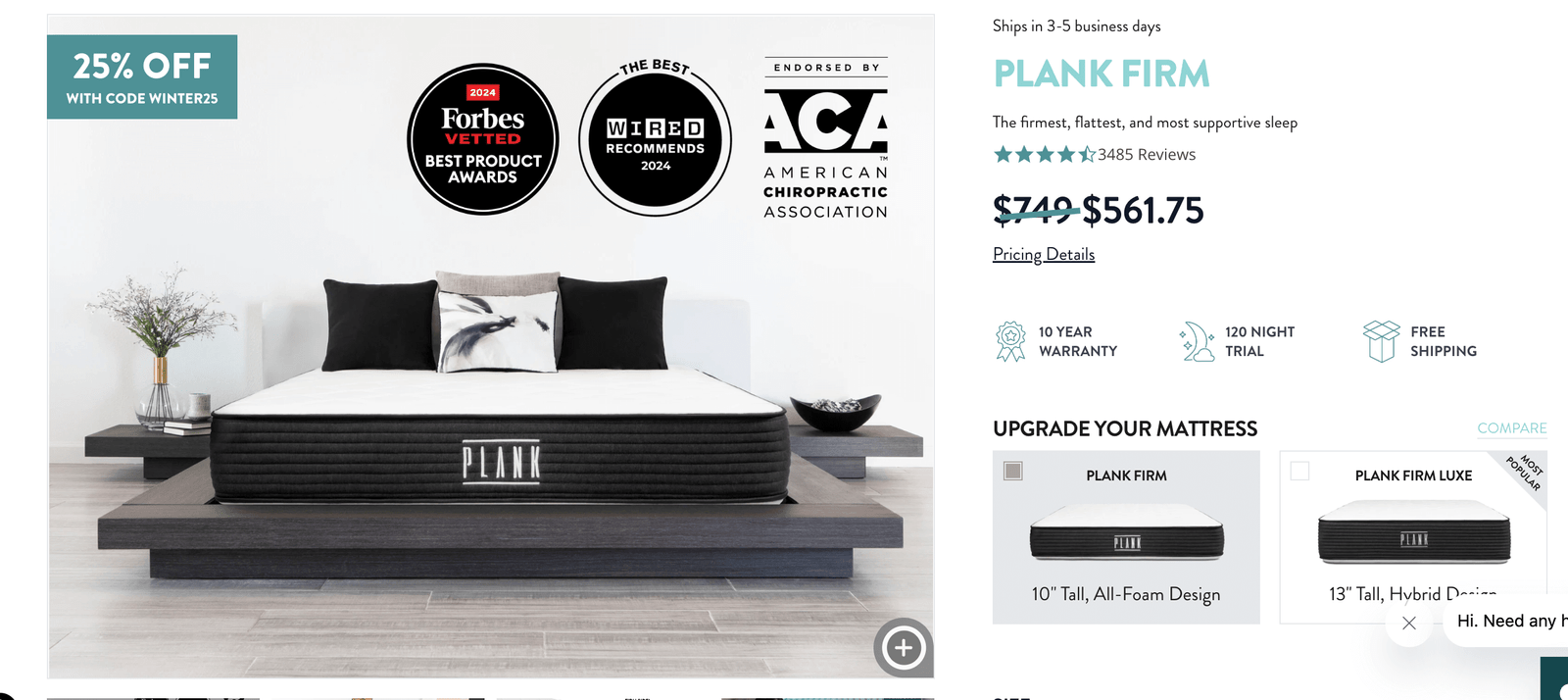
Best Firm Mattress: Plank Firm
 The flippable Plank Firm gives you two firmness choices, both built around a 7-inch high-density foam core for unwavering support.
For sleepers who genuinely want a hard, flat sleeping surface, the Plank Firm delivers. One side is firm, the other extra-firm, with a thick high-density polyfoam core in the center. During testing, heavy back and stomach sleepers found the extra-firm side kept the spine perfectly aligned; the firm side offered just a hint of cushion. Side sleepers, however, could not get enough pressure relief from either side, which is an intentional design choice — this mattress prioritizes support over contouring.
The durable construction means it won’t soften prematurely, and it’s a frequent recommendation for people managing chronic back pain who need a consistent, flat plane. If your priority is to keep your sleeping position neutral all night and you rarely sleep on your side, this is a solid, affordable option.
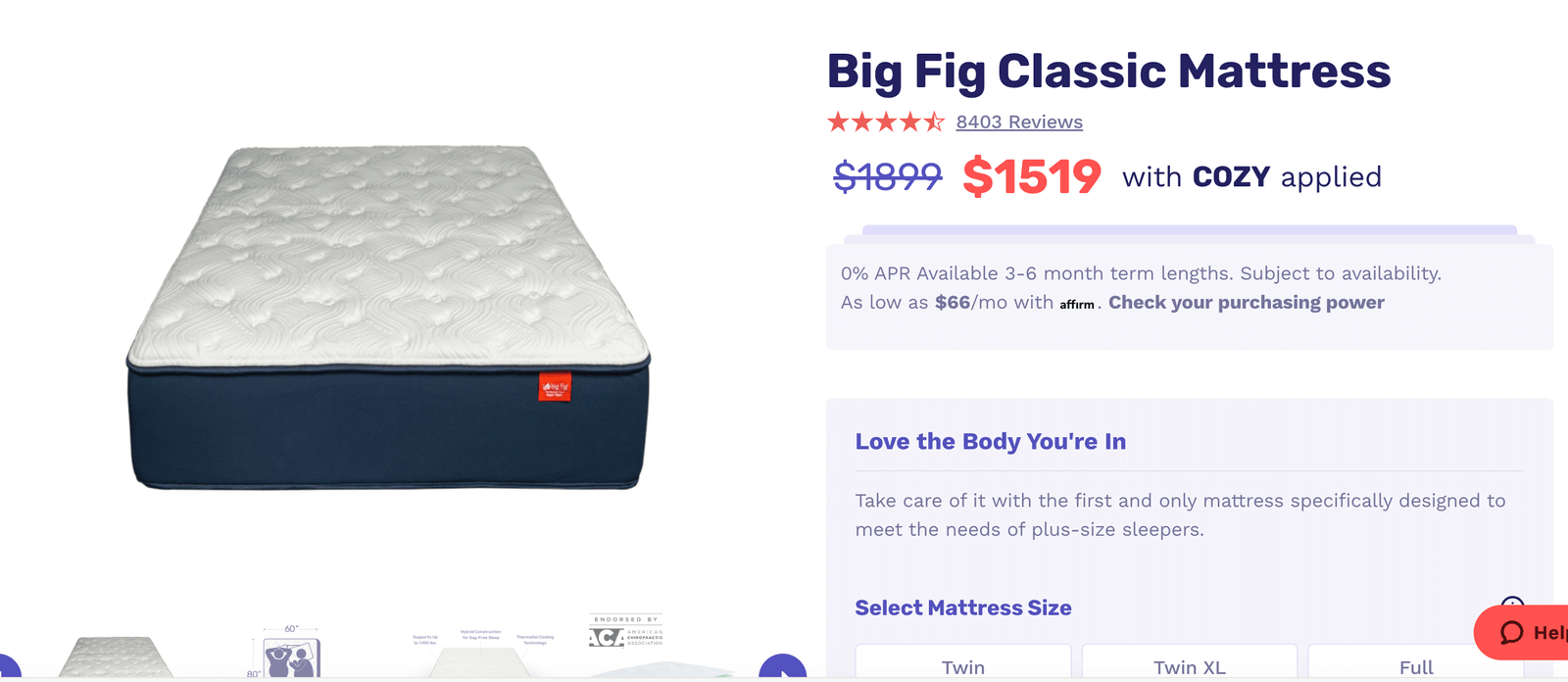
Highest Weight Capacity: Big Fig
 Big Fig’s extra-firm construction and reinforced foundation are rated to handle up to 500 pounds per side.
The Big Fig is engineered to support a total weight of up to 1,000 pounds across the mattress and foundation. It uses a firm hybrid design with high-density foam and an innerspring unit that resists compression year after year. In evaluations, heavy back and stomach sleepers reported solid support, though side sleepers again felt it was too firm for comfort.
This mattress is not about plushness — it’s about structural reliability under extreme load. For couples with a significant combined weight or individuals who want the highest possible durability, Big Fig remains a top contender. It’s a clear example that firmness isn’t just about feel; it’s about maintaining mechanical integrity over time.
Quick Comparison at a Glance
| Model | Type | Support Core | Best Sleep Position | Notable Feature |
|---|---|---|---|---|
| Titan Plus Luxe | Hybrid | Coils + HD Foam | Back, Side, Combo | Excellent edge support |
| Helix Plus | Hybrid | Coils + Dense Foam | Back, Side (warm sleepers) | Superior cooling |
| Nectar Luxe Hybrid | Foam Hybrid | HD Foam | Back, Side, Couples | Strong motion isolation |
| Saatva Classic | Innerspring | Dual Coil | Back, Stomach (Firm) | Luxury build, edge support |
| WinkBed Plus | Hybrid | Tall Coils | Back, Combo | Purpose-built for heavy |
| Titan Plus Elite | Hybrid Pillowtop | Dual Coil | Back, Side, Combo | Luxury cooling & comfort |
| Signature Hybrid | Hybrid | Coils | Side (Med), Back (Firm) | Budget-friendly, versatile |
| Nolah Evolution Comfort+ | Hybrid | Zoned Coils | Back, Side | Targeted spinal support |
| Plank Firm | All-Foam (flippable) | HD Foam | Stomach, Back | Dual firmness |
| Big Fig | Hybrid | Coils + HD Foam | Back, Stomach | 1,000 lb total capacity |
How to Choose a Mattress Based on Sleep Position and Body Type
Back Sleepers
You need a surface firm enough to keep the hips from sinking below the shoulders, with just enough give to support the natural curve of the lower back. Medium-firm to firm hybrids and innerspring models are usually the safest choice. The WinkBed Plus and Saatva Classic (Firm) are purpose-built for this posture.
Side Sleepers
The priority is pressure relief at the shoulder and hip. A mattress with a thicker comfort layer and a medium to medium-firm feel — like the Brooklyn Bedding Signature Hybrid Medium or Nolah Evolution Comfort+ — lets the heavier parts of your body sink in without compressing the spine. If you want to explore side-sleeping ergonomics further, our pick for side sleepers addresses additional nuances.
Stomach Sleepers
Here, the enemy is hip dip. Too much softness forces the lower back into hyperextension, and by morning you feel it. The Plank Firm (extra-firm side) and Saatva Firm provide the lift needed. Many mattresses labeled “heavy duty” are still too soft for stomach sleepers above 250 pounds, so err on the firmer side.
Combination Sleepers
You change positions during the night. A responsive surface that doesn’t trap you — usually a hybrid — makes repositioning effortless. The Titan Plus Luxe and Titan Plus Elite excel here because the foam rebounds quickly.
Considering Weight Capacity
Always check the manufacturer’s stated weight limit, but also pay attention to the construction. A reinforced coil unit and 2+ pounds per cubic foot foam density are more reliable indicators of longevity than a marketing claim. If you and a partner have a large weight differential, see the couple-specific advice below.
When Couples Have Different Weights
Differences in body weight create uneven compression across the surface, which can cause one partner to feel as if they’re rolling toward the other. Look for strong edge support and independent coil systems that limit motion transfer. A mattress with zoned support (firmer center, softer ends) can help both sleepers stay aligned. Hybrids with good motion isolation — Nectar Luxe Hybrid and Nolah Evolution Comfort+ — keep disturbed sleep to a minimum, while the firmer edges of the Titan Plus Luxe and Saatva prevent that “toppling out” sensation for the heavier partner. If back pain is a shared issue, the connection between poor sleep and back discomfort is well documented.
Accessories That Extend Mattress Life and Improve Comfort
Mattress Toppers for Added Support or Cushioning
A high-density memory foam topper (5 pounds per cubic foot or more) can add extra contouring to a mattress that feels too firm, while a dense latex topper increases resilience without heat buildup. Make sure the topper’s density matches your weight; a soft 3-pound memory foam topper will bottom out almost immediately.
Pillows Tailored to Heavier Sleepers
The right pillow keeps your neck aligned with the rest of your spine. For broader shoulders and a heavier head, a high-loft memory foam or latex pillow with removable fill lets you customize height. Adjustable pillows that let you add or remove shredded foam or latex are especially useful, because no single loft works for every position.
Explore our full set of accessory recommendations to round out your setup.
Care and Maintenance: Preserving Your Investment
A heavy-duty mattress will last longer with consistent attention. These steps are even more important when the bed carries extra weight daily.
Rotate regularly. Unlike flipping, rotating 180 degrees every three months distributes the compression patterns evenly and prevents body impressions from forming in one spot.
Use a supportive foundation. A slatted base with slats spaced no more than three inches apart, or a solid platform, prevents the mattress from bowing. A weak frame shortens coil life.
Protect the surface. A waterproof, breathable protector blocks moisture and oils that can degrade foam and fabric. Wash it monthly if possible.
Clean strategically. Vacuum the surface with an upholstery attachment every few weeks, spot-clean with mild detergent, and air the mattress out by pulling back the bedding for a few hours. Deeper cleans can use baking soda for odor absorption before vacuuming.
Budget Realities: Balancing Cost and Durability
A mattress that costs less upfront but fails in three years is more expensive than a well-built model that lasts a decade. For heavy sleepers, the sweet spot often lies between $800 and $2,000 for a quality hybrid. Budget options under $500 rarely use the material densities needed and will soften quickly. Financing and trial periods — typically 100 to 365 nights — let you test a pricier bed without immediate risk. Investing in a bed with a 10-year warranty or longer signals the manufacturer believes in its durability under real-world use.
For a deeper look at what a quality mattress should cost and why, the discussion on current mattress pricing breaks down materials and value.
Frequently Asked Questions
Can a heavy person use an all-foam mattress? Yes, but only if the foam densities are specifically high — at least 5 pounds per cubic foot in the top layers and 2 pounds in the support core. Many all-foam beds cut corners, so a hybrid is generally a safer default.
How long should a mattress for a heavier sleeper last? With proper rotation and support, a well-built heavy-duty mattress should last 7 to 10 years. The first sign of failure is usually a soft dip in the middle or crumbling edge foam.
What’s the ideal mattress thickness? At least 12 inches, but more important is the support core. A 14-inch hybrid with a thick coil base outperforms a 12-inch mattress with weak foam.
Do firmer mattresses work for side sleepers? Not usually. Side sleepers need enough contouring to relieve pressure at the shoulder and hip. A mattress that’s too firm forces those joints to support too much weight, causing numbness and pain. A medium-firm model with a plush top layer, like the Nolah Evolution Comfort+, can bridge the gap.
Are there specific foundations I should use? Yes. A solid platform, bunkie board, or closely spaced slats (no more than 3 inches apart) prevent the mattress from sagging between gaps. Metal box springs are rarely suitable for heavy-duty foam or hybrid beds.
Sleep Well Tonight — And for Years to Come
The best mattress for heavy people isn’t about a single brand or a marketing tagline. It’s about choosing materials and a design that match your body’s real needs: dense support cores, reliable edge integrity, cooling that lasts, and a firmness profile calibrated for your weight and sleep position. The models highlighted here have been tested under genuine heavy-use conditions and each solves a different set of priorities — whether that’s motion isolation, temperature regulation, luxury cushioning, or raw maximum capacity.
Your next steps are straightforward: identify your dominant sleeping position, set a realistic budget, and take advantage of the long trial periods these manufacturers offer. A mattress that supports your weight properly isn’t an expense; it’s one of the most direct investments you can make in your daily health and energy. If you’re ready to explore more ways to improve your nightly rest, the collection of proven sleep-improvement tips provides practical adjustments you can start tonight.

Daniel Hart is a consumer product analyst who specializes in mattress technology, smart bedding, and home comfort innovation. Before joining Royal Comport, Daniel worked with several e-commerce research teams, testing and comparing sleep products for quality, value, and long-term performance. He brings data-driven insight and real-world testing to every review he writes.