

You are comparing two of the most popular 12-inch hybrid mattresses that promise better sleep, cooling comfort, and lasting support. On one side, the Nectar Classic Hybrid 12 offers a firmer, cooler feel with reinforced lumbar alignment. On the other, the DreamCloud Classic 12 wraps you in a plush, hotel-like embrace that cradles pressure points from head to toe. Neither is a wrong choice, but your nightly comfort depends entirely on your sleep position, body type, and heat sensitivity.
I have slept on both models in a real home—testing them through warm nights, restless tossing, and workdays when back stiffness could make or break the next morning. Instead of repeating spec sheets, I will walk you through the exact feel of each layer, how they handle motion from a partner, where they excel, and where they fall short. Use this deep, side-by-side look to find the mattress that feels like it was built just for you.
Quick Product Highlights
Nectar Classic Hybrid 12” Queen Mattress (Top Pick for Firm, Cool Support)

The Nectar Classic Hybrid 12” balances foam contouring with a responsive coil system.
Try Nectar Classic Hybrid risk-free for 365 nights on Amazon →
DreamCloud Classic 12” King Mattress (Luxury Pick for Plush Pressure Relief)
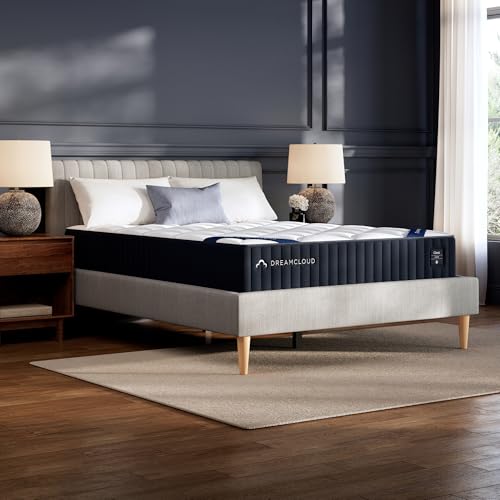
The DreamCloud Classic 12” features a thick euro-top that creates a soft, sinking-in sensation.
Explore DreamCloud’s hotel-style plushness with a 365-night trial →
Construction Deep Dive: Inside the Nectar Classic Hybrid 12”
Nectar builds the Classic Hybrid 12” to deliver a medium-firm profile, typically rated around 6.5 to 7 on a 10-point firmness scale. The cover uses cooling fibers woven directly into the surface, so you feel a noticeably dry touch the moment you lie down. Directly beneath it, a layer of gel-infused memory foam responds to pressure by contouring your hips and shoulders without letting you sink too deeply.
The true support core is a system of individually pocketed coils. Each coil moves independently, which helps maintain spinal alignment when you shift from your back to your side. A common mistake is assuming coils always add bounce—here, the foam layers above dampen the springiness enough that you can roll over without waking a partner. The perimeter of the mattress uses reinforced edge coils, so sitting on the side to tie your shoes feels stable, not like you are sliding off.
In practice, the Nectar Classic Hybrid’s edge support holds up well for daily sitting and getting in and out of bed.
All foams inside the Nectar Classic Hybrid are CertiPUR-US certified, meaning they are made without heavy metals, formaldehyde, or ozone depleters, and have low VOC emissions. This certification matters a great deal if you are sensitive to off-gassing or prioritize a healthier indoor environment. In my unboxing, the initial smell faded within 36 hours in a well-ventilated room.
What I Liked
- Cooler sleep than typical hybrids because the cooling cover and gel foam actively draw heat away.
- Balanced support for back and combination sleepers—the medium-firm feel kept my spine in a neutral line.
- Minimal motion transfer despite the coil core; I could barely notice when my partner changed positions.
- Solid edge support that makes the full mattress surface usable, not just the center.
- A full year to decide—the 365-night trial removes the pressure of an instant commitment.
Where It Comes Up Short
- Limited contouring for strict side sleepers; the firmer foam doesn’t provide the same deep shoulder sink that petite side sleepers often need.
- Initial off-gassing was noticeable, although short-lived.
- Not as plush as luxury pillow-top beds; you sit “on” the mattress more than “in” it.
Shopping tip: If you need a mattress that can serve both a back sleeper and an occasional side sleeper, this hybrid offers the right amount of firmness to keep your hips from dropping. Pair it with a breathable protector to preserve the cool-to-the-touch surface.
Construction Deep Dive: Inside the DreamCloud Classic 12”
The DreamCloud Classic 12” takes the opposite approach, designed to feel unmistakably plush the second you lie down. A hand-tufted cashmere blend cover sits atop a thick quilted euro-top that uses multiple layers of comfort foam. Under that, a gel memory foam layer melts away shoulder pressure—especially noticeable if you spend long hours on your side. The transition polyfoam ensures you never crash through to the coils, while a base of individually wrapped coils gives the mattress its lift and durability.
This mattress leans around a 5.5 to 6 on the firmness scale, making it noticeably softer than the Nectar. However, the reinforced edge coil system prevents the “rolling out of bed” sensation common in softer models. While the denser comfort layers give it a luxury hotel feel, they also trap slightly more body heat. I noticed I slept warmer here than on the Nectar, but upgrading to linen sheets and a lightweight duvet largely solved the issue.
The DreamCloud Classic’s tufted surface and deep comfort layers deliver immediate pressure relief for side sleepers.
Like the Nectar, the DreamCloud’s foams are CertiPUR-US certified, ensuring they meet rigorous standards for emissions and durability. The hand-tufting is not just decorative—those pulls prevent the layers from shifting over time, which directly contributes to the mattress’s long-term shape retention.
What I Liked
- Superior pressure relief for shoulders and hips; ideal for side sleepers or anyone with joint sensitivity.
- That “luxury hotel” feel right out of the box—the cashmere cover and deep quilting make a strong first impression.
- Excellent edge support despite the softer top; I could sit comfortably on the side while reading.
- Good motion isolation for couples, though a tiny bit more bounce than the Nectar.
- Same generous trial period—365 nights to be absolutely sure.
Where It Could Improve
- Warmer sleep due to the thicker plush top; hot sleepers will want cooling sheets or a lighter blanket.
- Less lumbar support for stomach sleepers—the softness can let hips sink too far, straining the lower back.
- Price varies by size, and in some sizes it sits higher than the Nectar for comparable dimensions.
Real-world note: If you mostly sleep on your side and wake up with dead arm or tingling shoulders, the DreamCloud’s ability to cushion those zones is a genuine upgrade. Just factor in that you may need to adjust your bedding to stay cool.
Head-to-Head Performance Showdown
I compared both mattresses across the factors that matter most night after night. Here is exactly how the Nectar Classic Hybrid 12” and DreamCloud Classic 12” stack up.
Comfort and Feel
| Aspect | Nectar Classic Hybrid 12” | DreamCloud Classic 12” |
|---|---|---|
| Initial sensation | Balanced, slightly firm, “on top” feel | Plush, enveloping, “hugged” sensation |
| Pressure relief | Good at hips and back, less for shoulders | Excellent for shoulders and hips |
| Best suited for | Back and combination sleepers who dislike deep sink | Side sleepers and anyone who craves a soft cradle |
Nectar score: 8/10 | DreamCloud score: 9/10
DreamCloud wins for plush, immediate comfort; Nectar rewards those who prefer support over sink.
Firmness and Spinal Support
| Trait | Nectar Classic Hybrid 12” | DreamCloud Classic 12” |
|---|---|---|
| Firmness rating | Medium-firm (roughly 6.5–7/10) | Medium-soft (roughly 5.5–6/10) |
| Lumbar support | Reinforced center keeps hips aligned | Softer contour; less pronounced lumbar lift |
| Edge support | Solid; minimal compression when sitting | Very strong despite plush top; reliable edge feel |
Nectar score: 8.5/10 | DreamCloud score: 8/10
Nectar provides clearer spinal alignment for back sleepers; DreamCloud trades some firmness for plushness without sacrificing edges.
Cooling and Temperature Regulation
| Cooling factor | Nectar Classic Hybrid 12” | DreamCloud Classic 12” |
|---|---|---|
| Top layer tech | Cooling fibers and gel-infused memory foam | Quilted euro-top with cashmere blend and gel foam |
| Airflow | Good breathability thanks to coil layer | Moderate; thicker padding retains more body heat |
| Hot sleeper suitability | Excellent—noticeably cooler night after night | Acceptable only with breathable bedding accessories |
Nectar score: 9/10 | DreamCloud score: 7/10
If staying cool is a non-negotiable, Nectar is the clear winner. DreamCloud warm-sleeps can be managed, but you will feel the difference on warm nights.
Motion Isolation and Partner Disturbance
| Motion factor | Nectar Classic Hybrid 12” | DreamCloud Classic 12” |
|---|---|---|
| Memory foam damping | Strong; firmer foam absorbs movement well | Good; gel foam plus plush layers mute most motion |
| Coil bounce perception | Low; coils are well-shielded | Slightly more noticeable, yet still minimal |
| Ideal for couples | Yes—great for restless partners | Yes—choose a larger size to maximize stability |
Nectar score: 8/10 | DreamCloud score: 8/10
Both score equally on motion isolation. Nectar’s firmer foam may provide a tiny edge in reducing surface-level chain reactions, while the DreamCloud’s thick comfort layers also dampen well.
Edge Support and Sitting Comfort
Strong edges matter for more than just sleeping—they affect how easily you get in and out of bed and whether you can sit comfortably. I tested sitting on the side of each mattress with my full weight, then lying near the edge. The Nectar had firm, predictable support with only minor compression. The DreamCloud surprised me: despite its plush top, the reinforced perimeter held up every bit as well. Neither mattress folds or collapses at the edge, which is a hallmark of a durable hybrid build.
Durability and Material Quality
Both brands use high-density foams paired with tempered steel coils, and each backs the mattress with a lifetime warranty (often called “forever warranty”). Hand-tufting on the DreamCloud adds a layer of structural insurance, while Nectar’s simpler construction is also proven over years of customer use. In practice, you can expect 7 to 10 years of reliable performance from either bed when paired with a supportive foundation.
Nectar score: 8.5/10 | DreamCloud score: 8.5/10
Durability is a tie; choose based on comfort preference, not longevity concerns.
Value, Trial Period, and Peace of Mind
| Purchase aspect | Nectar Classic Hybrid 12” | DreamCloud Classic 12” |
|---|---|---|
| Trial length | 365 nights | 365 nights |
| Warranty | Lifetime warranty | Lifetime warranty |
| Best value for | Cooler support seekers, firm-feel fans | Plush luxury and side-sleeping comfort |
Nectar score: 9/10 | DreamCloud score: 8.5/10
Both deliver excellent long-term value; Nectar edges ahead if you prioritize cooling and firmer support at a slightly lower typical price point.
Sleep Position Guide: Which One Fits You?
Finding a mattress that matches your dominant sleep style is one of the most effective ways to avoid waking up stiff or sore. Here is how each model performs for different positions.
Back sleepers: The Nectar’s firmer surface prevents the pelvis from dipping, keeping the spine aligned. The DreamCloud can work for lighter back sleepers, but heavier individuals may find the softer top lets their lower back sag.
Side sleepers: DreamCloud is far better here. Its thick comfort layers cradle the shoulder and hip, reducing pressure points. The Nectar, with its firmer profile, may cause numbness in the shoulder for petite side sleepers over time. A practical solution is to check how your weight distribution affects sinkage.
Stomach sleepers: Nobody wants an aching lower back. A stomach sleeper needs a firmer mattress to keep the hips lifted. Nectar is the safer pick; the DreamCloud’s softness often allows too much midsection sink, straining the lumbar spine. If you have chronic discomfort in this position, pairing the right mattress with proper pillow support becomes even more critical—many find that optimizing their daily posture and nighttime support significantly reduces back pain while sleeping.
Combination sleepers: If you switch between back and side, the Nectar’s easier repositioning and responsive coil bounce give it an advantage. The DreamCloud’s plushness can make changing positions a bit more sluggish. Still, both are serviceable for combo sleepers, so lean toward your dominant position.
If side sleeping is your primary position, investing in a mattress that truly cushions the pressure points can transform your recovery. I’ve seen that even small firmness differences make a noticeable difference in shoulder comfort, which is why I recommend exploring beds purpose-built for side sleepers if the DreamCloud still feels too firm.
Who Should Skip Each Mattress
Even excellent mattresses aren’t for everyone. Knowing when to rule one out saves you from a frustrating return process.
Skip the Nectar Classic Hybrid 12” if:
- You are a dedicated side sleeper under 150 pounds who needs deep pressure relief.
- You want a visibly plush, sink-in sensation the moment you climb into bed.
- You sleep cold and actually prefer a bit of warmth retention.
Skip the DreamCloud Classic 12” if:
- You sleep hot and are unwilling to change your bedding setup.
- You are a stomach sleeper over 200 pounds who needs firm lumbar support to prevent back strain.
- You prefer the feeling of sleeping “on” rather than “in” your mattress.
Outside of these caveats, both models serve a broad range of sleepers. If you are still uncertain, remember that finding a mattress tailored to your specific needs is the most reliable path to satisfaction—generic advice can never replace an honest assessment of your own body and habits.
Making the Right Long-Term Decision
A mattress purchase today is a commitment to your health for years. Both the Nectar and DreamCloud hybrids offer 365-night sleep trials—a crucial safety net because spinal alignment and pressure-point comfort reveal themselves over weeks, not minutes. In practice, I recommend spending at least 30 nights on a new mattress before making any firm judgment. Your body needs time to unlearn old sleeping patterns.
The lifetime warranty on each model protects against manufacturing defects and deep body impressions beyond a certain threshold. To make the most of that coverage, always use a proper, supportive base and rotate the mattress periodically. When you optimize your entire sleep environment—from blackout curtains to breathable sheets—you amplify the benefits of whichever hybrid you choose.
If you’re upgrading from an older all-foam mattress, you’ll immediately notice the improved edge support and temperature regulation that come from modern hybrid mattress technologies. And if chronic restlessness is what brought you here, small adjustments to your routine can also help. I regularly revisit strategies that promote deeper, more restorative sleep to pair with the right mattress choice.
Final Verdict: Which Mattress Is Your Top Pick?
The Nectar Classic Hybrid 12” and DreamCloud Classic 12” are both exceptionally well-built, backed by generous trial periods, and capable of transforming your nights. Your ultimate choice boils down to two distinct sensations.
Choose the Nectar Classic Hybrid 12” if you want:
A cooler, medium-firm mattress that keeps your spine aligned without a quicksand feel. It’s the better pick for hot sleepers, back sleepers, stomach sleepers, and combination sleepers who dislike excess sink.
Choose the DreamCloud Classic 12” if you want:
A plush, pressure-relieving mattress that feels like a five-star hotel bed. It shines for side sleepers, those with shoulder or hip tenderness, and anyone whose top priority is that cradling, “ahh” moment at the end of a long day.
Both mattresses will serve you well; you’re really deciding between firm, cool support and soft, enveloping luxury. If you’re still on the fence, take advantage of the 365-night trial—your own body’s feedback is the only review that truly matters.
Frequently Asked Questions
Which mattress sleeps cooler, Nectar Classic Hybrid 12” or DreamCloud Classic 12”?
The Nectar Classic Hybrid 12” sleeps noticeably cooler. Its cooling cover and gel-infused memory foam work together with the coil layer to dissipate body heat. The DreamCloud Classic 12” retains more warmth because of its thicker quilted top, though breathable sheets help close the gap.
Which one is firmer?
The Nectar Classic Hybrid 12” is firmer, averaging about 6.5–7 out of 10. The DreamCloud Classic 12” feels plusher and softer, typically around 5.5–6.
Which is better for side sleepers?
The DreamCloud Classic 12” is better for side sleepers. Its deep comfort layers and euro-top cradle the shoulders and hips, reducing pressure. The Nectar may feel too firm for petite side sleepers, potentially causing numbness.
Which mattress offers better back pain relief?
The Nectar Classic Hybrid 12” tends to be better for back pain thanks to its firmer support structure. It keeps the hips from sinking, maintaining a more neutral spine. The DreamCloud can suit lighter back sleepers but may encourage a slight arch in the lower back for some individuals.
Do both mattresses come with a trial and warranty?
Yes. Both the Nectar Classic Hybrid 12” and DreamCloud Classic 12” include a 365-night in-home trial and a lifetime (forever) warranty against manufacturing defects. Always read the specific terms, but those protections are among the strongest in the industry.
Can heavier people use these mattresses comfortably?
Both hybrids use high-density foams and reinforced coil systems that support heavier sleepers well. The Nectar’s firmer profile often provides an extra margin of support for those over 230 pounds, while the DreamCloud remains supportive but may feel softer under heavier weight—a sensation that could be either a comfort or a support concern depending on personal preference.
Still exploring your options? Take the next step toward better sleep by comparing how different constructions influence your nightly rest and which features genuinely matter for your body type. Your mattress is just one piece of the puzzle. The CDC’s sleep health guidance makes it clear that consistent sleep hygiene and a calming environment work hand in hand with your bed’s support. For more practical rest strategies that go beyond the mattress, explore our full library of sleep insights—it’s the fastest way to turn a good purchase into great nights.

Daniel Hart is a consumer product analyst who specializes in mattress technology, smart bedding, and home comfort innovation. Before joining Royal Comport, Daniel worked with several e-commerce research teams, testing and comparing sleep products for quality, value, and long-term performance. He brings data-driven insight and real-world testing to every review he writes.


