

A comforter does far more than top your bed — it anchors your sleep comfort, regulates temperature, and sets the visual tone of your bedroom. I’ve spent years testing bedding in real homes and working directly with textile manufacturers, and I’ve seen how the right comforter can quiet restless nights while the wrong one leaves you kicking off covers at 2 a.m. This guide merges hands-on experience with a deep dive into fills, construction, sizing, warmth ratings, care, and 2026’s best picks, so you can make a confident choice that suits your exact sleep style.
Source: walmart.com
What Exactly Is a Comforter?
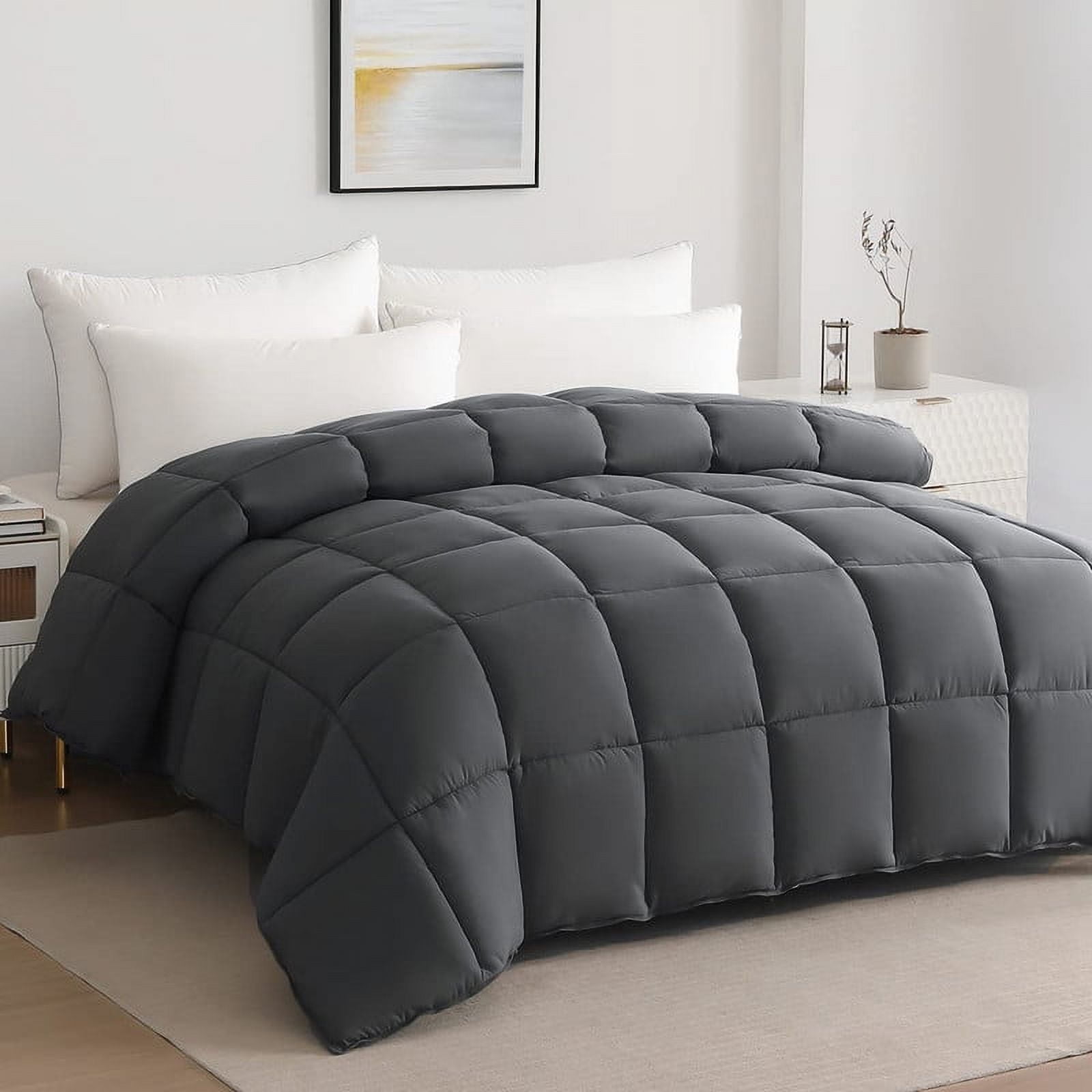
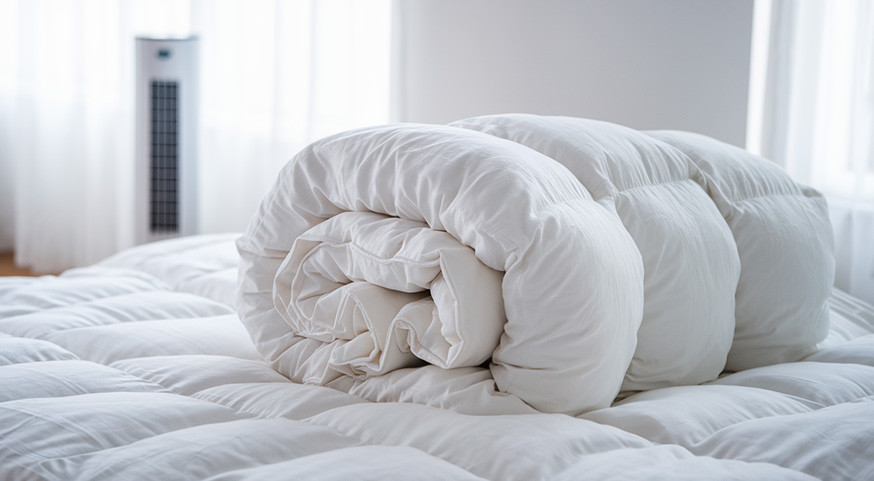
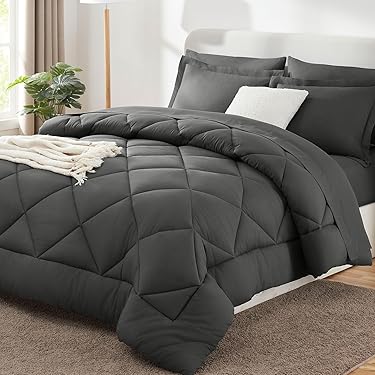
A comforter is a thick, quilted blanket designed to be used as the top layer of your bedding. It consists of an outer shell — typically cotton, polyester, or a cotton blend — and an inner fill sealed between stitched compartments. The fill traps warm air, creating an insulating layer that keeps you cozy without the need for a pile of separate blankets. You can also read our guide on best luxury bedding brands.
Comforters should not be confused with duvets, quilts, or coverlets. A duvet is usually a plain white insert meant to live inside a removable duvet cover; a comforter, by contrast, is finished with decorative fabric and stitching, ready to use on its own (though many people protect it with a duvet cover anyway). A quilt is thinner, often pieced together with patchwork, and used as a lightweight topper or decorative layer. A coverlet is even lighter, designed for warm weather or layering.
The category has evolved considerably. Today’s comforters incorporate advanced synthetic fills that rival the loft of high-end goose down, organic-certified shell fabrics, and construction methods that eliminate cold spots even after dozens of washes. In practice, what separates a forgettable comforter from one you’ll love for years comes down to the interplay of fill, shell, stitching, and weight — all of which I’ll unpack in detail.

Source: amazon.com
Types of Comforters and Fills
The fill is the engine of a comforter. Each material brings a distinct balance of warmth, weight, breathability, and maintenance. Here’s what you’ll encounter in 2026 and how those options perform when your head actually hits the pillow.
| Fill Material | Warmth Profile | Weight | Breathability | Best For |
|---|---|---|---|---|
| Down (goose/duck) | Excellent warmth-to-weight; fills 600–800+ provide lofty insulation | Very light | Moderate (needs a breathable shell) | Cold sleepers, luxury seekers |
| Down Alternative (microfiber, gel fiber, recycled PET) | Good warmth; mimics down loft | Light to medium | Good to excellent | Allergy sufferers, budget-conscious shoppers, frequent washers |
| Wool (natural fiber) | Regulates temperature naturally; warm in winter, cool in summer | Medium to heavy | Very high; wicks moisture | All-season use, hot sleepers, humid climates |
| Silk | Lightweight warmth; naturally temperature-regulating | Very light | Excellent | Hot sleepers, sensitive skin, luxury buyers |
| Cotton (batting) | Moderate warmth with low loft | Medium | High | Warm sleepers, easily washable in a normal machine |
| Blended fills | Tailored feel; e.g., down-feather blends for weight or silk-cotton for softness | Varies | Varies | Those wanting a specific feel |
In my testing, a high-quality down alternative with a 300–350 GSM (grams per square metre) fill weight delivers a down-like puff at a fraction of the cost and is completely machine washable — a practical advantage in households with kids or pets. Down, however, remains unmatched for that cloud-like loft and longevity when properly cared for. If you’re dealing with night-time sneezing or congestion, prioritising a truly hypoallergenic fill can be transformative for alleviating nighttime allergy symptoms.
Understanding Warmth: Fill Power and TOG Ratings
Two numbers dominate comforter warmth discussions: fill power and TOG. Knowing what they actually measure keeps you from buying a comforter that either suffocates you or leaves you shivering.
Fill power applies to down and measures the loft and insulating ability of one ounce of down. A higher number — say, 800 — means the down clusters are larger, trap more air, and provide more warmth for less weight. A 600 fill power comforter can still be warm if filled heavily, but it will weigh more to achieve the same warmth as a lighter 750 fill. The sweet spot for most people is the 600–700 range: warm enough for cooler bedrooms, lightweight enough for year-round comfort.
TOG rating is a thermal resistance scale widely used in Europe. It gives an absolute warmth value independent of fill type. A 4.5 TOG comforter suits summer; a 7–9 TOG is a good spring/autumn weight; anything above 10.5 is deep-winter territory. While not universal on North American packaging, many premium brands now list both fill power and TOG.
When you marry these metrics with the conditions of your bedroom, you’ll make a smarter choice. The temperature and airflow in your personal sleep setting can shift the warmth you need by a full comfort level.
Source: downlitebedding.com
Comforter Construction and Stitching: Why It Matters
All that fill is useless if it migrates into clumpy corners. Construction determines how evenly warmth is distributed — and how long a comforter holds its shape.
- Baffle box construction: Strips of fabric sewn between the top and bottom shell create three-dimensional walls that let down or alternative fill loft fully. This eliminates thin cold spots at the stitch lines and is the gold standard for high-end down comforters.
- Sewn-through (box stitch or channel stitch): The top and bottom shells are stitched directly together, forming pockets. While cheaper to manufacture, this style compresses fill at the seams, creating cooler lines. It works fine for lighter-weight or down alternative comforters where high loft isn’t critical.
- Gusseted edges: Often paired with baffle boxes, a gusset adds height around the perimeter so that the comforter drapes with a plush, fuller look.
- Edge binding and double stitching: The perimeter is a wear point. Tight piped edges or double-fold binding prevent fraying, especially on comforters that get tossed in the washer.
I’ve retired more than one budget comforter that shifted its fill into lumpy mountains after just six months of use. Spending a little more on a well-constructed baffle-box design repays you in nightly comfort and years of even performance.

Source: amazon.com
Sizing and Fit: Getting the Perfect Drop
A “queen” comforter from one brand can measure 88 by 90 inches; another brand’s queen might be 90 by 94. Dimensions are not standardised, so never assume. A proper fit means the comforter hangs evenly over three sides of the bed, covering the mattress sides and any gap you want to hide.
- Twin / Twin XL: Look for widths around 66–68 inches; Twin XL adds length to accommodate taller sleepers.
- Full / Double: Typically 80–84 inches wide.
- Queen: 88–92 inches wide, 90–96 inches long.
- King: 104–108 inches wide; Eastern King and California King differ in length, so check the tag.
- Oversized / Grand King: Extra-wide for deep mattresses or those who prefer generous overhang.
Aim for an 8–12 inch drop on each side and the foot. If you’re using a duvet cover, either match dimensions exactly for a snug fit or choose a comforter 2 inches smaller on width and length so it slides into the cover without bunching. For split-king adjustable beds, twin XL comforters are often easier to manage as separate pieces. Don’t underestimate the impact of a properly sized comforter on achieving truly restorative rest — there’s nothing more disruptive than tugging at a cover that won’t stay put.

Source: verolinens.com
How to Choose a Comforter by Sleep Style and Climate
Your metabolism, bedroom temperature, and regional humidity matter more than any brand name. Here’s how to match a comforter to your reality, season after season.
Hot sleepers and warm climates: Breathsability is non-negotiable. Seek out lightweight down alternative (around 200–300 GSM), silk fill, or a thin wool comforter. Cotton shells with a percale weave further boost airflow. I keep a 4.5 TOG silk comforter on hand for humid summer nights — it disappears in feel while still providing a weightless layer.
Cold sleepers and drafty rooms: High-fill-power down (700+) with a baffle-box build delivers serious insulation without bulk. If down isn’t an option, a heavier down alternative with a brushed microfiber shell traps heat effectively. Wool comforters are another heavy-hitter here, as they retain warmth even when moisture is present.
Couples with mismatched temperatures: Split-weight comforters — or simply using two twin-sized comforters of different warmth levels on a king bed — solves the thermostat battle. This Scandinavian approach lets each person regulate their own microclimate and has become increasingly popular in North America.
Humid or coastal regions: Wool and lightweight down wick moisture away from the body, reducing that clammy feeling synthetic fills can trap. Look for breathable shell fabrics and avoid very dense polyester weaves. Thermal comfort in bedding is deeply linked to sleep quality; research into bedding microclimates consistently highlights how even a slight mismatch can fragment sleep stages. For a deeper look at how sleep quality influences overall well-being, the CDC’s sleep health guidelines offer a science-backed perspective.

Source: amazon.com
Top Comforter Picks for 2026: What to Look For
While I can’t recommend a single universal comforter, my testing reveals common traits among the standouts this year. Use these category-specific criteria to identify a winner, whether you’re browsing in-store or online.
- Best Overall Down Comforter: Look for 650–750 fill power, baffle-box construction, a 100% cotton shell (ideally sateen for a soft hand), and Responsible Down Standard (RDS) certification. Weight should be around 30–40 ounces for a queen to feel substantial yet cloud-light.
- Best Down Alternative: Target a 300–350 GSM fill with a soft brushed microfiber or cotton shell. Sewn-through box stitching is acceptable at this weight; what you gain is machine-wash convenience and a price point that’s often under $150 for a queen. It’s the go-to for households that need a comforter that can survive weekly washes.
- Best for Hot Sleepers: A silk- or lyocell-blend fill with a high thread count cotton shell wicks moisture beautifully. Even a thin 200 GSM down alternative can work if the shell is an open-weave percale. Ventilated fill technology, where micro-gaps in the batting allow air to circulate, has also appeared this year in several mid-tier designs and genuinely reduces heat buildup.
- Best Wool Comforter: All-season wool (often 300–400 GSM) with a certified organic cotton shell. It feels heavier than down but compensates with unmatched temperature regulation. Pay attention to the wool source — traceable, ethically farmed wool from New Zealand or Australia tends to have a finer fibre with less prickle.
- Best Budget Pick: A 250–300 GSM down alternative with box stitching and a brushed polyester shell often lands under $80 for a queen. These won’t mimic the loft of premium down, but they deliver clean, even warmth and are entirely disposable in a pinch without guilt.
- Best Luxury Splurge: A 800+ fill power goose down comforter with a 400+ thread count cotton sateen shell and double-needle piping can transform a bed into a hotel-like retreat. Expect to invest upwards of $400–600, but the longevity often exceeds a decade with proper care.
When comparing options, I consistently find that recommended bedding add-ons like a quality duvet cover and mattress protector extend the life of any comforter, keeping it shielded from body oils and reducing wash frequency.
Care and Cleaning: Keeping Your Comforter Fresh and Fluffy
Good care habits double the lifespan of your comforter and help maintain its insulating power. The cardinal rule: read the sewn-in label. Even within the same fill category, construction materials dictate heat and agitation limits.
- Machine washing: Many down alternative and some down comforters tolerate front-loading machines on a gentle cycle with a mild, liquid detergent. Powder can leave residue. Use cold to warm water, never hot, as heat damages both down clusters and synthetic fibres.
- Drying: This is where most people go wrong. Use a large-capacity dryer on low heat. Toss in three to six wool dryer balls (or clean tennis balls) to break up clumps as the fill dries. Expect long cycles — sometimes up to three hours — and stop only when there is zero cold-damp sensation. Any residual moisture invites mildew.
- Spot cleaning: For small stains, dab with a mild soap solution and cold water, then dry the area with a hairdryer on low. Avoid rubbing, which mats the fill.
- Air it out: Once a month, drape the comforter over a drying rack or outdoor line for a few hours. This releases trapped humidity and revives loft.
- When to wash: Twice a year is typical unless you never use a top sheet. If the comforter begins to hold odours or feels flat after fluffing, it’s time.
Adopting these habits ties directly into sound sleep hygiene, ensuring your bed remains a sanctuary rather than a reservoir of dust mites and bacteria.
Source: amazon.com
Budgeting and Where to Invest
Comforters span $40 to $1,000+, and the gap is not just branding. Understanding the cost drivers lets you spend cleverly without wasting money.
- Fill cost: High fill power white goose down is expensive to source and process; recycled down alternative is far cheaper. A mid-range down alternative with good stitching often outperforms cheap, loosely filled down.
- Construction cost: Baffle boxes require extra labour and fabric. A sewn-through comforter with the same fill will cost less but deliver less consistent warmth.
- Shell fabric: Long-staple cotton sateen with a high thread count adds supple softness and down-proofing, driving up the price. A basic polyester shell is budget-friendly and still functional.
- Certifications: Ethical sourcing and chemical-safety labels (RDS, Oeko-Tex, GOTS) add some cost but provide assurance. Decide if those matter to you.
- Warranty: Premium comforters often carry 5–10-year warranties against defects. They’re a sign the manufacturer stands behind the integrity of baffle walls and stitching.
My rule of thumb: invest heavily in the fill and construction, moderately in the shell, and never overpay just for a luxury label you can’t see in the dark. A well-chosen $200 baffle-box down comforter can equal the warmth and hand-feel of a $600 counterpart if the shell is simple and unbleached.

Source: amazon.com
Sustainability, Certifications, and Health Considerations
As textile transparency improves, more buyers are demanding proof that their comforter hasn’t come at the expense of animals, workers, or their own lungs. Here are the certifications that matter in 2026.
- Responsible Down Standard (RDS): Ensures down and feathers come from birds that were not subjected to unnecessary harm, live-plucking, or force-feeding. It also mandates traceability through the supply chain.
- Oeko-Tex Standard 100: Tests for harmful substances, including formaldehyde, heavy metals, and allergenic dyes. A comforter with this label is safe for direct, prolonged skin contact.
- Global Organic Textile Standard (GOTS): Covers organic fibres, from harvesting through socially responsible manufacturing. Applies to cotton shells more than fills.
- GREENGUARD Gold: Low chemical emissions, particularly relevant for sensitive individuals or children’s rooms.
- Recycled and sustainable fills: Some brands now use recycled PET bottles for polyester fill or repurposed wool fibres. They perform comparably to virgin synthetics and carry a lighter environmental footprint.
Choosing certified products isn’t just feel-good purchasing; it directly impacts nighttime breathing and skin health. I’ve seen too many off-gassing comforters cause throat irritation in already allergy-prone sleepers. The incremental cost is often just 10–15% and worth every penny.

Source: housebeautiful.com
Common Mistakes When Buying a Comforter
I’ve watched smart shoppers repeat these missteps. Dodge them and you’ll sidestep months of discomfort.
- Mistaking weight for warmth: A heavy comforter isn’t necessarily warm if the fill has lost loft or is dense with no air pockets. Choose by fill power or TOG, not sheer heft.
- Ignoring shell breathability: A high-thread-count fabric can become a vapour barrier if it’s tightly calendered polyester. That turns a perfectly good down comforter into a sweat trap.
- Skipping the pre-wash check: Even “machine washable” comforters may require a commercial-sized drum. If your home washer is a small top-loader, you’re setting yourself up for a soaked, distorted mess.
- Assuming size standardisation: Always, always measure. A “Full/Queen” tag that’s actually 86×86 inches will leave large gaps on a modern queen mattress with thicker depth.
- Overlooking return policies: Many retailers accept opened bedding only if defective. If you’re unsure, buy from a store with a sleep trial or satisfaction guarantee.
- Using no duvet cover: It’s tempting to go cover-free for the look, but a duvet cover dramatically reduces washing frequency and protects the investment. The one time I skipped it, I ended up with a permanent yellow stain from natural body oils after just six months.
Pro Tips from Years of Testing
Beyond the technical specs, small habits amplify comfort and longevity:
- Layer for versatility: Keep a lightweight summer comforter and add a quilt or coverlet on colder nights rather than swapping the whole piece. It’s easier to adjust.
- Rotate and flip: Every two months, rotate head-to-foot and flip the comforter so that wear distributes evenly across the fill.
- Use a duvet cover with corner ties: Ties or snap-button corners prevent the comforter from bunching inside the cover. I will never go back to tie-less covers.
- Match shell weave to your sheets: A sateen comforter shell paired with crisp percale sheets prevents that slide-around feeling some sleepers dislike. Conversely, if you love slipping into bed, keep shell and sheet weave smooth.
- Store it right: When not in use, store in a breathable cotton bag, never a plastic vacuum bag that compresses fibres permanently. Add a cedar block to deter moths naturally.
Your Comforter Buying Checklist
Before you checkout, run through this list:
- Fill material chosen based on warmth needs and allergies
- Fill power (down) or GSM / TOG (alternative) matches your bedroom temperature
- Construction type (baffle box vs. sewn-through) suits your longevity expectations
- Dimensions cross-checked against mattress depth and desired overhang
- Shell fabric is breathable and comfortable against your skin
- Care label matches your home laundry capacity
- Certifications verify ethical sourcing and chemical safety, if important to you
- Warranty and return policy reviewed
- Duvet cover (and possibly coverlet) planned to complete the setup
Frequently Asked Questions
What is the difference between a comforter and a duvet? A comforter is a finished, decorative blanket stuffed with fill. A duvet is typically a plain white insert designed to be used inside a duvet cover. Comforters can stand alone; duvets always need a cover.
How often should I wash my comforter? Twice a year is standard if you use a top sheet. Without a top sheet, wash it every three to four months. Always air it out monthly.
Are down comforters better than down alternative? Down offers superior warmth for its weight and lasts longer when cared for. Down alternative is hypoallergenic, machine-washable, and often much more affordable. One isn’t universally better; it depends on your priorities.
What fill power should I pick? For year-round comfort in a moderately cool bedroom, 600–700 fill power works well. Hot sleepers can drop to 500–600; cold sleepers can push to 750+.
Can I machine dry a down comforter? Yes, on low heat with dryer balls to restore loft. Make absolutely certain it is bone dry before storing, or mildew will form.
Do comforters lose warmth over time? Fill compresses with body weight and humidity, which can reduce insulating ability. Fluffing daily and following proper cleaning extends warmth life significantly.
What’s a split-weight comforter? It has different fill weights on each side of the bed — lighter for a hot sleeper, heavier for a cold sleeper. Some brands also offer two separate twin comforters joined at the foot.
Conclusion
Your comforter is the final, enveloping layer between you and a restless night. When the fill, construction, size, and certification align with your sleep style, you feel it instantly—cooler in July, warmer in January, and never fighting for covers. I encourage you to measure your mattress, know your bedroom temperature, and invest in a comforter built for how you actually sleep, not just how you think you should. Care for it properly, pair it with a breathable duvet cover, and it will reward you with years of consistent comfort.
To build a complete sleep system, take a moment to explore practical sleep improvements that complement your new bedding, and remember that even the best comforter works twice as hard when paired with a supportive mattress. If you’re curious about how different materials affect pressure relief and rest quality, our deep dives into mattress construction and support designs will guide you further. The right bed truly begins with the right cover.

Daniel Hart is a consumer product analyst who specializes in mattress technology, smart bedding, and home comfort innovation. Before joining Royal Comport, Daniel worked with several e-commerce research teams, testing and comparing sleep products for quality, value, and long-term performance. He brings data-driven insight and real-world testing to every review he writes.


