

Sunbrella cushions are a smart investment. The fabric is tough, fade-resistant, and comfortable in almost any climate. But it is not maintenance-free. Pollen, dust, bird droppings, sunscreen, spilled drinks, and morning dew all leave traces behind. The good news? Cleaning Sunbrella is simple when you follow the right routine.
This guide walks you through everything you need: the safest cleaners, how to remove specific stains, machine-washing rules, drying methods, and common mistakes to avoid. No harsh chemicals, no guesswork. For more on this, see our guide on how to clean sunbrella outdoor cushions.
Regular care can also make your whole home feel fresher. A clean, dry cushion invites you to sit outside, slow down, and unwind — especially if the space where you sleep gets the same level of attention.
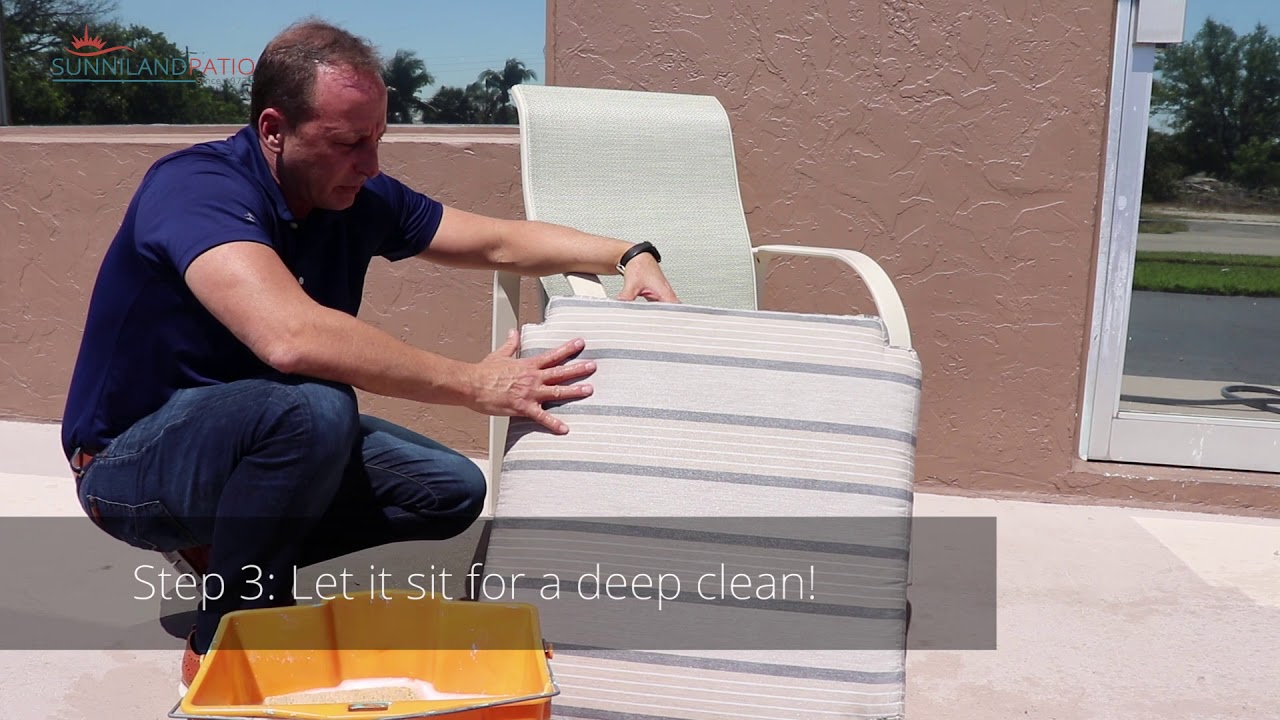
Sunbrella fabric keeps its color best when dirt is removed before it settles in.
Image source: youtube.com
Why Cleaning Sunbrella Cushions Matters
Sunbrella is a solution-dyed acrylic fabric. The color runs through the fiber rather than sitting on top of it, which is why the fabric resists fading so well. But that durability does not make it stain-proof. Dirt, body oils, and organic matter can build up over time and make the fabric look dull. For more on this, see our guide on how to clean pollen off outdoor cushions.
Mildew is another reason to clean regularly. Sunbrella itself does not feed mildew, but the dirt trapped in the fabric can. Once moisture gets into the cushion foam through zippers or seams, smells can develop quickly.
Keep this in mind: Sunbrella is water-resistant, not waterproof. It repels light rain and splashes, but heavy rain can soak through the cover and into the cushion.
What You Need to Clean Sunbrella Cushions
Below are the tools and materials that make the job quick and effective.
| Tool or Material | Why You Need It |
|---|---|
| Soft-bristle brush | Lifts dirt without damaging fibers |
| Mild dish soap | Cuts grease and everyday grime safely |
| Bucket and warm water | Holds the cleaning solution |
| Spray bottle | Applies spot treatments evenly |
| Garden hose with nozzle | Rinses away soap and debris |
| White vinegar | Neutralizes odors and helps with mildew |
| Baking soda | Absorbs smells and light grease |
| Clean microfiber cloths | Blot spills and wipe surfaces |
| Wet/dry vacuum | Removes soapy water from non-removable covers |
| Washing machine | Safe for removable covers that are marked machine-washable |
| Clothesline or drying rack | Air dries covers without heat damage |
A Note on Cleaners
Mild soap and lukewarm water are enough for most cleaning jobs. Sunbrella’s official guidance still recommends this simple approach for routine care. Avoid harsh solvents, dry-cleaning chemicals, or abrasive cleaners. They can strip water repellency, dull the color, and sometimes void the warranty.
If the care tag allows bleach, use it only for stubborn stains and only in a diluted solution. Never mix bleach with other cleaners.

Everything you need can fit in one small caddy near the patio door.
Image source: sunbrella.com
How to Clean Sunbrella Outdoor Furniture Cushions: Step-by-Step
For seasonal deep cleaning or heavily soiled cushions, follow this method.
Step 1: Check the Care Tag
Before doing anything, look for the fabric care label. It will tell you whether the cover is removable, machine-washable, or spot-clean only. Follow that label first. If the tag is missing, test any cleaner on an inconspicuous spot before treating the whole cushion.
Step 2: Brush Off Loose Dirt
Use a soft-bristle brush to remove dust, pollen, crumbs, and pet hair. Brush gently in one direction so you do not push dirt deeper into the weave. Pay extra attention to creases and seams.
Step 3: Rinse With Water
Spray the cushions lightly with a garden hose. A gentle stream is enough. This wets the fabric and lifts loose particles before you apply soap. Avoid high-pressure nozzles, which can force water into the cushion foam.
Step 4: Wash With Mild Soap
Mix about one tablespoon of mild dish soap into one gallon of lukewarm water. Dip a soft brush or sponge into the solution and scrub the fabric using small circular motions. Work from the top of the cushion down and avoid soaking the foam.
For areas with built-up grime, let the soap sit for five to ten minutes before scrubbing again.
Step 5: Rinse Thoroughly
Rinse until all soap suds are gone. Soap residue is sticky and will attract more dirt, so this step matters more than most people think. If you see foam still appearing, rinse again.
Step 6: Dry Completely
Air drying is best for Sunbrella. Stand the cushions on edge so both sides get airflow, or place them on a clean, dry surface in the shade. Indirect sun works well. Direct afternoon sun is okay for short periods, but avoid leaving wet fabric baking in intense heat for hours.

A soft brush and a bucket of soapy water are all you need for a thorough deep clean.
Image source: sunbrella.com
Quick Weekly Maintenance Routine
You do not need to deep clean every week. A ten-minute routine between cleanings keeps cushions looking good and cuts down on heavy scrubbing later.
- Brush off loose dirt and debris once a week.
- Rinse cushions with plain water after dusty or windy days.
- Blot fresh spills immediately with a clean cloth.
- Air cushions out in the shade for an hour or two.
The faster you deal with spills, the less likely they are to leave a permanent mark.
How to Remove Common Cushion Stains
Different stains need different treatments. Always work from the gentlest option upward.
| Stain Type | Best Treatment |
|---|---|
| Coffee, tea, juice, soda | Blot the area, then wash with mild soap and water. Rinse thoroughly. |
| Oil, grease, sunscreen | Cover the spot with baking soda or cornstarch. Let it sit for 30 minutes, brush away, then wash with dish soap. |
| Mildew or mold | Use a diluted vinegar solution first, or follow the manufacturer’s bleach instructions for stubborn patches. Rinse completely. |
| Ink, marker, dye | Dab with rubbing alcohol on a white cloth. Do not rub hard. Rinse and repeat as needed. |
| Bird droppings | Let the spot dry slightly, scrape off gently, then wash with soap and water. |
| Rust | Use a rust remover designed for outdoor fabrics. Test in a hidden spot first. |
| Tomato sauce, ketchup | Remove solids, blot, then wash with mild soap. Rinse thoroughly. |
Persistent mildew is a moisture problem, not just a fabric problem. The EPA recommends controlling moisture early and cleaning visible mold promptly. The same principle applies to outdoor cushions: keep them dry, and mildew will not have a chance to settle.

For spot treatments, spray lightly and blot instead of rubbing hard.
Image source: youtube.com
Machine Washing and Drying Sunbrella Covers
Many Sunbrella cushion covers are machine washable, but you must check the care tag first.
How to Wash Cushion Covers Safely
- Close all zippers to protect the zipper teeth.
- Turn the cover inside out to reduce surface friction.
- Use cool water and a gentle cycle.
- Use a small amount of mild liquid detergent.
- Do not use fabric softener. It coats the fibers and reduces water repellency.
- Never machine-wash the foam insert. The agitation will tear the foam apart.
How to Dry Machine-Washed Covers
Air drying is the safest method. Hang the covers over a drying rack or clothesline, then reshape them while slightly damp.
If the care tag specifically allows low-heat tumble drying, remove the cover while it is still slightly damp. This prevents wrinkles and makes it easier to put the cover back on the cushion.
Cleaning Cushions With Non-Removable Covers
Not every cushion has a zippered cover. For attached or sewn-on covers, a full soak is not possible, but you can still clean them well.
- Brush off loose dirt.
- Spray the fabric with water until damp.
- Scrub with a mild soap solution using a soft brush.
- Rinse the surface with clean water.
- Use a wet/dry vacuum to pull soapy water out of the fabric.
- Repeat until the water runs clear.
A wet/dry vacuum is the most effective tool for this job. It prevents the foam from staying wet for too long, which reduces the risk of mildew.
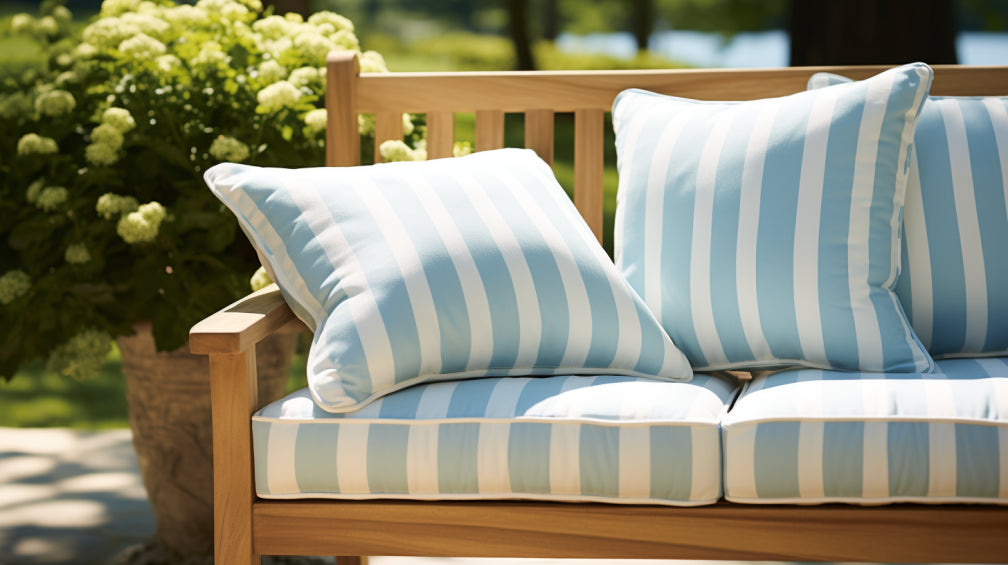
The fastest way to prevent odor is to let the foam dry completely before using the cushion again.
Image source: fj-outdoors.com
Drying, Reshaping, and Deodorizing
Proper drying is just as important as cleaning. Cushions that stay damp for too long develop musty smells and can encourage mildew inside the foam.
Best Drying Practices
- Air dry cushions flat or leaning upright so both sides get airflow.
- If the cover has a zipper, open it slightly so air reaches the foam.
- Use a fan to speed up drying in humid weather.
- Avoid hair dryers, radiators, or high-heat tumble drying unless the label says otherwise.
How to Remove Odors
If cushions smell musty after cleaning, sprinkle a thin layer of baking soda over the fabric. Let it sit for an hour, then vacuum it off. For a stronger odor, spray the fabric lightly with a mixture of one part white vinegar and four parts water. Let it dry in the shade.
A well-dried cushion keeps its shape longer. The same idea applies indoors: if you often wake up with an aching back overnight, the support under you is worth checking too.
Common Mistakes That Shorten Cushion Life
A few simple mistakes cause most Sunbrella cushion damage.
Using Harsh Cleaners
Bleach, ammonia, and solvent-based cleaners can strip color and weaken stitching. If you use bleach, follow the care tag instructions and dilute it properly.
Scrubbing Too Hard
Stiff brushes and abrasive pads can rough up the fabric surface and make future stains harder to remove. Always use a soft-bristle brush.
Leaving Cushions Wet
Wet cushions attract mildew and trap moisture in the foam. Dry them quickly, especially before storing.
Assuming All Covers Are Machine Washable
Some Sunbrella covers are machine washable. Others are not. The care tag is the final authority. If you wash a non-washable cover, you may distort the stitching or damage the backing.
Pressure Washing at Close Range
A pressure washer can push water through seams and zippers. If you use one, keep the pressure low and the nozzle several inches away from the fabric. A garden hose is almost always the safer choice.

The right brush is soft enough to be safe for outdoor performance fabrics.
Image source: gmdckalakote.in
Protecting Cushions for Long-Term Use
Prevention is the best way to make cushions last.
Use a Fabric Protector
After cleaning and drying completely, you can apply a fabric guard designed for outdoor performance fabrics. It restores water repellency and makes the next cleaning easier. Reapply it after deep cleaning or after a long rainy season.
Store Cushions During Harsh Weather
Sunbrella can handle sun and rain, but heavy snow and prolonged storms are harder on the foam. Store cushions in a dry, ventilated space during winter or during extended bad weather.
Rotate Cushions
If you flip and rotate cushion positions every few weeks, the fabric wears more evenly. This is especially helpful on cushions that face direct sun for most of the day.
Clean Spills Immediately
A spill that sits for a week is much harder to remove than one you blot right away. Keep a small spray bottle of diluted soap near the patio for quick cleanups.
Outdoor cushions collect pollen, pet dander, and dust throughout the season. Cleaning them regularly reduces the number of allergens you bring inside. It’s the same reasoning many people use to keep allergens out of the bedroom — less dust and pollen makes it easier to breathe and relax.

A fitted cover adds an extra layer of protection during stormy weather.
Image source: sunbrella.com
How Clean Cushions Support Better Rest
There is a simple connection between a clean outdoor lounge area and better relaxation. When your cushions look fresh and smell clean, you are more likely to actually use them for reading, napping, or sitting in the evening air.
Daylight and fresh air help regulate your body’s natural sleep rhythm. Combine that with simple, proven habits, and you may find your evenings become noticeably calmer.
Frequently Asked Questions
Can I use bleach on Sunbrella fabric?
Only if the care tag allows it. Sunbrella’s official guidance permits diluted bleach for stubborn stains, but you must rinse thoroughly afterward. Bleach can affect thread color and nearby trim, so spot-test first.
How often should I deep clean Sunbrella cushions?
Deep clean once or twice a year. If you live in a dusty area, near the coast, or under heavy tree cover, clean more often. Spot-clean spills immediately throughout the season.
Will Sunbrella shrink in the washing machine?
Sunbrella covers are unlikely to shrink when washed in cool water on a gentle cycle. Hot water or high-heat drying can cause shrinkage. Always follow the care label.
How do I remove mildew smell from cushions?
Rinse the cushion, spray it with a vinegar and water solution, and let it dry completely in the shade. For stubborn smells, sprinkle baking soda over the fabric, wait an hour, and vacuum it off.
Can I pressure wash Sunbrella cushions?
You can, but only at low pressure and from a distance. High pressure can force water into the foam and damage the fibers. A garden hose and soft brush are usually safer.
Are Sunbrella cushions waterproof after cleaning?
No. Sunbrella is water-resistant, not waterproof. Cleaning helps maintain that resistance, but heavy rain can still soak through. Use covers or store cushions indoors during severe weather.
What cleaner is safe for Sunbrella?
Mild dish soap, lukewarm water, and a soft brush are safe for routine cleaning. Avoid harsh solvents, abrasive cleaners, and dryer sheets or fabric softeners.
Final Thoughts
Learning how to clean Sunbrella outdoor furniture cushions is mostly about consistency. Brush off loose dirt, rinse, clean with mild soap, rinse again, and dry thoroughly. Treat spills as soon as they happen and protect cushions during harsh weather. That simple routine keeps the fabric bright, comfortable, and ready for guests all season long.
Start with one cushion this weekend. You will see the difference immediately. Once your outdoor space feels fresh and inviting, give the same attention to your indoor space too — you might find yourself enjoying deeper rest at night.

Daniel Hart is a consumer product analyst who specializes in mattress technology, smart bedding, and home comfort innovation. Before joining Royal Comport, Daniel worked with several e-commerce research teams, testing and comparing sleep products for quality, value, and long-term performance. He brings data-driven insight and real-world testing to every review he writes.


