

Nothing kills a cozy living room faster than a couch whose cushions sag, shift, or tear. Attached cushions offer a clean, streamlined look, but when they start to fail, the whole sofa feels tired. The good news is that most problems—from loose Velcro to worn-out foam—can be fixed in an afternoon with basic tools and a little patience. This guide walks you through every common issue, the exact materials you’ll need, and step-by-step repairs that restore comfort and appearance. By the end, your couch will feel as supportive as the day you bought it.
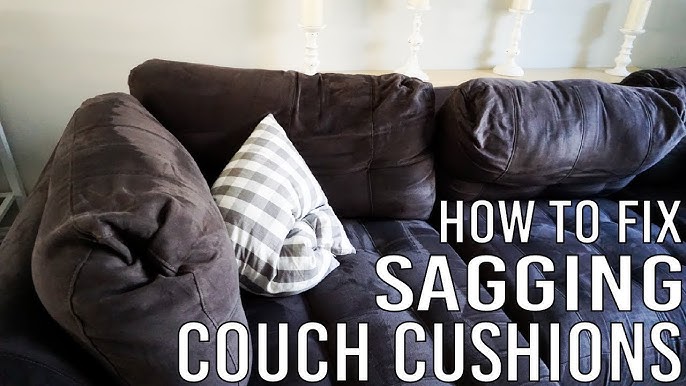 Common tools and materials needed for reattaching loose couch cushions.
Understanding Attached Cushion Problems
Before grabbing a staple gun, it helps to diagnose exactly what’s wrong. Attached cushions are sewn or fastened directly to the couch frame, which prevents them from slipping off but also hides the underlying structure. Over time, the attachment points, fabric, or internal foam can fail. For more on this, see our guide on how to fix sagging couch cushions.
Loose Cushions
If your cushion shifts when you sit or leaves a gap along the back, the stitching or fasteners have loosened. This is the most common complaint and often the easiest to fix. A loose cushion not only looks messy but can also cause uneven wear on the foam.
Worn Velcro or Fasteners
Velcro strips, snap buttons, or zippers are the usual suspects. After a few years of daily use, the hook-and-loop pile loses grip, snaps break, and zippers jam. Replacing these fasteners is cheap and instantly restores a secure hold. For more on this, see our guide on how to fix lumpy couch cushions.
Torn Fabric
Small rips happen from pets, kids, or simply friction. A quarter-inch tear can become a three-inch gash in weeks if left alone. Early repair prevents the fabric from raveling and keeps the cushion structurally sound.
Sagging Foam
Foam loses resilience over time, especially in high-use areas. If the cushion feels soft and doesn’t spring back, the foam is likely compressed. Replacing or adding foam layers is the most effective way to revive comfort.
Tools and Materials You’ll Need
Having everything on hand before you start makes the repair go smoothly. Most items are inexpensive and available at craft or hardware stores.
Basic Sewing Supplies
- Needle and thread (match the fabric color)
- Sharp scissors
- Seam ripper (to remove old stitching)
- Straight pins
Adhesive Options
For quick fixes without sewing, use fabric glue designed for upholstery. Spray adhesive works well for bonding foam to fabric. Hot glue is strong but can be messy—use sparingly and on non-visible areas.
Replacement Fasteners
- Velcro strips with adhesive backing (1–2 inches wide)
- Replacement snap buttons and a snap tool
- Zippers (measure the cushion opening first)
Foam and Padding
- High-density foam sheets (2–4 inches thick, depending on cushion depth)
- Polyester fiberfill for plumping up thin areas
- Upholstery webbing for reinforcing the frame
Step-by-Step Repair Guide
Each repair targets a specific problem. Follow the method that matches your cushion’s symptoms.
Fixing Loose Cushions
Reattaching Velcro Strips
- Remove the old Velcro completely. Clean the cushion edge and the couch frame with rubbing alcohol to remove dust and grease.
- Cut new Velcro strips to match the length of the original attachment.
- Peel the backing and press the hook side onto the frame, the loop side onto the cushion. Hold for 30 seconds.
- Let the adhesive cure for 24 hours before using the couch.
Tip: If the frame is fabric-covered, you can sew the Velcro on instead of relying on adhesive.
Using Fabric Glue
For cushions that are still partially attached but have come loose in one spot, fabric glue offers a clean, invisible fix. Apply a thin bead to the cushion edge, press it against the frame, and hold with clamps or heavy books for one hour. Choose a glue that stays flexible after drying.
Stapling Techniques
When the fabric itself has pulled away from the frame, a heavy-duty staple gun is your best bet. Lift the fabric edge, pull it taut, and staple into the wooden frame every 2–3 inches. Avoid stapling through the visible cushion top—keep staples hidden underneath. This method is permanent but very durable.
 Using a staple gun to reattach fabric that has detached from the wood frame.
Repairing Torn Fabric
Hand Stitching Small Tears
For tears under 2 inches, a simple ladder stitch hides the repair. Thread a needle with matching thread, knot the end, and sew from the underside of the fabric, pulling the edges together. Make stitches ⅛ inch apart. Tie off securely and trim the thread.
Using Patch Kits
Medium tears (2–5 inches) are best covered with an iron-on patch. Cut the patch slightly larger than the tear, place it underneath the fabric, and iron according to the kit instructions. For visible areas, choose a patch color that blends with the fabric—or use a decorative patch for a stylish accent.
Replacing Fabric Covers
If the fabric is badly worn or has multiple tears, replacing the entire cover is worth the effort. Remove the cushion from the frame, measure the old cover, and cut new fabric with a 1-inch seam allowance. Sew the new cover using a straight stitch, leaving one side open for inserting the foam, then close with Velcro or a zipper. This gives your couch a fresh look and protects the foam.
Reinforcing Cushion Support
Adding Extra Foam Layers
If the cushion feels flat but isn’t torn, add a layer of high-density foam underneath the existing foam. Cut the new foam to the exact cushion size, place it on the frame, then set the cushion on top. This adds loft and firmness without replacing the entire cushion.
Inserting Support Boards
For cushions that sink too deep into the frame, a thin plywood board (¼ inch thick) cut to the cushion’s footprint provides a solid base. Slide the board between the frame and the cushion. This is especially helpful for deep-seat couches where the foam alone can’t bridge the gap.
Using Upholstery Webbing
Upholstery webbing is a heavy-duty strap that supports the cushion from below. Stretch the webbing across the couch frame, stapling it at both ends with a half-inch of slack. Space strips 4 inches apart. This restores the “spring” that worn-out foam used to provide.
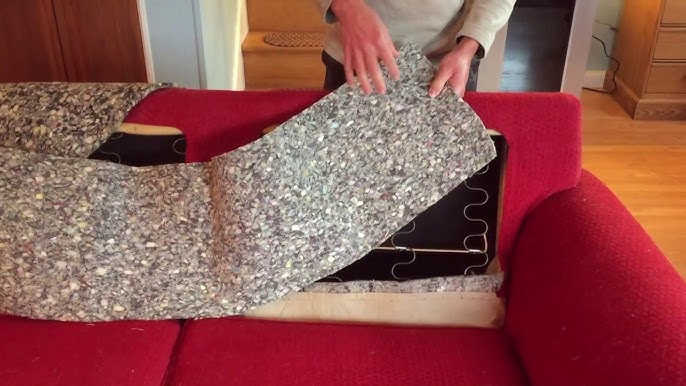 Webbing strips stapled under the cushion area to prevent sagging.
When to Call a Professional
Not every repair is a DIY job. If the frame itself is cracked or the cushion foam is completely disintegrated (crumbling into dust), a professional upholsterer can rebuild the cushion from scratch. Likewise, if you’re dealing with a very expensive sofa or antique, a pro’s work will preserve its value. For most modern couches, however, the repairs above will extend the life by years.
Preventive Maintenance Tips
A little regular care keeps cushions looking and feeling good.
- Vacuum cushions weekly to remove dust and grit that wears down fabric fibers.
- Rotate cushions every 3–4 weeks to distribute wear evenly. This prevents flat spots and keeps the foam from settling in one position.
- Keep the couch out of direct sunlight or use sheer curtains. UV rays fade fabric and weaken the backing of Velcro strips.
- Fluff cushions after each use—simply lifting and patting the foam helps it maintain its shape.
A well-maintained couch also supports better sleep and relaxation. If you’re looking to improve your overall comfort, consider how your seating affects your posture and your sleep environment. For example, choosing the right support for your back can help reduce issues like back pain while sleeping. And if you’re in the market for new furniture, understanding mattress features like foam density and firmness levels can guide you to a couch that lasts longer.
Frequently Asked Questions
How do I reattach loose couch cushions without sewing?
You can use fabric glue or adhesive-backed Velcro strips. Both are strong enough for daily use and require no sewing skills. Clean the surfaces first for the best bond.
What tools are needed to fix attached cushions?
A staple gun, scissors, fabric glue, Velcro strips, and a needle and thread cover most repairs. For foam replacement, add a utility knife and high-density foam sheet.
Can I fix couch cushions without sewing?
Yes. Fabric glue, iron-on patches, and Velcro are all no-sew solutions. They work well for small tears and loose attachments.
How often should attached cushions be inspected?
Check every 6 months for loose stitching, worn Velcro, or sagging foam. Catching problems early makes repairs faster and cheaper.
Conclusion
Attached couch cushions don’t have to be a headache. With a few basic tools and a clear plan, you can fix loose fasteners, patch tears, and reinforce sagging foam—all without calling a professional. Regular maintenance, like rotating cushions and protecting them from sunlight, adds years of comfortable use. Your couch is a centerpiece of your home; a little DIY care keeps it inviting and supportive. Try one of these repairs today, and enjoy a sofa that feels as good as new.

Daniel Hart is a consumer product analyst who specializes in mattress technology, smart bedding, and home comfort innovation. Before joining Royal Comport, Daniel worked with several e-commerce research teams, testing and comparing sleep products for quality, value, and long-term performance. He brings data-driven insight and real-world testing to every review he writes.


