

Your patio cushions take a beating—sun, rain, pollen, bird droppings, and spilled lemonade all leave their mark. After a season or two, that once-vibrant fabric can look dingy, smell musty, and harbor mildew that's not just unsightly but potentially unhealthy for anyone with allergies or asthma.
The good news? You don't need expensive professional cleaning services or harsh chemicals to restore your outdoor seating. With the right technique and a little elbow grease, you can bring your cushions back to life in an afternoon. This guide walks you through everything from quick spot treatments to deep cleaning methods, so you can enjoy a fresh, inviting outdoor space all season long.
Before You Start: Know Your Cushion Fabric
Not all patio cushions are created equal. The single most important step in the cleaning process happens before you even reach for a sponge: identifying your fabric type. Using the wrong cleaner on the wrong material can cause fading, shrinkage, or permanent damage.
Common Outdoor Cushion Fabrics
| Fabric Type | Water Resistance | Stain Resistance | Cleaning Approach |
|---|---|---|---|
| Polyester | High | Moderate | Mild soap and water; machine washable if labeled |
| Acrylic | High | High | Gentle detergent; resistant to mildew and UV rays |
| Olefin (polypropylene) | Very high | Very high | Easy to clean; bleach-safe in dilute solutions |
| Cotton canvas | Low | Low | Delicate handling; prone to shrinkage and mildew |
| Sunbrella-style acrylic | Very high | Very high | Manufacturer-recommended cleaners; bleach-safe |
Why the Care Label Matters
Every cushion should have a sewn-in care tag—usually tucked into a zipper seam or corner. This label tells you the fabric composition, whether the cover is removable, and the manufacturer's recommended cleaning method. Some covers are machine washable; others require hand washing only. Ignoring these instructions voids warranties and can ruin the fabric.
If the tag is missing or illegible, test any cleaning solution on a small, hidden patch of fabric first. Wait 15 minutes and check for color bleeding or fabric damage before proceeding.
Gather the Right Cleaning Supplies
Having everything within reach makes the job faster and prevents you from using whatever random cleaner is under the sink—which might be too harsh for your fabric.
Essential Tools
- Soft-bristle brush (a nylon scrub brush or old toothbrush works well)
- Vacuum cleaner with upholstery attachment (for loose dirt)
- Large bucket or plastic tub
- Microfiber cloths or soft sponges
- Garden hose with spray nozzle
- Spray bottle (for spot treatments)
- Rubber gloves
- Clean, dry towels for blotting
Safe Cleaning Solutions
- Mild dish soap: A few drops of Dawn or equivalent mixed with warm water handles most everyday dirt
- White vinegar: Diluted 1:1 with water, it kills mold spores and neutralizes odors
- Baking soda: A paste made with water lifts grease and stubborn stains
- Oxygen-based bleach (like OxiClean): Necessary for whitening and heavy stain removal on bleach-safe fabrics
Avoid chlorine bleach, ammonia, and industrial degreasers on most outdoor fabrics. These break down fibers and strip color treatments. Check with the manufacturer if you're unsure—many acrylic fabrics are actually bleach-safe when diluted properly, but cotton and olefin are not.
Preparation: Set Yourself Up for Success
Proper preparation is the difference between a good clean and a great one. Skipping this step means you're just pushing dirt deeper into the fabric weave.
Remove Loose Dirt and Debris
Start by shaking each cushion vigorously outdoors. This dislodges dust, leaves, and other surface debris. Follow up with a vacuum using the upholstery attachment to reach into seams and crevices where dirt hides. For stubborn ground-in grime, use your soft-bristle brush to loosen it before washing.
Zipper Maintenance and Cover Removal
If your cushions have removable covers, unzip them completely. Check the zipper track for debris or fabric snags. A common mistake is yanking the cover off without unzipping fully, which strains the zipper teeth. For foam cushions, removing the cover gives you access to the inner foam for separate cleaning and airing.
Pre-Treat Problem Areas
Before the main wash, spot-treat any visible stains you noticed during the dirt removal phase. This gives the cleaning solution time to break down the stain while you prepare the main wash solution.
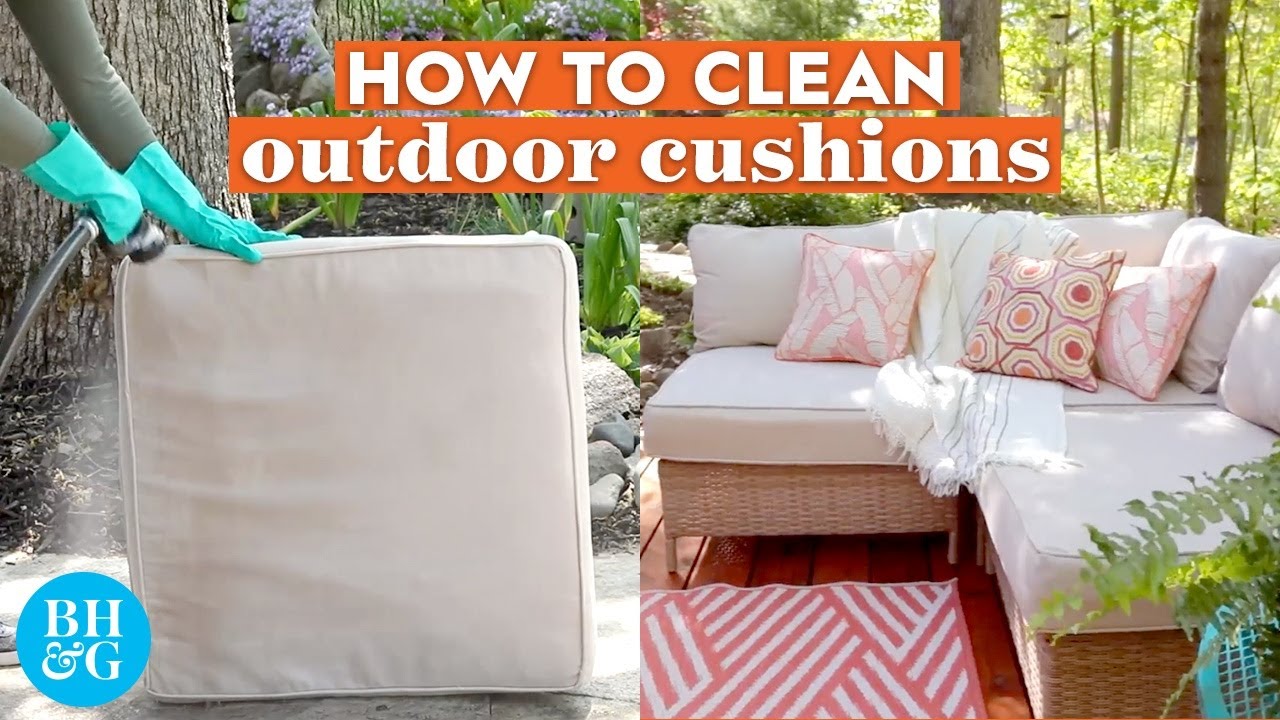
Check the care tag and zipper track before washing to avoid fabric damage.
Spot Cleaning: Handle Stains While They're Fresh
The golden rule of stain removal: act fast. Fresh stains come out with relative ease; dried-in stains require far more effort and aggressive treatments.
Common Household Stain Treatments
Food and drink spills: Mix a few drops of dish soap into a cup of warm water. Dip a clean cloth into the solution and dab the stain gently—never rub, which spreads the stain and pushes it deeper into the fibers. Rinse with a damp cloth and blot dry.
Grease and oil: Sprinkle baking soda generously over the stain and let it sit for 15 minutes. The powder absorbs the oil. Brush it away, then clean with soap and water as above.
Mold and mildew: Mix equal parts white vinegar and water in a spray bottle. Spray the affected area and let it sit for 10-15 minutes. Vinegar's acidity kills mold spores. Scrub gently with a soft brush, rinse thoroughly, and dry in direct sunlight—UV rays kill any remaining spores.
Bird droppings: These are acidic and can bleach fabric if left to sit. Scrape off the bulk with a dull knife, then treat the area with soapy water.
Tree sap: Freeze the sap with an ice cube until it becomes brittle, then scrape it off gently. Any residue comes off with rubbing alcohol on a cotton ball—test on an inconspicuous area first.
The Blotting Technique
For all spot treatments, use a dabbing or blotting motion rather than scrubbing. Scrubbing agitates the stain and can damage the fabric's protective finish. Work from the outside of the stain inward to prevent spreading.
Deep Cleaning Methods
When cushions are beyond spot treatment—perhaps they smell, have visible grime throughout, or haven't been cleaned in over a year—it's time for a deep clean.
The Hand Wash Method
- Fill a large tub with warm (not hot) water and a small amount of mild detergent
- Submerge the cushion or cover and let it soak for 15-20 minutes
- Scrub gently with a soft-bristle brush, paying extra attention to stained areas
- Rinse thoroughly with clean water until no soap residue remains
- Squeeze out excess water gently—twisting or wringing damages fibers
- Air dry flat in a shaded, well-ventilated area
Machine Washing Safety
If your care label says the covers are machine washable:
- Use a gentle cycle with cold water
- Add only mild detergent—never bleach or fabric softener
- Place covers in a mesh laundry bag to protect zippers and prevent snagging
- Wash only two or three covers at a time to avoid overloading
- Remove promptly when the cycle finishes to prevent wrinkling and mildew
Pressure Washing: Proceed with Caution
A pressure washer can clean outdoor cushions quickly, but it carries significant risk. High-pressure water can blast through fabric fibers, destroy seams, and force water deep into the foam core where it causes mildew.
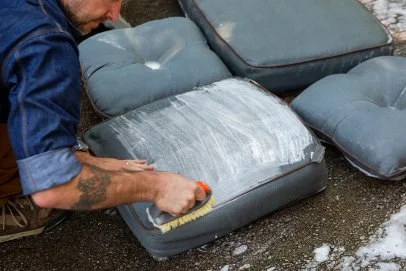
For best results, opt for gentle hand scrubbing over high-pressure washing.
If you do use a pressure washer, keep the nozzle at least 12 inches from the fabric and use the widest, lowest-pressure setting. This approach works best for heavy-duty fabrics like Sunbrella but should be avoided for delicate weaves.
Drying: The Crucial Final Step
Drying is arguably the most important part of the cleaning process. Damp cushions become mildew factories within 24 hours. Proper drying requires:
- Placing cushions flat on a clean surface or hanging them over a railing
- Ensuring both sides get airflow—flip them halfway through
- Keeping them out of direct sunlight to prevent fading while wet
- Allowing 24-48 hours for complete drying, especially in humid climates
Never fold or stack semi-dry cushions. Never put them in a dryer unless the label explicitly allows it. High heat shrinks and warps foam and fabric.
Maintaining Freshness Between Deep Cleans
The secret to making deep cleans easier is consistent maintenance. With a simple routine, you'll rarely need to tackle heavily soiled cushions.
Weekly Maintenance
A quick weekly once-over takes minutes but prevents dirt from embedding permanently. Brush off loose debris, wipe down surfaces with a damp cloth, and spot-clean any fresh spills immediately.
Monthly Refresh
Once a month, mix a mild soap solution and wipe down all cushions thoroughly. Rinse with clean water and let them dry completely in the sun. This monthly maintenance also lets you spot early signs of mildew or wear before they become problems.
Quick tip: A refreshing night's sleep matters for your overall well-being. While you're thinking about comfort and cleanliness, consider how your indoor sleep environment impacts your rest just as much as your outdoor relaxation space does.
Storage and Protection Strategies
Seasonal Storage
At the end of the outdoor season, clean cushions thoroughly, dry them completely, and store them in a breathable cotton bag or dedicated storage bin. Plastic bags trap moisture and create the perfect environment for mildew. Store cushions flat—never stacked with heavy items on top—in a dry location like a garage, shed, or covered storage closet.
Getting Ready for Winter
Before winter storage, apply a fabric protector or waterproofing spray. This adds an extra layer of defense against moisture when the cushions are exposed to cold, damp conditions. Always apply the spray to clean, dry fabric for best results.
Year-Round Protection
Using fitted, water-resistant covers during the season significantly reduces cleaning frequency. Covers come in breathable and waterproof varieties—breathable is often better for preventing condensation buildup. For rain-prone climates, waterproof covers protect against sudden downpours, but they must be removed once the weather clears to allow trapped moisture to escape.
Dealing with Stubborn Issues
Cleaning the Foam Core
If your cushions have developed a musty smell even after cleaning the covers, the foam itself may need attention. Remove the covers and check the foam for discoloration or odor. You can wash foam cores in a bathtub with warm water and mild soap, rinse thoroughly, and squeeze out excess water (never wring). Air dry completely—this can take several days.
Foam with extensive mildew growth should be replaced. Replacing foam inserts is more cost-effective than replacing the entire cushion set. Many fabric stores offer replacement foam cut to size.
When to Replace Rather Than Clean
Sometimes cleaning isn't the answer. If your cushion fabric is torn, the foam has lost its shape and no longer provides adequate support, or the fabric is too far gone despite repeated cleaning efforts, replacement is the better investment. A good rule of thumb: outdoor cushions typically last 3-5 years with proper care.
Frequently Asked Questions
How Often Should I Clean Patio Cushions?
Deep clean every 1-2 months during active use. Spot clean spills immediately. Always deep clean before storing for the winter—this prevents mildew from developing during months of disuse.
Can I Use Bleach on Outdoor Cushions?
Only if the fabric is bleach-safe. Sunbrella and similar high-performance acrylics tolerate diluted chlorine bleach (no more than 1/4 cup per gallon of water). Polyester and cotton do not. When in doubt, use oxygen-based bleach like OxiClean, which is safer for most fabrics.
How Do I Remove Yellow or Brown Stains?
These are often from pollen, sap, or mineral deposits from sprinkler water. Create a paste of baking soda and water, apply to the stain, let it sit for 30 minutes, then scrub gently and rinse. For stubborn stains on bleach-safe fabrics, use a diluted bleach solution.
Can I Put Patio Cushions in the Dryer?
No, unless the care label specifically says otherwise. High heat damages foam and shrinks fabric. Always air dry.
How Do I Stop Cushions From Slipping?
Clean cushions stay in place better than dirty ones. If yours still slide, use non-slip rug pads under the cushions or add furniture clips and ties to secure them to the chair frame.
Final Thoughts
Clean patio cushions transform your outdoor space from merely functional to genuinely inviting. The process doesn't require expensive products or services—just the right techniques and a consistent maintenance routine.
Start with the care label, gather your supplies, and tackle stains while they're fresh. Deep clean seasonally, protect with covers or waterproofing, and store properly when not in use. Your cushions—and your outdoor space—will look better and last longer.
For extra comfort after a day of yard work, don't underestimate the value of proper rest. A quality night's sleep supports your overall health and well-being, and it's easier to achieve when your body is relaxed and your space is clean. Consider how your mattress choices contribute to that goal.
Now grab your cleaning supplies and give those cushions the attention they deserve. Your patio will thank you.

Daniel Hart is a consumer product analyst who specializes in mattress technology, smart bedding, and home comfort innovation. Before joining Royal Comport, Daniel worked with several e-commerce research teams, testing and comparing sleep products for quality, value, and long-term performance. He brings data-driven insight and real-world testing to every review he writes.


