

Silk, Egyptian cotton, linen, cashmere, and premium down are the hallmarks of luxury bedding and decor.
I have spent years working with interior designers and textile mills to select and test top materials. This guide explains the Top Materials Used in Luxury Bedding / Decor with clear reasons, real-life tips, and practical buying advice. Read on to learn which materials deliver comfort, longevity, and the visual impact your space deserves.
check shop recommendations

Materials overview and what defines luxury
The Top Materials Used in Luxury Bedding / Decor are chosen for feel, durability, and visual depth. True luxury materials balance natural fiber performance with craft and finish. This section gives a quick map of the main families you will see when shopping. Understanding these basics helps you spot quality and avoid marketing fluff.

Natural fibers: cotton, linen, and more
The Top Materials Used in Luxury Bedding / Decor start with natural fibers like cotton and linen. Egyptian cotton and long-staple Pima or Supima cotton give sheets a smooth, strong weave. Linen adds crisp texture and breathability that improves with each wash. I often advise clients who sleep hot to try linen for its cooling feel and lived-in look.
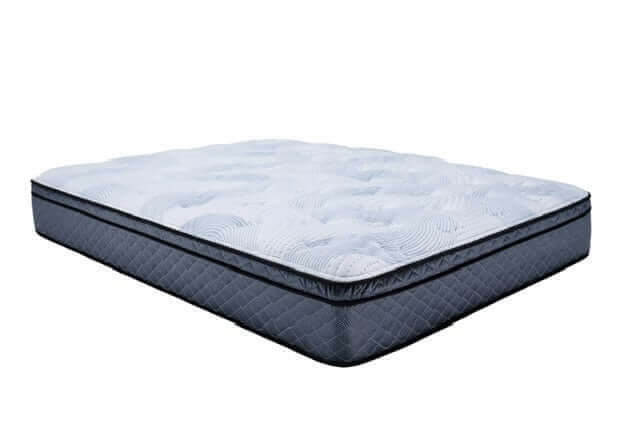
- Egyptian cotton: Offers long staple length, high thread count potential, and a soft hand that lasts.
- Supima/Pima cotton: Strong fibers resist pilling and hold dye well for deep color.
- Flannel cotton: Brushed on one or both sides for extra warmth in cold climates.
- Linen: Made from flax, naturally moisture-wicking and durable, with a relaxed aesthetic.
Silk and luxury animal fibers: silk, cashmere, and wool
The Top Materials Used in Luxury Bedding / Decor include silk and other animal fibers for a decadent touch. Mulberry silk has a natural sheen and a smooth surface that is gentle on skin and hair. Cashmere and fine wool add soft warmth and a luxe drape for throws and accent pillows. From personal experience, silk pillowcases can reduce hair breakage and feel noticeably cooler at night.

- Mulberry silk: Smooth, hypoallergenic, and thermoregulatory.
- Cashmere: Lightweight warmth and a plush hand for throws and cushions.
- Fine wool: Durable, resilient, and naturally flame resistant in many forms.
Regenerated and cellulosic fibers: Tencel, modal, bamboo viscose
The Top Materials Used in Luxury Bedding / Decor now often include high-quality regenerated fibers. Tencel (lyocell) and modal have a silk-like feel and excellent moisture management. Premium bamboo viscose gives a soft, cool feel but check for responsible processing. I recommend looking for certifications and branded fibers that guarantee a cleaner production process.
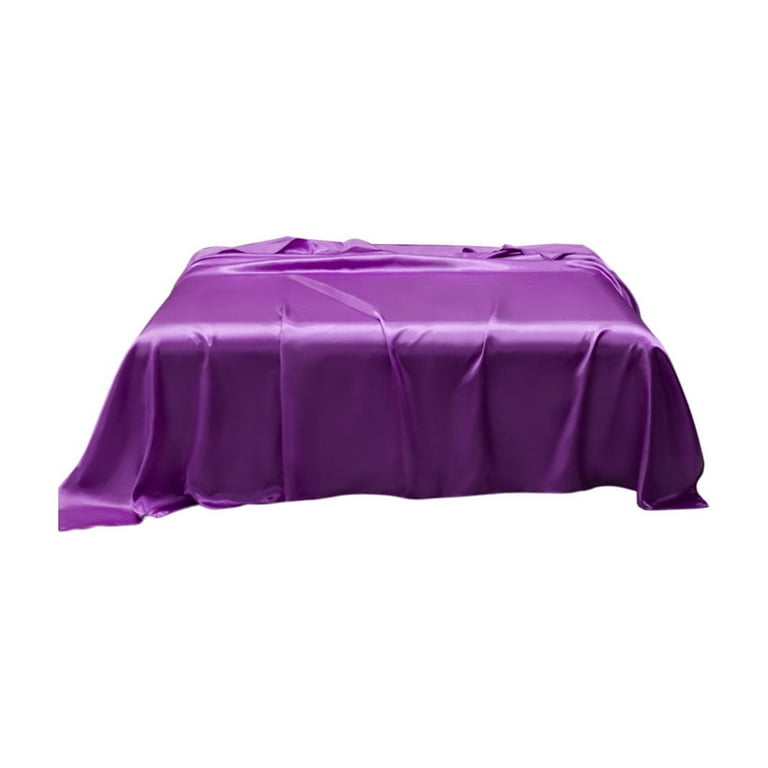
- Tencel (Lyocell): Smooth, breathable, and made from sustainably sourced wood pulp.
- Modal: Soft, retains color, and resists shrinkage when cared for correctly.
- Bamboo viscose: Very soft and cool, best when produced with closed-loop processes.
Luxury blends and high-end synthetics
The Top Materials Used in Luxury Bedding / Decor sometimes blend natural and synthetic fibers to improve performance. Small amounts of silk, cashmere, or linen blended with durable fibers can increase longevity. High-end microfibers are engineered to mimic natural softness while offering stain resistance. I have seen blends that strike a great balance between feel and ease of care in everyday homes.

- Silk-cotton blends: Add sheen and softness while keeping washability.
- Wool-synthetic blends: Boost durability and reduce cost while preserving warmth.
- Performance finishes: Treatments can add stain resistance and wrinkle control but check for breathability.
Fillings and insulation: down, feather, and alternatives
The Top Materials Used in Luxury Bedding / Decor extend beyond fabric to the fillings. Goose and duck down provide unmatched loft and warmth-to-weight ratio. Down alternatives use microfibers or clusters to mimic loft for allergy-sensitive sleepers. When I test duvets, I look for fill power and construction to avoid cold spots and ensure even loft.

- Goose down: Highest loft and warmth for lighter, warmer bedding.
- Duck down: Often more affordable but can vary in quality.
- Down alternative: Hypoallergenic, easier to wash, and better for some budgets.
- Fill power: Higher numbers indicate more loft and insulating efficiency.
Decorative fabrics and trims: velvet, jacquard, and leather accents
The Top Materials Used in Luxury Bedding / Decor include decorative fabrics that add depth and style. Velvet gives a rich, tactile feel that reads as couture in bedrooms. Jacquard and brocade bring pattern and weight for headboards, pillows, and drapery. Leather and suede accents can ground a scheme and add a design-forward edge. I advise balancing heavy decorative pieces with breathable bedding for sleep comfort.

- Velvet: Plush, dramatic, and best used in accents to avoid overheating.
- Jacquard and brocade: Woven patterns that add sophistication and texture.
- Trim details: Hand-stitched piping, tonal embroidery, and metal zippers elevate pieces.
Care, durability, and longevity
The Top Materials Used in Luxury Bedding / Decor demand proper care to reach their potential. Natural fibers often last longer when washed gently and dried carefully. Always follow manufacturer care labels and test small stains before applying cleaners. From my work, proper care extends product life and preserves the look that made it worth investing in.
- Washing: Use gentle cycles and mild detergents for delicate fibers.
- Drying: Air-dry or tumble low for silk and cashmere when labeled safe.
- Rotation: Rotate duvets and pillows to even out wear and maintain loft.
How to choose the right materials for your home
The Top Materials Used in Luxury Bedding / Decor should match your sleep habits, climate, and aesthetic. Choose breathable fabrics if you sleep hot and heavier fills if you prefer warmth. Consider hypoallergenic options if you have sensitivities. I often start client consultations by asking about temperature, feel preference, and care tolerance before recommending fabrics.
- For hot sleepers: Linen, Tencel, and silk blends work best.
- For cold sleepers: High-fill down or cashmere throws add warmth.
- For easy care: Cotton blends and down alternatives are forgiving and machine-washable.
Sustainability, ethics, and certifications
The Top Materials Used in Luxury Bedding / Decor can also be chosen for their environmental and ethical footprint. Look for traceability on down and animal fibers and certifications for sustainable forestry and chemical management. Sustainable options can be luxurious and long lasting when properly made. I prefer vendors that share sourcing details and third-party audits to back up claims.
- Responsible down: Certifications ensure humane practices and traceability.
- FSC or PEFC wood sources: Important for Tencel and modal fibers.
- OEKO-TEX and similar: Indicate lower chemical residues in fabrics.
Pricing, value, and investment tips
The Top Materials Used in Luxury Bedding / Decor vary widely in price but not always in long-term value. High upfront cost often buys durability, repairability, and better comfort over years. Shop for construction details—stitching, seam finishing, and fill power—rather than only thread count or brand name. From experience, a well-made set of sheets or a duvet can become a trusted item for a decade or more.
- Look beyond thread count: Fiber quality and weave matter more than high numbers.
- Check warranties: Reputable makers offer guarantees that signal confidence.
- Buy for use: Invest in core pieces you will use daily and accent with trendy items.
Frequently Asked Questions of Top Materials Used in Luxury Bedding / Decor
What makes a material “luxury” for bedding and decor?
Luxury materials combine superior fiber quality, skilled construction, and a finish that improves feel and longevity. These traits translate to better comfort, appearance, and lifespan.
Are high thread counts always better?
Not always. Thread count can be misleading; fiber quality and weave type are more reliable indicators of comfort and durability. Focus on long-staple cotton and reputable construction instead.
Is silk bedding worth the cost?
Silk offers unmatched smoothness and cooling properties, which many find worth the price. It does require more gentle care and may not suit heavy washers.
How can I find eco-friendly luxury materials?
Look for certifications and transparent supply chains that show humane animal treatment and responsible fiber sourcing. Branded fibers with closed-loop processing are also a good sign.
Can luxury materials be machine washed?
Some can, but many luxury materials need gentle cycles or professional cleaning to maintain texture and shape. Always check care labels and follow manufacturer instructions.
How important is fill power for down bedding?
Very important. Higher fill power means more loft and better warmth-to-weight ratio, so look for fill power numbers when choosing duvets. Proper construction also helps maintain insulation.
Conclusion
Luxury in bedding and decor comes from the right materials, careful construction, and mindful care. Use this guide to compare the Top Materials Used in Luxury Bedding / Decor and match choices to how you sleep, live, and care for textiles. Start by selecting one high-quality piece to test—like a sheet set or duvet—and build from there. Share your experiences or questions below, subscribe for more guides, or explore product details before you buy.

Emma Caldwell is a certified sleep consultant with over 8 years of experience studying how environment, posture, and bedding affect sleep quality. At Royal Comport, she leads content focused on mattress reviews, sleep hygiene, and wellness optimization. Her mission is to help readers find science-backed comfort solutions that improve both rest and daily performance. Her Expertise is Sleep science, mattress testing, comfort ergonomics, lifestyle wellness.


