

High-end isn't a price tag. It’s a system of choices: materials, craftsmanship, design, performance, service, and trust. After years of working alongside product teams, engineers, and brand builders, I’ve seen how small decisions turn an ordinary product into a premium one — and how small shortcuts quietly destroy that status.
This guide breaks down what high-end actually means, why some products earn their price and others only pretend to, and how to evaluate any purchase with a practical checklist. You can also read our guide on shop luxury home essentials.
What Does "High-End" Actually Mean?
High-end is not the same as luxury. Luxury often relies on rarity, heritage, or status, while high-end is about quality executed consistently. Many luxury items are also high-end, but not all. A handbag with a famous logo, thin leather, and loose stitching is luxury in name only. A lesser-known bag made from full-grain leather, solid brass hardware, and precise stitching can be genuinely high-end.
In 2026, buyers are more informed than ever. They inspect materials, ask where products are made, read long-term reviews, and expect transparency. High-end brands respond with measurable quality, not just a name. You can also read our guide on amerisleep mattress discounts.
| Signal | Mass-Market | High-End |
|---|---|---|
| Materials | Lowest-cost supplier | Selected, traceable inputs |
| Process | Speed and volume | Control and consistency |
| Design | Follows trends | Solves problems with clarity |
| Performance | Acceptable at first | Reliable after years |
| Service | Minimal support | Thoughtful, easy aftercare |
| Longevity | Planned short life | Designed to be repaired |
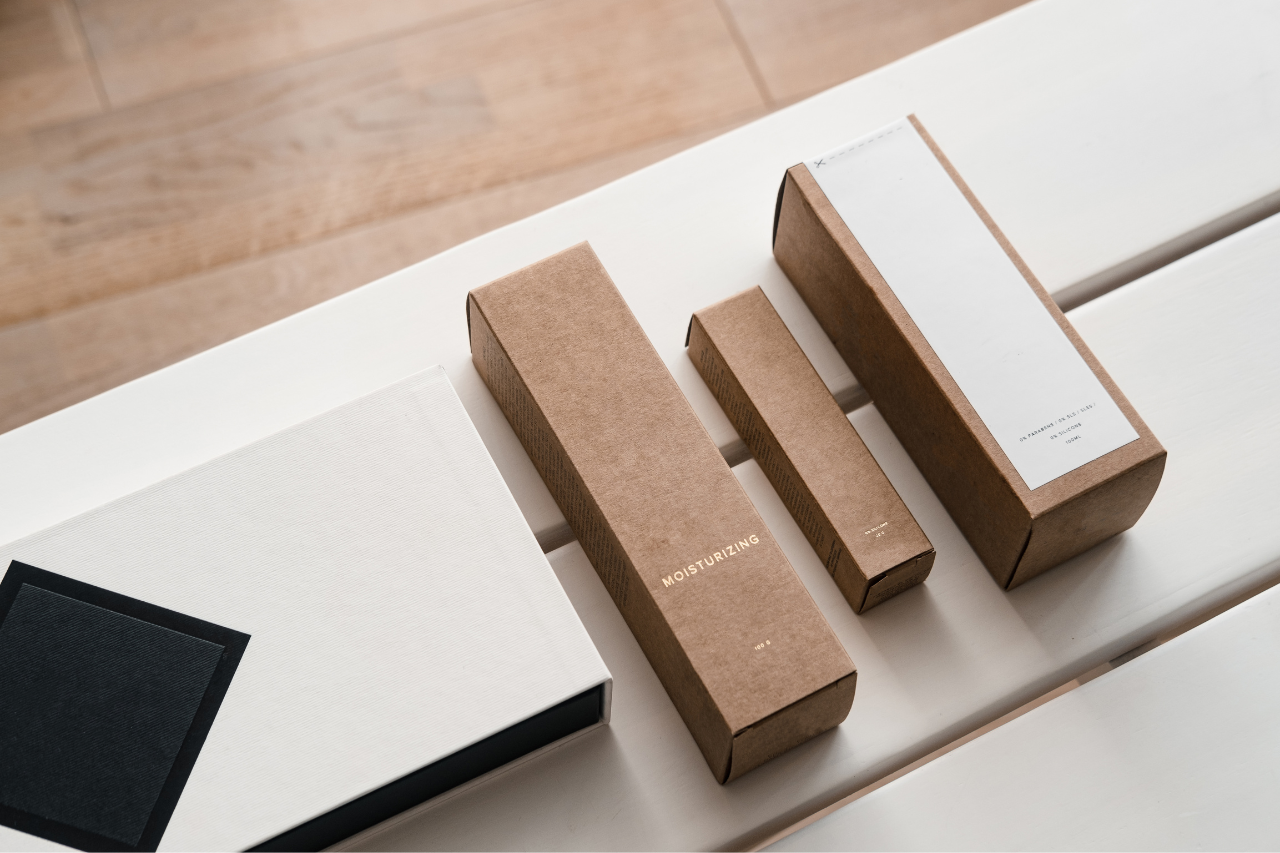
Image source: albertpaperproducts
Materials: The First Physical Proof
The first thing your eyes and hands notice is material. Full-grain leather, solid hardwoods, precision metals, high-density foams, and long-staple cotton are not marketing terms; they are measurable choices. These materials cost more because they perform better and age more gracefully.
A quick material inspection can tell you a lot:
- Weight: Quality materials tend to be denser, though heavy alone is not enough.
- Density: Foams, fabrics, and metals all have grades. Ask for the numbers.
- Finish: Look at how parts meet. Seams, joints, and edges should be consistent up close.
Manufacturers serious about consistency often follow international quality management standards such as ISO 9001. That does not guarantee a premiumproduct, but it signals that the maker has formal quality controls in place. The same applies to materials testing: many reputable manufacturers publish conformance to ASTM International performance standards, so you can compare durability claims side by side without relying on the brand’s word alone. You can also read our guide on how to choose the best mattress for sciatica.
Craftsmanship: Where Quality Becomes Visible
Materials are the promise; craftsmanship is the proof. Seams that align perfectly, edges that feel smooth to the touch, hardware that opens and closes without resistance — these are signs of a maker who cares about the user’s experience. Look closely at how parts connect. Are there uneven gaps, visible glue, or bulky seams? In genuinely high-end products, execution is consistent everywhere, including details you rarely notice. This is why a watchmaker might reject a case for a single seam, or why a furniture maker sands an invisible joint the same way as a visible one.
Craftsmanship also means tolerances. In electronics, tight tolerances prevent audible hum or panel flex; in beds, precise construction prevents sagging layers and edge breakdown. If you want a tangible example of how these choices affect a product you use every night, examine modern mattress construction details such as zoned support layers and edge coils. They reveal how seriously a manufacturer takes quality long before you lie down.

Image source: albea-group
Design and Performance: Form That Works
A high-end product is not just beautiful; it is useful in daily life. The best designs remove friction. Think of a coffee maker that pours without dripping, a mattress that keeps its shape and comfort temperature, or a jacket with zippers placed where you actually need them. Great design is the intersection of aesthetics, ergonomics, and function.
Performance, though, is the longer test. A product earns high-end status when it works well not just on day one but after hundreds of uses. This applies to every category:
- Electronics should hold a charge and update cleanly for years.
- Furniture should support moving parts without creaking.
- Textiles should wash and wear without pilling or fading.
In practice, “performance” means repeatability. A high-end speaker still sounds balanced at low volume and high volume; a high-end mattress holds its support curves for a decade or more. When comparing products, ask about stress tests, accelerated aging, and expected lifespan. If a seller says “typical lifespan,” ask how that compares to the category average. For a clear example, compare how different sleep surfaces perform before you decide on the material that suits you.

Image source: luxehouze
Brand Story and Exclusivity: Why Narrative Matters
Perception shapes value, and a strong brand story gives a product meaning. Where was it created, why was that material chosen, and how was it tested? These details turn a commodity into something worth choosing. But narrative has boundaries: it must be accurate.
In 2026, buyers check claims in seconds. Brands that overstate “artisanal” or “limited” run into trouble quickly. True exclusivity comes from genuine rarity or genuine skill, not from manufactured scarcity. A limited edition made on the same production line as the standard model is marketing; a hand-painted series produced in small numbers is real craft. Look for proof, not adjectives. Does the brand show its workshop, name its suppliers, or publish test results? The brands that thrive are those willing to be inspected.
This also applies after the sale. A high-end brand should own defects openly rather than hide behind a returns policy. If a company quietly changes a component without telling customers, that’s a red flag.
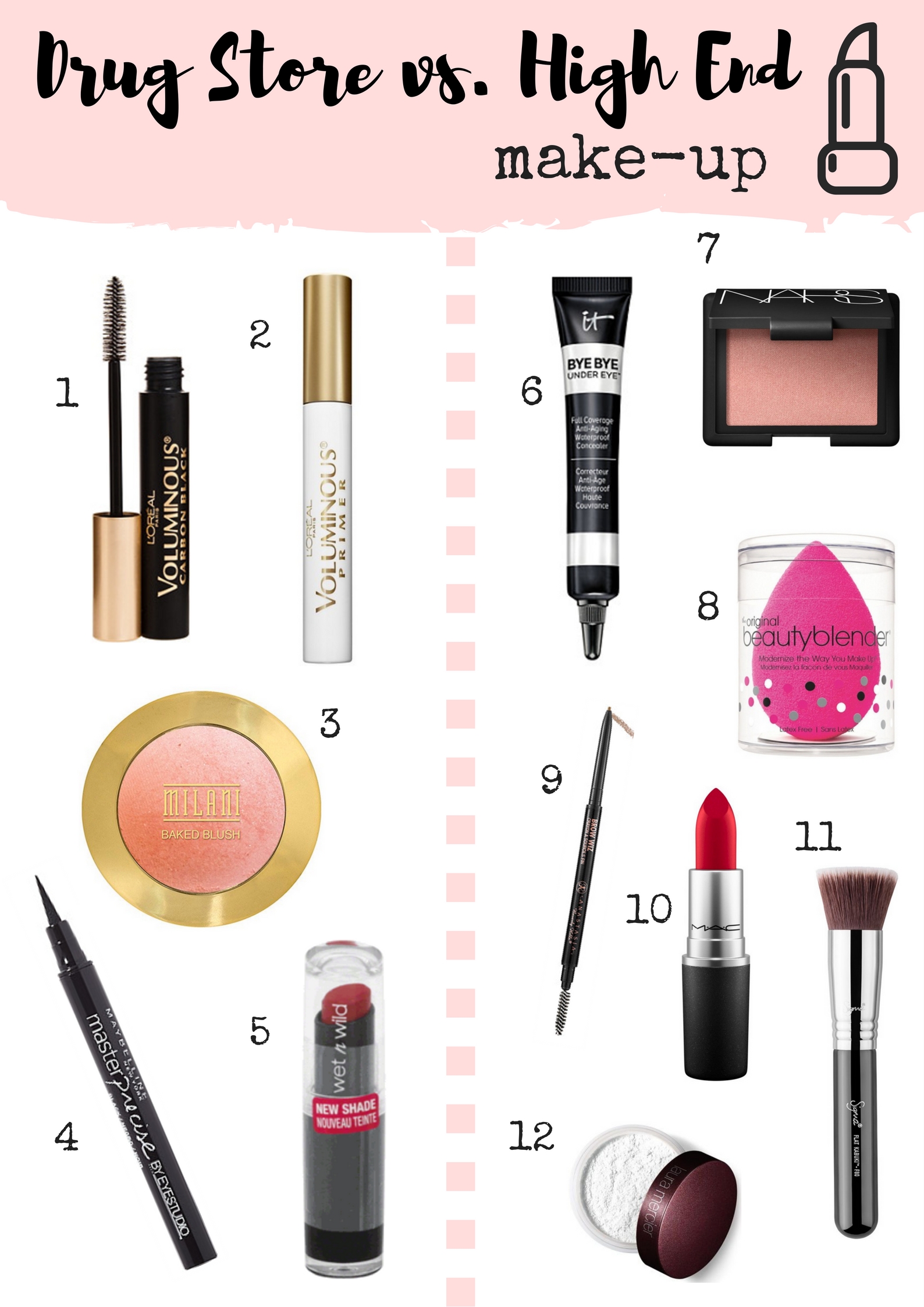
Image source: lovenlabels
Customer Experience and Service: The Invisible Layer
The most underrated part of high-end is service. A premium product bought from a brand that ignores emails, delays returns, or refuses repairs will feel cheap. High-end means the white-glove treatment extends beyond the unboxing:
- Before purchase: clear, honest product details and responsive advice.
- At delivery: careful packaging, setup instructions, and good communication.
- After purchase: easy warranty registration, accessible support, and ready repair paths.
Service also includes education. A good brand teaches you how to care for the product — how to clean it, when to replace parts, how to store it. This is more than a support page. It extends the product’s lifespan and strengthens your long-term trust.
These service standards matter for complex purchases, too. A company that offers a clear return window, fast setup help, and a warranty that covers real defects is providing high-end service. One that leaves you to handle delivery and troubleshooting on your own is not. The same logic applies when you’re looking for targeted support for back pain — the quality of guidance around the product is part of the product itself.
Pricing, Value, and Longevity: The True Cost Equation
Price is a signal, not the whole story. A high price can reflect genuine quality, but it can also reflect expensive marketing. The real measure of value is the product’s total cost over time: initial price plus maintenance, repairs, energy use, and eventual replacement.
Consider the math. A $150 product that lasts three years costs $50 per year. A $300 product that lasts ten years costs $30 per year — and usually performs better during its life. That is why more buyers are shifting from “cheapest option” to “longest useful life.”
The mattress industry is a good example. Most quality models fall in a range, and what changes between price points is the density of foam, coil gauge, fabric quality, and warranty depth. If you are shopping for a bed, it helps to understand what a worthwhile mattress actually costs before you compare discounts. Longevity also feeds sustainability: products that last produce less waste, which is why brands now advertise repairability scores and sell replacement parts. If a product can be fixed, its value grows.

Image source: amazon.com
Packaging and Presentation: The First Reveal
Unboxing is not just theatre. The way a product is packaged says a lot about how much care the maker puts into the entire experience. High-end packaging is protective, practical, and usually minimal — not needlessly large. It should keep the product safe while being easy to open and recycle.
Look for these cues:
- Sturdy box with proper cushioning
- No wasted space or excessive plastic
- Clear instructions and a care booklet
- Brand details that communicate values without shouting
A well-designed unboxing makes you feel the maker considered every touchpoint. But packaging can also mislead. Some brands spend heavily on fancy boxes while cutting corners on the product itself. So treat the box as one signal, not the verdict. The opposite is also true: an ordinary box can hide a beautifully made product. Judge the item itself, and use packaging as a reflection of process rather than proof of quality.
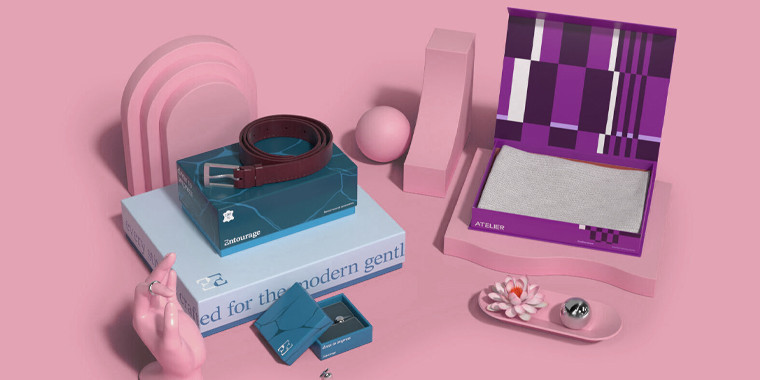
Image source: customdesignsboxes
Sustainability: The New Premium Standard
In 2026, sustainability is no longer a niche feature; it is part of what defines high-end. Premium materials should be responsibly sourced, and durability is inherently sustainable. But sustainability goes beyond materials:
- Energy efficiency: Does the product use less energy over its lifetime?
- Repairability: Can you replace parts instead of discarding the whole item?
- End-of-life: Can the product be recycled or composted?
- Labor ethics: Are workers paid fairly and operate in safe conditions?
Brands taking sustainability seriously share this information voluntarily. They publish supply chain audits, certifications, or environmental impact data. Vague claims like “eco-friendly” are less reliable than concrete specifics: certified organic cotton, FSC-certified wood, or a documented take-back program. When you see a product claiming to be high-end, ask what happens to it after years of use. A product that can be repaired or recycled is worth more than one that goes to landfill.
How to Evaluate If a Product Is Truly High-End: A Practical Checklist
Before you buy, run through this checklist. It will separate real quality from marketing hype.
| Checkpoint | What to Look For |
|---|---|
| Materials | Dense, traceable, and honestly described; ask for grade or composition |
| Craftsmanship | Consistent seams, edges, and moving parts; no visible shortcuts |
| Design | Solves a real problem with an intuitive interface and durable build |
| Performance | Reliable after repeated use; test results or long-term reviews available |
| Brand transparency | Shows where and how it is made; admits limitations |
| Service & warranty | Simple, accessible support and a realistic warranty |
| Longevity & repairability | Replacement parts available; product can be opened and repaired |
| Sustainability | Recognized certifications or clear take-back/recycling options |
Use this list on your next purchase, not just for expensive items. The same principles apply to a $20 kitchen tool and a $2,000 watch.

Image source: typsybeauty
Common Misconceptions and Pitfalls
Many myths surround high-end products. The most common is that price alone equals quality. A fancy label and a high price can hide poor materials, rushed assembly, and fragile components. Another misconception is that more features mean more value. In reality, added complexity creates more failure points. A simple, well-tuned design often outperforms a gadget stuffed with unnecessary extras.
I once tested a speaker with too many drivers that sounded worse than a simple single-driver model. The lesson stuck: clear purpose beats unnecessary bells and whistles. Similarly, “handmade” is not automatically premium. Handmade is only high-end when the maker has genuine skill and uses quality materials. Handmade can also be inconsistent. Judge the finished product, not the production method.
Finally, do not assume a famous brand is automatically high-end. History can matter, but it cannot guarantee current quality. Large brands sometimes license their names to lower-tier manufacturers. Ask who actually makes the product and under what quality standards.
Frequently Asked Questions

Image source: youtube
What is the single most important factor in a high-end product?
Consistent quality across materials, design, and service. One strong element cannot fully compensate for weaknesses elsewhere. For example, a beautifully designed chair with weak joints is not high-end, no matter how it looks.
Can a product become high-end over time?
Yes. A product can gain status through proven durability, a strong brand story, and cultural recognition. Time and consistent performance build genuine prestige — but only if the maker does not cut corners as demand grows.
Does high price always mean better quality?
No. Price is one signal, but you have to verify it. Evaluate materials, craftsmanship, service, and the company’s willingness to back the product with a meaningful warranty.
How can I test if a product is high-end before buying?
Inspect materials and finish, ask about sourcing, read long-term reviews, and check the warranty terms. Whenever possible, handle the product in person before committing to it.
Are handmade items always high-end?
Not always. Handmade pieces can be high-end, but that depends on the maker’s skill and the materials used. Handmade plus great materials and careful design usually equals high-end; handmade alone is no guarantee.
Is sustainability part of being high-end?
Increasingly, yes. Sustainability can improve sourcing, durability, and transparency. Ethical and environmental responsibility align with the long-term mindset that premium products are built to last.
Conclusion
High-end products are not defined by a single feature. They combine premium materials, precise craft, thoughtful design, reliable performance, honest branding, and attentive service into one coherent experience. They earn their status through consistent quality and real user benefit — not through slogans or price tags alone.
The next time you shop, use the checklist, demand proof, and value longevity over flash. Whether you are buying a mattress, a jacket, or a small appliance, the same standard applies. If you want to compare products more carefully, explore our complete buying library for practical, unbiased breakdowns of what actually deserves the high-end label.

Daniel Hart is a consumer product analyst who specializes in mattress technology, smart bedding, and home comfort innovation. Before joining Royal Comport, Daniel worked with several e-commerce research teams, testing and comparing sleep products for quality, value, and long-term performance. He brings data-driven insight and real-world testing to every review he writes.


