

Exceptional craftsmanship, premium materials, distinctive design, performance, exclusivity, and elevated customer care define high-end products.
I’ve spent years designing, testing, and advising brands on what makes a product high-end? I’ve worked with makers, engineers, and luxury teams, so I know how small choices lift a product from good to premium. Read on for clear, practical insights, real examples, and a checklist you can use right away.
check shop recommendation
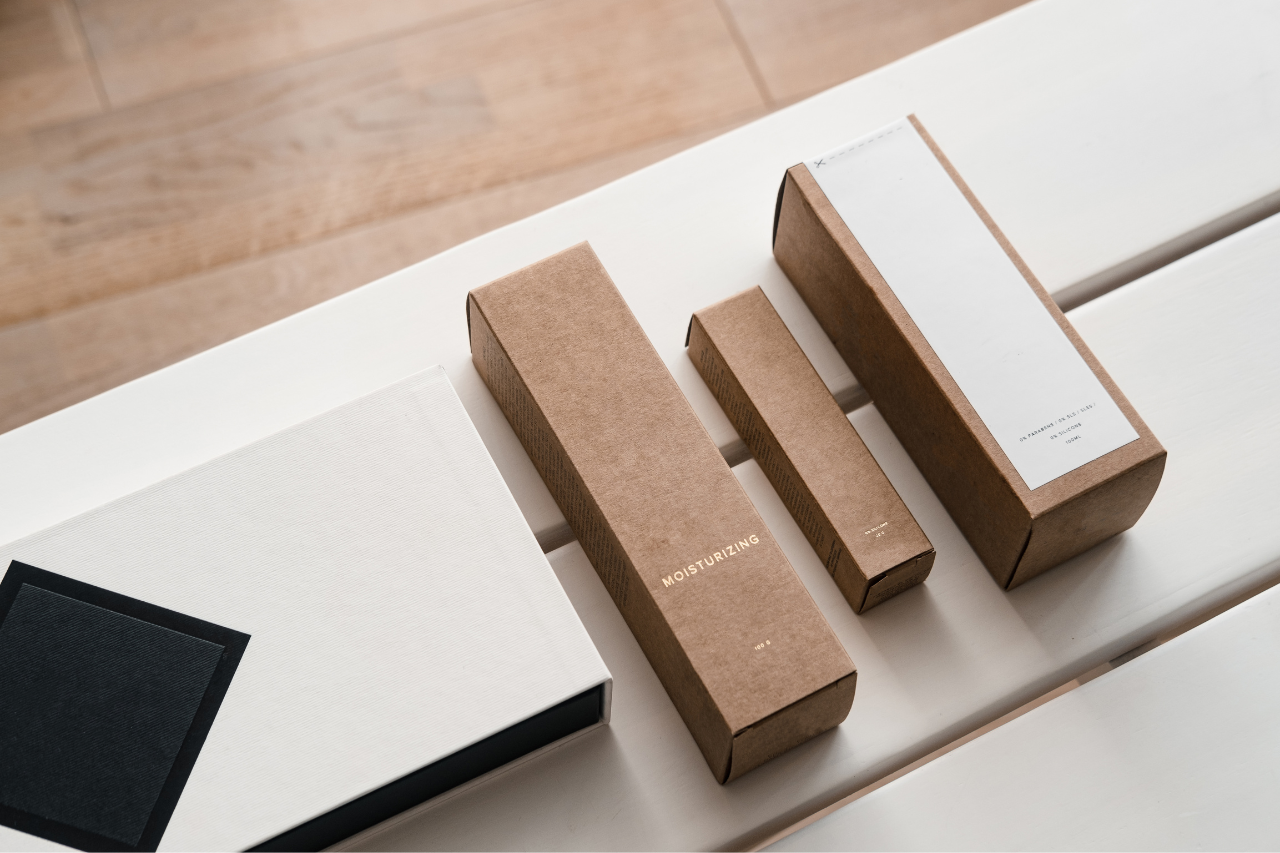
Core attributes that define high-end products
What makes a product high-end? It starts with clear attributes. High-end items show care at every step. They use premium materials and skilled craft. They deliver reliable performance. They tell a strong story and meet high expectations.
Key attributes include:
- Materials that last and feel premium.
- Craftsmanship that shows skill and care.
- Design that balances form and function.
- Performance that outshines mass-market options.
- Brand story and exclusivity that create desire.
- Superior customer service and aftercare.
These traits work together. A weakness in one area can lower the whole product. When designers ask me what makes a product high-end?, I answer with the whole system, not a single tweak.

Materials and craftsmanship: the tangible core
The materials make first impressions. High-end products use proven, high-quality inputs. Examples are full-grain leather, solid wood, precision metals, and industrial-grade fabrics. These choices cost more, but they also age better and perform longer.
Craftsmanship matters just as much. Hand finishing, tight tolerances, and careful assembly show respect for the user. I recall a watchmaker who refused to release a case with a single visible seam. That attention defined the product as high-end.
What makes a product high-end? Often the finish is the proof. Inspect seams, joints, and edges. Ask about sourcing and quality checks. These details tell the true story behind the label.

Design, functionality, and performance
Great design is simple and clear. It solves real user problems. High-end products combine beauty and use. They avoid gimmicks and focus on meaningful features.
Performance must be reliable and repeatable. If a speaker sounds thin after a year, it is not high-end. If a coat loses shape after three washes, it is not high-end. Durability and consistent behavior over time are core signals.
When asked what makes a product high-end?, I point to how well it works in everyday life. Design that lasts and performs builds trust.
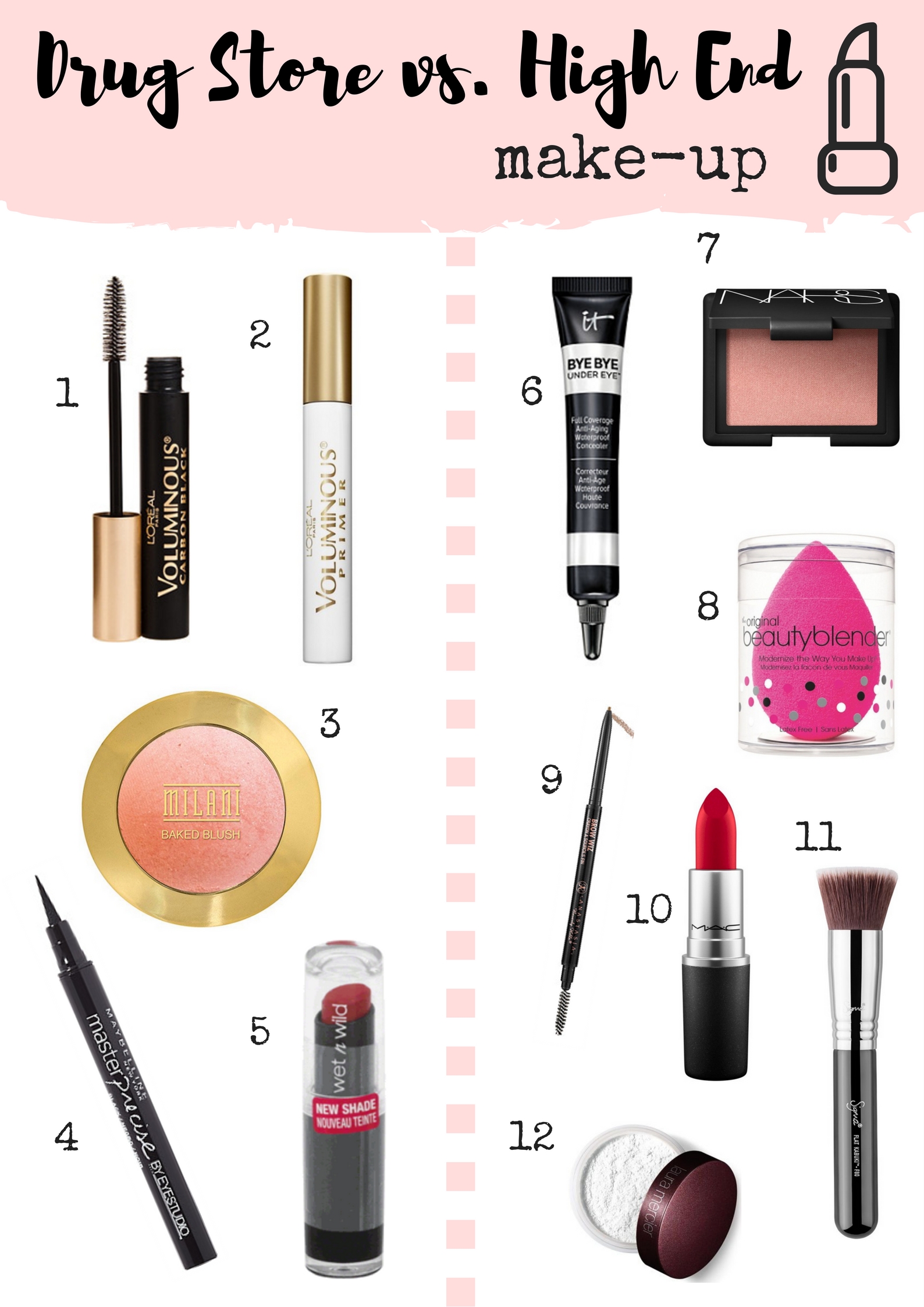
Brand positioning, storytelling, and exclusivity
Perception shapes value. Brands shape that perception with clear stories. A strong origin story, visible craft, and limited runs add allure. Scarcity and rarity create urgency and prestige.
Brand actions must match words. Luxury claims without proof feel hollow. I’ve seen brands fail when marketing outpaced reality. Real high-end brands invest in craft, not just slogans.
If you ask what makes a product high-end?, look at the brand’s history, transparency, and how it treats its customers. Those things matter.
Customer experience and service
High-end products come with high-end service. Sales, delivery, setup, warranties, and repairs should be simple and premium. Personal touches, fast responses, and clear policies build loyalty.
Service also includes education. Good brands teach customers how to care for their products. I advise teams to include simple care guides and easy repair paths. This reduces returns and extends product life.
Customer experience often answers the question what makes a product high-end? It’s not just the object. It’s how the brand treats the buyer.

Pricing, value perception, and longevity
Price signals value but is not the only factor. High price must align with tangible benefits. Buyers pay for material quality, durability, brand trust, and service. Longevity spreads the cost over years and often makes premium items a better investment.
I tell clients to price honestly. If a product costs more, explain why. Show tests, materials, and care options. When people ask what makes a product high-end?, a clear price-to-benefit story helps them decide.

How to evaluate if a product is truly high-end: a practical checklist
Use a short checklist when you judge a product. This helps you cut through hype.
Checklist to answer “What makes a product high-end?”:
- Materials: Are the inputs high quality and durable?
- Craftsmanship: Are seams, joins, and finishes flawless?
- Design: Does it solve real problems with elegance?
- Performance: Does it work better and last longer than cheaper options?
- Brand transparency: Does the brand show how and where it’s made?
- Service and warranty: Are support and repairs easy and premium?
- Longevity: Will it still perform well after years of use?
- Resale or repairability: Can you fix or resell it later?
I use this list when testing products for clients. It helps separate true value from marketing.
Common misconceptions and pitfalls
There are many myths about luxury. Price alone does not equal high-end. A fancy label and a high price can hide poor quality. Flashy features without durability fail in the long run.
Another pitfall is overengineering. Extra parts can add failure points. Simplicity with strong materials often beats complexity. I once saw a speaker with too many drivers that sounded worse than a simple, well-tuned design. That taught me to favor clear purpose over unnecessary bells and whistles.
When people ask what makes a product high-end?, remind them to look beyond labels, ads, and price tags.

Frequently Asked Questions of What Makes a Product High-End?
What is the single most important factor in a high-end product?
The most important factor is consistent quality across materials, design, and service. One strong element cannot fully compensate for weaknesses elsewhere.
Can a product become high-end over time?
Yes. A product can gain status through proven durability, strong brand story, and cultural recognition. Time and consistent performance build true prestige.
Does high price always mean better quality?
No. High price does not always equal quality. Evaluate materials, craftsmanship, and service to verify the value behind the price.
How can I test if a product is high-end before buying?
Check materials, finish, brand transparency, warranties, and reviews from long-term users. Physical inspection and hands-on testing reveal many truths.
Are handmade items always high-end?
Not always. Handmade can be high-quality, but it depends on the skill of the maker and the materials used. Handmade plus great materials and design usually equals high-end.
Is sustainability part of being high-end?
Sustainability can be part of high-end value if it improves sourcing, durability, and transparency. Ethical practices often align with premium positioning.
Conclusion
High-end products combine premium materials, precise craft, thoughtful design, reliable performance, clear brand truth, and superior service. They earn their status through consistent quality and real user benefit. If you want to choose or build high-end products, use the checklist above, demand proof, and value longevity over flash. Try these steps on your next purchase or project, and share your experience in the comments or subscribe for deeper guides on product design and brand building.

Daniel Hart is a consumer product analyst who specializes in mattress technology, smart bedding, and home comfort innovation. Before joining Royal Comport, Daniel worked with several e-commerce research teams, testing and comparing sleep products for quality, value, and long-term performance. He brings data-driven insight and real-world testing to every review he writes.


