
Use metallics sparingly to add shine and balance without overwhelming your room.
I’ve spent over a decade helping clients style homes and showrooms, and I know how tempting metallics can be. Styling metallic accent pieces without overdoing it is about control, scale, and harmony. This guide gives clear rules, room-by-room examples, and real-world tips so you can add polish without turning your space into a showroom of excess.

Why metallic accents work
Metallic accents catch light. They add depth and a sense of luxury. A small metallic piece can lift a dull corner and make finishes feel intentional. When used correctly, metallics function like punctuation in a sentence. They highlight, separate, and complete a design idea.
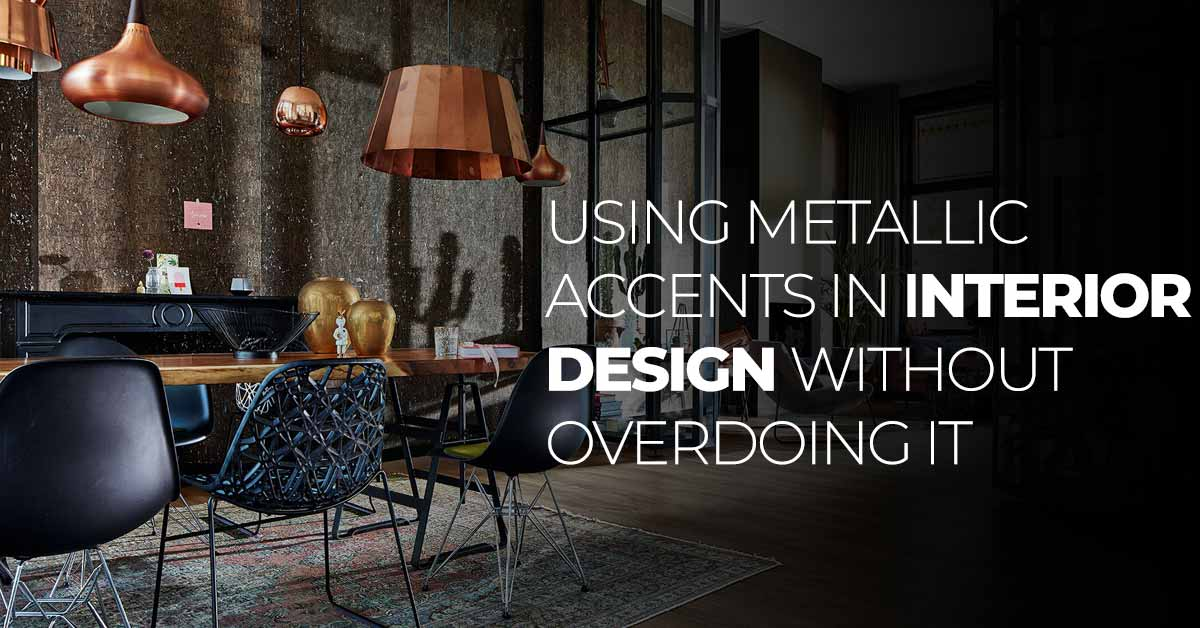
Core rules for styling metallic accent pieces without overdoing it
Keep these rules as your checklist. They are simple and repeatable.
- Less is more: Limit metallics so they read as accents, not the main finish.
- Pick a focal point: Use metallics to draw attention to one area or object.
- Mind scale and texture: Smaller shiny pieces pair well with matte, textured surfaces.
- Use a dominant tone: Choose one metal family to lead the room.
- Repeat subtly: Echo the metal in two or three spots to create cohesion.
These rules make styling metallic accent pieces without overdoing it feel effortless. Stick to them and you’ll avoid cluttered or flashy looks.
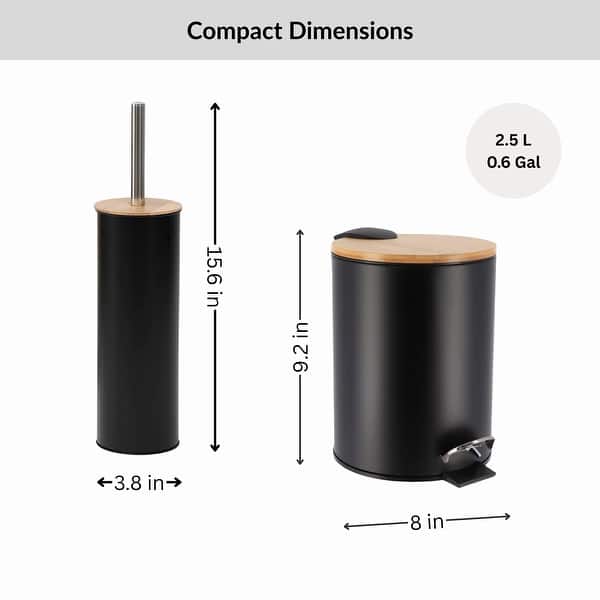
Choosing the right finish and scale
Different metal finishes send different messages. Brushed nickel feels modern and calm. Brass reads warm and vintage. Chrome reads cool and contemporary.
- Match finish to mood: Warm metals for cozy rooms, cool metals for sleek spaces.
- Scale matters: A large metallic coffee table is a statement. Do not pair it with many other shiny pieces.
- Mix finishes through texture: Pair a polished lamp with a brushed frame to add interest without chaos.
Understanding finish and scale helps you when styling metallic accent pieces without overdoing it. The right balance keeps a space curated and polished.
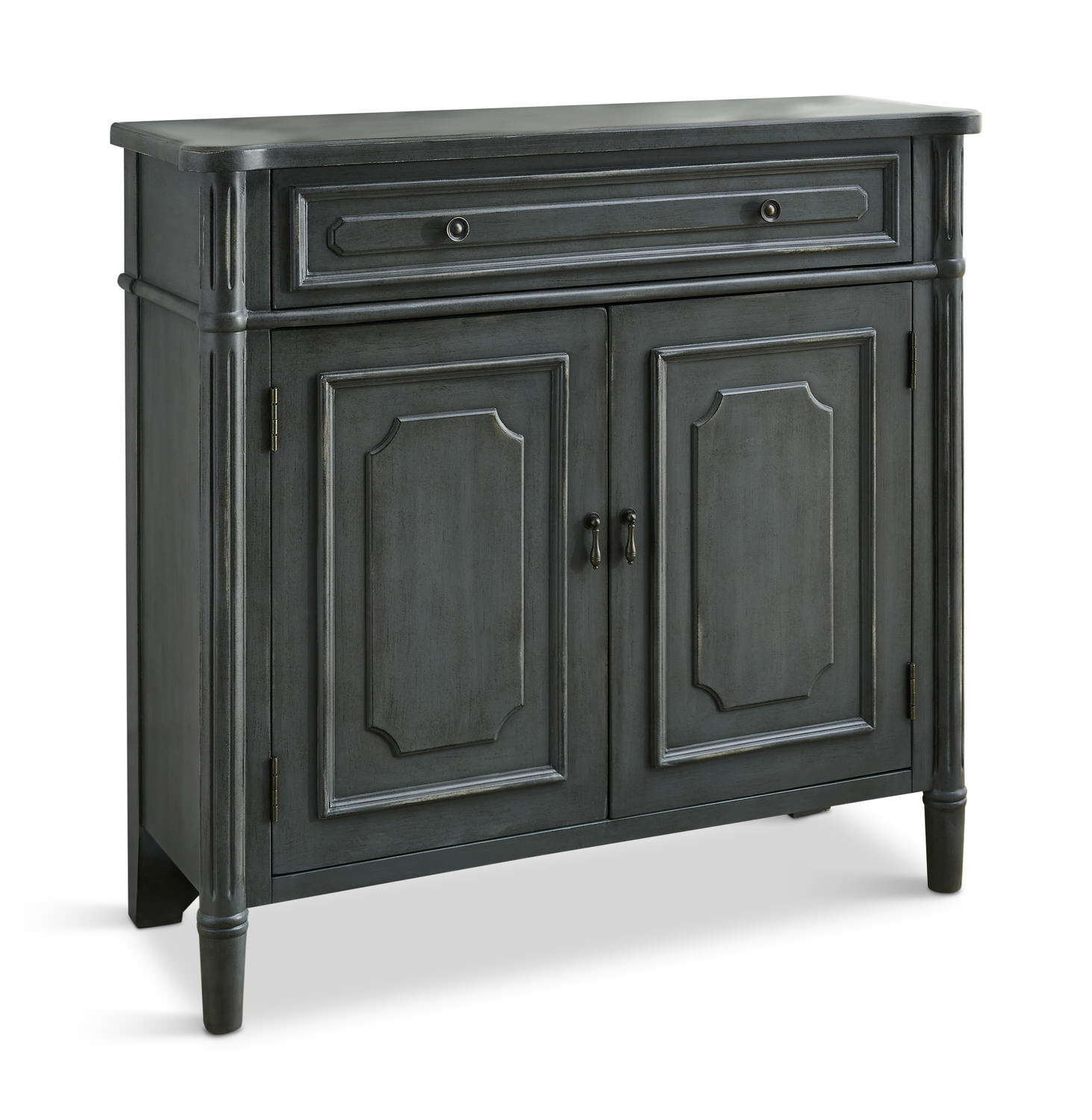
Mixing metals with confidence
Mixing metals can be tasteful. The trick is to anchor the room and add accents.
- Start with a dominant metal: Use it on 50–70% of metallic surfaces.
- Add a secondary metal: Use it sparingly, as highlights.
- Tie them together: Use color, fabric, or wood to link different metals visually.
People often worry mixing will look messy. If you follow the anchor-and-accent rule, mixing metals supports the design instead of competing with it. This method lets you enjoy variety while styling metallic accent pieces without overdoing it.

People also ask
Q: Can you mix gold and silver?
A: Yes. Use one as the dominant metal and the other as a small accent. Keep finishes and scale consistent.
Q: Should metallics match light fixtures?
A: They should coordinate, not match exactly. Aim for harmony through tone and proportion.
Q: Is matte metal less risky?
A: Matte metal reads subtler and is easier to layer with other finishes.
Room-by-room guidance
- Use metallics to frame focal points: a mirror, a lamp, or side tables.
- Keep one strong metallic element and two smaller echoes.
- Neutral textiles help the metal pop without taking over.
Bedroom
- Choose metallic elements that feel restful: bedside lamps, picture frames.
- Avoid large shiny surfaces on the bed. Keep the bed cozy with matte linens.
Kitchen
- Use metals functionally and decoratively: hardware, light fixtures, and a brass tap.
- Limit visible shiny surfaces to maintain a calm, usable kitchen.
Bathroom
- Small metallic accents can raise the feel: towel bars, mirror frames.
- Avoid competing shiny finishes; pick one main finish for plumbing and stick with it.
Hallway and entry
- An entry mirror or console lamp is a great place for metallic drama.
- Use a single statement metallic item and keep surrounding decor simple.
These room-level approaches make styling metallic accent pieces without overdoing it practical. You’ll get the look you want without a heavy hand.

Common mistakes and how to avoid them
Learn from mistakes I’ve seen and made.
- Too many focal points: When every object competes, nothing stands out. Choose one statement piece.
- Ignoring scale: Large metallics need breathing room. Don’t cluster big shiny items.
- Contradictory finishes: Avoid random metals that clash in tone. Plan an anchor metal first.
- Over-polishing: Excessive shine can feel cold. Mix in matte textures and natural materials.
I once styled a client’s living room with three large gold pieces. The room felt fake and busy. We removed one element, added matte wood, and the space immediately felt balanced. That’s the kind of practical lesson you’ll find useful when styling metallic accent pieces without overdoing it.

Practical styling checklist
Use this checklist before you add a metallic item.
- Identify the room’s focal point.
- Choose an anchor metal and stick to it.
- Limit metallic options to one statement and two small echoes.
- Mix textures: pair metal with wood, fabric, or stone.
- Step back and view the room in daylight.
This routine will help you style metallic accent pieces without overdoing it every time.
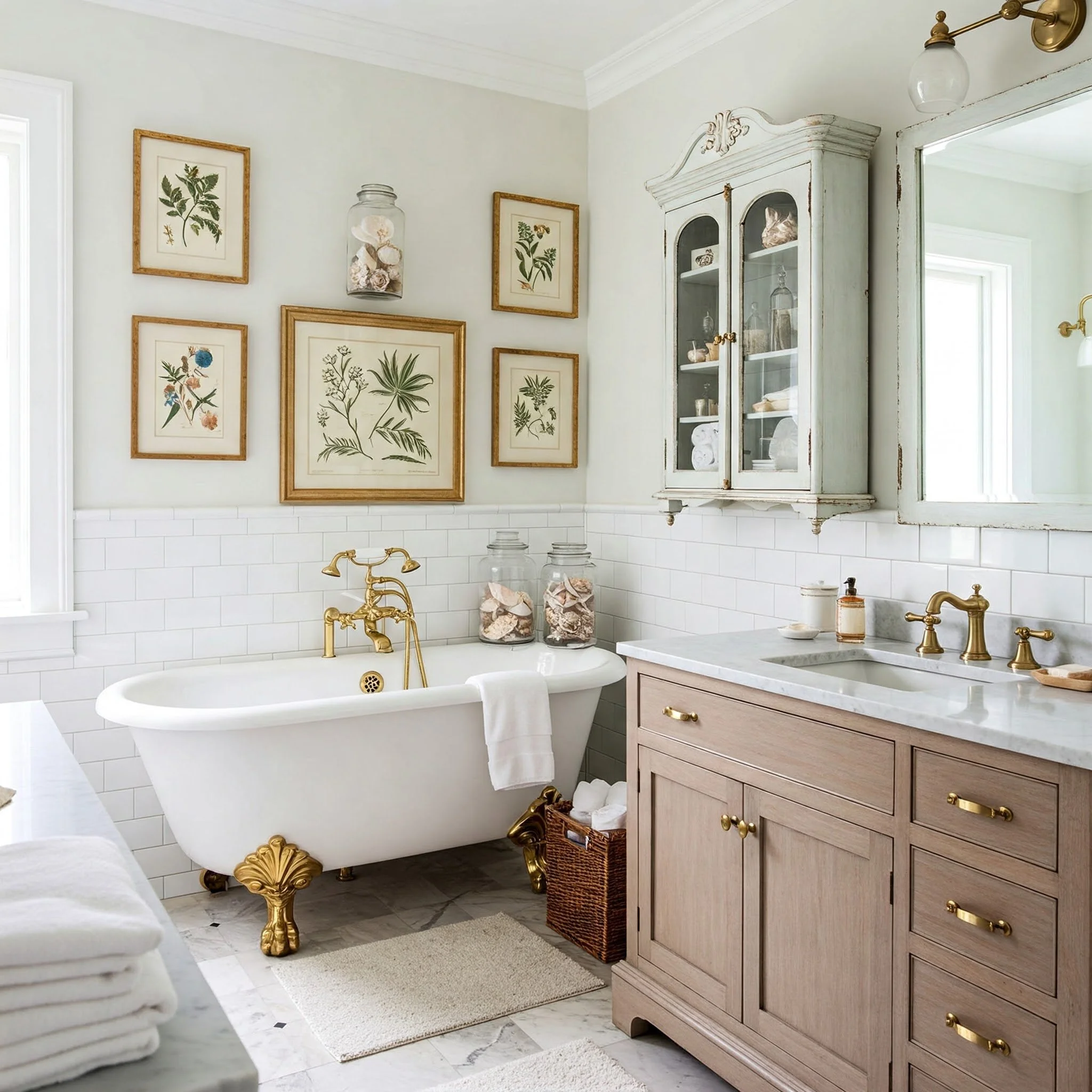
Experience-based tips and tools
From years of staging homes, I rely on a few trusted moves.
- Test with temporary pieces: Use removable metallic decor to preview the look.
- Photograph at different times: Metal looks different in morning and evening light.
- Use samples for finishes: Hold swatches next to walls and fabrics.
- Ask for a second opinion: A fresh eye can spot overuse fast.
Small habits like these prevent costly mistakes and help you get the right amount of shine.

Frequently Asked Questions of styling metallic accent pieces without overdoing it
How many metallic pieces should I use in a room?
Use one dominant metallic element and one to two smaller accents. This keeps the look intentional and balanced.
Can I mix warm and cool metals in one room?
Yes, if you choose a dominant metal first and use the other as a minor accent. Tie them together with shared textures or color.
Are matte metallic finishes better than polished ones?
Matte finishes are subtler and easier to layer. Polished finishes make stronger statements and need careful placement.
Should metallics match my fixtures exactly?
They should coordinate rather than match perfectly. Aim for harmony in tone and scale across fixtures and accents.
What’s the best way to test if metallics are too much?
Step back, photograph the space, and check at different light levels. If your eye jumps from item to item, dial back the metallics.
Conclusion
Use metals as punctuation marks in your design. Pick one anchor metal, add a few small echoes, mind scale, and mix textures for balance. Practice with samples, take photos, and trust simple rules to avoid excess. Try these steps in one room this week and watch how subtle metallics transform the space. Share your results, subscribe for more tips, or leave a comment with a photo of your styling success.

Daniel Hart is a consumer product analyst who specializes in mattress technology, smart bedding, and home comfort innovation. Before joining Royal Comport, Daniel worked with several e-commerce research teams, testing and comparing sleep products for quality, value, and long-term performance. He brings data-driven insight and real-world testing to every review he writes.

