

Massagers and relaxation products have become everyday tools. People use them to release tight shoulders, ease tired feet, speed up recovery, and wind down before bed. In 2026, the market is full of options, from simple foam rollers to full massage chairs with heat and app controls.
This guide cuts through the noise. It focuses on what works in practice, which products deserve a place in your home, how to choose one you will actually use, and how to get safe, lasting results. You can also read our guide on how much should you spend on a mattress expert budget guide.
Why Massagers & Relaxation Products Matter in 2026
Modern days are hard on the body. Desk work shortens the chest and overworks the upper back. Smartphones load the neck. Standing jobs fatigue the feet. By the end of the day, most people carry tension somewhere.
Massagers and relaxation products help in four distinct ways:
- Muscle tension relief — percussion and vibration reduce tightness in overworked muscles.
- Stress recovery — gentle pressure and warmth calm the nervous system.
- Sleep support — heat and deep pressure help you transition from a busy mind to a restful state.
- Faster recovery — compression and massage tools increase circulation and reduce next-day soreness.
They work best when paired with a consistent wind-down routine that includes dim light, no screens, and a regular bedtime. The goal is not a five-minute fix; it is a repeatable habit. You can also read our guide on how to choose a mattress for back pain.
 Image source: amazon.com A percussive massager is often the most versatile first device.
How Massagers & Relaxation Products Work
Different tools use different physical mechanisms, and knowing these mechanisms helps you buy with intention.
- Percussion delivers rapid taps into muscle tissue. It helps loosen tight knots and improves local circulation.
- Vibration provides gentler, surface-level stimulation. It is useful for relaxation and mild tension.
- Heat expands blood vessels, reduces stiffness, and promotes calm.
- Intermittent compression gently squeezes limbs in sequence, which supports recovery and reduces heaviness in the legs.
- Weighted pressure from blankets or eye pillows activates calming touch receptors and can ease anxiety.
Research on massage and relaxation tools is encouraging, but it is not a blank check. One review of peer-reviewed research on massage therapy found measurable benefits for pain and mood in many clinical contexts. If you want a balanced overview of the science and its limits, the National Center for Complementary and Integrative Health is a reliable resource.
Benefits Backed by Research
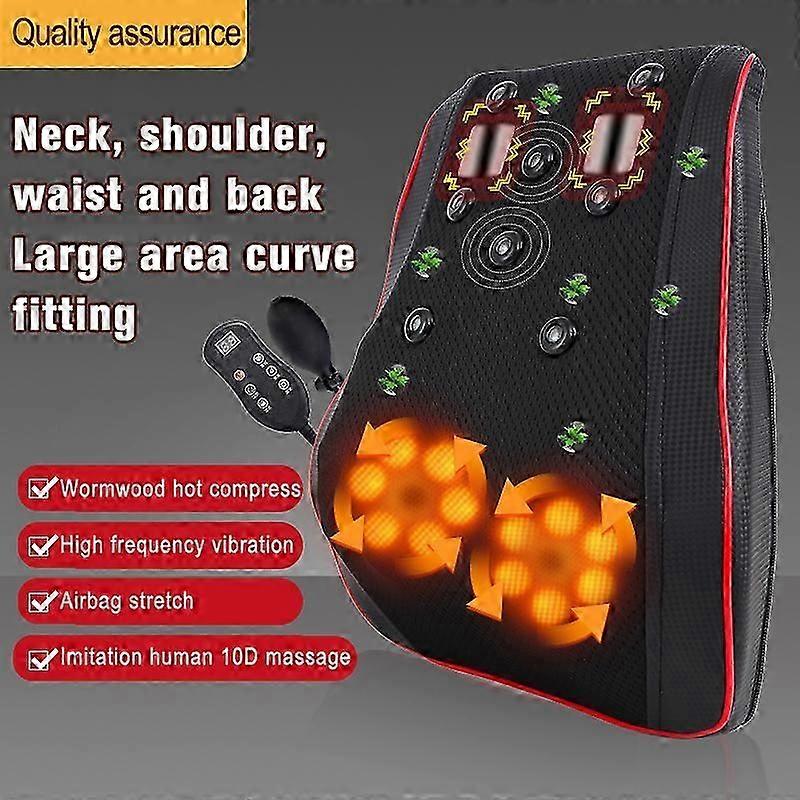 Image source: luyenthibedu.com Research supports using massage for relaxation, but results depend on the type and dosage.
Regular use of massagers and relaxation products can help with:
**Muscle
Muscle — soreness and stiffness reduction after workouts or long sitting sessions.
Stress — lower perceived anxiety and a calmer heart rate during and after use.
Sleep onset — tools that combine warmth or gentle pressure can help you fall asleep faster, especially when used 30–60 minutes before bed.
Circulation — compression devices and massage promote blood flow, which can ease swollen ankles and heavy legs.
There are limits, though. A massager will not fix chronic pain, structural injuries, or a serious medical condition on its own. It does not replace physiotherapy, medication, or a doctor's advice. Instead, think of these tools as a complement: they help you manage day-to-day tension, while your sleep, movement, and medical care handle the deeper work. For more on this, see our guide on best wellness comfort products editor picks.
The Main Types: What They Do and Who They Fit
 Image source: amazon.com Match the device type to your specific pain point and how you actually plan to use it.
The product world splits into several clear categories. Each targets different muscles and fits different lifestyles.
Handheld Percussion Massagers (Massage Guns)
These are the most popular category for a reason. They deliver rapid, focused impact to deep muscle tissue. They excel at:
- Post-workout recovery for legs and glutes
- Shoulder and upper back tension from desk work
- Loosening tight calves before or after running
Look for a model with variable speed settings and multiple head attachments. A low starting speed is essential for beginners. Battery life matters too — a device that dies after two sessions becomes a paperweight.
Neck and Shoulder Massagers
These range from U-shaped shiatsu devices to slim percussive tools designed for the trapezius muscles. They are:
- Compact and easy to store
- Useful for screen-related neck stiffness and stress headaches
- Best used while sitting in a chair, not lying down, to get proper pressure
Avoid using strong shiatsu devices directly on the bones of the spine, and never use them while asleep.
Foot Massagers and Baths
Tired feet are a common complaint, especially after long days of standing or walking. Foot massagers offer:
- Kneading and rolling for the arch and heel
- Heat to relax plantar fascia and improve circulation
- Water baths with bubbles for overall fatigue relief
These are especially helpful if you already deal with plantar pain or have a job requiring prolonged time on your feet.
Massage Chairs and Pads
Full massage chairs are a major investment and take up real space. With that, they offer whole-body relief: back, lumbar, shoulders, hips, and sometimes calves with compression. For more on this, see our guide on how to choose the best mattress for sciatica.
Before committing to a full chair, test one in a showroom or try a massage pad for a few weeks. Many people find a high-quality pad or a good lumbar pillow provides 80% of the benefit at 20% of the cost and footprint.
Foam Rollers and Massage Balls
The low-tech, high-value option. Foam rollers are great for self-myofascial release on the back, legs, and IT bands. Massage balls (particularly ones you can press against a wall) tackle smaller, knotted spots in the shoulders and glutes. For more on this, see our guide on saatva mattress vs competitors.
These tools:
- Cost very little compared to electronic devices
- Require no batteries, chargers, or maintenance
- Give you precise control over pressure
The downside is they demand more effort from you. If you want a hands-off experience, a powered device is better. If you are happy to spend 10 minutes moving slowly over a roller, roll on.
Eye and Face Massagers
Designed for the delicate skin around the eyes and forehead, these devices often combine:
- Gentle vibration
- Low-level heat
- Optional compression around the temples
They are useful for screen fatigue and tension headaches. Only use devices made for the face, never a body massager, and keep settings on the lowest or medium level.
Weighted Blankets and Relaxation Accessories
Weighted blankets and eye masks use deep pressure to calm the nervous system. They do not actively massage, but they are some of the strongest relaxation tools available for sleep.
A common practice is to pair a weighted blanket with a gentle evening massage session: 5 minutes on the neck and shoulders, then 20 minutes lying still under the blanket before lights-out. This pairing often produces better sleep outcomes than either tool alone.
How to Choose the Right Massager for Your Needs
 Image source: amazon.com Buy for what you will use daily, not for the feature list that looks impressive on paper.
A common mistake is buying a top-end device with forty features and then using it twice. The right choice is the simplest reliable tool that fits your routine. Use this decision framework before you buy:
Step 1 — Name your primary problem.
- Back pain? Focus on lumbar support tools or a massage pad.
- Sore legs after running? A percussion device or foam roller works.
- Stiff neck from screens? A small percussive tool or shiatsu neck device.
- Can't switch off at night? A weighted blanket or heat wrap is your priority.
Step 2 — Define your usage context.
- Where will you use it? (Office, living room, bedroom, gym bag)
- How much time can you dedicate per session? (5 minutes, 20 minutes, longer)
- Who else in the household will use it? (Consider adjustable intensity for multiple users)
Step 3 — Set your budget. Good handheld percussion massagers are widely available. Mid-range devices often deliver 80–90% of the performance of premium models. Premium value usually comes from quieter motors, longer battery life, and better build quality — not from more raw power.
Step 4 — Check reliability signals.
- Battery warranty (typically 1–2 years)
- Return policy length (30+ days is ideal)
- Availability of replacement heads or pads
- Weight — a heavy device can become tiring to hold during a long session
Step 5 — Plan for daily use. The best device is the one within arm's reach. If it takes effort to unbox and set up, you will not use it. Keep your primary massager visible and ready to grab at your usual relaxation spot.
Step 6 — Match your budget to the bigger picture. It helps to know roughly what you are willing to spend before you browse. If you are already planning a new mattress or other comfort upgrades, set a realistic total budget across all your purchases so the massager does not eat up money you need elsewhere.
How to Use Massagers Safely: Tips and Common Mistakes
 Image source: amazon.com Start at the lowest intensity for the first few sessions and pay attention to how your body responds.
Safety is non-negotiable, and a few basic rules prevent most problems.
Start low and slow. Begin with the lowest intensity setting for 5 minutes per area. Increase gradually over several days. Do not chase the deepest pressure on day one.
Keep moving. Do not hold a percussion device in one spot for more than 15–20 seconds. Glide it slowly over the muscle. Static pressure raises the risk of bruising or nerve irritation.
Avoid sensitive areas. Do not press on bones, joints, the spine, the front of the neck, or areas with visible inflammation, open wounds, or rashes. Skip areas with varicose veins.
Consult a doctor first if you have specific conditions. Massagers are not recommended for use on the abdomen during pregnancy, near implanted devices, or over areas affected by blood clots. If you are unsure, ask a healthcare professional before you start.
Do not expect a medical cure. These products relieve symptoms. They do not treat underlying structural issues.
A common mistake, and one I've made myself, is assuming "more power equals better results." Early on, I used a high-intensity setting on a fresh knot and ended up sore for two days. Gentler, longer sessions are almost always more effective and more comfortable than a short, aggressive one.
Pay attention to your body. If something feels sharp, numb, or deeply uncomfortable, stop and reduce the intensity or move to a different angle. The goal is relief, not tolerance of pain.
Maintenance and Care: Make Your Device Last
A little care goes a long way. Most quality massagers last 2–5 years with proper treatment.
- Wipe surfaces after each use. A damp microfibre cloth is usually enough. Use mild soap on cushions that touch skin regularly.
- Store in a dry place. Avoid bathrooms where humidity builds up. Keep cords loosely coiled, not tightly wrapped.
- Charge properly. Follow the manufacturer's charging guide. Do not leave it plugged in constantly; most modern batteries prefer partial cycles.
- Replace worn parts. Massage heads, covers, and pads wear out over time. Replace them to maintain hygiene and function.
- Travel safely. Remove batteries or lock the trigger before packing a device in a bag to prevent accidental activation.
Where to Buy: Smart Shopping Advice
You can buy massagers almost anywhere, but not all retailers are equal.
- Shop official brand stores or trusted retailers for warranty coverage and authentic products. This protects you against counterfeits that can fail or behave erratically.
- Compare features vs. price. Many mid-range models offer adjustable speed, several heads, and long battery life. Overpaying for app connectivity you will never use is a common trap.
- Check return policies. A 30+ day return window is valuable because you need a few weeks of real use to know if a massager fits your routine.
- Consider refurbished options. Reputable brands sometimes sell certified refurbished units with solid discounts and a shorter warranty. This is a good way to try a premium device at a lower cost.
- Read user reviews for long-term performance. Look for repeated comments about battery degradation, motor noise, or the device dying after a few months. These patterns are more telling than a single star rating.
Frequently Asked Questions
How often should I use a massager?
For general relaxation, 3–5 times per week with sessions of 5–10 minutes per area works well for most people. Athletes may use percussion devices daily, but they should keep sessions short and avoid overstimulating the same muscle group.
Can massagers replace physical therapy?
No. Massagers can help with symptom relief and relaxation, but they do not diagnose or treat injuries, joint instability, or serious medical conditions. Use them alongside professional care, not instead of it.
Are massagers safe during pregnancy?
Some gentle tools like soft heat wraps or light vibration pads on the back may be acceptable for some people, but strong percussion, deep tissue, and abdominal pressure should be avoided. Always get clearance from your healthcare provider before using any massager during pregnancy.
What is the best massager for sore shoulders?
A handheld percussion massager with a ball or bullet head attachment works well for most shoulder tension. If your shoulders are particularly sensitive, choose a gentler vibration device and always start on the lowest setting.
Do massagers help with sleep?
Yes, particularly when combined with good sleep hygiene. Warmth and gentle pressure signal relaxation, which supports the transition into sleep. Using a massager 30 minutes before bed, followed by a period of dim light and no screens, can be part of an effective wind-down routine.
How long do massagers usually last?
Expect 2–5 years from mid-range devices with proper care. Battery health, motor quality, and usage frequency are the main factors. Simple tools like foam rollers and massage balls can last much longer with basic cleaning.
Can I use a body massager on my face?
No. Face and eye massagers are designed with lower intensity and are safe for delicate skin, while body massagers are not. Using a body percussor on the face can cause bruising or skin irritation.
Final Thoughts
Massagers and relaxation products are not luxury extras. They are practical, everyday tools for managing tension and improving rest. The right choice in 2026 is not the most expensive model or the one with the most features — it is the one that fits your pain points, your schedule, and your willingness to use it consistently.
Start with one simple tool, choose it carefully, and use it gently for a month. Track how your muscles feel and how long it takes you to fall asleep. If it helps, make it part of your regular routine. If it does not, adjust the intensity, timing, or the type of device. The best product is the one that becomes a habit.

Daniel Hart is a consumer product analyst who specializes in mattress technology, smart bedding, and home comfort innovation. Before joining Royal Comport, Daniel worked with several e-commerce research teams, testing and comparing sleep products for quality, value, and long-term performance. He brings data-driven insight and real-world testing to every review he writes.


