

Your living room rug can make or break the entire look of your space. But placing it wrong?
That can throw off the balance and make your room feel awkward. What if you could learn the simple rules interior designers swear by to place your rug perfectly every time? Imagine a living room where your rug ties everything together, creating comfort and style effortlessly.
Keep reading, because these easy-to-follow tips will transform your space and make your living room feel inviting and polished like never before.
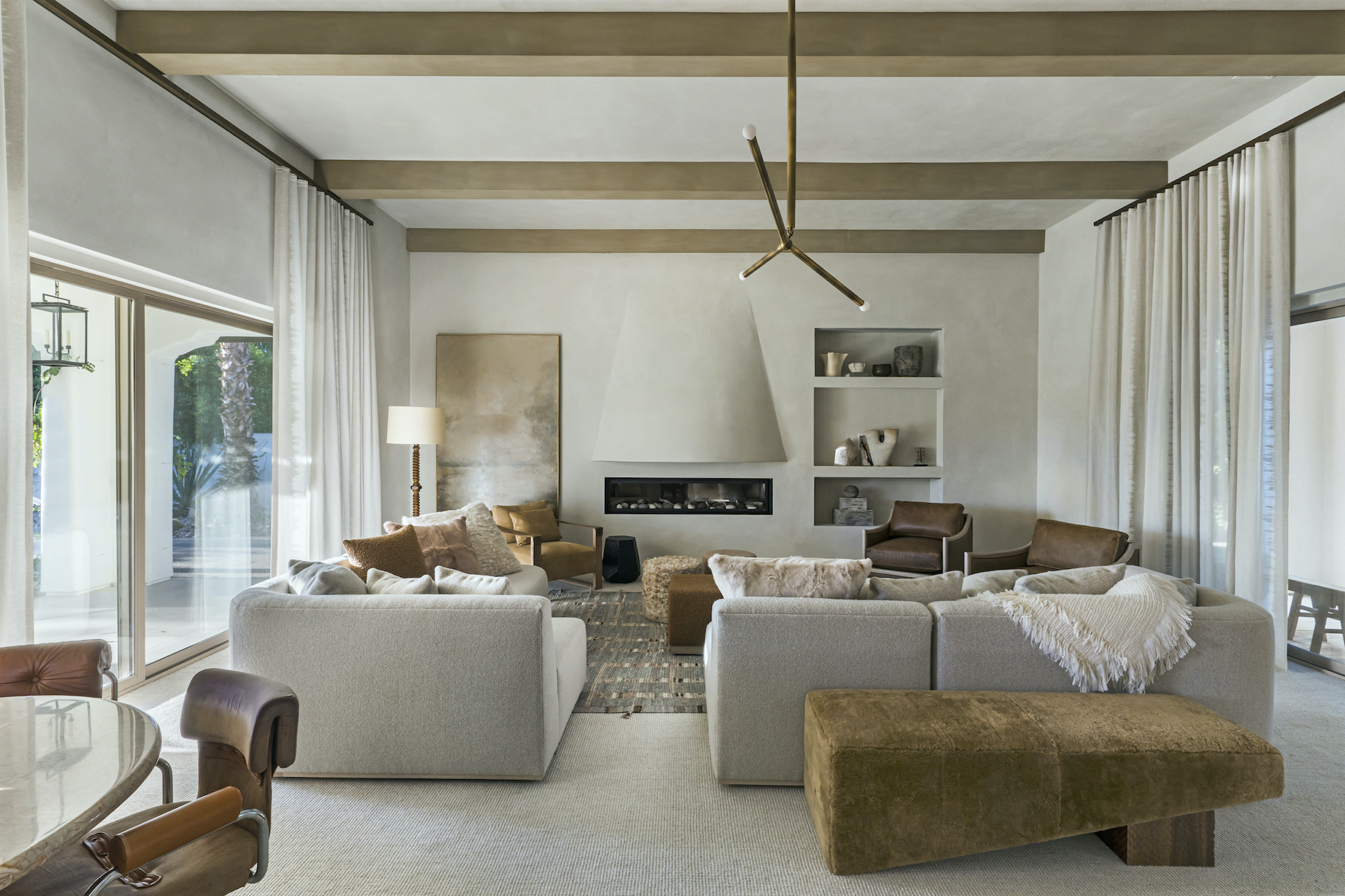
Credit: www.livingetc.com
Choosing The Right Rug Size
Choosing the right rug size sets the foundation for your living room’s style. A well-sized rug can make the space feel cozy and complete. The wrong size can make the room look awkward or cluttered. Understanding the best rug size for your room helps create harmony and balance.
Small Rugs For Compact Spaces
Small rugs work best in tight spaces. They fit well under a coffee table or in front of a sofa. These rugs add warmth without crowding the room. Use a small rug to define a seating area in a studio or small apartment. Keep the rug large enough to fit key furniture legs or just the front legs.
Medium Rugs For Balanced Areas
Medium rugs suit average-sized living rooms. They anchor the furniture and tie the space together. Place the rug under the front legs of sofas and chairs for a balanced look. This size helps create a cozy zone without overwhelming the room. It also makes the area feel inviting and connected.
Large Rugs For Open Layouts
Large rugs work well in spacious, open-plan living rooms. They cover more floor space and unify different seating areas. A big rug allows all furniture legs to sit on it for a polished look. It helps define the living room within a larger space. Large rugs also add softness and comfort underfoot.
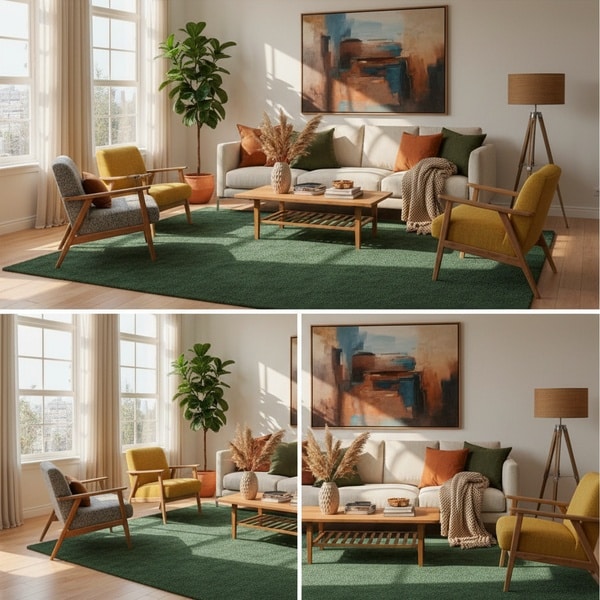
Credit: the-rugs.com
Positioning Rugs With Furniture
Positioning rugs with furniture shapes the look and feel of a living room. It creates harmony and balance in the space. Rugs can tie together different pieces and make the room cozy. The way you place rugs under or near furniture changes the room’s style and comfort.
All Legs On The Rug
This style means every piece of furniture sits fully on the rug. The rug needs to be large enough to hold all legs of sofas, chairs, and tables. It creates a unified space and feels stable. This look works best in big rooms with plenty of space.
Front Legs On The Rug
Only the front legs of the furniture rest on the rug. This method shows off more floor and still connects the pieces. It works well for smaller rugs and rooms. It makes the area feel open while keeping a cozy touch.
Floating Rugs
Floating rugs sit away from the furniture with no legs on them. This style adds a modern and airy vibe. It works well to highlight the rug’s design. Use this when you want the rug as a separate statement piece.
Creating Cozy Zones
Creating cozy zones in your living room makes the space inviting and warm. Rugs play a key role in this process. They help mark areas for relaxing, chatting, or reading. The right rug placement brings comfort and style together.
Here are simple rules interior designers use to create those cozy zones with rugs.
Defining Seating Areas
Rugs help set clear boundaries for seating zones. Place a rug large enough for all furniture legs to rest on it. This creates a unified look and a sense of togetherness. If the rug is smaller, at least the front legs of sofas and chairs should touch the rug. This makes the area feel connected and balanced.
Layering Rugs For Texture
Layering rugs adds depth and warmth to the room. Start with a large, neutral base rug. Add a smaller, patterned or textured rug on top. This mix of layers creates visual interest and a cozy feel. Use natural fibers like wool or jute for softness and durability.
Using Rugs To Anchor Decor
Rugs anchor the room’s decor by tying different elements together. Choose rugs that complement your furniture’s color and style. Position them under key pieces like coffee tables or ottomans. This grounds the decor and prevents the room from looking scattered.
Color And Pattern Choices
Choosing the right color and pattern for your living room rug changes the whole space. The rug ties the room together. It can brighten the room or make it calm. Designers focus on color and pattern to create balance and style.
Complementing Wall And Furniture Colors
Pick rug colors that match your walls and furniture. Soft colors work well with light walls. Dark rugs fit better with bright or white furniture. This keeps the room feeling cozy and balanced. Avoid colors that clash or feel too loud next to your furniture.
Mixing Patterns Confidently
Mix patterns to add interest without chaos. Choose one big pattern for the rug. Add smaller patterns in pillows or curtains. Keep the colors similar to avoid clashing. This way, patterns complement each other and feel connected.
Balancing Bold And Neutral Tones
Bold rugs catch the eye. Use them with neutral furniture to avoid overpowering the room. Neutral rugs work well with colorful furniture to keep calm. Balance is key. This makes the space feel inviting and stylish without stress.
Practical Tips For Rug Care
Taking care of your living room rug keeps it looking fresh and new. Proper care extends the rug’s life and maintains its beauty. Small steps make a big difference in rug care.
Selecting Durable Materials
Choose rugs made from strong fibers like wool or synthetic blends. These materials resist stains and handle foot traffic well. Durable rugs stay attractive longer and need less repair.
Routine Cleaning Habits
Vacuum your rug regularly to remove dust and dirt. Clean spills immediately with a clean cloth and mild soap. Rotate the rug every few months for even wear and color.
Preventing Slips And Wear
Use a non-slip rug pad under your rug to keep it in place. Pads also protect the floor and reduce rug wear. Avoid placing rugs in direct sunlight to prevent fading.

Credit: jasminemcclellanddesign.com.au
Frequently Asked Questions
What Size Rug Fits Best In A Living Room?
Choose a rug that fits your seating area. It should be large enough to anchor all furniture legs or at least the front legs to create cohesion and balance.
How Far Should A Rug Extend Under Furniture?
A rug should extend 18-24 inches under furniture edges. This rule ensures visual flow and prevents the rug from looking too small or disconnected.
Can A Rug Define Separate Living Room Zones?
Yes, rugs can define zones by anchoring furniture and creating visual boundaries. This helps organize spaces in open-plan living rooms effectively.
Should Rugs Be Centered In The Living Room?
Typically, rugs are centered under the main seating area. This placement balances the room and highlights the focal point of your living space.
Conclusion
Choosing the right rug placement can change your living room’s feel. Rugs help define spaces and add warmth. Keep furniture partly on the rug for balance. Leave enough floor space to avoid clutter. Pick a rug size that fits your room well.
Simple rules make your room look tidy and cozy. Follow these tips to create a welcoming space. Your living room will feel more inviting and stylish. Small changes bring big comfort and beauty.

Emma Caldwell is a certified sleep consultant with over 8 years of experience studying how environment, posture, and bedding affect sleep quality. At Royal Comport, she leads content focused on mattress reviews, sleep hygiene, and wellness optimization. Her mission is to help readers find science-backed comfort solutions that improve both rest and daily performance. Her Expertise is Sleep science, mattress testing, comfort ergonomics, lifestyle wellness.


