
Light & Comfort shape how we feel, work, and rest by balancing brightness and warmth.
I have spent years designing interiors and testing lighting setups that boost mood and ease. This article explains how Light & Comfort work together, why they matter, and practical steps you can take right now to improve your home, office, or outdoor space. Expect clear science, real-world tips from my projects, and simple tools to measure and tune light for true comfort.

Why Light & Comfort Matter
Light & Comfort affect physical health, mood, and productivity. Good light helps sleep, reduces eye strain, and makes spaces feel welcoming. Poor light causes headaches, fatigue, and a cold or sterile feel.
People respond to light and comfort in daily life. I once tuned a living room light plan and saw a family use the space more. They read, ate, and relaxed more after small changes. That experience showed me how big an impact the right light can have.

The Science Behind Light & Comfort
Light affects circadian rhythms and alertness. Blue-rich light boosts wakefulness. Warmer light helps winding down. Comfort links to glare, contrast, and visual tasks.
The body reads light through the eyes and brain chemicals shift. When light is well matched to the task, people feel better and work faster. When it is mismatched, we feel tired and distracted. Simple metrics like lux and color temperature help us measure and tune light.
Key Elements of Light & Comfort
- Light level: how bright a space is. Aim for enough brightness for the task.
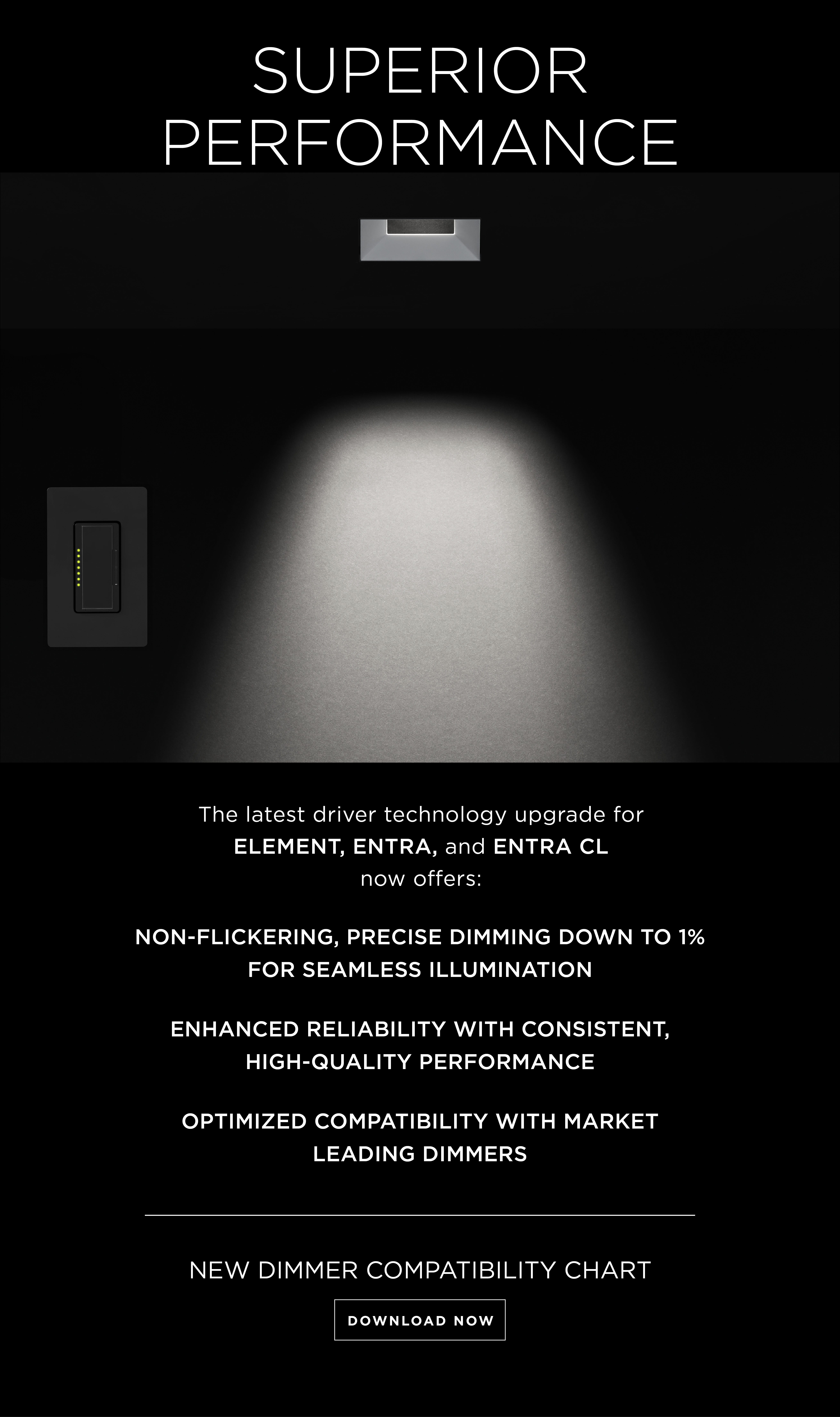
- Color temperature: warm to cool light. Use warm light for relaxing and cool light for work.
- Glare control: reduce direct glare to avoid eye strain.
- Contrast and layering: mix ambient, task, and accent lights for depth.
- Direction and shadow: soft shadows add shape and comfort.
These elements combine to create the feeling of comfort. In a bedroom, lower lux and warm light promote rest. In a kitchen, higher lux and cooler light help with tasks.
Designing Spaces with Light & Comfort in Mind
Start with goals. Decide if the space is for rest, work, or socializing. Match light to those goals. Use layered lighting to add flexibility.
Practical steps I use in design:
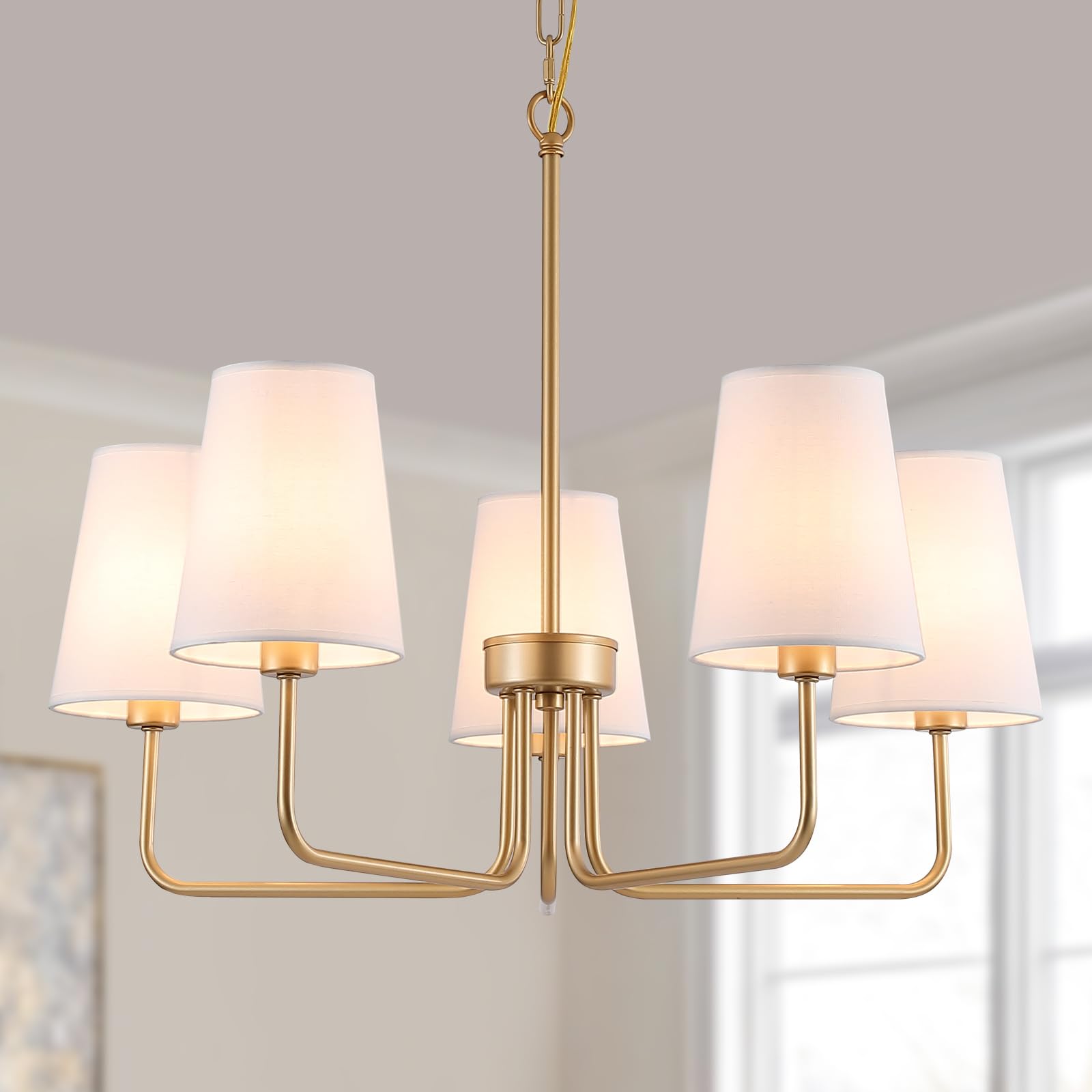
- Choose dimmable fixtures so light can be tuned by time of day.
- Position task lights close to work zones to cut glare and boost clarity.
- Use warm accent lights to create a cozy feel in seating areas.
- Add smart controls for schedules that mimic natural light.
I once redesigned a small office with layered lighting. We added task lamps, wall washers, and dimmers. Productivity rose and complaints fell. Small moves create big changes in comfort and use.
Practical Tips to Improve Light & Comfort at Home
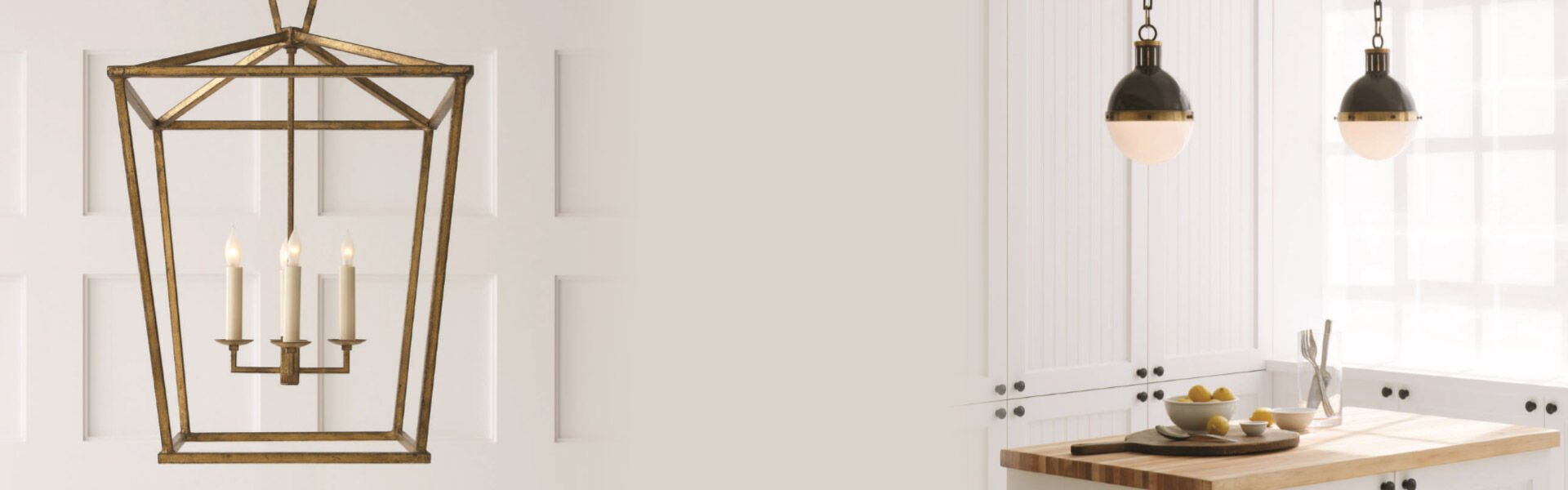
- Swap harsh bulbs for warm LEDs in living spaces to add comfort.
- Add a desk lamp with adjustable arm for focused work light.
- Use curtains or blinds to soften strong daylight and cut glare.
- Place light sources at different heights for balanced illumination.
- Try smart bulbs or presets to match light to the time of day.
Test changes for a week and note how you feel. Light tweaks are low cost but high impact. I recommend testing one change at a time so you can see what truly helps.

Tools and Metrics to Measure Light & Comfort
- Lux meter: checks brightness for tasks and rooms.
- Color temperature scale: measured in kelvin to pick warm or cool light.
- CRI (Color Rendering Index): higher CRI makes colors look natural.
- Glare index tools: help spot direct glare issues.
I use a simple lux meter in client visits. It helps to set targets: 300–500 lux for work areas, 100–300 lux for living rooms, and lower for bedrooms. These numbers guide choices but always listen to occupant feedback.

Products and Technologies That Enhance Light & Comfort
- LED bulbs with adjustable color temperature for day-night tuning.
- Dimmable fixtures and smart controls for easy scene setting.
- Diffusers and shades to reduce glare and soften light.
- Human-centric lighting systems that adjust color and intensity by time of day.
New tech lets you mimic natural light cycles. I tried a tunable LED panel in a study. It made long work hours feel less tiring. Technology helps, but good placement and simple habits matter most.

Frequently Asked Questions of Light & Comfort
What is the best color temperature for comfort?
Warm light (2700–3000 K) feels cozy and is best for rest. Cooler light (4000–5000 K) aids focus and work.
How bright should my living room be?
Aim for 100–300 lux in general areas, with brighter task lights for reading or hobbies. Layer lights for flexibility.
Can light improve sleep quality?
Yes. Reducing blue-rich light and dimming lights in the evening helps signal the body to wind down. Avoid screens close to bedtime when possible.
Are smart bulbs worth the cost for comfort?
Yes, if you want easy control over color and dimming. They let you match light to mood and schedule with low effort.
How do I reduce glare in my workspace?
Move lights behind you or to the side, use diffusers, and position monitors to avoid reflections. Task lighting that shines on work, not eyes, helps.
Conclusion
Light & Comfort shape how you live, work, and feel. Small changes in light level, color, and control can make a room feel warmer, easier to use, and healthier. Try one simple tweak this week: add a dimmable lamp or set a warmer bulb in a key space. Notice how mood and focus change, then adjust from there.
If you found this helpful, try the tips and share your results. Leave a comment, subscribe for more guides, or explore smart lighting options to build your best light and comfort plan.

Daniel Hart is a consumer product analyst who specializes in mattress technology, smart bedding, and home comfort innovation. Before joining Royal Comport, Daniel worked with several e-commerce research teams, testing and comparing sleep products for quality, value, and long-term performance. He brings data-driven insight and real-world testing to every review he writes.


