

A sofa rarely looks unfinished because of the frame or the fabric. In most cases, the cushions are the problem: the right size but flat and lifeless, a beautiful pattern that fights the rug, or two lonely pillows that relate to nothing else in the room. The good news is that styling cushions is one of the easiest skills to master. Once you understand a few proportions and placement rules, you can make a loveseat, a deep sectional, or a slim-armed sofa look professionally styled in about ten minutes.
This guide walks you through cushion sizes and fills that actually make sense, a repeatable layout formula for every sofa type, color and texture strategies that work in real rooms, and the maintenance habits that keep your arrangement looking great long after the first week.
Why Cushion Styling Changes The Whole Room
Cushions are the fastest and least expensive update you can make to a living space. They do four jobs at once:
- Comfort. A well-placed lumbar cushion turns a shallow sofa into a place where you can actually lean back and read for an hour.
- Visual anchor. Cushions frame the sofa and draw the eye, which makes the whole seating area feel intentional rather than accidental.
- Color bridge. They connect the sofa to the rug, curtains, and artwork by repeating colors already in the room.
- Protection. Cushions take the daily wear from heads, arms, and pets, which keeps the sofa upholstery cleaner for longer.
There is also a fifth benefit: a cozy, well-ordered sofa invites you to slow down at the end of the day. If winding down is something you struggle with, creating a comfortable corner where you can relax is a practical first step toward better rest — the kind of small change that helps you sleep more soundly without buying anything new.
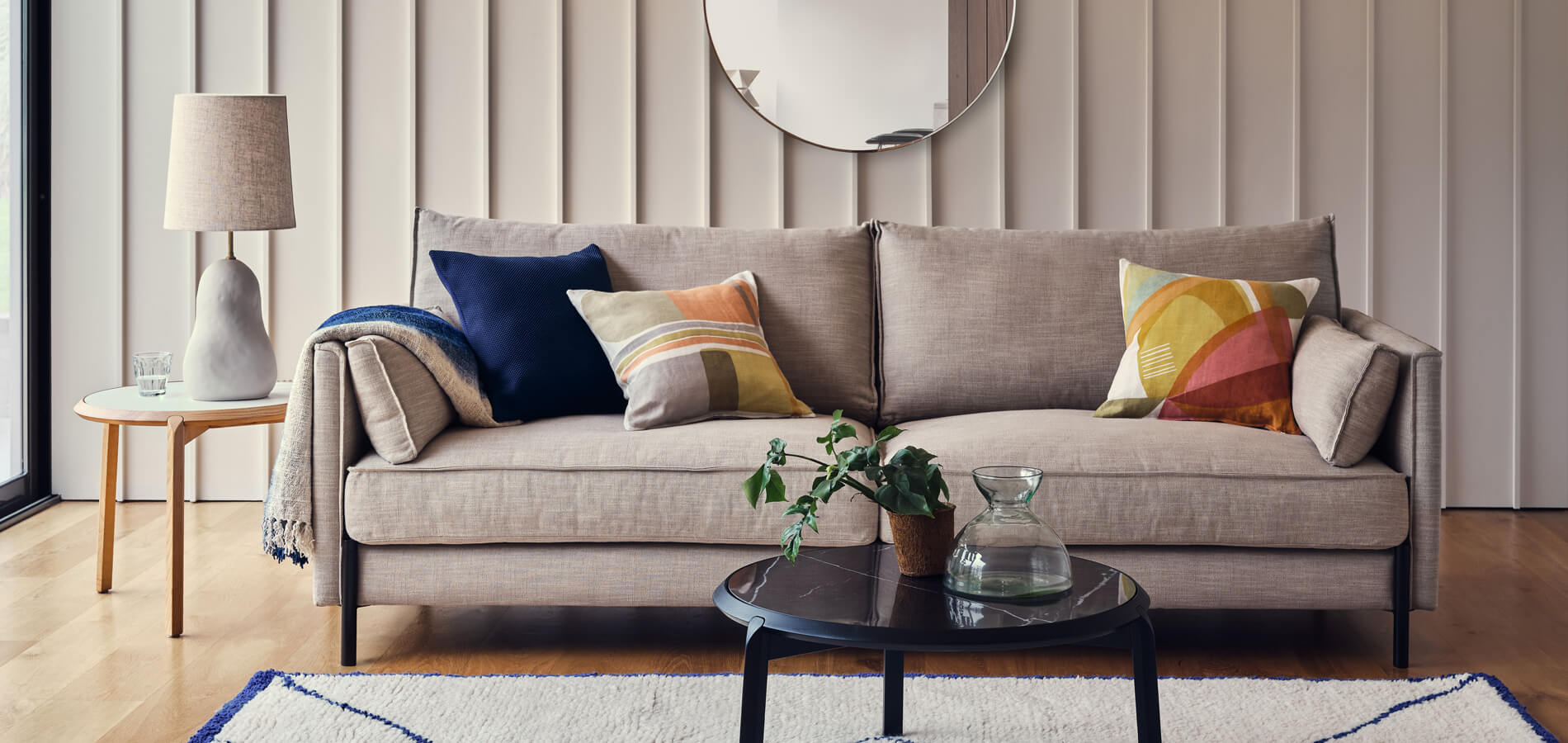
Pattern, color, and varied sizes turn a plain sofa into the focal point of the room.
Source: lottmusicstudio.com
Cushion Basics: Sizes, Fills, And Fabrics
Before you think about arrangement, check that the cushions themselves are right for the sofa. Size comes first, fill second, fabric third.
Cushion Sizes That Fit Most Sofas
The most common square sizes in the U.S. are 16×16, 18×18, 20×20, and 22×22 inches. Lumbars and bolsters add the variety that makes an arrangement look designed.
| Cushion Size | Best For |
|---|---|
| 16×16 | Loveseats, slim-armed sofas, the front accent layer |
| 18×18 | Standard sofas around 70–80 inches wide |
| 20×20 | Medium-to-large sofas, the back anchor row |
| 22×22 | Deep sofas, sectionals, large open seating |
| 12×20 lumbar | The front layer, lower-back support |
| 12×36 bolster | Sectional corners, lounging positions |
Measure your sofa before shopping. Cushions should cover roughly half to two-thirds of the seat depth. On a 22-inch-deep seat, a 20×20 or 22×22 cushion works; on an 18-inch-deep seat, an 18×18 feels right and a 22×22 would hang over the edge.
Fill: What’s Inside Matters
- Down and feather look luxuriously soft and drape beautifully, but they need daily fluffing and cost more.
- Down-alternative and polyester hold their shape longer, are machine-friendly, and suit most budgets — the best all-rounder for everyday sofas.
- Foam core stays crisp and firm, which is ideal for cushions used mostly for back support rather than lounging.
My advice: use a down-feel insert for the back anchor cushions where softness shows, and a firmer polyester or foam insert for the front cushions that get leaned on.
Fabric: Choose For Real Life
Linen and cotton look relaxed and casual. Velvet adds warmth, depth, and a touch of luxury. Performance fabrics — usually labeled as stain-resistant or washable — are the smart choice for homes with kids or pets. A good rule is to mix at least two textures: one plush, one matte, and if you want more interest, one pattern.

Cushions with different fills and fabrics create a layered, comfortable look.
Source: stylebyemilyhenderson.com
The Layout Formula: How To Arrange Cushions Like A Designer
The actual arrangement is simpler than most people expect. Professional designers fall back on the same formulas over and over. Here is the one that works on almost any sofa:
Two large squares in the back corners, one smaller square or one lumbar in the front center.
That single formula gives you a balanced, layered look that still leaves plenty of room to sit. For a longer sofa, scale it up:
- Three-seat sofa (80–90 inches): two 22×22 back cushions plus one 18×18 or 12×20 lumbar in front center.
- Four-seat sofa (90–110 inches): two 22×22 back cushions, two 18×18 front cushions, and one lumbar in the middle.
- Loveseat (60–70 inches): two 18×18 cushions and one small lumbar — no more.
A few placement rules make every arrangement look more natural:
- Use odd numbers. Three or five cushions read as intentional; an even number can look like the pair you bought and never thought about again.
- Layer from back to front. Bigger cushions at the back, smaller shapes in front, so each layer is visible.
- Tilt one cushion. After arranging, turn one front cushion diagonally and give it a quick pinch at the center. That small gesture makes the whole sofa look styled rather than staged.
- Break the symmetry. Symmetry feels formal. If you want a relaxed, lived-in feel, place three cushions on one side and two on the other.
These proportions follow the same balance principles that professional interior designers use when composing a whole room — scale, rhythm, and visual weight.

The classic two-back, one-front layout works because it layers size and depth.
Source: kitkemp.com
Color, Pattern, And Texture Strategies
Most people fail at cushion styling not because they pick ugly cushions, but because they have no color plan. Decide on one strategy before you buy or arrange.
Three Color Strategies That Always Work
- Tonal. Choose several shades of one color — sage, olive, and moss, for example — for a calm, sophisticated look. This works especially well if you want a quiet, restful space that supports a low-stimulation environment.
- Contrast. Pair one bold color (cobalt blue, burnt orange) with neutrals so the bold cushions pop without overwhelming the room.
- Accent. Pick a single accent color that already exists in your rug or artwork, and repeat it across two or three cushions to tie the whole room together.
Pattern Mixing Without The Chaos
Pattern mixing is easier when you follow three rules:
- Mix scale. Combine one large-scale pattern with one medium and one small. Three patterns of the same size will compete.
- Repeat a color. At least one color should appear in two or more of the cushions — otherwise the pattern feels random.
- Keep one neutral. A plain neutral cushion gives the eye a resting place between busy patterns.
Texture Counts as Color
At a distance, texture reads like color. A chunky knit, a velvet, and a flat linen next to each other create depth even when they are all the same neutral shade. Limit yourself to three textures per sofa so the look stays intentional instead of cluttered.
A combination I return to again and again: one pattern, two solids, and one textured neutral. It looks layered, rich, and balanced — without requiring you to become a color theorist.

Pick one color strategy — tonal, contrast, or accent — and repeat it across all cushions.
Source: stylebyemilyhenderson.com
Styling For Different Sofa Types
The same cushions can look great on one sofa and wrong on another. Here is how to adapt the formula.
Sectionals
Use clusters of three to five cushions on each section, rather than one long straight row. Keep one or two colors consistent across all clusters so the whole piece feels cohesive, and place a lumbar in the corner where the two sections meet — it fills the empty gap and creates a natural lounging spot.
Loveseats and Small Sofas
Resist the urge to fill a loveseat with cushions. Two or three is the maximum. One larger cushion at each end plus a thin lumbar in the middle gives you the layered look while leaving real seating space. Flatter fills are better here — you still need to sit on the sofa.
Mid-Century and Slim-Armed Sofas
These sofas have clean lines that you don't want to bury. Choose low-profile cushions in smaller sizes like 16×16 or 18×18, add a slim lumbar, and keep patterns minimal. The goal is to complement the sofa's silhouette, not cover it.
Sofa Beds and High-Use Sofas
Function first. Use fewer cushions so you can fold the bed out quickly, keep inserts light so they stack without crushing, and choose performance fabrics or removable washable covers. If you regularly doze off on the sofa, choose a supportive lumbar that helps ease back pain instead of a purely decorative round cushion.

On a sectional, use clustered groups of cushions rather than a single row.
Source: kitkemp.com
Common Mistakes To Avoid (And What To Do Instead)
Even a beautiful cushion looks wrong when the fundamentals are off. These are the mistakes I see most often:
- Too many patterns fighting each other. If you feel uncertain after arranging, remove one patterned cushion and replace it with a neutral. That fixes the problem in most cases.
- Wrong scale. Large cushions on a small loveseat swallow the seating area; tiny cushions on a deep sectional look lost. Match cushion size to sofa width and depth.
- Matching everything. Two identical cushions in the same size, same fabric, same pattern, set perfectly in each corner — this looks like what it is: a purchased set. Mix sizes and at least one texture.
- Ignoring how the sofa is used. If people actually sit on the sofa, decorative-only cushion pyramids become a daily nuisance. Keep the front row small and easy to toss aside.
- Never fluffing. Down and down-feel inserts flatten within days. Cushions that are never re-plumped look tired no matter how good the fabric is.
- Overstuffing. Too many cushions make even a generous sofa feel like a display, not a place to sit. When in doubt, take one away.
A useful test: step back and look at the sofa from the doorway. If your eye doesn't know where to land, the arrangement is too busy. A good cushion layout has a clear focal point — usually the front center cushion.

The final pinch on a front cushion adds the effortless, styled look.
Source: theglobalstitch.com
Cushion Care: Keep Them Looking Plump For Years
Styling matters, but maintenance decides how long your arrangement keeps looking good. A five-minute weekly routine makes a visible difference.
The Weekly Routine
- Fluff every cushion and rotate them so both sides wear evenly.
- Check for loose threads or worn corner seams before they turn into bigger problems.
- If a cushion has a zipper cover, unzip it and plump the insert directly — this redistributes the fill.
Washing and Cleaning
Check the care label before washing anything. Many cotton and linen covers are machine-washable on a gentle cycle, but performance fabrics, velvets, and wool blends often need spot cleaning only. For general stain guidance, the American Cleaning Institute has straightforward instructions for treating common spills on upholstery fabrics. When in doubt, test any cleaner on a hidden seam first, and always air-dry covers to avoid shrinkage.
Refreshing and Replacing
- Rotate seasonal cushions. Swap heavy velvet and knit covers in winter for light linen in summer. This is the cheapest room refresh you can do.
- Store off-season covers in breathable cotton bags. Plastic traps moisture and can cause mildew.
- Replace inserts every 3–5 years depending on use. When a cushion insert no longer springs back after fluffing, no amount of styling will save it.
Think of cushion inserts the same way you think of sofa and bed accessories: quality materials last longer, perform better, and are worth the small premium.
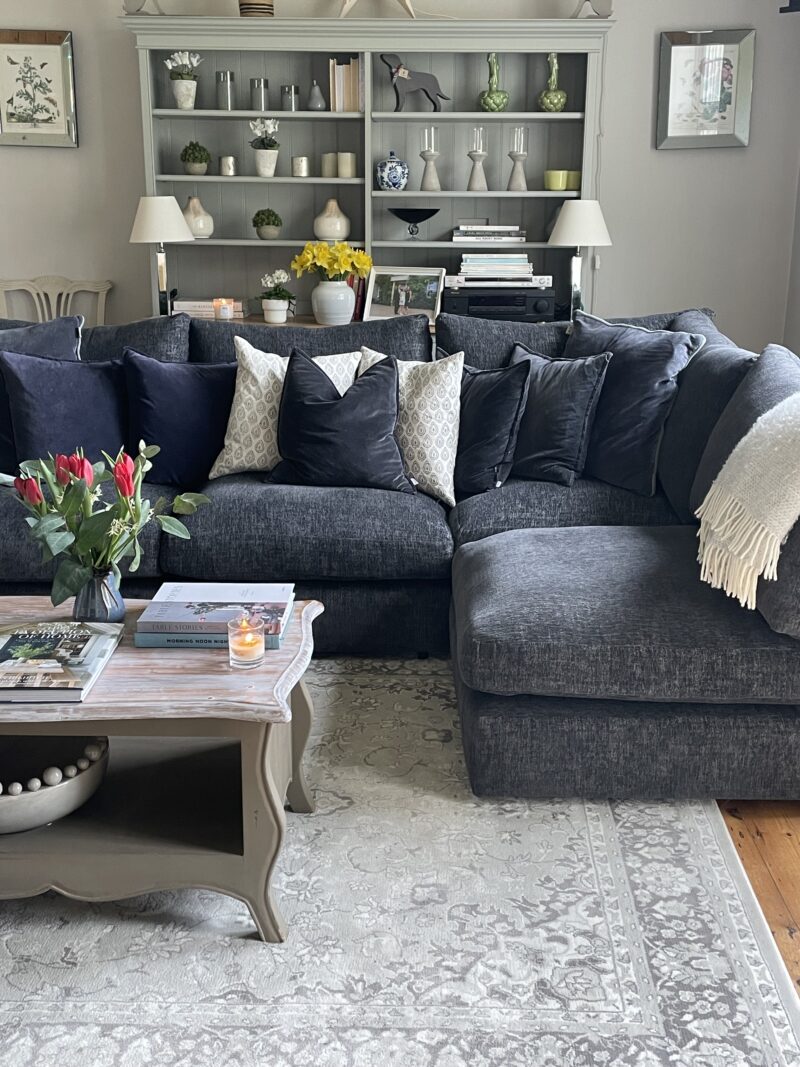
Regular fluffing and removable covers keep cushions looking plump and fresh.
Source: bsfsry.com
Frequently Asked Questions
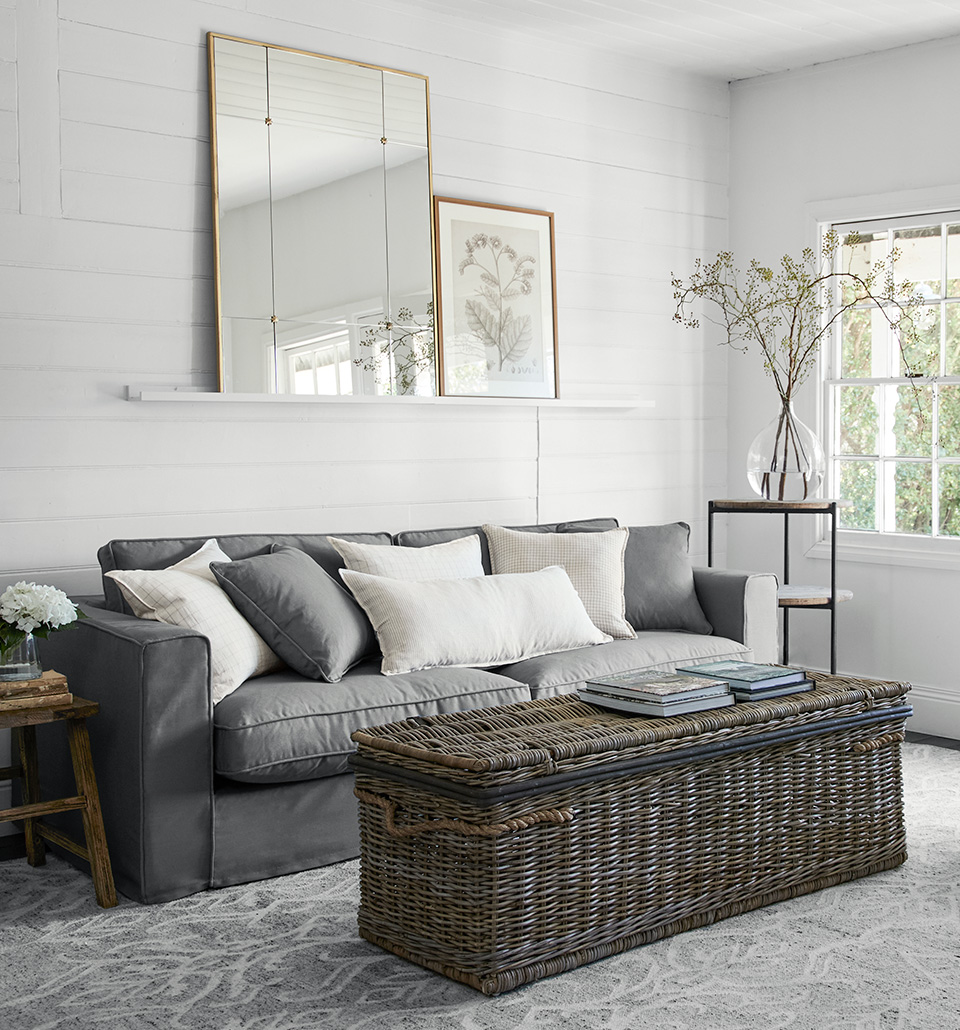
A before-and-after look at how size and placement change a sofa’s proportions.
Source: com.au
How many cushions should I use on a standard sofa?
Three to five cushions works on a standard 84- to 90-inch sofa. This range keeps the sofa balanced without making it impossible to sit down. A loveseat should never have more than three.
What sizes work best for a deep sofa?
Deep sofas need larger cushions to look proportionate. Use 20×20 or 22×22 in the back row, then add an 18×18 or a lumbar in front for layering.
Can I mix velvet and linen together?
Yes — this is one of the strongest texture combinations you can use. The velvet adds warmth and depth, the linen keeps the overall look relaxed, and their contrast creates richness without any pattern.
How do I keep cushions from sliding on leather sofas?
Smooth leather is slippery, so use a non-slip pad or a thin upholstery tack strip behind the cushions. Velcro strips attached to the back of the insert and the sofa seam also work. All of these hold cushions in place without damaging the leather.
Should cushion patterns match the curtains or rug?
They should echo, not match. Repeat one or two colors from the rug or curtains in your cushions, but don't try to copy the pattern itself. This creates cohesion while keeping each element distinct.
How often should I replace cushion inserts?
Most inserts last three to five years with regular use. Higher-quality down and high-density foam inserts last longer. Replace them when they no longer hold their shape after fluffing.
Is symmetry or asymmetry better for cushion styling?
Both work, and the choice depends on the mood you want. Symmetry feels formal and calm; asymmetry feels relaxed and modern. For a relaxed family room, offset the cushions slightly. For a formal space, keep them balanced.
Conclusion
Styling cushions on a sofa comes down to five decisions: size, fill, fabric, layout, and color. Measure your sofa first, use the two-back-one-front formula, pick one color strategy, and let maintenance keep your work looking fresh. Start small — choose one pattern, two solids, and one textured neutral, then step back and adjust until it feels right.
Try one new layout this week. Swap a single cushion, tilt the front one, and see how your sofa transforms. For more ideas on making your home comfortable and relaxing, explore the rest of our comfort and design guides.

Daniel Hart is a consumer product analyst who specializes in mattress technology, smart bedding, and home comfort innovation. Before joining Royal Comport, Daniel worked with several e-commerce research teams, testing and comparing sleep products for quality, value, and long-term performance. He brings data-driven insight and real-world testing to every review he writes.


