

Your patio furniture cushions add comfort and style to your outdoor space. But have you ever noticed how quickly they wear out or get damaged when left outside?
Storing them the right way can save you money and keep your cushions looking fresh for years. In this guide, you’ll discover simple, effective tips to protect your cushions from weather, dirt, and pests. Keep reading to learn how you can extend the life of your patio cushions and enjoy your outdoor space even more.
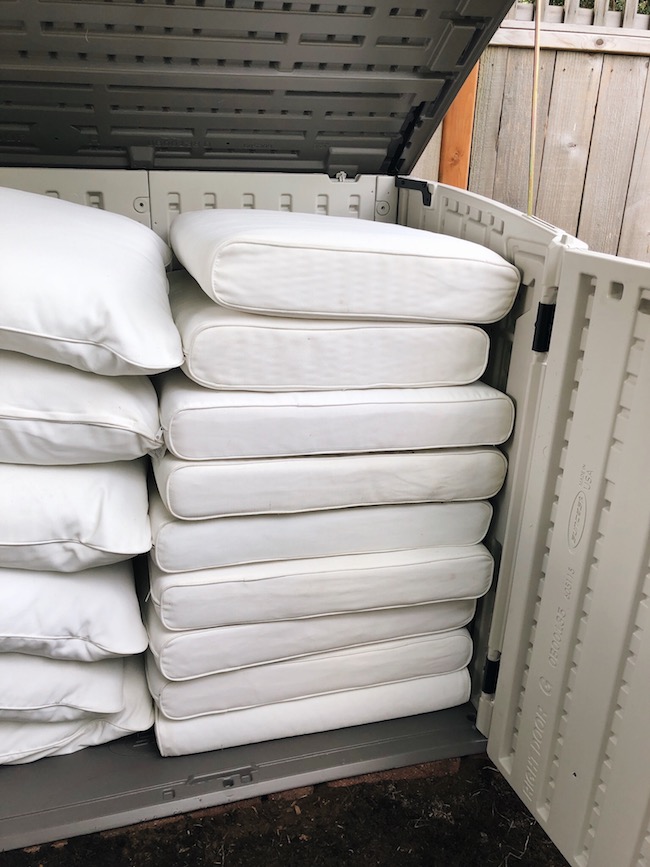
Credit: glutenfree-life.net
Choosing The Right Storage Spot
Choosing the right spot to store patio furniture cushions helps keep them clean and lasting longer. Picking a good place protects cushions from damage caused by weather and pests. This section explains how to find the best storage location for your cushions.
Indoor Vs Outdoor Storage
Indoor storage usually protects cushions better than outdoor spots. Inside a closet or garage, cushions stay safe from rain, wind, and dirt. Outdoor storage can work if the area is dry and covered. Avoid places where cushions touch the ground or get wet.
Ideal Temperature And Humidity
Choose a spot with a steady temperature. Avoid places that get very hot or very cold. High humidity can cause mold and mildew on cushions. A dry, cool area helps cushions stay fresh and firm. Use a dehumidifier if needed to control moisture.
Avoiding Sunlight And Moisture
Keep cushions away from direct sunlight. Sunlight fades colors and weakens fabric fibers. Moisture can cause stains and bad smells. Store cushions off the ground on shelves or racks. Cover them with breathable fabric to block dust but allow air flow.

Credit: www.amazon.com
Cleaning Cushions Before Storage
Cleaning patio furniture cushions before storing them is very important. It helps keep cushions fresh and prevents mold and bad smells. Dirt and stains can damage the fabric if left for a long time. Proper cleaning makes cushions last longer and look nice.
Removing Dirt And Debris
Start by shaking the cushions outside to remove loose dirt. Use a soft brush or vacuum cleaner to clear dust and debris. Pay attention to seams and corners where dirt hides. This simple step prevents dirt from settling deeply into the fabric.
Spot Cleaning Stains
Find any spots or stains on the cushions. Mix mild soap with water and use a soft cloth to dab the stain. Avoid rubbing hard to stop fabric damage. Rinse with a clean damp cloth to remove soap. Let the cushion air dry completely before moving to deep cleaning.
Deep Cleaning Techniques
Fill a basin with warm water and mild detergent. Submerge the cushion covers if removable, and gently scrub with a soft brush. For non-removable cushions, use a sponge dipped in soapy water to clean the surface. Rinse well to remove all soap. Dry cushions outside in the shade to avoid sun damage.
Drying Cushions Properly
Drying cushions properly is key to keeping them fresh and lasting longer. Wet or damp cushions can develop mold and odors. Taking time to dry them well protects your investment. Use simple methods to ensure cushions dry quickly and fully.
Air Drying Tips
Start by placing cushions outside in a sunny spot. Sunlight helps kill germs and dries cushions naturally. Arrange them flat or stand them on edge for good airflow. Flip cushions often to dry both sides evenly. Avoid damp or shaded areas that slow drying.
Using Fans Or Dehumidifiers
Use fans indoors to speed up drying on cloudy days. Point fans directly at cushions for best airflow. A dehumidifier helps remove moisture from the air. Place cushions in a small room with a dehumidifier running. This method reduces drying time and stops mildew growth.
Ensuring Complete Dryness
Check cushions carefully before storing. Feel inside seams and corners for hidden dampness. Use your nose for musty smells that signal moisture. Cushions must be fully dry to avoid mold. Store only after confirming they are completely dry.
Packing Cushions Safely
Packing cushions safely protects them from damage and keeps them fresh. Proper packing stops mold, mildew, and bad smells. It also helps cushions keep their shape for longer.
Using Breathable Storage Bags
Choose bags made from cotton or mesh. These materials let air flow freely. Air circulation stops moisture build-up and mold growth. Avoid sealed plastic bags that trap moisture inside. Breathable bags keep cushions dry and fresh.
Avoiding Plastic Wrap
Plastic wrap traps moisture and heat. This creates a perfect place for mold to grow. Cushions wrapped in plastic can develop bad odors. Skip plastic wrap to let cushions breathe. Use breathable covers instead for safe storage.
Stacking Without Crushing
Stack cushions gently without pressing them down. Heavy stacking can flatten and damage the foam inside. Place heavier cushions at the bottom and lighter ones on top. Keep stacks low to prevent squashing. This keeps cushions fluffy and comfortable.
Protecting Cushions From Pests
Pests can damage patio furniture cushions. Bugs, rodents, and insects may cause stains, holes, or bad smells. Protecting cushions from pests helps keep them clean and fresh. Proper storage and care lower the chance of pest problems. Use simple steps to guard your cushions effectively.
Natural Repellents
Natural repellents keep pests away without harsh chemicals. Cedar blocks, lavender sachets, or peppermint oil work well. Place these near cushions in storage. Their scent deters insects and rodents naturally. Change or refresh repellents often for best results.
Sealing Storage Areas
Seal storage areas tightly to stop pest entry. Use plastic bins with lids or zippered bags. Avoid cardboard boxes, as pests can chew through them. Check for cracks or holes in sheds or closets. Cover any gaps with weather stripping or caulk.
Regular Inspections
Inspect cushions and storage spots regularly. Look for signs of pests, like droppings or chew marks. Remove any pests you find immediately. Clean cushions before storing to remove food crumbs. Regular checks prevent small problems from growing.
Maintaining Cushions During Storage
Proper care during storage keeps patio furniture cushions fresh and durable. Neglect can cause damage, making cushions less comfortable and shortening their life. Regular maintenance helps avoid mold, mildew, and flattening. Follow simple steps to protect your cushions through the off-season.
Fluffing And Rotating
Fluff cushions regularly to keep their shape. Press and release the filling to restore softness. Rotate cushions to ensure even wear. This prevents flat spots and helps them last longer. Store cushions in a way that avoids heavy pressure on one side.
Checking For Mold And Mildew
Inspect cushions often for signs of mold or mildew. Look for dark spots or a musty smell. Clean affected areas immediately using mild soap and water. Allow cushions to dry completely before storing. Proper ventilation during storage reduces mold growth.
Refreshing Cushions Before Use
Air out cushions before placing them back outside. Sunlight helps remove odors and kills bacteria. Spot clean stains with a gentle cleaner. Use a fabric refresher spray for a fresh scent. This makes cushions inviting and comfortable for outdoor use.

Credit: fj-outdoors.com
Frequently Asked Questions
How Do I Clean Patio Furniture Cushions Before Storing?
Clean cushions by brushing off dirt and stains. Use mild soap and water for spot cleaning. Allow them to dry completely before storing to prevent mold and mildew growth.
What Is The Best Way To Store Cushions Long-term?
Store cushions in a dry, cool place. Use airtight storage bags or plastic bins to protect from moisture, pests, and dust. Avoid direct sunlight to prevent fading and material damage.
Can I Store Patio Cushions Outside During Winter?
It is not recommended to store cushions outside during winter. Exposure to moisture and cold can cause fabric damage and mold. Always bring cushions indoors or into a weatherproof storage area.
Should I Use Cushion Covers For Storage?
Yes, using cushion covers protects cushions from dust, dirt, and pests. Choose breathable, water-resistant covers to avoid moisture buildup. Covers help maintain cushion quality during storage.
Conclusion
Storing patio furniture cushions properly keeps them clean and dry. Use airtight bags or storage bins to protect from moisture. Keep cushions in a cool, dry place away from direct sunlight. Regular cleaning before storage helps prevent mold and odors.
Proper storage extends cushion life and saves money. Take simple steps now to enjoy your cushions longer next season. Easy care makes outdoor spaces more comfortable and inviting.

Daniel Hart is a consumer product analyst who specializes in mattress technology, smart bedding, and home comfort innovation. Before joining Royal Comport, Daniel worked with several e-commerce research teams, testing and comparing sleep products for quality, value, and long-term performance. He brings data-driven insight and real-world testing to every review he writes.


