

Are your outdoor cushions looking worn out or fading faster than you’d like? How you store them can make all the difference in keeping them fresh, clean, and ready for your next outdoor gathering.
If you want to protect your cushions from sun damage, moisture, and dirt, this guide is made just for you. Keep reading to discover simple, effective ways to store your outdoor cushions so they last longer and stay comfortable season after season.
Your backyard comfort depends on it!
Choosing The Right Storage Spot
Choosing the right storage spot for outdoor cushions is important to keep them clean and lasting longer. Picking a good place helps protect cushions from dirt, moisture, and sun damage. It also makes it easy to find them when needed.
Ideal Indoor Locations
Storing cushions indoors is the safest option. A dry basement or closet works well. These places keep cushions away from rain and strong sunlight. Make sure the spot has good air circulation. This helps prevent mold and bad smells.
Weather-proof Outdoor Options
Some outdoor storage choices protect cushions from weather. Use a weather-proof storage box or bench. These containers block rain and sun but allow some air flow. Choose plastic or resin boxes for easy cleaning. Keep the box off the ground to avoid water damage.
Avoiding Moisture And Sun Damage
Moisture causes mold and breaks down cushion fabric. Avoid places near sprinklers or puddles. Do not store cushions in direct sunlight. Sunlight fades colors and weakens material. A shaded area or covered porch can work well. Always dry cushions fully before storing to prevent mold growth.
Preparing Cushions For Storage
Preparing outdoor cushions for storage is key to keeping them fresh and lasting longer. Taking a few careful steps helps protect cushions from mold, dirt, and damage during storage. This preparation makes cushions ready for next season’s use.
Cleaning Techniques
Start by removing loose dirt and debris. Use a soft brush or vacuum cleaner. Spot clean stains with mild soap and water. Avoid harsh chemicals that can damage fabric. For stubborn stains, gently scrub with a soft cloth. Always follow the cushion care label instructions.
Drying Thoroughly
Dry cushions completely before storage. Moisture can cause mold and mildew. Air dry cushions in a sunny, well-ventilated area. Avoid direct heat sources that may damage fabric. Flip cushions to dry both sides evenly. Ensure no damp spots remain.
Inspecting For Damage
Check cushions for tears or loose seams. Small repairs prevent bigger problems later. Look for signs of mold or mildew. Remove any affected areas carefully. Replace foam inserts if they are worn out. Proper inspection keeps cushions in good shape.
Storage Methods
Proper storage methods keep outdoor cushions clean and dry. They protect cushions from dirt, moisture, and pests. Choosing the right storage method helps extend the life of your cushions. Below are some easy and effective ways to store them safely.
Using Storage Bins And Containers
Plastic storage bins are strong and waterproof. They keep cushions safe from rain and dust. Use bins with tight-fitting lids for best protection. Clear bins help you see the cushions inside quickly. Store bins in a cool, dry place to avoid mold.
Vacuum-sealed Bags
Vacuum-sealed bags save space by removing air. They keep cushions dry and prevent mildew. Use bags made for fabric storage to avoid damage. Make sure cushions are clean and dry before sealing. Store the bags flat or upright in a dry area.
Fabric Covers And Protective Wraps
Fabric covers protect cushions from dust and sun. Choose breathable covers to avoid moisture build-up. Use waterproof wraps for extra protection during heavy rain. Covers help keep cushions fresh and ready for use. Store wrapped cushions in a shaded place.
Credit: www.breezeresidency.com
Seasonal Storage Tips
Storing outdoor cushions properly helps keep them clean and damage-free through the year. Seasonal storage tips help protect cushions from weather changes and dirt. Follow simple steps to extend the life of your cushions and keep them fresh.
Winterizing Cushions
Clean cushions before storing to remove dirt and stains. Use mild soap and water, then let them dry completely. Wet cushions can develop mold and mildew during winter months.
Store cushions in a dry, cool place away from moisture. Use waterproof storage bags or bins to keep them safe. Avoid leaving cushions outside where cold and snow can damage fabric and foam.
Check cushions periodically to ensure they stay dry. Air them out if any moisture appears to prevent mold growth. Proper winter storage keeps cushions ready for next season.
Summer Storage Practices
Store cushions in shaded areas to prevent sun damage and fading. Avoid direct sunlight as it weakens fabric and colors. Use breathable covers to allow air circulation and reduce moisture buildup.
Keep cushions off the ground to avoid dirt and pests. Elevate them on shelves or racks inside a garage or shed. Clean cushions regularly during summer to remove dust and pollen.
Rotate cushions if stored outside for long periods. This reduces uneven wear and keeps them in good shape. Proper summer storage maintains comfort and appearance all season long.
Maintaining Cushions During Storage
Maintaining outdoor cushions during storage keeps them fresh and lasts longer. Proper care prevents damage from dampness, pests, and mold. This section explains easy steps to protect your cushions while they rest.
Regular Airing
Take cushions outside regularly to air them out. Fresh air stops moisture buildup inside the fabric. Moist cushions can smell bad and weaken quickly. Leave cushions in the sun for a short time. Avoid long exposure to prevent color fading.
Pest Prevention
Store cushions in sealed containers or bags to block pests. Insects and rodents can damage fabric and stuffing. Use natural repellents like cedar chips or lavender sachets. Check storage areas for signs of pests often. Clean the area before placing cushions there.
Checking For Mold And Mildew
Look at cushions carefully for spots or a musty smell. Mold and mildew grow in damp, dark places. Clean small spots with a mix of water and vinegar. Let cushions dry completely in the sun. Replace cushions if mold spreads too much.

Credit: www.coimbraepaixao.com.br
Reviving Cushions After Storage
Outdoor cushions need care after storage to look fresh and comfy again. Dust, moisture, and creases can make them less inviting. Taking a few simple steps helps bring life back to your cushions. This way, they stay cozy and ready for use.
Cleaning Before Use
Start by brushing off dirt and dust with a soft brush. Spot clean stains using mild soap and water. Avoid soaking cushions to prevent damage. Let them dry completely in the sun. Fresh cushions feel clean and smell better.
Fluffing And Restoring Shape
Pat and shake cushions to spread the filling evenly. Use your hands to reshape edges and corners. Fluffing lifts the fabric and restores softness. This makes cushions comfortable and inviting again. Give each cushion enough time to regain its form.
Repairing Minor Damage
Check for small tears or loose threads carefully. Use a needle and thread to sew minor rips. Fixing small issues early stops them from getting worse. Replace missing buttons or ties if needed. Well-maintained cushions last longer and look neat.
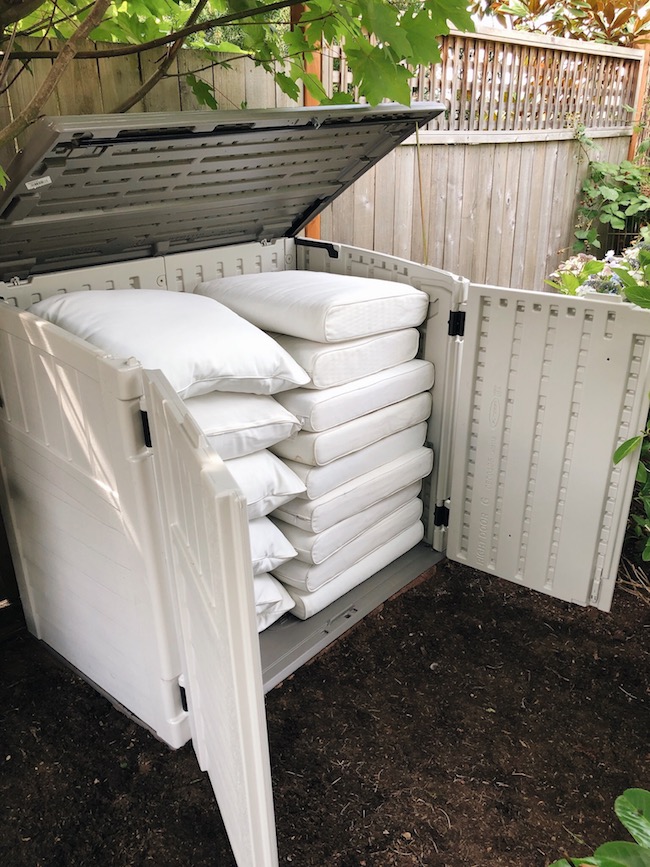
Credit: theinspiredroom.net
Frequently Asked Questions
How Do I Clean Outdoor Cushions Before Storing?
Clean cushions by brushing off dirt and washing with mild soap. Rinse well and air dry completely to prevent mold.
What Is The Best Place To Store Outdoor Cushions?
Store cushions in a cool, dry place away from direct sunlight. Use sealed storage bags or containers to protect from moisture.
Should Outdoor Cushions Be Covered During Storage?
Yes, cover cushions with waterproof covers or bags. This protects them from dust, moisture, and pests while stored.
How Can I Prevent Mold On Stored Cushions?
Ensure cushions are completely dry before storing. Use moisture absorbers and store in a well-ventilated area to prevent mold growth.
Conclusion
Storing outdoor cushions properly keeps them clean and lasting longer. Always dry cushions fully before putting them away. Use breathable bags or containers to avoid mold and mildew. Keep cushions in a cool, dry place during bad weather. Regular care saves money and keeps your outdoor space cozy.
Follow these simple steps for fresh, comfy cushions every season. Your outdoor area will stay inviting and neat year-round.

Emma Caldwell is a certified sleep consultant with over 8 years of experience studying how environment, posture, and bedding affect sleep quality. At Royal Comport, she leads content focused on mattress reviews, sleep hygiene, and wellness optimization. Her mission is to help readers find science-backed comfort solutions that improve both rest and daily performance. Her Expertise is Sleep science, mattress testing, comfort ergonomics, lifestyle wellness.


