

Your garden furniture cushions add comfort and style to your outdoor space. But if you don’t store them properly, they can quickly get dirty, damp, or damaged.
Imagine reaching for your cushions next season only to find them moldy or faded. You want to protect your investment and keep those cushions looking fresh year after year. You’ll discover simple, effective ways to store your garden furniture cushions so they stay clean, dry, and ready to use whenever you want.
Keep reading to learn easy tips that can save you time and money while making your outdoor space inviting all year round.
Choosing The Right Storage Spot
Choosing the right spot to store garden furniture cushions is key to keeping them clean and fresh. Proper storage protects cushions from dirt, moisture, and damage. This helps them last longer and stay comfortable for your outdoor space.
Indoor Vs Outdoor Storage
Indoor storage is usually better for cushions. A dry room like a closet or basement keeps cushions safe from rain and dirt. Outdoor storage, such as a shed or covered porch, can work if it is well-ventilated and protected from weather. Avoid places that collect water or have pests.
Ideal Temperature And Humidity
Store cushions in a cool, dry place. High heat can damage foam and fabric. Humidity causes mold and mildew. Aim for a spot with low humidity and stable temperature. Avoid damp basements or hot attics.
Avoiding Direct Sunlight
Sunlight fades colors and weakens fabric fibers. Choose a shaded or dark storage area to keep cushions vibrant. Cover cushions with breathable fabric if light exposure cannot be avoided. This prevents sun damage and keeps cushions looking new.

Credit: fj-outdoors.com
Cleaning Cushions Before Storage
Cleaning cushions before storing them keeps them fresh and in good shape. Dirt, dust, and stains can cause damage if left on the fabric. Proper cleaning helps avoid mold, mildew, and bad smells during storage.
Follow simple steps to make sure your cushions are clean and dry. This protects your garden furniture and saves money on replacements. Clean cushions also feel nice to use next season.
Removing Dirt And Debris
Start by shaking the cushions outside to remove loose dirt. Use a soft brush or vacuum cleaner to clear dust and debris. Focus on seams and corners where dirt hides. This prevents grime from settling deeper into the fabric.
Washing Techniques
Check the care label for washing instructions. Most cushions can be cleaned with mild soap and warm water. Use a sponge or soft cloth to gently scrub stains. Avoid harsh chemicals that can damage the fabric. For stubborn spots, a mix of water and baking soda works well.
Drying Properly
Dry cushions in the sun to prevent mold growth. Lay them flat on a clean surface for even drying. Flip cushions occasionally to dry both sides. Never store cushions while damp; this leads to mildew and bad odors.
Protecting Cushions From Moisture
Protecting garden furniture cushions from moisture is key to keeping them fresh and long-lasting. Moisture can cause mold, mildew, and bad smells. It also weakens the fabric and padding. Taking simple steps helps cushions stay dry and clean.
Storing cushions properly prevents damage and saves money on replacements. Below are easy ways to protect cushions from moisture.
Using Waterproof Covers
Waterproof covers shield cushions from rain and damp air. Choose covers made from durable materials like vinyl or heavy-duty polyester. They stop water from soaking in while allowing air to circulate. Covers with zippers or Velcro keep cushions fully enclosed.
Always cover cushions before storing them outside or in damp places. This simple step blocks moisture and dirt effectively.
Silica Gel And Moisture Absorbers
Silica gel packets absorb extra moisture in storage containers or bags. Place several packets around cushions to keep air dry. You can also use moisture absorbers made from clay or charcoal.
Replace or recharge these packets regularly to maintain their drying power. They help stop mold and mildew growth.
Elevating Cushions Off The Ground
Keep cushions off cold, wet floors by using shelves or pallets. Elevation allows air to flow underneath cushions. This reduces dampness and speeds up drying if cushions get slightly wet.
Avoid placing cushions directly on concrete or grass. These surfaces hold moisture and increase the risk of damage.
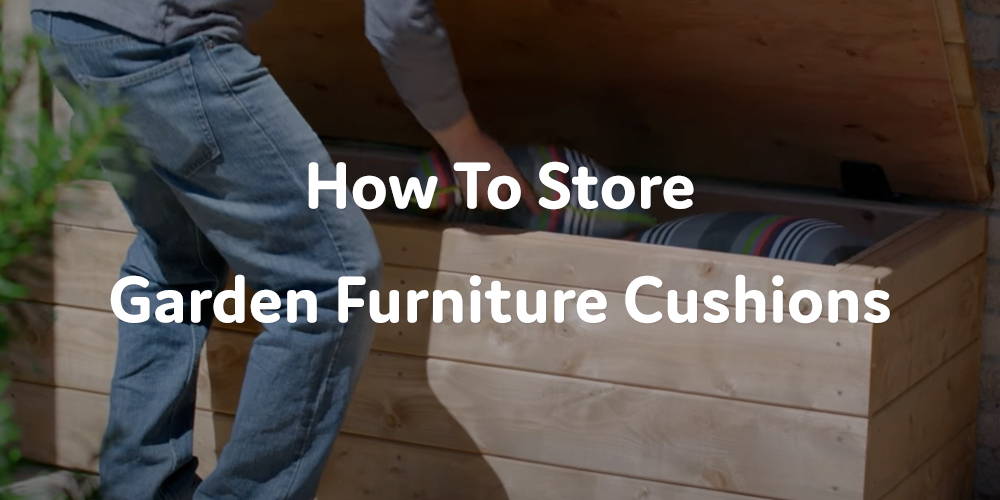
Credit: www.furnituremaxi.com
Folding And Storing Methods
Proper folding and storing methods keep garden furniture cushions safe and fresh. Cushions last longer when stored well during off-seasons. This section explains how to fold and store cushions the right way. Follow these simple steps to protect your cushions from damage and dirt.
Avoiding Creases And Damage
Fold cushions gently along natural seams. Avoid tight folds that cause deep creases. Smooth out wrinkles with your hands before storing. Place soft cloths between folds for extra protection. Keep cushions away from sharp objects that may cause tears.
Stacking Tips
Stack cushions flat to keep their shape. Place heavier cushions at the bottom of the pile. Avoid piling too many cushions to prevent pressure marks. Leave space between stacks for air circulation. Rotate cushions occasionally to avoid permanent indentations.
Using Storage Bins And Bags
Use breathable storage bins or bags to protect cushions from dust and moisture. Avoid plastic bags that trap moisture and cause mildew. Choose storage containers with lids to keep pests out. Label bins for easy identification. Store bins in a cool, dry place away from sunlight.
Maintaining Cushions During Storage
Maintaining cushions during storage keeps them fresh and ready for use. Proper care stops damage and extends their life. You can avoid odors, stains, and wear with simple steps. These small actions save money and effort later.
Regular Airing
Take cushions out of storage often. Let them breathe in fresh air for a few hours. This helps stop moisture buildup inside. Moisture can cause bad smells and damage cushion fabric. Airing keeps cushions dry and fresh for the next season.
Checking For Mold And Mildew
Look closely at cushions during storage. Mold and mildew may appear as dark spots or patches. They grow in damp, warm places. Clean cushions with a mild soap solution if you spot any. Dry them completely before storing again to avoid mold return.
Refreshing Cushion Fillings
Fluff cushion fillings regularly while stored. This stops them from becoming flat and hard. You can gently shake or pat cushions to keep softness. Soft cushions give more comfort and look better on furniture.
Seasonal Storage Solutions
Seasonal storage solutions help protect garden furniture cushions from weather damage. Proper storage extends cushion life and keeps them fresh. Different seasons need different care for cushions. Storing them right keeps your outdoor space inviting year-round.
Winter Storage Ideas
Winter brings cold, moisture, and frost. These can ruin cushions fast. Store cushions in a dry place away from snow and rain. Use waterproof storage bags or plastic bins with lids. Avoid damp basements or garages without ventilation. Add silica gel packets to absorb moisture inside containers. This stops mold and mildew growth during winter months.
Off-season Storage Hacks
Off-season means cushions stay unused for long times. Clean cushions before storing to remove dirt and stains. Dry them completely to avoid mold. Roll or fold cushions loosely to keep shape. Use vacuum-sealed bags to save space and protect from dust. Label storage containers for easy access next season. Store cushions off the ground to prevent pests and moisture damage.
Preparing Cushions For Summer Use
Summer cushions need fresh care after storage. Take cushions out early to air them in sunlight. This kills germs and removes musty smells. Check for damage or stains and clean them gently. Use fabric fresheners or sprays for a nice scent. Fluff cushions to restore comfort. Proper prep makes summer seating cozy and inviting.
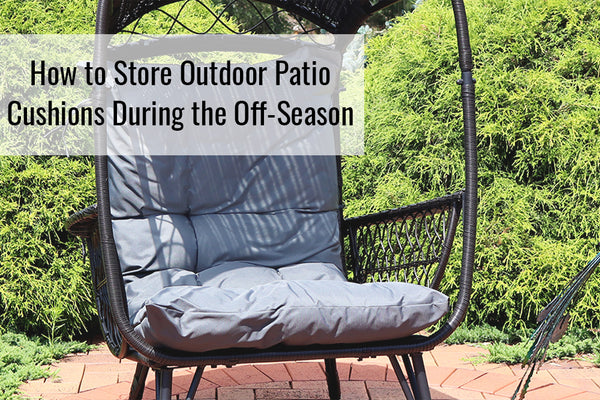
Credit: sunnydazedecor.com
Frequently Asked Questions
How Do I Clean Garden Furniture Cushions Before Storage?
Remove loose dirt by brushing or vacuuming cushions. Use mild soap and water to spot clean stains. Rinse and air dry completely before storing to prevent mold and mildew growth.
What Is The Best Way To Store Cushions Long-term?
Store cushions in a dry, cool place away from direct sunlight. Use breathable storage bags or containers to avoid moisture buildup and maintain cushion shape.
Can I Store Garden Cushions Outside During Winter?
Avoid storing cushions outside during winter as cold, damp conditions can cause damage. Always bring cushions indoors or into a shed to protect them from weather.
How Do I Prevent Mold On Stored Garden Cushions?
Ensure cushions are completely dry before storage. Use moisture absorbers or silica gel packs inside storage containers. Regularly check cushions for dampness and air them out if needed.
Conclusion
Storing garden furniture cushions properly keeps them clean and dry. Use a breathable bag or container to avoid mold. Keep cushions in a cool, dry place away from direct sunlight. Clean cushions before storing to remove dirt and stains. Regular care helps cushions last longer and look fresh.
Simple steps prevent damage and save money. Taking time to store cushions well protects your outdoor comfort. Easy habits make a big difference in cushion care.

Daniel Hart is a consumer product analyst who specializes in mattress technology, smart bedding, and home comfort innovation. Before joining Royal Comport, Daniel worked with several e-commerce research teams, testing and comparing sleep products for quality, value, and long-term performance. He brings data-driven insight and real-world testing to every review he writes.


