
Is your couch feeling a bit too stiff or uncomfortable? You’re not alone.
Over time, couch cushions can lose their softness, making your favorite spot less inviting. But don’t worry—you don’t have to buy a new couch or expensive cushions. You’ll discover simple, effective ways to soften your couch cushions and bring back that cozy comfort you miss.
Keep reading, and soon your couch will feel like it did when you first fell in love with it.

Credit: www.woodstockoutlet.com
Causes Of Firm Couch Cushions
Firm couch cushions can make your sofa less comfortable. Understanding why cushions become hard helps you soften them effectively. Several factors cause cushions to lose their softness over time. Knowing these causes helps you treat your couch better and enjoy it longer.
Material Breakdown
Cushion materials wear down with use. Foam and stuffing lose their bounce and shape. Over time, they become compressed and stiff. This breakdown makes cushions feel hard and less comfy.
Lack Of Use
Cushions that are rarely used can become firm. Sitting and pressing help keep the filling soft. Without regular use, the materials settle and stiffen. This causes cushions to lose their softness.
Environmental Factors
Heat, humidity, and sunlight affect cushion materials. High temperatures can dry out foams and fabrics. Moisture can cause stuffing to clump or mold. Sunlight fades fabrics and weakens fibers. These conditions make cushions firm and less inviting.
Simple Cushion Fluffing Techniques
Simple cushion fluffing techniques restore the softness and shape of couch cushions. These methods help cushions feel fresh and comfortable again. They require little time and no special skills.
Try these easy ways to fluff your cushions and make your couch inviting. Each method uses common tools or just your hands.
Hand Fluffing
Use your hands to lift and squeeze the cushion. Press the cushion firmly to loosen the filling inside. Push the air back into the cushion by shaking it gently. Repeat this process several times. Hand fluffing helps the cushion regain its shape quickly.
Using A Tennis Ball
Place a tennis ball inside a clean sock or cloth. Use the ball to hit and tap the cushion surface. This action breaks up clumps of filling inside. It also adds air to the cushion for softness. Tap all sides and corners for even fluffing.
Pillow Fluffing Tools
Special pillow fluffing tools offer another option. These tools usually have soft brushes or combs. Brush the cushion gently to separate the filling. Some tools help redistribute the stuffing evenly. Use them carefully to avoid damaging the fabric.
Effective Heat Methods
Heat can help soften couch cushions by loosening the foam inside. Warmth makes the cushion material more flexible and comfortable. Using heat methods safely can bring back the cushion’s plush feel.
Hair Dryer Approach
Use a hair dryer to warm the cushion surface. Hold it a few inches away and move it slowly. Heat the cushion evenly for a few minutes. The warmth helps soften the foam inside. Be careful not to overheat or burn the fabric. This method works best on small, stiff spots.
Sun Exposure Benefits
Place the cushions outside in direct sunlight. The sun’s natural heat warms the foam gently. Leave them out for a few hours, turning occasionally. Avoid leaving cushions too long to prevent fading. Sun exposure helps break down stiffness and refresh the cushion’s softness. This method uses natural heat and air circulation.
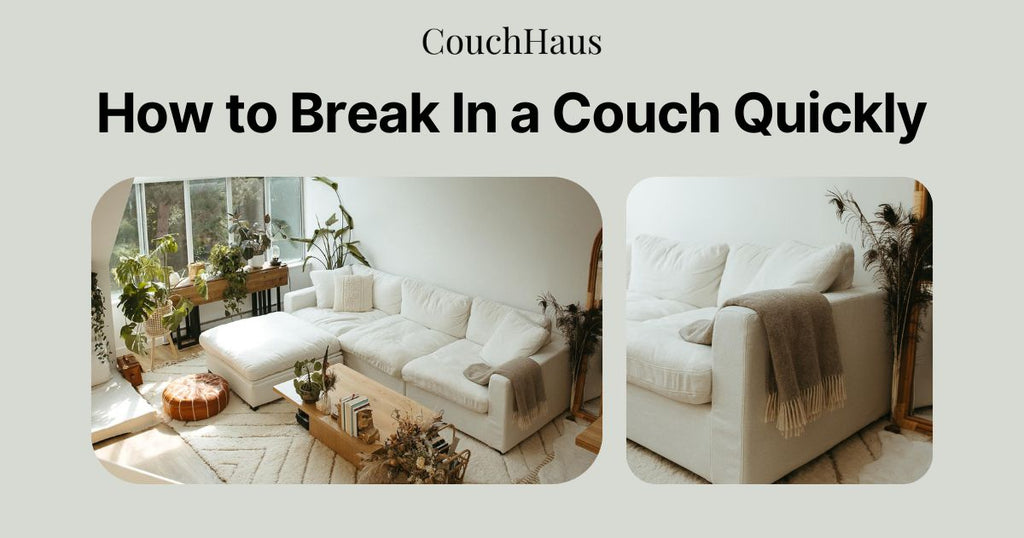
Credit: www.couchhaus.com
Diy Cushion Softening Solutions
DIY cushion softening solutions help bring life back to old couch cushions. These methods use common household items. They are easy, cheap, and safe for most fabrics. You do not need special tools or skills. Just follow simple steps to make your cushions softer and more comfortable.
Using Fabric Softener
Fabric softener works well to soften cushion covers. Mix a small amount of fabric softener with water in a spray bottle. Lightly spray the cushion surface without soaking it. Let the cushion dry completely before using. This method relaxes fabric fibers and adds softness.
Applying Baking Soda
Baking soda refreshes cushions and makes them softer. Sprinkle baking soda evenly on the cushion. Leave it for at least 30 minutes. Baking soda absorbs odors and loosens fibers. Vacuum the cushion thoroughly to remove all baking soda. Repeat if the cushion feels stiff.
Steam Treatment
Steam helps break down stiff cushion materials. Use a handheld steamer or iron with a steam setting. Hold the steamer a few inches from the cushion surface. Move it slowly to avoid soaking the fabric. Steam loosens fibers and restores softness. Allow the cushion to dry fully before use.
When To Replace Cushion Fillings
Cushion fillings wear out over time. They lose their shape and comfort. Knowing when to replace them helps keep your couch comfy and inviting. Signs like sagging, lumps, or a flat feel mean it’s time to act. Fresh fillings restore softness and support quickly.
Foam Types And Lifespan
Different foams last different times. Polyurethane foam is common and lasts about 5 years. High-density foam holds shape longer, up to 8 years. Memory foam offers good support but may break down after 6 years. Natural fillings like feathers last less and need fluffing often. Check your cushions yearly to spot wear early.
Adding New Foam Layers
Adding foam layers can soften old cushions. Cut foam pieces to fit inside cushion covers. Use spray adhesive to keep layers in place. Combine soft and firm foam for balanced comfort. This method extends cushion life without full replacement. It works well for cushions with minor wear.
Professional Reupholstery Options
Reupholstery experts can replace cushion fillings professionally. They use high-quality foam and materials. Experts reshape cushions for a fresh look and feel. This option lasts longer than DIY fixes. It can improve your couch’s overall comfort and appearance. Consider this when cushions are very worn or damaged.

Credit: thistlewoodfarms.com
Maintenance Tips For Lasting Softness
Keeping couch cushions soft takes some effort. Small habits help cushions stay comfy longer. These maintenance tips improve cushion life and comfort. They stop cushions from getting hard or flat.
Regular Flipping And Rotating
Flip cushions often to spread out wear. Rotate cushions to keep shape even. This stops one side from getting flat. It also helps cushions wear evenly. Make flipping and rotating a weekly habit.
Avoiding Excess Moisture
Moisture can damage cushion foam and fabric. Do not place wet items on cushions. Avoid spills and dampness. If cushions get wet, dry them quickly. Use a fan or open windows to speed drying.
Routine Cleaning Practices
Clean cushions regularly to remove dirt and dust. Vacuum cushions gently with a soft brush. Spot clean stains with mild soap and water. Do not use harsh chemicals or bleach. Keep cushions fresh and soft with regular care.
Frequently Asked Questions
How Can I Soften Couch Cushions Naturally?
To soften couch cushions naturally, use a mixture of vinegar and water. Spray lightly and let cushions air dry. Fluff cushions regularly to redistribute filling and improve softness.
What Household Items Soften Firm Couch Cushions?
Household items like baking soda, vinegar, and warm water can soften cushions. Sprinkle baking soda, vacuum after 20 minutes, then fluff. Vinegar spray helps relax fibers and soften foam.
How Often Should I Fluff Couch Cushions?
Fluff couch cushions weekly to maintain softness. Regular fluffing redistributes filling, prevents clumping, and keeps cushions comfortable longer. This simple step improves cushion lifespan and softness.
Can Cushion Covers Affect Softness?
Yes, cushion covers impact softness. Soft, breathable fabrics like cotton or linen enhance comfort. Tight or rough covers can make cushions feel firmer and less cozy.
Conclusion
Softening couch cushions can make your seating more comfortable. Simple steps like fluffing and rotating help a lot. Using heat or adding padding works well too. Regular care keeps cushions soft and inviting longer. Try these tips to enjoy a cozier couch today.
Your living room will feel fresh and relaxing. Small efforts bring big comfort changes. Give your cushions some love and feel the difference.

Daniel Hart is a consumer product analyst who specializes in mattress technology, smart bedding, and home comfort innovation. Before joining Royal Comport, Daniel worked with several e-commerce research teams, testing and comparing sleep products for quality, value, and long-term performance. He brings data-driven insight and real-world testing to every review he writes.


