

Are your couch cushions looking flat and tired, but you don’t have zippers to fix them? You’re not alone.
Restuffing cushions without zippers might seem tricky, but it’s easier than you think. Imagine sinking into a plush, comfy seat every time you sit down—without spending a fortune or buying new cushions. In this guide, you’ll discover simple, effective ways to bring your cushions back to life using materials you probably already have.
Ready to transform your couch and enjoy that cozy comfort again? Let’s dive in.
Credit: www.sageuae.com
Materials Needed
Restuffing couch cushions without zippers needs the right materials. Having everything ready makes the job easier and faster. This section covers the types of cushion fillings, tools needed, and workspace setup. These details help you complete the task neatly.
Types Of Cushion Fillings
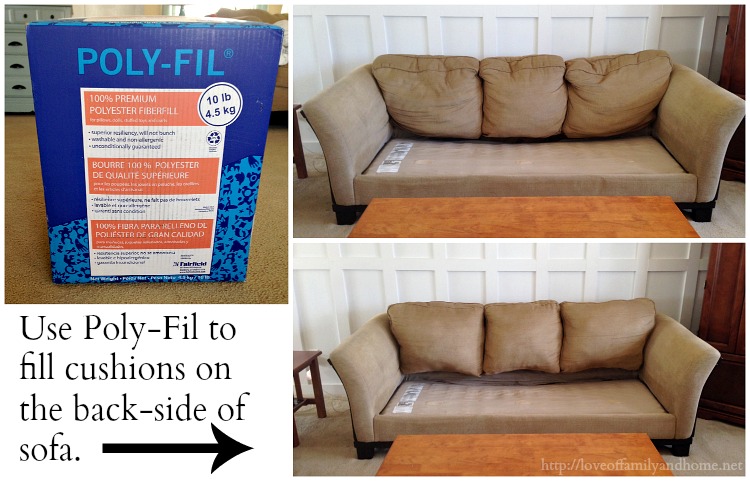
Foam is common for firm cushions. It keeps shape well but can get flat over time. Polyester fiberfill is soft and fluffy. It adds a plush feel to cushions. Down feathers offer luxury and softness. They need regular fluffing to stay full. You can also mix fillings for a balanced feel.
Tools For Restuffing
Strong fabric scissors are essential. They cut cushion fabric and filling easily. A large needle and strong thread help sew cushions closed. A measuring tape ensures even filling distribution. A flat tool like a butter knife helps push filling inside. Gloves protect your hands from irritation.
Preparing Your Workspace
Choose a clean, flat surface to work on. Lay down a cloth or plastic sheet for protection. Good lighting helps see small tears or holes. Keep all materials and tools within reach. Clear space avoids losing small items. A comfortable chair helps during sewing tasks.
Removing Old Filling
Removing old filling from couch cushions without zippers is the first step to making them fresh and comfortable again. It helps clear out dirt, dust, and flattened foam. Taking out the old material allows you to add new stuffing that supports your body better.
This process needs care to avoid damaging the cushion fabric. A neat job makes restuffing easier and keeps your couch looking nice.
Safely Opening The Cushion
Start by finding a spot to open the cushion. Use a seam ripper or small scissors carefully. Cut only the thread, not the fabric. Take small cuts and check often. This stops accidental tears in the cushion cover. Open a small section enough to reach inside. Work slowly and gently for best results.
Disposing Of Old Material
Remove the old filling in small handfuls. Place it in a trash bag or bin. Avoid shaking it to keep dust down. Some filling can cause allergies or irritate skin. Use gloves if needed to protect your hands. Seal the trash bag tightly before throwing it away. Clean the inside of the cushion cover with a vacuum or brush. This removes any leftover debris or dust.
Choosing Replacement Fillings
Choosing the right filling is key to making your couch cushions comfortable again. The filling affects how soft or firm the cushions feel. It also impacts how long they last and how easy they are to clean. Picking the best filling helps your couch stay inviting and supportive.
Foam Options
Foam is a popular choice for cushion filling. It offers firm support and keeps its shape well. Different foam types include memory foam and high-density foam. Memory foam molds to your body but can feel warm. High-density foam is durable and provides strong support. Foam cushions may feel a bit firm at first but soften over time.
Polyester Fiberfill
Polyester fiberfill is soft and lightweight. It feels fluffy and adds a plush texture. This filling is easy to handle and reshape. It is less firm than foam but offers a cozy feel. Fiberfill is affordable and dries quickly if it gets wet. It may compress faster than foam, needing occasional fluffing.
Combination Fillings
Combination fillings mix foam and fiberfill. This blend balances support and softness. Foam gives structure, while fiberfill adds comfort. Combining fillings can create a more natural feel. It suits couches that need both firmness and plushness. This option lasts longer and stays comfortable over time.
Techniques To Restuff Without Zippers
Restuffing couch cushions without zippers can seem tricky. There are simple ways to refresh your cushions without special tools. These techniques keep your cushions neat and comfortable. They also save money and time.
Hand Stitching Methods
Hand stitching is a classic way to close cushions. Use a strong needle and thread that matches the fabric color. Sew small, tight stitches along the open edge. This keeps the stuffing secure inside. The stitches are nearly invisible and hold well.
Try a ladder stitch for a clean finish. This stitch hides the thread inside the fabric folds. It looks neat and lasts long. Hand stitching lets you control how tight the cushion feels.
Using Fabric Glue Or Adhesive
Fabric glue is a fast option to close cushion covers. Choose glue made for upholstery or fabric. Apply a thin line along the open edge. Press the fabric edges together firmly. Let the glue dry fully before using the cushion.
This method works best for small openings. It avoids holes from needles and thread. Fabric glue holds well but is less flexible than stitching. It is a good choice for quick fixes.
Velcro Or Snap Closures
Velcro strips add easy open-and-close functionality. Sew or glue Velcro pieces inside the cushion cover edges. Press them together to close the cushion. Velcro lets you remove the cover for cleaning or refilling.
Snap closures work similarly. Attach snaps with a needle or glue. They create a strong hold and look tidy. Both Velcro and snaps make cushion care simple and convenient.
Shaping And Fluffing Cushions
Shaping and fluffing cushions is key to making your couch look fresh. Without zippers, this step helps keep the filling in place. It also restores the cushion’s comfort and form. Proper care extends the life of your couch cushions. Here are simple ways to shape and fluff them well.
Even Distribution Tips
Start by pressing the cushion edges to loosen the filling. Use your hands to push the stuffing from the sides to the center. Shake the cushion gently to spread the filling evenly. Flip the cushion over and repeat on the other side. This keeps lumps from forming and creates a smooth surface. Check the cushion shape often as you work.
Maintaining Cushion Firmness
Firmness depends on how tightly the filling sits inside. Add extra stuffing if the cushion feels soft or flat. Remove some stuffing if it feels too hard or bulky. Press the cushion down to test the firmness. Keep adjusting until it feels right for sitting comfort. Regular fluffing helps maintain this firmness over time.

Credit: thistlewoodfarms.com
Maintaining Restuffed Cushions
Restuffed couch cushions need care to stay comfortable and look good. Keeping them well-maintained extends their life and keeps your sofa inviting. Simple steps help keep the shape and cleanliness of cushions without zippers.
Regular Fluffing Techniques
Fluff cushions often to keep them soft and full. Lift and shake each cushion to spread the filling evenly. Use your hands to push the stuffing back into corners. Turn cushions over to avoid flat spots. Fluffing prevents lumps and keeps cushions springy.
Cleaning Without Damaging
Clean cushions gently to avoid harm. Use a vacuum with a soft brush to remove dust and dirt. Spot clean stains with mild soap and a damp cloth. Avoid soaking the fabric or stuffing. Let cushions dry completely before putting them back on the couch.
Troubleshooting Common Issues
Restuffing couch cushions without zippers can cause some common problems. These issues can affect comfort and the cushion’s look. Knowing how to fix these problems helps keep your couch cozy and neat. This section covers the most frequent troubles and easy ways to solve them.
Fixing Lumps And Unevenness
Lumps happen when the filling clumps together. Spread the filling evenly by hand. Tear small pieces of foam or batting apart. Add or remove filling until the cushion feels smooth. Press the cushion flat on a surface. Flip and pat it until the shape looks right. This keeps the cushion comfortable and neat.
Preventing Filling Leakage
Filling can slip out without a zipper. Use a strong fabric to wrap the filling tightly. Stitch the fabric edges with small, close stitches. Double stitch corners for extra strength. You can also sew a hidden flap to close the cushion. This stops the filling from escaping and keeps the cushion full.
Credit: www.youtube.com
Frequently Asked Questions
How Do I Open Couch Cushions Without Zippers?
You can carefully pry open the seam with a seam ripper or small scissors. Work slowly to avoid fabric damage. Leave enough space to remove and replace the stuffing comfortably.
What Materials Work Best For Restuffing Cushions?
Use polyester fiberfill, foam, or batting for firm yet comfortable support. These materials maintain shape and provide durability for cushions without zippers. Choose based on your desired cushion firmness.
How Can I Sew Cushions After Restuffing?
Use a needle and strong thread to hand-stitch the seam closed. Employ a ladder stitch for an invisible finish. Take your time to ensure tight, neat stitching.
Can I Replace Old Cushion Stuffing Myself?
Yes, replacing stuffing is simple with basic tools and materials. Remove old filling, insert new stuffing evenly, and sew the cushion shut. This refreshes comfort and extends cushion life.
Conclusion
Restuffing couch cushions without zippers is simple and cost-effective. Use basic tools like needle and thread or fabric glue to close seams. Choose soft, fluffy stuffing for comfort. Take your time to spread filling evenly. This keeps cushions looking fresh and feeling cozy.
Regular care extends your couch’s life. Try these easy steps to refresh your furniture today. Enjoy a comfortable, neat couch without special tools.

Daniel Hart is a consumer product analyst who specializes in mattress technology, smart bedding, and home comfort innovation. Before joining Royal Comport, Daniel worked with several e-commerce research teams, testing and comparing sleep products for quality, value, and long-term performance. He brings data-driven insight and real-world testing to every review he writes.


