
Is your couch feeling flat and uncomfortable? Those tired, squished cushions can make your favorite spot less inviting.
But what if you could bring them back to life quickly and easily? Knowing how to refluff your couch cushions not only improves comfort but also refreshes the look of your whole living room. In this guide, you’ll discover simple tricks to restore that plush feel you love.
Keep reading—you’re just a few steps away from turning your couch into the cozy retreat it was meant to be.
Why Refluff Couch Cushions Matters
Couch cushions lose their shape over time. Sitting daily compresses the filling inside. This makes cushions look flat and less comfortable. Refluffing brings life back to your cushions. It helps restore their original shape and softness.
A well-fluffed cushion supports your body better. It improves your sitting comfort. Flat cushions can cause back or neck pain. Refluffing prevents this by making cushions firmer and more supportive.
Refluffing also keeps your couch looking fresh. Puffy cushions make your living space inviting. Flat cushions give a tired and worn-out look. Regular refluffing helps maintain the couch’s appearance for longer.
Extends The Life Of Your Couch
Refluffing reduces wear and tear on cushions. It stops filling from clumping in one spot. Even filling means cushions last longer. This saves money on replacements or repairs.
Improves Comfort And Support
Fluffy cushions provide better comfort. They support your body evenly. This prevents soreness after sitting. Refluffing keeps cushions soft and pleasant to use.
Keeps Your Couch Looking Fresh
Fluffed cushions look full and inviting. They enhance your room’s style. Flat cushions make the couch look old. Regular refluffing keeps your couch neat and attractive.
Signs Your Cushions Need Refluffing
Couch cushions lose their shape over time. They flatten and feel less comfortable. Knowing when to refluff your cushions keeps your couch cozy and inviting.
Watch for clear signs that cushions need attention. These signs help you decide the right moment to bring back their softness and support.
HTML Tag:
Flattened or Sagging Cushions
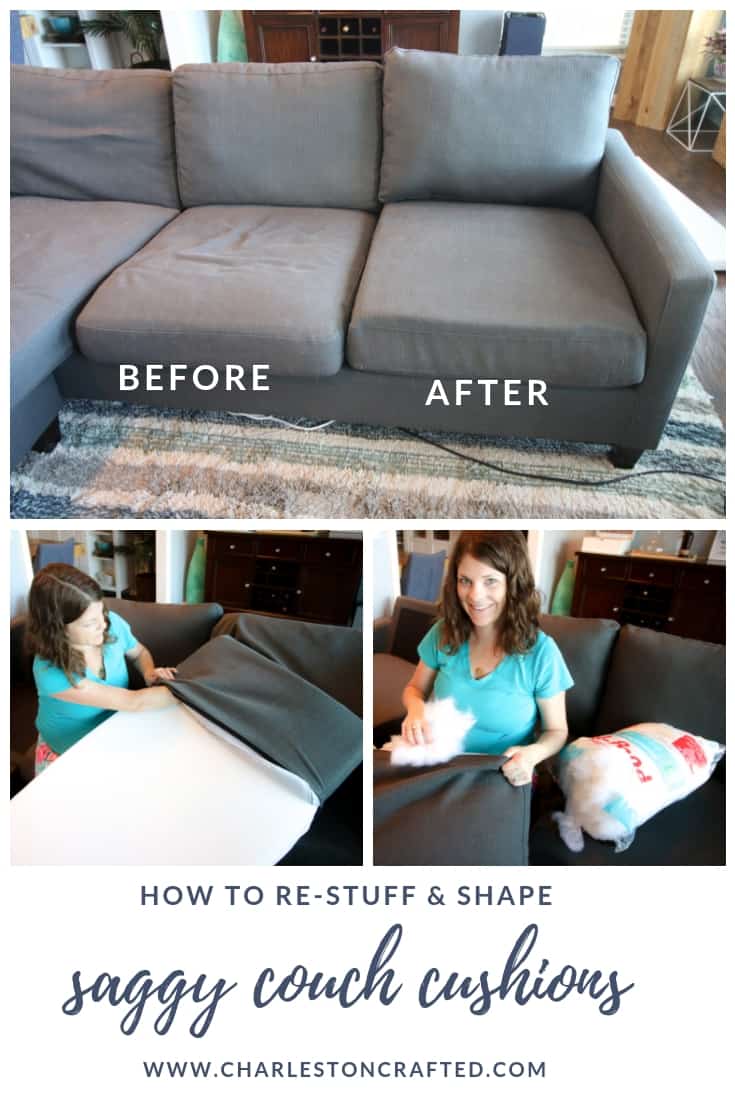
When cushions look flat or sag in the middle, they need refluffing. Sitting on them feels harder and less comfy. The foam or filling has compressed and lost bounce.
HTML Tag:
Visible Wrinkles and Creases
Wrinkles or creases on cushion covers show the filling inside is uneven. This happens when stuffing shifts or clumps. The cushion no longer holds a smooth shape.
HTML Tag:
Reduced Comfort and Support
If cushions feel hard or offer less support, refluffing is needed. The foam or feathers inside have compressed or moved. Sitting becomes less relaxing and more tiring.
HTML Tag:
Cushions Look Smaller Than Before
Over time, cushions shrink in size. They lose their full, plump look. Shrinking cushions mean the filling is compacted and needs fluffing up again.
Tools And Materials Needed
Refluffing couch cushions is easy with the right tools and materials. These items help bring back the cushion’s shape and comfort quickly. Prepare them before you start to save time and effort.
Vacuum Cleaner
A vacuum cleaner removes dust and dirt from the cushions. Clean cushions last longer and smell fresh. Use a vacuum with a brush attachment for best results.
Fabric Brush Or Lint Roller
A fabric brush or lint roller picks up hair and small debris. It helps refresh the cushion surface. Use gentle strokes to avoid damaging the fabric.
Cushion Inserts Or Batting
Cushion inserts add firmness and shape to flat cushions. Batting, made from polyester or cotton, fills gaps and softens the feel. Choose the right size for your cushions.
Spray Bottle With Water
A spray bottle moistens cushions lightly before fluffing. This softens fibers and makes fluffing easier. Avoid soaking the fabric to prevent damage.
Protective Gloves
Gloves protect your hands while handling dusty or old cushions. They keep your skin clean and safe. Use comfortable gloves to work with ease.
Credit: www.youtube.com
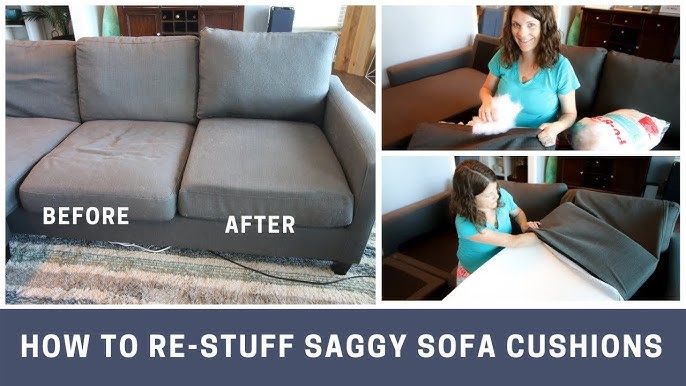
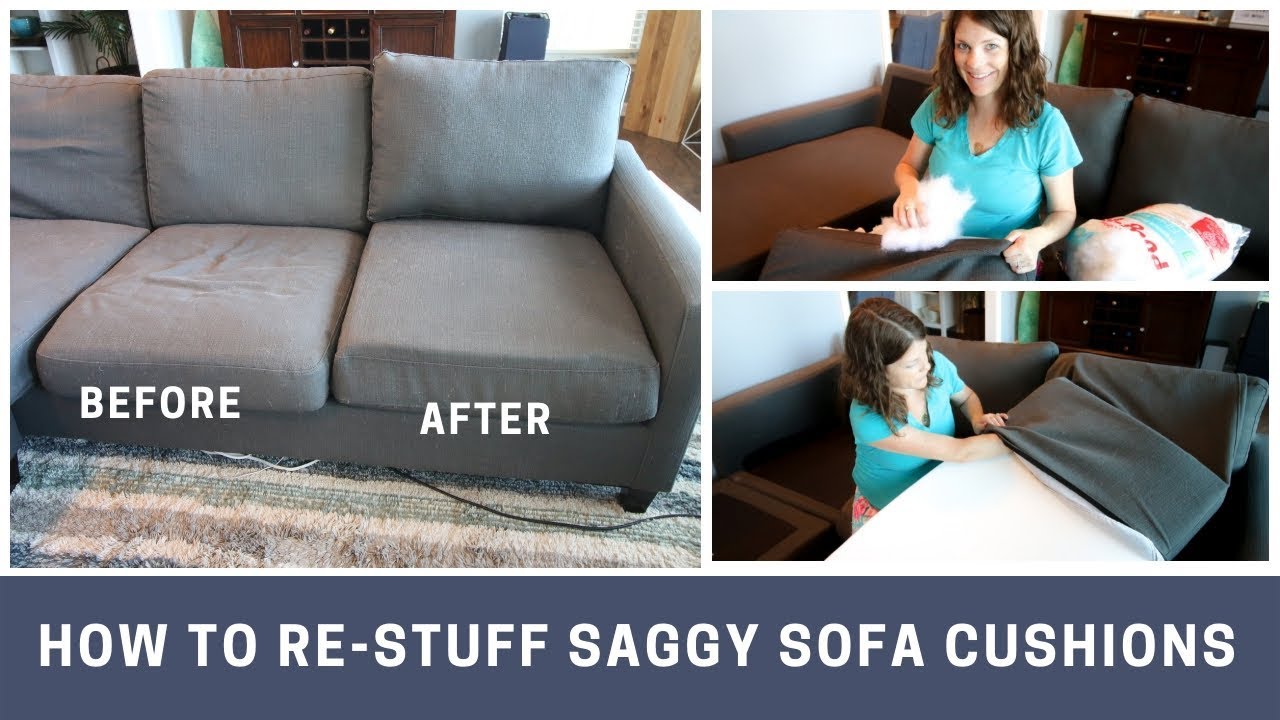
Step-by-step Refluffing Process
Refluffing couch cushions is easy with a simple step-by-step process. It helps your cushions look full and feel comfortable again. Follow these clear steps to bring life back to your sofa.
Remove Cushion Covers
Start by taking off the cushion covers carefully. Look for zippers or buttons. Remove the covers without tearing them. Set the covers aside for cleaning if needed.
Loosen The Filling
Next, grab the cushion filling inside. Pull it apart gently to loosen any packed areas. This step breaks up clumps and prepares the filling for fluffing.
Fluff The Filling
Now, shake and punch the filling softly. This adds air and restores softness. Keep fluffing until you feel the filling is light and even.
Redistribute The Filling
Spread the filling evenly inside the cushion shell. Push the filling into corners and edges. Make sure no empty spots remain to keep shape.
Replace Covers
Finally, slide the cushion covers back on. Zip or button them securely. Smooth the covers to remove wrinkles. Your cushions look fresh and inviting again.
Tips For Maintaining Plush Cushions
Keeping your couch cushions soft and full takes some care. Plush cushions make your sofa more comfortable and inviting. Small habits help maintain their shape and softness. Follow these simple tips to keep your cushions fluffy for longer.
Regular Fluffing Schedule
Set a regular time to fluff your cushions. Once or twice a week works well for most couches. Fluffing redistributes the filling and prevents lumps. It also helps cushions bounce back after use. Use your hands to squeeze and shake each cushion fully.
Avoiding Cushion Flattening
Change cushion positions often to avoid flat spots. Sitting in the same place every day wears cushions unevenly. Rotate and flip cushions regularly. Avoid placing heavy objects on cushions for long periods. These habits help keep the filling from packing down.
Proper Cushion Care
Keep cushions clean by vacuuming them gently. Remove dust and crumbs that can break down the fabric. Follow washing instructions on cushion covers. Air out cushions in sunlight to reduce moisture and odors. Proper care protects the fabric and filling inside.
Credit: www.youtube.com
When To Replace Couch Cushions
Couch cushions wear out over time. Knowing when to replace them keeps your sofa comfy and fresh. Old cushions lose their shape and support. Sitting feels less comfortable. The couch looks worn and tired. It might be time for new cushions.
Signs Of Flattened Or Sagging Cushions
Flat cushions do not spring back. They stay sunken after sitting. Sagging cushions change the couch’s shape. This reduces comfort and support. If cushions look uneven or droopy, replacement helps.
Visible Damage To Cushion Fabric Or Foam
Torn fabric or broken foam needs attention. Rips, holes, or stains can worsen. Foam that crumbles or breaks down loses comfort. Damaged cushions hurt your sofa’s look. New cushions restore its appeal.
Unpleasant Odors Or Stains That Won’t Go Away
Old cushions may hold bad smells. Cleaning sometimes does not remove odors. Stains can set deep into fabric. Lingering smells and spots lower comfort. Replacing cushions refreshes the sofa’s scent and look.
Changes In Comfort And Support Level
Cushions that feel hard or too soft need checking. Loss of support causes back or hip pain. Comfort changes reduce enjoyment of the couch. Cushions that no longer support well should be replaced.
Credit: www.charlestoncrafted.com
Frequently Asked Questions
How Often Should I Refluff Couch Cushions?
Refluff couch cushions every 3 to 6 months to maintain shape and comfort. Frequent use can flatten cushions faster.
What Tools Help Refluff Couch Cushions Effectively?
Use your hands, a vacuum with upholstery attachment, and a cushion plumper or tennis balls for best results.
Can I Wash Couch Cushions Before Refluffing?
Check manufacturer instructions first. Washing can remove dirt, but avoid excess moisture to prevent damage.
How Do I Prevent Cushions From Flattening Quickly?
Rotate cushions regularly and avoid sitting in the same spot. Fluff them weekly to maintain firmness.
Conclusion
Refluffing couch cushions keeps your sofa comfy and fresh. Small efforts bring big comfort back to your living space. Regular care stops cushions from becoming flat and tired. You will enjoy sitting more with soft, plump cushions. Try these easy steps to keep your couch looking good.
A little time spent now saves money later. Your couch will feel like new again. Simple care makes a big difference in comfort. Keep your cushions fluffy and inviting every day.

Emma Caldwell is a certified sleep consultant with over 8 years of experience studying how environment, posture, and bedding affect sleep quality. At Royal Comport, she leads content focused on mattress reviews, sleep hygiene, and wellness optimization. Her mission is to help readers find science-backed comfort solutions that improve both rest and daily performance. Her Expertise is Sleep science, mattress testing, comfort ergonomics, lifestyle wellness.


