

Your outdoor cushions make your patio cozy and inviting, but they face constant threats from sun, rain, dirt, and pests. Imagine sinking into a soft, clean cushion every time you step outside.
Sounds great, right? But without proper care, your cushions can fade, get stained, or even start to smell. If you want to keep your outdoor cushions looking fresh and lasting longer, you need the right protection strategies. Keep reading to discover simple, effective ways you can protect your outdoor cushions and enjoy your outdoor space to the fullest.
Choosing Durable Cushion Materials
Choosing durable materials for outdoor cushions helps them last longer. The right fabric can resist weather damage. It keeps cushions looking fresh and feeling comfortable. This section covers key fabric features to consider for outdoor cushions.
Weather-resistant Fabrics
Weather-resistant fabrics block water and dry quickly. They stop cushions from soaking and getting heavy. These fabrics also handle wind and dirt well. Polyester and acrylic fabrics often have these qualities. They keep cushions safe during rain or dew.
Mold And Mildew Resistant Options
Mold and mildew grow fast on damp cushions. Choose fabrics that fight these fungi. Special treatments or tight weaves limit moisture buildup. This reduces bad smells and stains. Cushions stay cleaner and healthier with these fabrics.
Uv Protection Features
Sun rays can fade and weaken fabrics. UV protection blocks harmful rays from breaking fibers. Cushions keep their color and strength longer. Look for labels that mention UV resistance. This feature is key for sunny outdoor spaces.

Credit: eclipseshading.com
Proper Cushion Placement
Proper cushion placement helps keep outdoor cushions in good shape longer. It protects them from damage caused by weather and dirt. Simple steps in placing cushions can stop fading and wear. Careful placement keeps cushions clean and dry. This extends their life and keeps them comfortable.
Avoiding Direct Sunlight
Place cushions away from strong sunlight. Sunlight can fade colors quickly. It also weakens fabric fibers. Cushions left in the sun dry out and crack. Keep cushions in shaded spots or indoors during peak sun hours. This reduces damage and keeps cushions looking new.
Selecting Shaded Areas
Choose places with natural shade, like under trees or umbrellas. Shade blocks harsh light and keeps cushions cooler. Cool cushions do not dry out or get brittle. Shade also lowers the chance of mold growth. Find spots that stay shaded most of the day for best results.
Elevating Cushions From Ground
Keep cushions off the ground using tables or racks. Ground moisture causes mold and mildew. Dirt on the ground stains cushion fabric. Elevating cushions helps air flow around them. This keeps them dry and fresh. Use furniture or stands to lift cushions away from damp surfaces.
Regular Cleaning Techniques
Keeping outdoor cushions clean is key to their long life. Regular cleaning removes dirt, dust, and stains. It also stops mold and mildew from growing. Simple cleaning steps help cushions look fresh and last longer. Follow easy methods to keep your cushions neat and ready for use.
Spot Cleaning Tips
Act fast on spills to avoid stains. Use a clean cloth to blot the spot gently. Avoid rubbing, which can spread the stain. For tougher marks, mix water with mild soap. Dab the mixture on the stain and blot again. Let the cushion air dry completely before use.
Deep Cleaning Methods
Deep clean cushions every few months. Remove covers if possible and wash them separately. Use a soft brush to scrub fabric gently. Mix warm water and mild detergent for cleaning. Rinse well to remove all soap. Dry cushions fully in sunlight to prevent mildew.
Using Mild Detergents Safely
Choose gentle detergents without bleach or strong chemicals. Harsh soaps can damage fabric and colors. Test detergent on a small cushion area first. Use only small amounts to avoid residue. Rinse thoroughly to keep cushions soft and clean. Mild detergent keeps cushions safe and fresh.
Effective Storage Solutions
Effective storage solutions keep outdoor cushions safe and extend their life. Proper storage stops damage from weather, dirt, and pests. It also keeps cushions clean and ready for use. Follow simple steps to store cushions well and protect your investment.
Choosing The Right Storage Containers
Select containers that fit your cushions comfortably. Use plastic bins with tight lids to keep out moisture and dust. Avoid cardboard boxes because they absorb water and tear easily. Clear bins help you see the cushions without opening them. Choose containers with ventilation holes to prevent mold growth.
Seasonal Storage Practices
Clean cushions before storing to remove dirt and stains. Dry them fully to stop mold and mildew. Store cushions in a cool, dry place away from sunlight. Avoid damp basements or hot attics. Use a breathable cover for extra protection. Rotate cushions occasionally to avoid permanent creases.
Protecting Cushions From Pests
Keep pests away by sealing containers tightly. Use natural repellents like cedar blocks or lavender sachets inside storage bins. Check cushions regularly for signs of insects or rodents. Clean the storage area often to remove crumbs or debris. Avoid storing cushions near food or trash bins.
Applying Protective Treatments
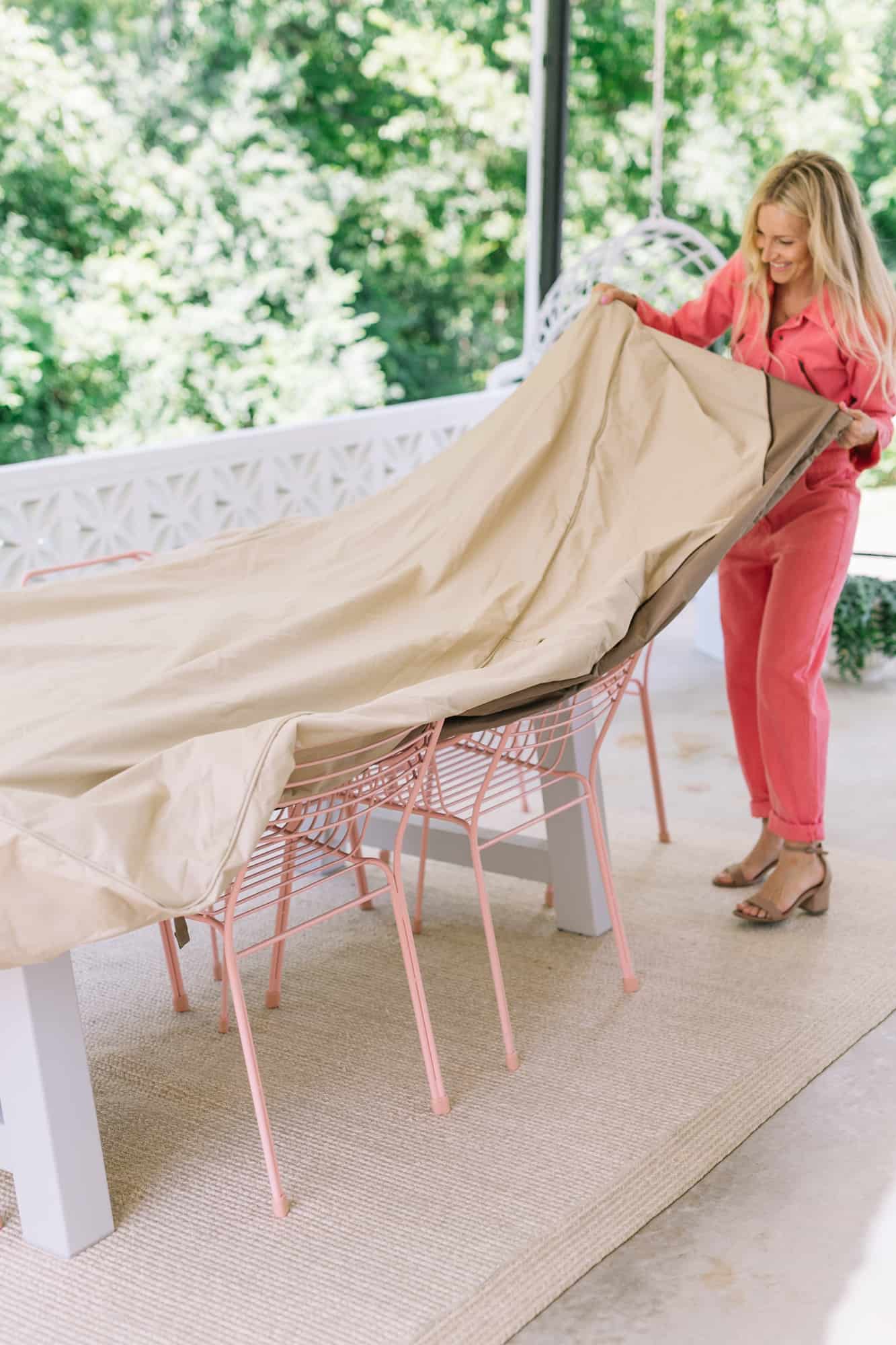
Applying protective treatments is key to keeping outdoor cushions safe from weather and dirt. These treatments create a barrier that stops water, stains, and sun damage. Proper application helps your cushions last longer and look fresh.
Waterproof Sprays
Waterproof sprays add a clear, water-resistant layer on cushion fabric. This stops rain and spills from soaking in. Spray evenly over dry cushions, holding the can about six inches away. Let the cushions dry fully before using them outside.
Fabric Sealants
Fabric sealants work deeper than sprays to protect fibers. They lock out water and dirt by forming a strong shield. Apply sealants with a brush or spray for best coverage. Always test on a small area first to check fabric color and feel.
Reapplying Treatments Periodically
Protective treatments wear off over time due to sun and rain. Reapply every few months for best results. Clean cushions before reapplying to remove dirt and old product. Regular care keeps cushions looking new and ready for outdoor use.
Credit: abeautifulmess.com
Repairing And Maintaining Cushions
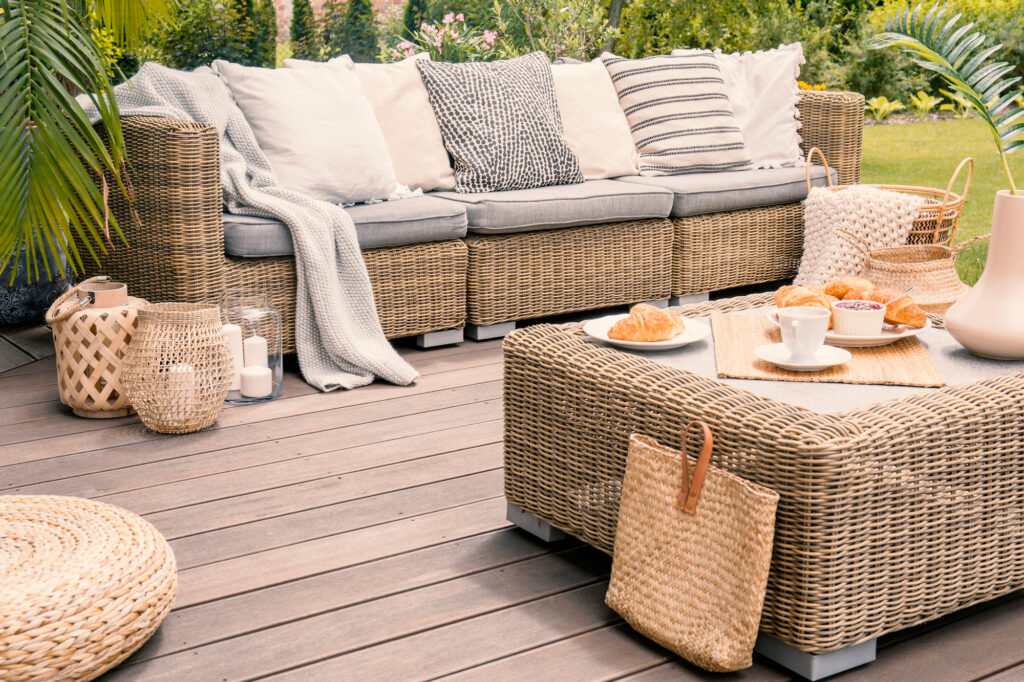
Repairing and maintaining outdoor cushions helps them last longer and look fresh. Small problems can turn into big issues without care. Simple fixes keep your cushions comfortable and attractive. Regular upkeep saves money by avoiding full replacements.
Fixing Tears And Holes
Small tears and holes harm cushion fabric quickly. Patch them as soon as you notice damage. Use fabric glue or sew patches to stop spreading. Choose patches that match the fabric color and texture. Tight stitches prevent water and dirt from entering.
Replacing Worn-out Inserts
Cushion inserts lose shape and support over time. Replace old inserts to keep cushions soft and comfy. Measure your cushion size before buying new inserts. Use quick-dry foam or polyester fills for outdoor use. Fresh inserts improve cushion appearance and comfort.
Regular Inspection Routines
Check cushions weekly for dirt, damage, and moisture. Clean off dirt and dry wet cushions immediately. Look for signs of mold or mildew and treat them early. Remove cushions and store them during bad weather. Regular checks catch problems before they worsen.
Credit: figleafcushioncovers.com
Frequently Asked Questions
How Do I Clean Outdoor Cushions Effectively?
To clean outdoor cushions, use mild soap and water with a soft brush. Rinse well and air dry completely to avoid mold and mildew buildup. For tough stains, use a fabric-safe cleaner recommended for outdoor materials.
What Materials Protect Outdoor Cushions Best?
Water-resistant fabrics like solution-dyed acrylic or polyester protect outdoor cushions well. These materials resist fading, moisture, and mildew, extending cushion life. Choosing cushions with UV protection also prevents sun damage and keeps colors vibrant.
How Can I Prevent Mold On Outdoor Cushions?
Keep cushions dry by storing them in a ventilated, covered area when not in use. Use waterproof covers during rain and remove cushions promptly after heavy moisture. Regular cleaning and drying prevent mold and mildew growth effectively.
Should I Store Outdoor Cushions During Winter?
Yes, store outdoor cushions indoors during winter to protect them from harsh weather. Clean and dry cushions thoroughly before storage. Use breathable storage bags or containers to prevent moisture buildup and prolong cushion lifespan.
Conclusion
Protecting your outdoor cushions keeps them fresh and comfortable longer. Clean spills quickly to avoid stains and damage. Store cushions in a dry place during bad weather. Use covers to block dirt, sun, and moisture. Regular care saves money and effort over time.
Simple steps make your outdoor space inviting and cozy. Enjoy your cushions season after season with these tips. Taking care is easier than you think. Keep cushions safe, and they will serve you well.

Daniel Hart is a consumer product analyst who specializes in mattress technology, smart bedding, and home comfort innovation. Before joining Royal Comport, Daniel worked with several e-commerce research teams, testing and comparing sleep products for quality, value, and long-term performance. He brings data-driven insight and real-world testing to every review he writes.


