

Are you wondering how to position a rug in your living room to make the space look cozy and stylish? Choosing the right spot for your rug can change the whole feel of the room.
When placed correctly, a rug ties your furniture together, adds warmth, and creates a welcoming atmosphere. In this illustrated guide, you’ll discover simple, step-by-step tips to help you find the perfect rug placement. By the end, you’ll know exactly how to transform your living room with just one easy change.
Keep reading to unlock the secret to a beautifully arranged space you’ll love.
Choosing The Right Rug Size
Choosing the right rug size shapes the look and feel of your living room. The size affects how furniture fits and how spacious the room feels. A well-sized rug ties the room together and creates harmony. It also protects your floor and adds warmth.
Think about your room size and furniture before selecting a rug. The rug should fit the space without overwhelming it. It should match your room’s style and your comfort needs. Below are simple guides for small, medium, and large rugs.
Small Rugs For Cozy Spaces
Small rugs work well in tight corners or small rooms. They add color and texture without crowding the space. Place a small rug under a coffee table or near a chair. This creates a cozy spot for reading or relaxing.
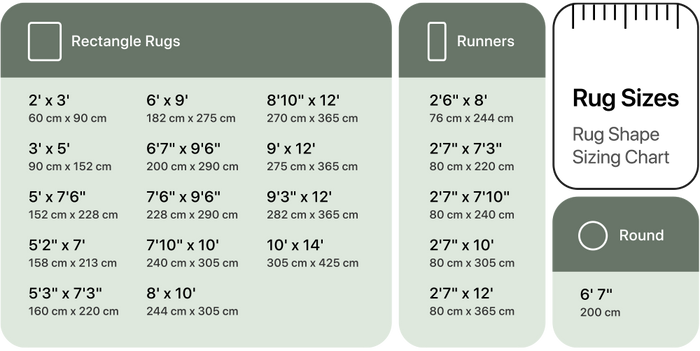
Make sure the rug does not block walking paths. It should fit comfortably with your furniture. Small rugs often measure around 3×5 feet or smaller.
Medium Rugs For Balanced Layouts
Medium rugs suit average-sized rooms with moderate furniture. They anchor the seating area and create a clear space. Place the rug so the front legs of sofas and chairs rest on it. This connects the furniture visually.
A medium rug usually measures 5×8 or 6×9 feet. It balances the room by covering enough floor without overpowering. This size works well for most living rooms.
Large Rugs For Open Areas
Large rugs fit open or spacious living rooms. They cover more floor and define the entire seating area. Use a large rug when all furniture legs can rest on it. This creates a unified and inviting look.
Sizes like 8×10 feet or larger work best for big rooms. Large rugs add warmth and make the space feel complete. Choose one that complements your room’s colors and style.
Placement Strategies
Choosing the right spot for your rug changes how the room feels. Placement strategies help you find the best position. Each method suits different furniture and space sizes. This guide shows three common ways to place a rug in your living room.
Centering Under The Coffee Table
Place the rug so the coffee table sits in the middle. This creates a clear focal point in the room. Make sure the rug extends beyond the table edges by at least 12 inches. It helps tie the table to the seating area. This method works well in square or rectangular rooms.
Anchoring The Seating Area
Put the rug under the front legs of sofas and chairs. This pulls the seating together as one group. Choose a rug large enough to hold all front legs comfortably. It adds warmth and balance to the room. This setup fits well in bigger spaces with multiple seats.
Floating Rug Techniques
Leave some space between the rug and walls or furniture. The rug seems to float in the room, creating an open feel. Use a smaller rug to highlight a part of the space. This style works in modern or casual rooms. It makes the room look airy and relaxed.
Aligning With Furniture
Aligning a rug with your living room furniture creates a balanced and inviting space. The rug can define the seating area and bring everything together. Positioning the rug depends on your room size and furniture layout. Choosing the right alignment helps your living room look neat and cozy.
Front Legs On The Rug
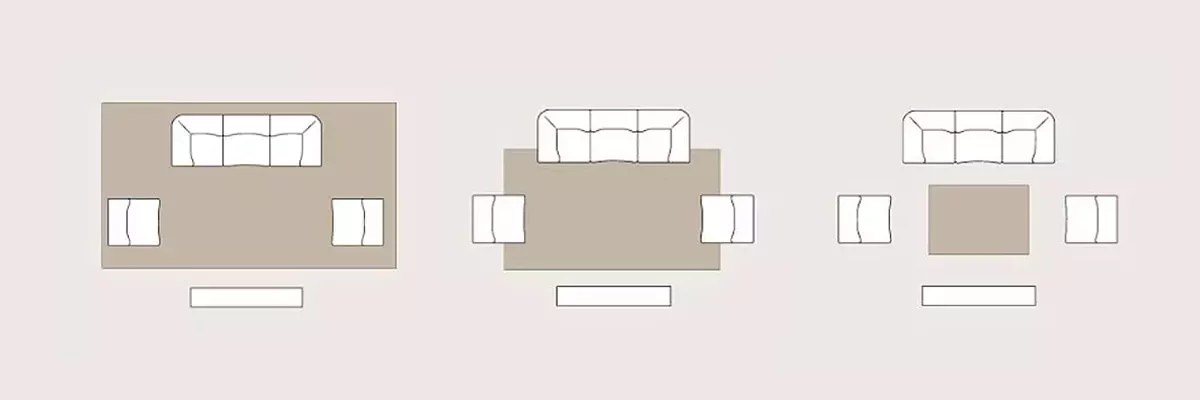
Place the rug so only the front legs of your furniture rest on it. This style works well for small rugs and medium-sized rooms. It ties the furniture to the rug without covering the whole piece. This option creates a clear boundary for the seating area.
All Legs On The Rug
Set the rug large enough to fit all the legs of your furniture. This method helps unify the furniture as one group. It makes the space feel bigger and more connected. Choose a rug size that fits under each piece comfortably.
Rug Under The Entire Set
Use a big rug that fits under all furniture completely. This alignment works best in large rooms with spacious layouts. It anchors the entire seating area and adds warmth to the space. Make sure the rug extends beyond the furniture edges for balance.

Credit: www.castlery.com
Creating Visual Harmony
Creating visual harmony in your living room helps the space feel calm and inviting. Rugs play a big role in tying the room together. They can guide the eye and connect different parts of the room smoothly.
Choosing the right rug and placing it carefully brings balance. It makes the room look well-planned and cozy. Here are some simple ways to use rugs to create harmony in your living room.
Using Rugs To Define Zones
Use rugs to separate different areas in an open living room. A rug under the sofa sets the seating zone. Another rug near a reading chair marks a cozy corner. This makes the room easy to use and looks organized.
Choose rugs that fit the size of each zone. A too-small rug can make the space feel chopped. A large rug can join zones smoothly, creating flow.
Balancing Patterns And Colors
Match rug colors with your furniture and walls. Choose colors that feel calm and blend well. Avoid too many bright colors in one rug. It can make the room feel busy and loud.
Mix simple rugs with patterned ones for interest. Keep the patterns in the same color family. This keeps the look balanced and easy on the eyes.
Layering Rugs For Texture
Layer rugs to add depth and warmth. Place a small rug on top of a larger plain one. This adds texture and makes the floor more inviting.
Mix materials like wool and jute for contrast. Layering also helps highlight a favorite rug. It creates a rich, cozy feeling in the room.
Common Mistakes To Avoid
Placing a rug in your living room can change the entire look. Yet, many make simple mistakes that spoil the effect. Avoid these common errors to create a balanced and inviting space. Rugs should fit the room and furniture well.
Choosing Rugs Too Small Or Large
Rugs that are too small look lost in the room. They fail to connect the furniture. Too large rugs can overwhelm the space. They may cover too much floor and hide details. Pick a size that fits the seating area comfortably.
Ignoring Room Shape And Flow
Every room has a shape and flow. A rug should enhance this natural layout. Placing a rug that breaks the flow can make the room feel off. Align the rug with the room’s shape and traffic paths. This keeps movement easy and the look natural.
Overcrowding The Space
Too many rugs or placing rugs over each other can clutter the room. Overcrowding makes the space feel tight and messy. Use one main rug that anchors the furniture. This creates a clean and open look that is easy to enjoy.
Credit: boutiquerugs.com
Maintenance And Care Tips
Keeping your living room rug clean and fresh extends its life and beauty. Regular maintenance helps avoid dirt buildup and damage. Small care habits prevent costly repairs later. Follow these simple tips to keep your rug looking great every day.
Regular Cleaning Routines
Vacuum your rug at least once a week to remove dust and dirt. Use a vacuum without a beater bar to protect delicate fibers. Shake smaller rugs outside to get rid of loose debris. Rotate the rug every few months for even wear and color. Air your rug occasionally to prevent odors and moisture buildup.
Protecting Rug Edges
Rug edges are prone to fraying and curling. Use rug tape or a non-slip pad underneath to keep edges flat. Avoid placing heavy furniture directly on the edges to prevent crushing. Trim loose threads carefully with scissors to stop unraveling. Regularly check edges and corners for signs of wear or damage.
Handling Spills And Stains
Blot spills immediately with a clean cloth or paper towel. Avoid rubbing as it spreads the stain and damages fibers. Use mild soap and cold water for cleaning stains gently. Test any cleaning solution on a small rug area first. For tough stains, consider professional rug cleaning services to avoid harm.
Credit: www.kingliving.com
Frequently Asked Questions
How Do I Choose The Right Rug Size For My Living Room?
Select a rug that fits your seating area. Ideally, it should be large enough for all furniture legs to sit on it. This creates a cohesive look and defines the space effectively. Avoid rugs that are too small, as they can make the room feel disconnected.
Where Should I Place The Rug In My Living Room?
Place the rug under the front legs of your sofa and chairs. This anchors the furniture and ties the room together. Keep the rug centered in the seating area for balanced aesthetics. Make sure there is enough rug showing around the furniture edges.
Can I Layer Rugs In My Living Room?
Yes, layering rugs adds texture and depth. Use a large neutral rug as the base and a smaller patterned rug on top. This technique creates visual interest and defines different zones. Ensure the rugs complement each other in color and style for harmony.
Should My Rug Match Or Contrast With My Living Room Decor?
Your rug can either match or contrast, depending on your style. Matching rugs create a calm, cohesive look. Contrasting rugs add energy and become focal points. Choose colors and patterns that enhance your existing furniture and walls for best results.
Conclusion
Placing a rug in your living room changes the whole space. It adds comfort and style at once. Choose a size that fits your furniture well. Center the rug to create a balanced look. Use the tips from this guide to help you.
A well-placed rug makes your room feel cozy and neat. Try different positions until it feels just right. Your living room will look warm and inviting. Simple steps can make a big difference. Enjoy decorating your home with confidence and ease.

Emma Caldwell is a certified sleep consultant with over 8 years of experience studying how environment, posture, and bedding affect sleep quality. At Royal Comport, she leads content focused on mattress reviews, sleep hygiene, and wellness optimization. Her mission is to help readers find science-backed comfort solutions that improve both rest and daily performance. Her Expertise is Sleep science, mattress testing, comfort ergonomics, lifestyle wellness.


