
Choose high-CRI, 5000–6500K tunable LED fixtures with full-spectrum output and proper lumen levels.
I’ve designed lighting for homes and studios for over a decade. If you want to learn how to pick indoor lighting to mimic natural daylight, this guide gives the exact metrics, steps, and real-world tips I use on projects. You’ll get clear rules for color temperature, color rendering, brightness, fixture choice, placement, and controls so your rooms feel bright, balanced, and natural all day long. Read on to make confident, practical lighting decisions backed by experience and technical clarity.

Understanding natural daylight and why it matters
Natural daylight is broad-spectrum light from the sun. It contains a mix of wavelengths across the visible spectrum. That mix shifts through the day. Morning and evening light is warmer. Midday light is cooler and bluer.
Mimicking daylight indoors improves color accuracy, mood, and task performance. It also supports circadian health when used thoughtfully. To know how to pick indoor lighting to mimic natural daylight you must learn the technical measures that describe daylight. These include correlated color temperature, color rendering, spectral power distribution, and intensity (lux).

Key metrics to evaluate when you pick lighting
Knowing these numbers helps you pick bulbs and fixtures that mimic daylight.
- Correlated Color Temperature (CCT)
- CCT is a Kelvin value. Daylight ranges from about 2700K (sunrise/sunset) to 6500K (clear midday). For natural daylight mimicry aim for 5000K–6500K for daylight balance.
- Color Rendering Index (CRI)
- CRI measures how accurately a light shows colors compared to a reference. Use CRI 90 or above for natural color.
- TM-30 and fidelity scores
- TM-30 gives a deeper view of color accuracy across hues. Look for high fidelity and natural gamut scores for skin tones and fabrics.
- Spectral Power Distribution (SPD)
- SPD shows how much energy is emitted at each wavelength. Full-spectrum LEDs with smooth SPDs better mimic sunlight.
- Duv (color shift)
- Duv tells you if light leans green or magenta. Aim for near-zero Duv for neutral daylight.
- Lux and lumens
- Lux measures illuminance at a surface. Daylit workspaces often require 300–1000 lux depending on task. Match lumen output to room size and reflectance.
If you want to know how to pick indoor lighting to mimic natural daylight, prioritize CCT, CRI/TM-30, SPD, and adequate lux. Small trade-offs in CCT and CRI can dramatically change perceived naturalness.

Types of bulbs and fixtures: what mimics daylight best
Different sources render daylight differently. Here’s how they compare.
- LED (recommended)
- Modern LEDs can be full-spectrum and tunable. They offer high CRI, low energy use, and long life.
- Tunable white systems
- These change CCT across the day. They are excellent for mimicking morning-to-evening shifts.
- Full-spectrum fluorescent
- Older full-spectrum fluorescent tubes can approach daylight but usually lag in CRI and longevity.
- Halogen and incandescent
- These render color well but are warm by default and inefficient for high-CCT daylight mimicry.
- Specialty “daylight” bulbs
- Look for fixtures labeled full-spectrum with SPD data and CRI/TM-30 metrics.
When learning how to pick indoor lighting to mimic natural daylight, choose tunable high-CRI LEDs with published SPD graphs when possible. That ensures predictable performance.

Step-by-step plan: how to pick indoor lighting to mimic natural daylight
Follow these practical steps to pick and install daylight-like lighting.
- Assess the room
- Note window direction, natural light levels, surface color, and tasks performed.
- Set target CCT and schedule
- Pick 5000K–6500K for constant daylight feel, or use 2700K–6500K tunable white to match time of day.
- Specify color quality
- Require CRI ≥ 90 and TM-30 Rf and Rg scores in product specs.
- Calculate required lumens and lux
- Use room area and task needs to set lumen goals. Typical living spaces: 300–500 lux; workspaces: 500–1000 lux.
- Choose fixtures with good SPD and low Duv
- Request SPD charts from manufacturers.
- Layer light
- Combine ambient, task, and accent lighting to mimic natural diffusion and shadowing.
- Add controls
- Use dimming and color tuning to adapt to time of day and reduce glare.
- Test before final install
- Try bulbs in-situ and view colors on fabrics and skin tones. Adjust as needed.
This plan shows exactly how to pick indoor lighting to mimic natural daylight in a repeatable way. Small tests save big headaches later.

PAA-style quick questions and answers
Q: What CCT best mimics natural daylight?
A: Aim for 5000K–6500K for a daylight-balanced look. Tunable white allows broader flexibility.
Q: How important is CRI for daylight mimicry?
A: Very important. CRI 90+ ensures colors appear natural under artificial daylight.
Q: Can LED lights match sunlight’s spectrum?
A: High-quality full-spectrum LEDs with smooth SPD curves come closest, especially when paired with tunable drivers.
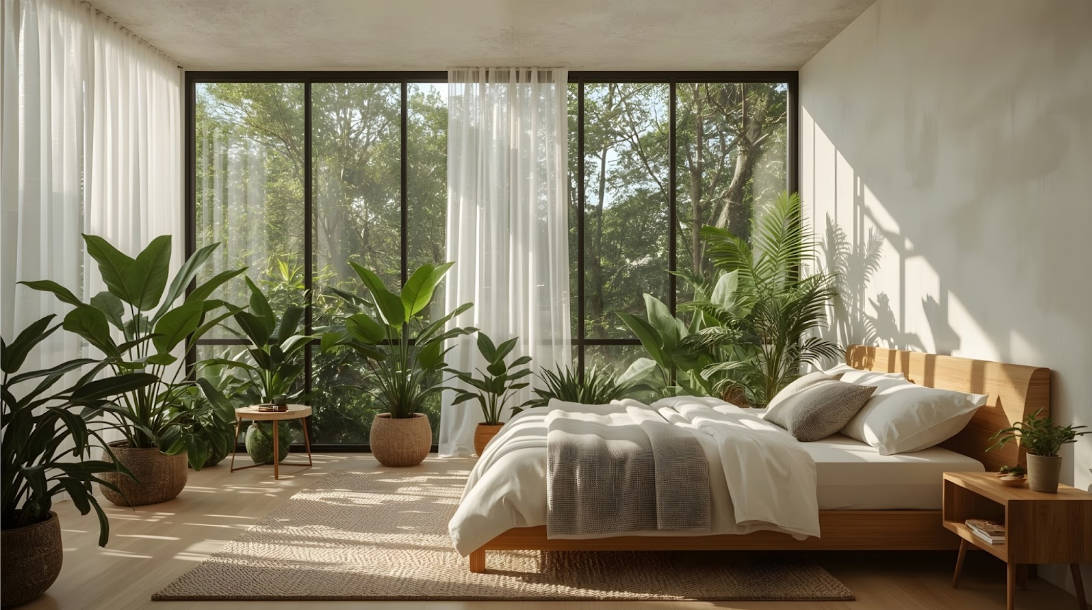
Real-world examples and personal lessons
I retrofitted a small studio to mimic natural daylight for photography. I used tunable 90+ CRI LEDs, layered fixtures, and set a midday 5600K preset. The results were immediate: skin tones and fabrics looked accurate on camera. Key lessons:
- Don’t pick bulbs by packaging alone. Ask for SPD and TM-30 scores.
- Overly bright cool light can feel harsh. Use diffusion and dimming.
- Surface reflectance matters. Dark walls absorb light and change perceived color.
If you’re wondering how to pick indoor lighting to mimic natural daylight for a living room, do a test swap with one lamp and observe over several hours. I learned this after wasting money on fixtures that looked great in-store but failed at home.
Installation, control, and maintenance tips
Good fixtures need proper installation to mimic daylight effectively.
- Use diffusers to soften shadows
- Direct point sources can create glare and harsh shadows.
- Position lights to reduce color casts
- Avoid colored paint reflections affecting tasks.
- Implement smart schedules
- Automate color shifts to match morning and evening.
- Maintain and replace bulbs on schedule
- LEDs dim over time; keep records of lumen maintenance.
- Consider glare and eye comfort
- Use baffles, lenses, and indirect lighting to avoid discomfort.
Following these steps helps you sustain natural daylight mimicry over years.
Trade-offs, costs, health and limitations
Mimicking daylight has benefits and trade-offs. Be realistic.
- Costs
- High-CRI tunable LEDs are pricier upfront. They save energy and deliver better color over time.
- Health
- Blue-rich light supports alertness but can disrupt sleep if used too late. Use warm night settings after sunset.
- Limitations
- No artificial light perfectly reproduces the dynamic and full ultraviolet content of sunlight. Focus on perceived color and intensity instead.
- Environmental factors
- Room finishes, windows, and time of day affect results more than bulbs alone.
Understanding these limits will help you choose solutions that are effective and safe.
Frequently Asked Questions of how to pick indoor lighting to mimic natural daylight
What color temperature best mimics daylight?
Use 5000K–6500K for a daylight-balanced effect. Tunable systems let you shift color across the day.
Is high CRI necessary to mimic daylight?
Yes. Choose CRI 90 or higher and check TM-30 scores for more accurate color rendering.
Can I mimic daylight in a windowless room?
Yes. Use high-CRI tunable LEDs, layered lighting, and proper lux levels to simulate daylight indoors.
How bright should indoor daylight-mimicking lights be?
Aim for 300–500 lux in living areas and 500–1000 lux for detailed tasks, adjusting for room reflectance.
Will daylight-mimicking lights affect sleep?
Blue-rich light can delay sleep if used at night. Use warm color temperatures and dimming in the evening to minimize impact.
Conclusion
You now have a clear, actionable framework for how to pick indoor lighting to mimic natural daylight. Focus on CCT, CRI/TM-30, SPD, lumen targets, fixture choice, and thoughtful controls. Test fixtures in the actual space and use tunable settings to balance energy, comfort, and health. Start small: swap one lamp, check color renderings, and adjust. If you found this useful, try one change this week and share your results or questions below — I’ll help you fine-tune the setup.

Daniel Hart is a consumer product analyst who specializes in mattress technology, smart bedding, and home comfort innovation. Before joining Royal Comport, Daniel worked with several e-commerce research teams, testing and comparing sleep products for quality, value, and long-term performance. He brings data-driven insight and real-world testing to every review he writes.

