

Choose bowls and trays by scale, material, color, and intended use for a balanced display.
I have spent years styling homes and retail windows, curating looks with decorative bowls and trays for display. This guide breaks down how to choose pieces that fit your space, reflect your style, and work in everyday life. Read on for clear rules, real-world tips, and simple steps you can use today to pick standout bowls and trays for display.
Why picking the right pieces matters
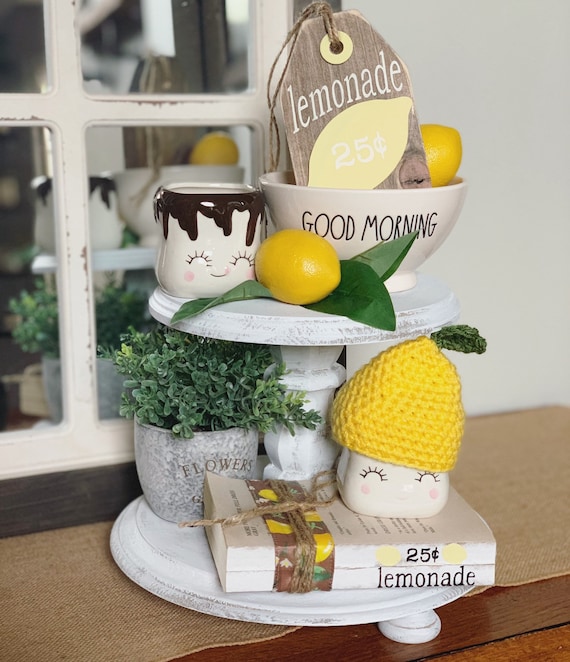
Decorative bowls and trays for display can anchor a vignette. They bring shape, texture, and rhythm to a shelf, table, or console. Choosing the right bowl or tray makes a space feel edited and calm rather than cluttered.
Good picks solve problems. A low tray can corral small items. A wide shallow bowl adds sculptural impact. When you match scale to the furniture, the display reads as intentional. This section sets the stage so you choose with purpose.

Key factors to consider when choosing decorative bowls and trays for display
Think of selection as a short recipe. Use scale, material, color, and function as your main ingredients.
- Scale and proportion: Match the bowl or tray size to the furniture piece. A tiny bowl on a large coffee table looks lost. A large tray on a narrow shelf looks crowded.
- Material mix: Use one dominant material and one accent material to keep displays cohesive.
- Color and finish: Choose colors that tie to room accents and finishes that reflect light appropriately.
- Function: Decide if the piece will be purely decorative or also hold keys, books, or remotes.
These checks make choosing decorative bowls and trays for display faster and more reliable.
Materials and finishes: choosing by look and lifestyle
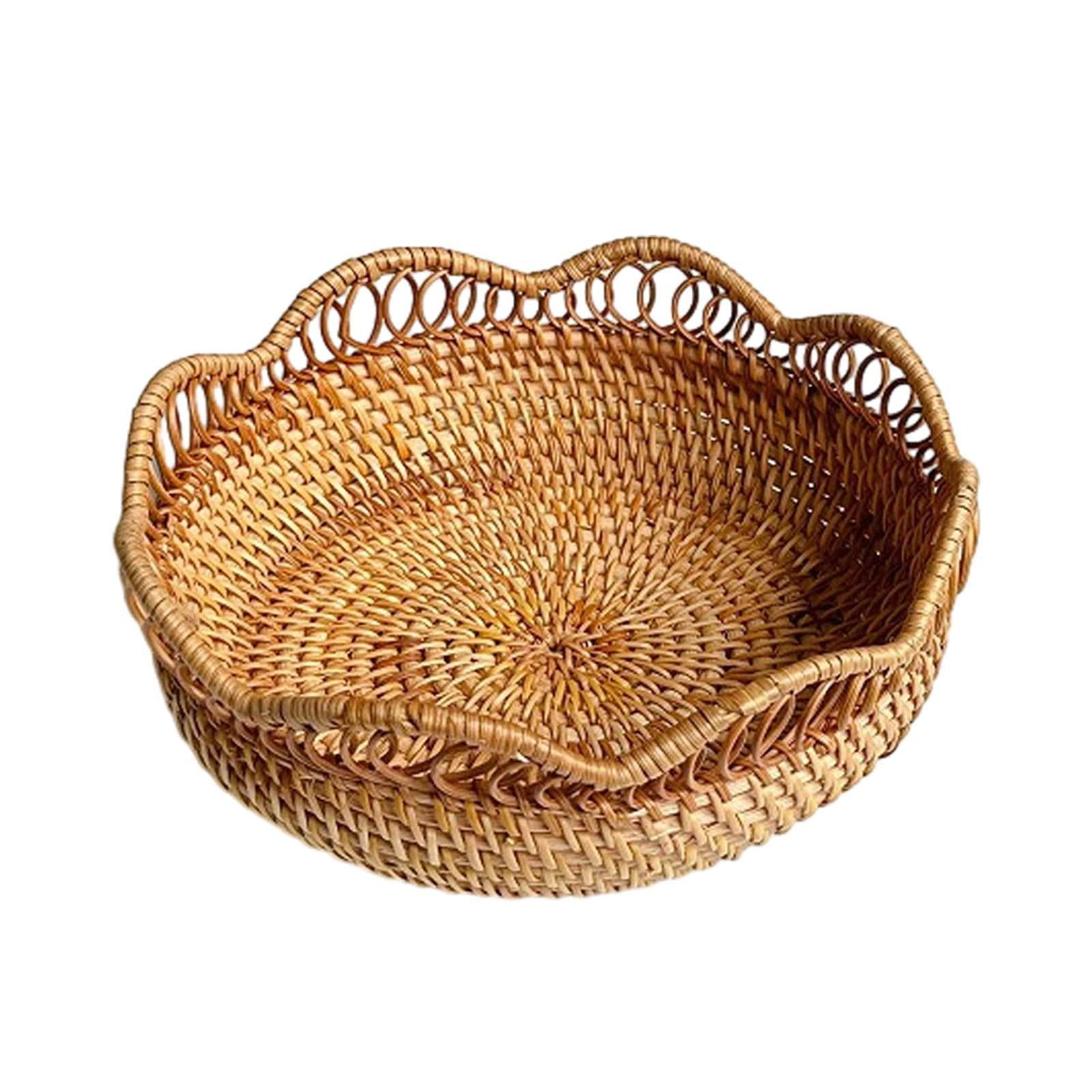
Materials set the tone. Natural materials feel warm. Metals feel modern. Glass feels airy.
- Ceramic: Versatile and affordable. Choose matte for quiet looks and gloss for shine.
- Wood: Warm and tactile. Use sealed wood where moisture or spills occur.
- Metal: Brass and stainless steel add polish. Patinaed metals add character.
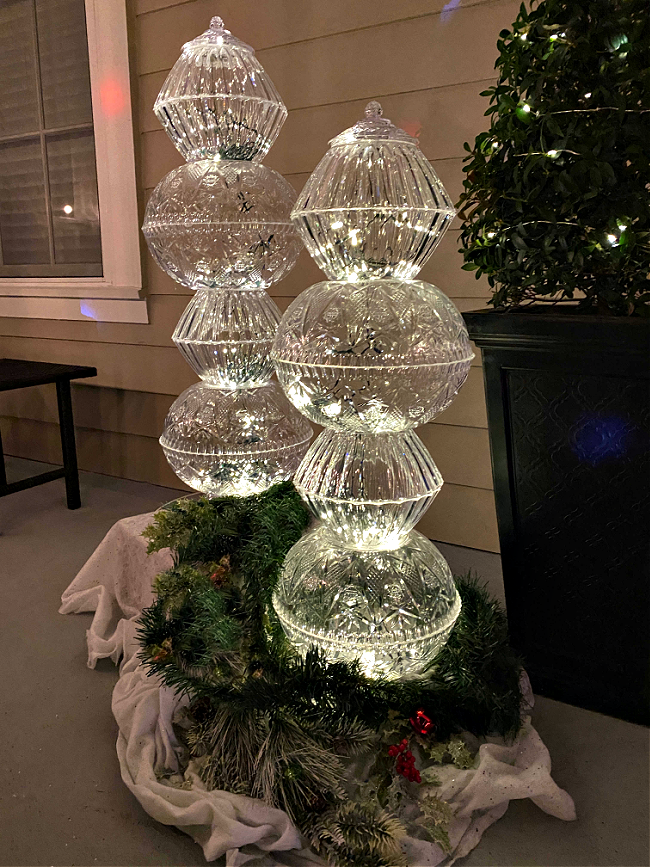
- Glass and crystal: Great on mantels or shelves to reflect light.
- Stone and marble: Heavy, luxe, and ideal for stable displays.
Think about wear and care. If the piece will hold food or frequent touch, pick durable finishes. Use contrast: pair a smooth tray with a textured bowl for visual interest.

Scale, shape, and proportion basics
Scale guides placement. Shape guides feel.
- Use these quick rules:
- Small objects belong on small surfaces or layered on larger trays.
- Low bowls work on dining tables. Taller trays work on consoles against a wall.
- Round bowls soften corners. Rectangular trays emphasize lines.
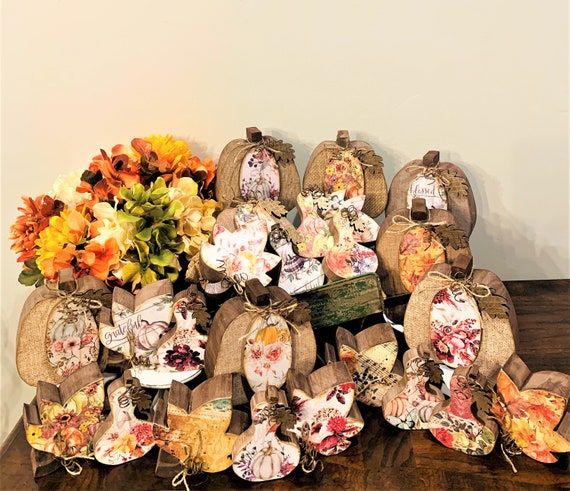
Group items in odd numbers. Trios feel natural. Vary heights slightly to create depth. These choices help you place decorative bowls and trays for display without guesswork.

Color, texture, and pattern: how to coordinate
Color and texture make the piece sing.
- Pick one dominant color and one accent color in the room.
- Use texture to add warmth—woven trays or hammered metal bowls.
- Patterns should be repeated sparingly. One patterned bowl with plain trays keeps the eye focused.
Neutral pieces often offer the most flexibility. But a single bold bowl can be the focal point. Use color to link the display to pillows, art, or rugs.
Layering, grouping, and styling techniques
Styling is where the magic happens. Think in layers.
- Start with a base: a tray or placemat anchors the arrangement.
- Add a focal bowl: the largest or most eye-catching piece.
- Add supporting items: a small plant, a candle, or a stack of books.
- Step back and adjust spacing until it feels balanced.
Use negative space. Don't overcrowd the tray. Leave breathing room around the bowl. These techniques make decorative bowls and trays for display look curated, not cluttered.
Function vs aesthetics: pick with purpose
Decide whether you want beauty, utility, or both.
- Pure display: Choose lighter, delicate materials and bold shapes.
- Everyday use: Opt for durable, easy-care materials that can be moved and washed.
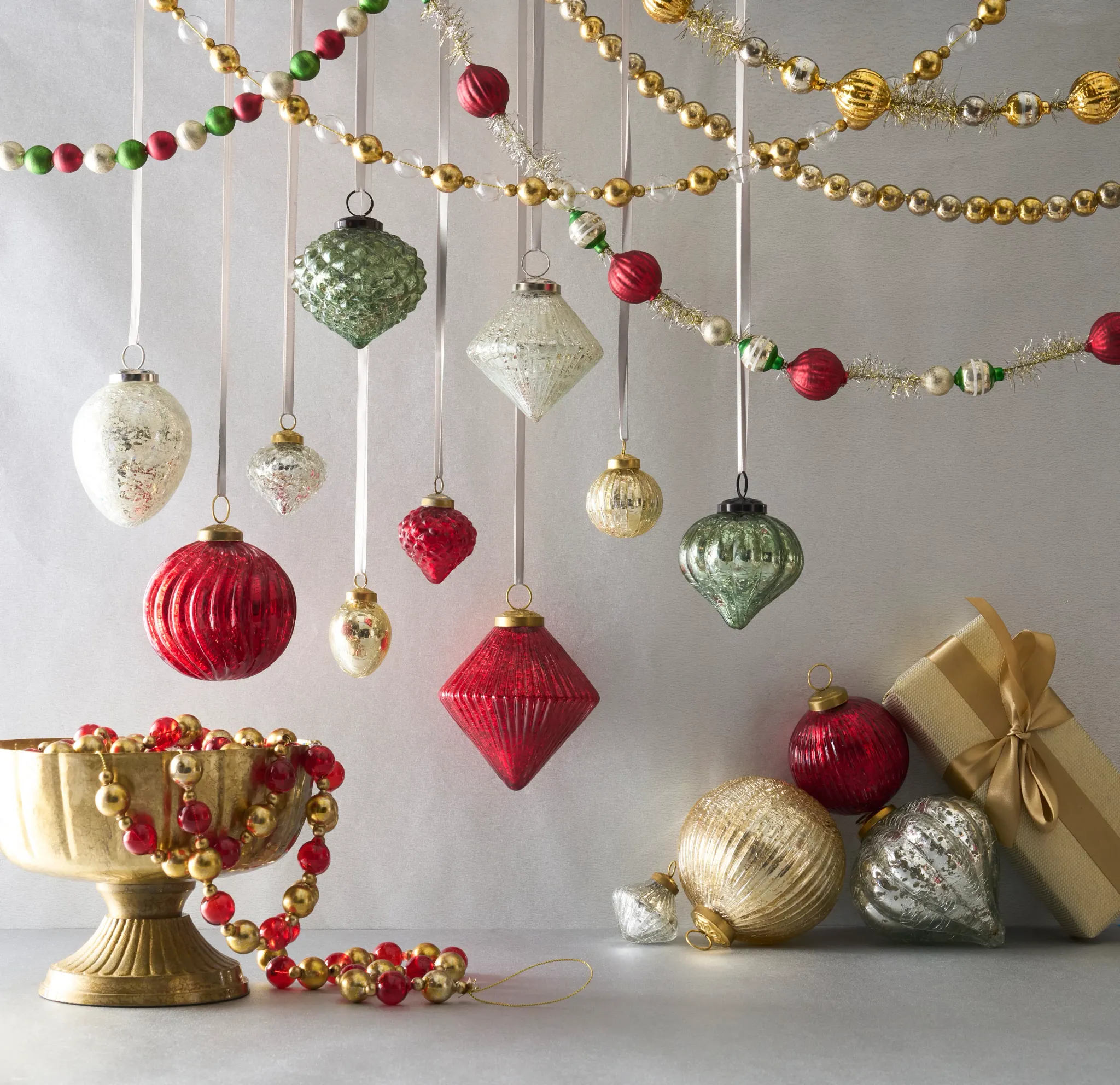
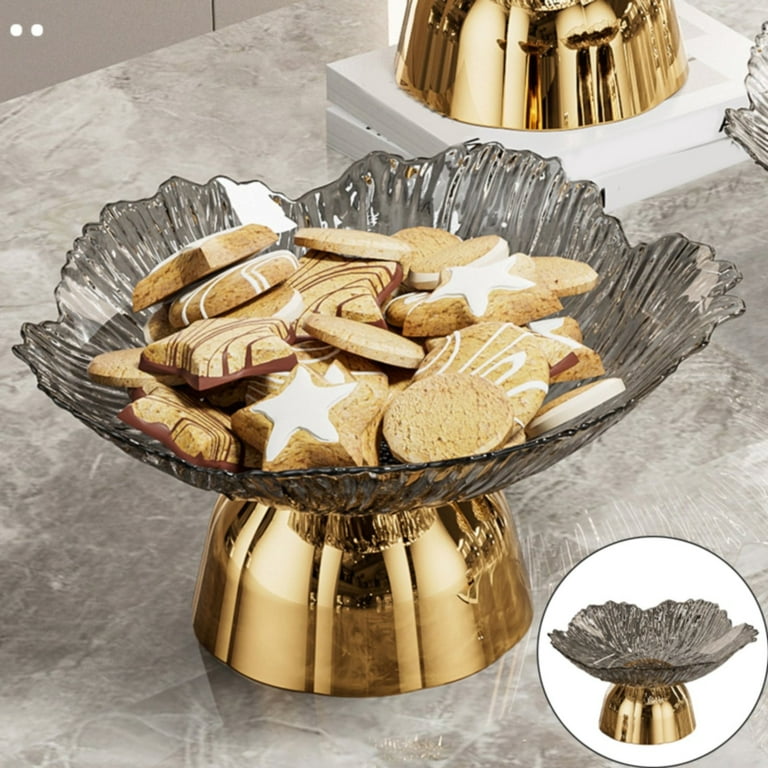
- Dual use: Pick pieces that look good empty and can hold fruit, keys, or napkins when needed.
When you match form to function, your decorative bowls and trays for display remain useful and attractive.
Styling by room: practical placement tips
Different rooms need different approaches.
- Living room: Use a tray on the coffee table. Place one sculptural bowl off-center and a small stack of books.
- Entryway: A shallow tray or bowl holds keys and mail. Choose a durable material.
- Dining room: Use a wide bowl as a centerpiece. Add seasonal decor like fruit or flowers.
- Bathroom: Small trays corral soap, perfume, or jewelry; pick moisture-resistant materials.
- Shelves: Mix trays and bowls to add horizontal interest among vertical books.
These room-based tips help you choose decorative bowls and trays for display with clarity.
Care, maintenance, and long-term value
Good care extends beauty.
- Clean bowls and trays by material: wipe metals, wash ceramics gently, and dust wood.
- Avoid harsh chemicals on delicate finishes.
- Store stacked carefully to avoid chips or dents.
High-quality materials often age well. A marble or brass piece can gain character over time. Choose pieces that fit your lifestyle to keep displays fresh.
Where to buy and how to budget
Buy in three tiers: budget, mid-range, and investment.
- Budget: Makers markets, discount home stores, and online sales for trend pieces.
- Mid-range: Local boutiques and reputable online shops for better finish and design.
- Investment: Designer or handmade pieces for heirloom quality.
Look for well-made joins, consistent finishes, and stable bases. A small investment in one high-quality tray can elevate several rooms.
Personal insights, mistakes to avoid, and quick rules I follow
From my own styling work I learned fast lessons.
- Mistake: Buying many small pieces that fight each other. Better to buy fewer, stronger pieces.
- Lesson: Test scale by cutting paper the size of a bowl and placing it on the surface.
- Rule: Always start with one anchor piece and build from it.
- Tip: Keep a neutral tray on hand to re-style quickly for seasons or guests.
These are practical tactics I use when selecting decorative bowls and trays for display for clients and my own home.
Frequently Asked Questions of how to pick decorative bowls and trays for display
How do I choose the right size bowl or tray for my table?
Match the tray or bowl to the table's scale. Leave at least 6 to 8 inches of clear surface around the piece so it doesn't look crowded.
What materials are best for everyday use?
Ceramic, sealed wood, and certain metals work well for daily use because they can be cleaned easily and resist wear.
Can I mix styles when styling with bowls and trays?
Yes. Mixing modern and vintage works when you keep a consistent color or material thread to tie pieces together.
How many items should I place on a tray?
Stick to three to five items for a balanced look. Use one anchor, one mid-size piece, and a couple of small accents.
Should I use decorative bowls and trays for display in small spaces?
Yes. Use small trays to organize surfaces and one small bowl as a focal point. Scale down the pieces to avoid crowding.
Conclusion
Choosing decorative bowls and trays for display is about balance. Focus on scale, material, and purpose. Start with one strong piece, build with texture and color, and keep function in mind. Try one change today: pick a tray or bowl and style it by following the simple steps above. Share your result or ask a question below to get tailored advice.

Daniel Hart is a consumer product analyst who specializes in mattress technology, smart bedding, and home comfort innovation. Before joining Royal Comport, Daniel worked with several e-commerce research teams, testing and comparing sleep products for quality, value, and long-term performance. He brings data-driven insight and real-world testing to every review he writes.


