

Mix modern and antique pieces by balancing scale, color, and a simple unifying theme.
I have spent years designing rooms that feel both fresh and lived-in. I help homeowners and designers solve the same problem: how to pair modern and antique furniture tastefully so rooms feel cohesive, balanced, and intentional. This guide gives clear rules, step-by-step methods, real-world examples, and honest lessons from my own projects to help you mix eras with confidence.
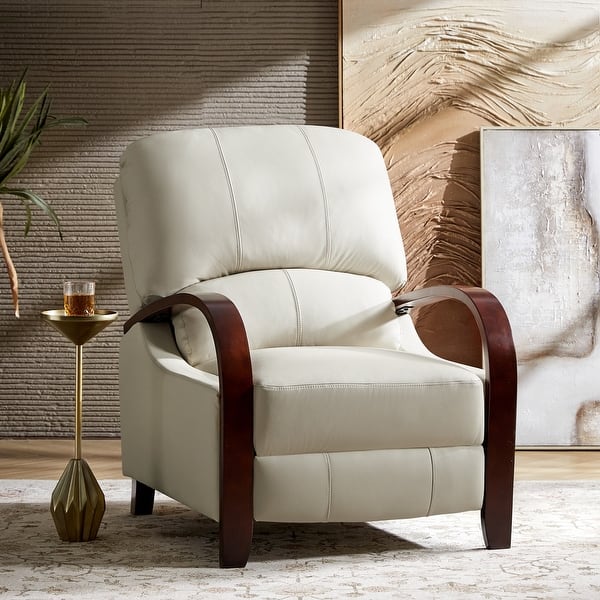
Why mix modern and antique furniture?
Blending styles makes rooms layered and personal. Modern pieces offer clean lines and function. Antiques bring history, craft, and warmth. Together they create depth that pure-modeness or all-antique rooms often lack.
Benefits include:
- A unique look that reflects taste rather than trend.
- Better sustainability by reusing quality older pieces.
- Visual interest from contrasts of texture, patina, and form.
- Flexibility: you can update a room by swapping one era for another.
Understanding why you want to mix helps you make clear choices. That intent guides scale, palette, and placement. When you know your why, decisions feel easier and the result feels purposeful.

Key principles to pair modern and antique furniture tastefully
Use a few simple rules. They make mixing feel deliberate rather than random.
Balance
- Pair large antique forms with simpler modern pieces to avoid clutter.
- Match visual weight, not exact size.
Unify with color
- Choose a common hue or neutral tone to tie items together.
- Use it on walls, textiles, or small accents.
Respect scale and proportion
- Measure before you buy. An oversized antique can overwhelm small modern pieces.
- Leave breathing room around each item.
Repeat motifs and materials
- Echo a shape, finish, or material in multiple places, such as brass hardware or turned legs.
Create a focal point
- Let one piece lead the room. A modern sofa can anchor a space around an antique mirror.
Layer texture and finish
- Mix smooth modern surfaces with carved wood, worn leather, or handwoven textiles.
Negative space matters
- Keep some empty space to let pieces shine. Too many objects cause visual noise.
Lighting and placement
- Use lighting to bridge eras. A sleek lamp on an antique side table balances both.
These core principles are the backbone of how to pair modern and antique furniture tastefully. Apply them consistently for clean, confident rooms.
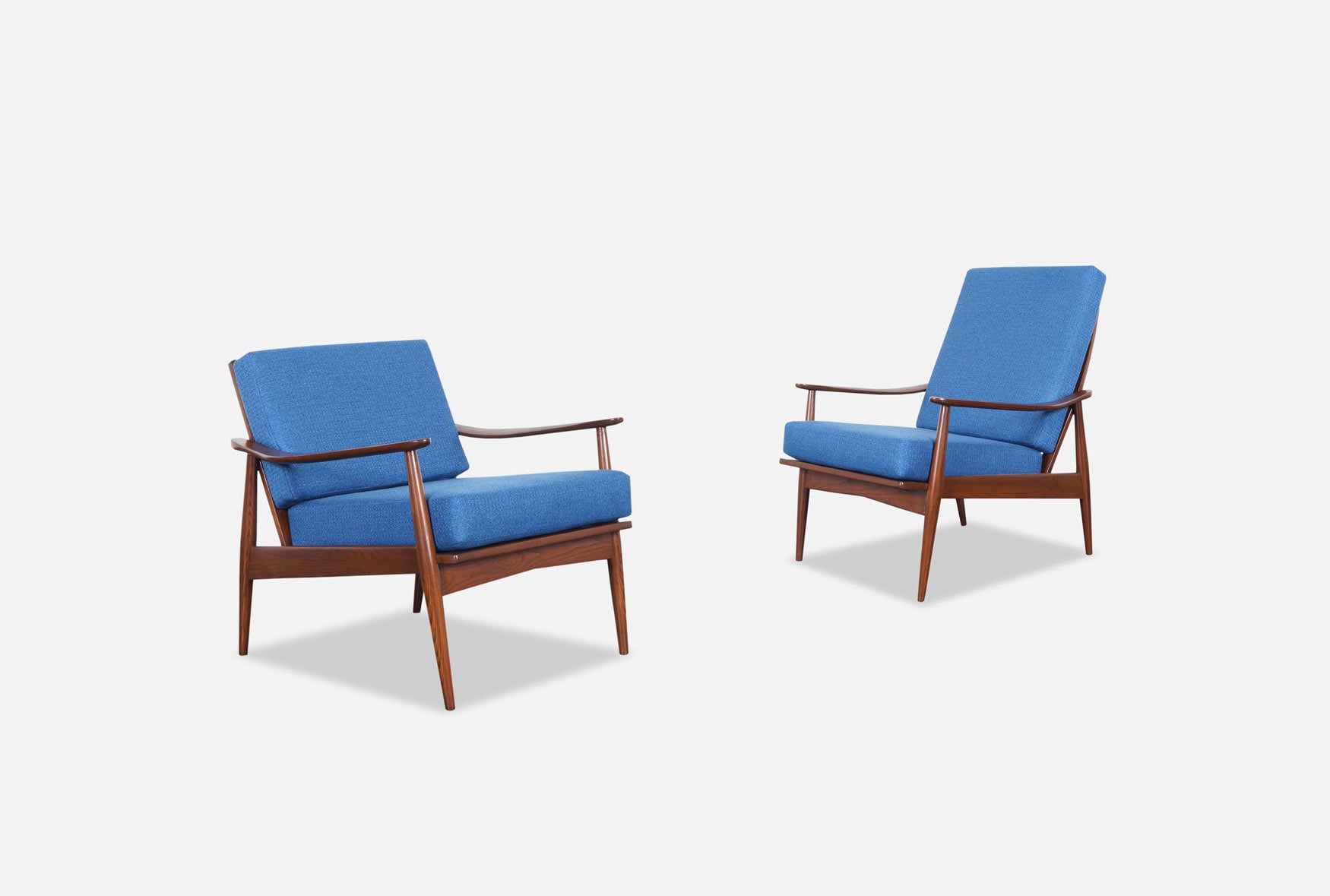
Practical steps and layout strategies
Follow a clear workflow to design a balanced room.
- Start with function
- Decide how you will use the room first. Comfort or display?
- Choose one anchor piece
- Pick the largest or most important item. It sets the scale.
- Set a simple palette
- Limit to three main colors. Use neutrals and one accent.
- Add one contrasting statement
- Place an antique as a conversation piece next to modern seating.
- Layer textiles and lighting
- Rugs, throws, and lamps soften contrasts.
- Edit ruthlessly
- Remove items that fight for attention.
Example floor plan ideas
- Living room: modern sofa, antique coffee table, matching modern side chairs, antique mirror above mantel.
- Dining: antique table, modern chairs, simple pendant light centered over the table.
- Bedroom: modern bed frame, antique dresser, modern bedside lamp.
These steps explain how to pair modern and antique furniture tastefully in a repeatable way. Start small if you feel unsure. One well-placed antique can change the whole room.
People also ask
Q: Will antiques clash with modern rooms?
A: Not if you balance scale and color. Pick a unifying element to bridge the styles.
Q: How many antique pieces should I use?
A: There is no fixed number. Use enough to add warmth but not so many that the room reads as fully vintage.
Q: Should I match finishes?
A: You do not need exact matches. Repeating a metal tone or wood hue helps unify the look.

Choosing pieces: what to buy and what to avoid
What to look for
- Strong form. Choose antiques with clear silhouettes.
- Solid construction. Old joinery often outlasts cheap modern build.
- Good scale. Make sure the piece fits the room’s dimensions.
What to avoid
- Oversized antiques for small rooms.
- Pieces with irreparable damage or odors.
- Too many ornate items in one space.
Personal tip from my projects
- I once paired an 19th-century sideboard with a modern low-profile sofa. The sideboard’s height gave the room vertical interest while the sofa kept the lines calm. That contrast felt intentional and balanced.
How to shop
- Measure in advance and bring photos of the room.
- Test sight lines and pathways in person.
- Ask about provenance and condition.
These practices make it practical to know how to pair modern and antique furniture tastefully without regrets.
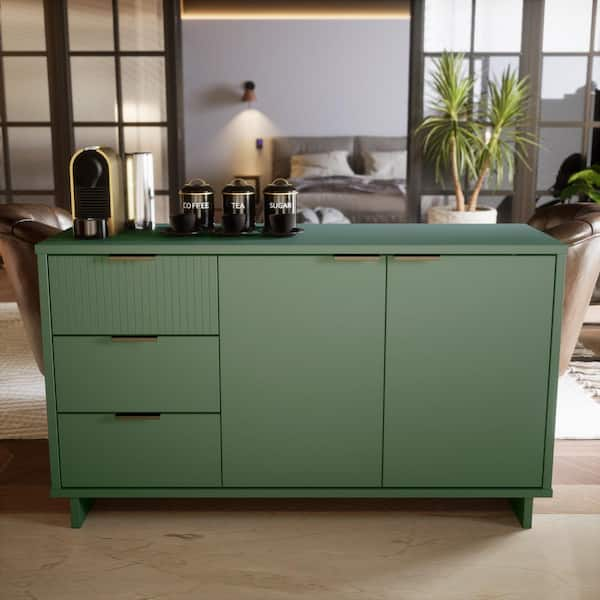
Color, finishes, and textiles
Color choices can unify very different pieces quickly.
Simplify the palette
- Use two neutrals and one accent. This keeps attention on shape and texture.
- Paint walls in a soft neutral to let antiques pop.
Finish strategies
- Repeat one finish in small details: a brass lamp, brass picture frames, or brass drawer pulls.
- Mix polished and matte finishes to create depth without chaos.
Textiles and rugs
- Choose natural fibers like wool or linen to bridge eras.
- A modern rug under an antique table can create a contemporary visual base.
Tip: repainting or refinishing
- Refinish with restraint. Sometimes a light wax or touch-up is enough.
- Avoid stripping original patina unless the piece is too damaged. Patina is part of an antique’s charm.
These tips show how color and materials play a central role in how to pair modern and antique furniture tastefully.
:max_bytes(150000):strip_icc()/_DSF7121-e847a845f78147dba293e52bcb2e1f21.jpg)
Lighting, placement, and styling
Lighting
- Layer three levels: ambient, task, and accent.
- Use a modern floor lamp with an antique side table to create balance.
Placement
- Allow circulation. Keep at least 30–36 inches of walkway.
- Anchor seating around a focal point such as a fireplace or rug.
Styling
- Group small items in odd numbers.
- Use books, plants, and art to link eras.
- Keep shelves curated. A mix of modern ceramics and vintage finds feels intentional.
Practical styling rule
- Repeat one material or color at least three times across the room to create visual rhythm.
These staging choices influence how to pair modern and antique furniture tastefully and help rooms feel inviting.
Common mistakes and how to avoid them
Mistake: Overcrowding with antiques
- Fix: Edit and keep breathing space around each piece.
Mistake: Competing focal points
- Fix: Choose one anchor and design around it.
Mistake: Ignoring scale
- Fix: Measure and use mock-ups before you buy.
Mistake: Too many finishes
- Fix: Limit key finishes to two primary materials.
Mistake: Forgetting function for form
- Fix: Test comfort and use before committing.
Being mindful of these errors helps you avoid costly regrets and creates a space that answers how to pair modern and antique furniture tastefully.
Personal case studies and lessons learned
Project 1: Living room refresh
- Brief: A client wanted modern comfort without losing a family heirloom armoire.
- Approach: I picked a low modern sofa and simple chairs. We centered the armoire on a blank wall, added a neutral rug, and repeated the armoire’s wood tone in small frames. The room felt balanced and intentional.
Lesson: Let antiques be the star. Keep surrounding pieces calm.
Project 2: Dining room blend
- Brief: Antique table, modern home with bright light.
- Approach: I selected modern chairs with thin profiles to keep sight lines open. A modern pendant kept the look fresh while the table provided warmth.
Lesson: Contrast works when scale and color are considered.
Mistakes I made and fixed
- I once added too many ornate pieces into one room. It felt heavy. Removing one large item and adding a modern lamp made the space breathe.
These examples show practical ways to approach how to pair modern and antique furniture tastefully. They come from real client work and reflect hands-on learning.
Frequently Asked Questions of how to pair modern and antique furniture tastefully
How do I start mixing modern and antique pieces?
Start with one anchor piece and a simple color palette. Build around that anchor and edit as you go.
Can modern and antique obey the same design rules?
Yes. Scale, proportion, and balance apply to both. Use those rules to create harmony.
Is it okay to refinish an antique to match modern furniture?
You can, but preserve patina when possible. Light touch-ups work better than full stripping.
What if my antique overwhelms the room?
Reduce visual weight by pairing it with several low-profile modern pieces and adding lighter textiles.
How many modern items should I include with an antique?
There is no set number. Aim for balance: enough modern to update the room, and enough antique to add character.
Conclusion
Mixing old and new creates rooms that feel lived-in and timely. Start with clear goals, pick one anchor, and use simple rules for scale, color, and repeat elements. Edit with honesty and use lighting and textiles to stitch eras together. Try one small project today—swap a lamp or add an antique chair—and see how it changes your space. Share your results, subscribe for more design guides, or leave a comment with your biggest mix-and-match challenge.

Daniel Hart is a consumer product analyst who specializes in mattress technology, smart bedding, and home comfort innovation. Before joining Royal Comport, Daniel worked with several e-commerce research teams, testing and comparing sleep products for quality, value, and long-term performance. He brings data-driven insight and real-world testing to every review he writes.
