

Mix gold and brass by limiting one to accents, matching tones, and repeating finishes for cohesion.
I have styled dozens of rooms and consulted with designers, and I know how to mix gold and brass accents without looking tacky. This guide gives clear rules, practical tips, and real examples to help you blend gold and brass with confidence. You will learn how to choose finishes, balance placement, layer textures, and avoid common mistakes, all in plain language and with step-by-step advice you can use today.

Core principles for how to mix gold and brass accents without looking tacky
Start with a simple rule: pick one metal family as the lead and the other as a supporting accent. This keeps the look intentional. Aim for balance, repeat each finish at least three times, and use neutral backdrops to let metals pop. Keep scale in mind: small accents read as detail, large fixtures set the tone.
Key principles:
- Use one dominant metal and one secondary metal for contrast and unity.
- Repeat finishes across the room to create rhythm.
- Choose metals that share warm or cool undertones.
- Mix finishes (matte, polished, brushed) but limit sheen contrasts to avoid clutter.
These ideas make it easy to mix gold and brass accents without looking tacky because they focus on proportion, repetition, and harmony.

Choosing the right gold and brass finishes
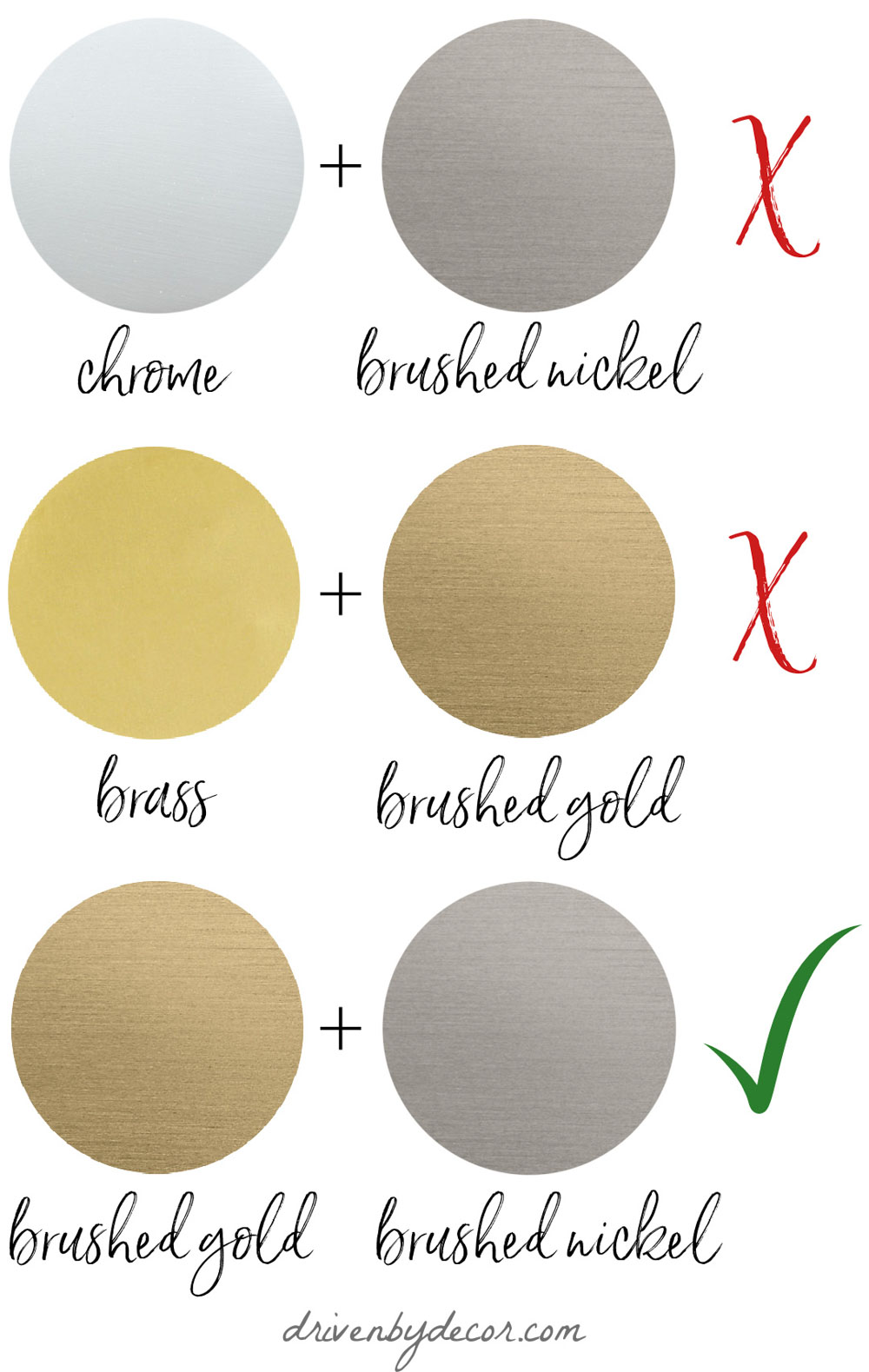
Gold and brass come in many tones. Some gold is pale and cool. Some is warm and rich. Brass ranges from bright yellow to muted aged brown. Match finishes by undertone rather than name.
How to choose:
- Look for warm vs cool: Warm gold and warm brass pair well. Cool gold needs cooler metals.
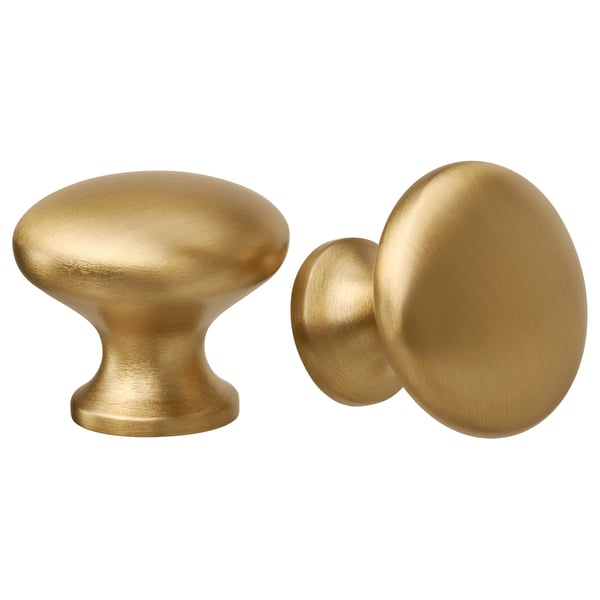
- Consider finish: Brushed brass is subtle. Polished gold is bold. Pair a bold finish with a subtle one.
- Test samples: Bring swatches home and view under your room light. Colors shift in warm bulbs and natural light.
Practical tip: If you want a modern look, use matte brass with satin gold hardware. For a luxe look, pair polished gold with antique brass accents. This helps you mix gold and brass accents without looking tacky by keeping finishes intentional and tested.
Balance and placement strategies
Balance is about how much metal you show and where you show it. A scattered handful of mixed metals looks accidental. Group metals in layers and areas for cohesion.
Placement tactics:
- Anchor with big pieces: Choose one large fixture in the dominant metal, such as a chandelier, faucet, or mirror frame.
- Layer smaller accents: Use the secondary metal in lamps, picture frames, or hardware.
- Create clusters: Place three to five metal items together to form a cohesive vignette.
- Left-right balance: Mirror metal placement across a room to maintain symmetry.
These placement moves let you mix gold and brass accents without looking tacky because they read like a plan, not a random collection.

Mixing techniques that work every time
Use proven mixing techniques to make gold and brass feel intentional. The following steps are simple and reliable.
Step-by-step mixing method:
- Choose a dominant metal and a supporting metal.
- Pick a neutral base: white, gray, or deep navy helps metals stand out.
- Repeat each metal at least three times in different objects.
- Vary scale and texture: pair a large matte brass light with small polished gold spoons or knobs.
- Add soft materials: textiles in natural fibers warm the look and soften shine.
These steps are practical. They make it easy to mix gold and brass accents without looking tacky by creating rhythm, contrast, and softness.
:strip_icc()/bhg-gold-bathtub-faucet-0UPAo6Htqtq8e993AL3xV5-5e8e4c879553416a8be525dd60dd4aaa.jpg)
Color palettes and finishes that complement metals
Metals look different next to different colors. Choosing the right palette makes your metals sing.
Best pairings:
- Warm metals (gold, yellow brass) with warm neutrals: cream, camel, terracotta.
- Warm metals with deep colors: navy, forest green, charcoal.
- Cool gold with cool neutrals: pale gray, slate blue, black.
- Textures: wood and stone help metals feel grounded and not flashy.
Use matte paints and textured fabrics to stop metals from overwhelming the room. These combos help you mix gold and brass accents without looking tacky by tying metals into the broader color story.
Common mistakes and how to avoid them
Avoiding a tacky look means spotting common errs early. I have seen rooms go wrong in the same ways more than once.
Mistakes to avoid:
- Too many shiny finishes in one place. Solution: add matte or satin finishes to break shine.
- Random, unmatched metals. Solution: repeat and anchor metals.
- Overuse of small accessories without a larger anchor. Solution: add one large piece in the dominant metal.
- Ignoring scale. Solution: balance large fixtures with smaller accents in the other metal.
When you watch for these traps, you can mix gold and brass accents without looking tacky and keep the room polished and intentional.
Maintenance and longevity
Metals age and patina. Decide whether you want polished new looks or aged warmth. Maintenance affects long-term style.
Care tips:
- Use soft cloths and gentle cleaners. Harsh chemicals remove coatings.
- For polished finishes, wipe fingerprints often.
- For patinaed brass, avoid heavy polishing if you like the aged look. Light cleaning preserves color.
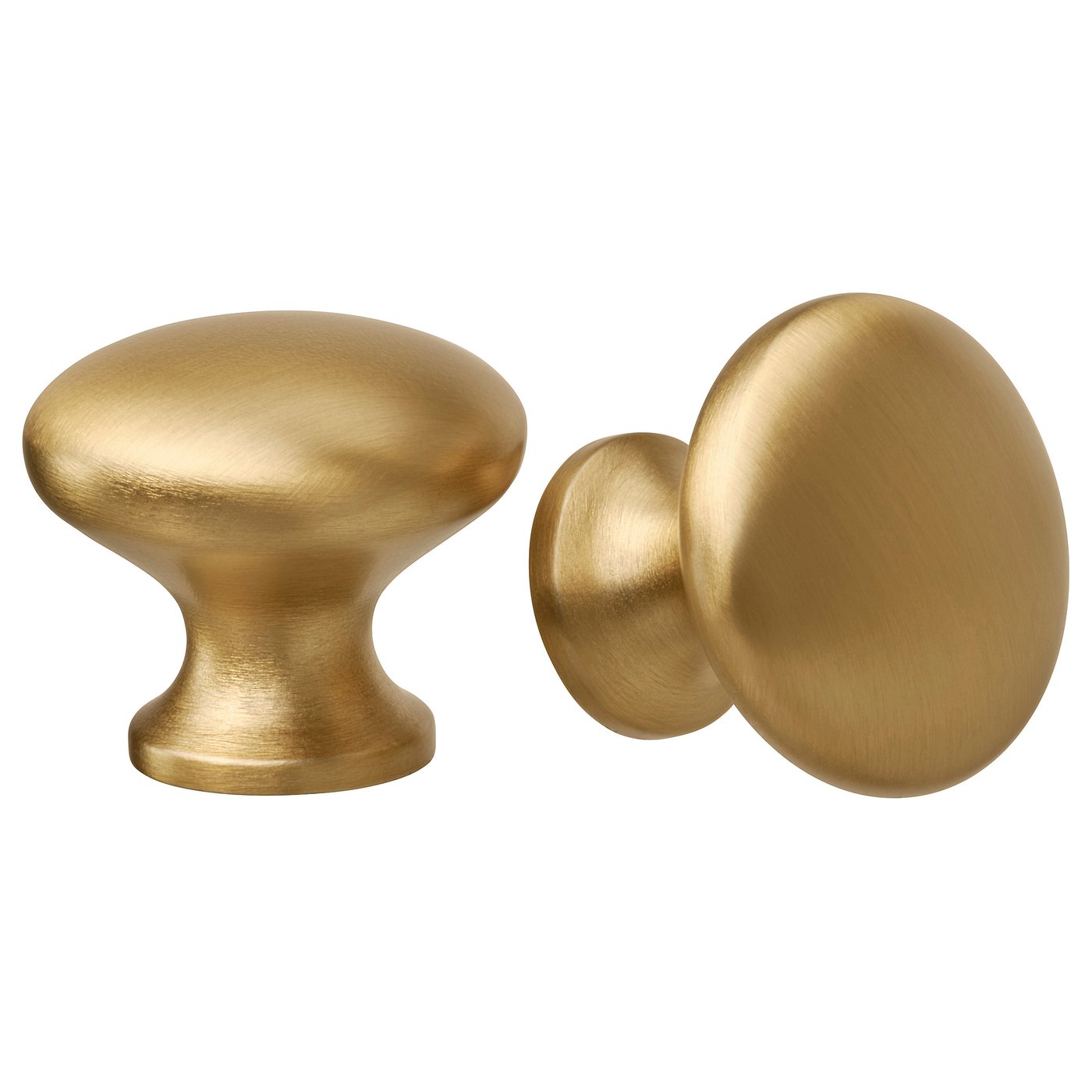
- Replace or refurbish hardware in sets if finishing wears unevenly.
Good care helps your scheme remain coherent and prevents mismatched aging, which can make mixing gold and brass accents without looking tacky much harder.
Personal experience and lessons learned
I once mixed gold and brass in a rental kitchen. I started with brass cabinet pulls and added a polished gold light. At first it felt messy. I then chose matte brass for the faucet and repeated the polished gold in two pendant lights. The room looked cohesive. Lesson learned: repeat finishes and choose a lead metal.
More tips from my work:
- Carry samples in your pocket. Lighting changes everything.
- Start small in rentals: swap knobs or add a mirror before big purchases.
- When in doubt, pick the warmer metal to match wood tones.
These small moves show how to mix gold and brass accents without looking tacky in real homes.
PAA-style quick questions
Why do gold and brass clash sometimes?
Because they can have different undertones and finishes. Match warm to warm and cool to cool, and test samples under room light.
Can I mix polished and brushed metals?
Yes, if you limit the sheen contrast and use one finish as the dominant look. Balance keeps it from feeling busy.
Will mixing metals date a room?
Not if you use timeless pairings. Matte finishes and natural textures help metals stay current.
How many metal pieces should I place in a room?
Aim for groups of three to five visible pieces of each metal for rhythm and repetition.
Should I change lighting when mixing metals?
Yes. Warm bulbs flatter warm metals; cooler bulbs suit cool metals. Swap bulbs to see which metal the light enhances.
Frequently Asked Questions about how to mix gold and brass accents without looking tacky
How do I start mixing gold and brass accents without making the room look busy?
Begin with one dominant metal and one supporting metal. Anchor with a large piece in the dominant metal, then repeat the supporting metal in small accents.
Is it okay to mix polished gold and antique brass?
Yes, if you control the amount of each and repeat them across the room. Use textured or matte elements to balance the contrast.
What colors work best with gold and brass?
Warm metals pair well with creams, navies, and deep greens. Neutral backdrops like gray and white also highlight metals without competing.
How many finishes should I mix in one room?
Limit finishes to two or three. Use one primary finish and one or two secondary finishes to maintain cohesion.
Can I mix metals in small rooms?
Yes. In small rooms, be more restrained. Use a few well-placed accents and avoid too many high-shine pieces.
Conclusion
Mixing gold and brass accents without looking tacky is about choices, not chance. Choose a lead metal, repeat finishes, test samples in your light, and balance scale and texture. Start small, refine as you go, and trust your eye. Try swapping a few hardware pieces or adding one mixed-metal fixture this week to see the difference. Share your results, subscribe for more tips, or leave a comment with your room photos to get specific feedback.

Daniel Hart is a consumer product analyst who specializes in mattress technology, smart bedding, and home comfort innovation. Before joining Royal Comport, Daniel worked with several e-commerce research teams, testing and comparing sleep products for quality, value, and long-term performance. He brings data-driven insight and real-world testing to every review he writes.


