
Measure the width, depth, and thickness of each cushion; add 1 inch for fit and seams.
I have measured and replaced dozens of patio cushions for friends, clients, and my own backyard projects. This guide on How to measure outdoor cushions will walk you step by step, with clear tools, common mistakes, and real tips I learned the hard way. Read on to get accurate sizes, order the right replacements, and avoid returns.
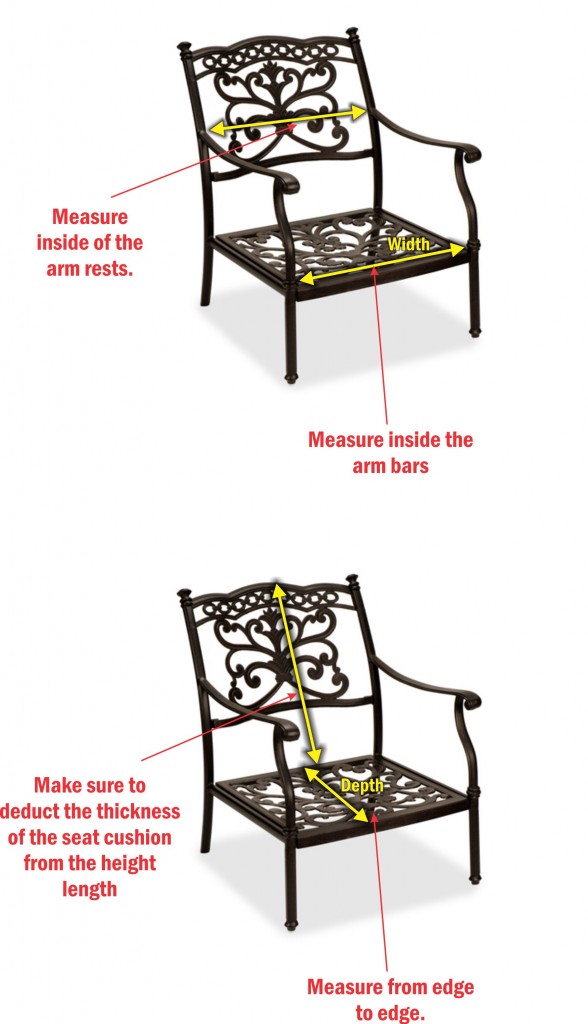
Tools and preparation before you measure
Start with the right tools and a plan. How to measure outdoor cushions begins with simple tools and a clear workspace.
- Tools you need
- Tape measure (flexible cloth type works best)
- Straight ruler or yardstick for small edges
- Marker and paper or a phone to record sizes
- Level or square for frames with angles
- Soft brush to clean off dirt for clear lines
I always lay cushions flat on a table or the floor. I remove covers when possible. This makes measurements more true. How to measure outdoor cushions depends on clean, flat surfaces and steady hands.
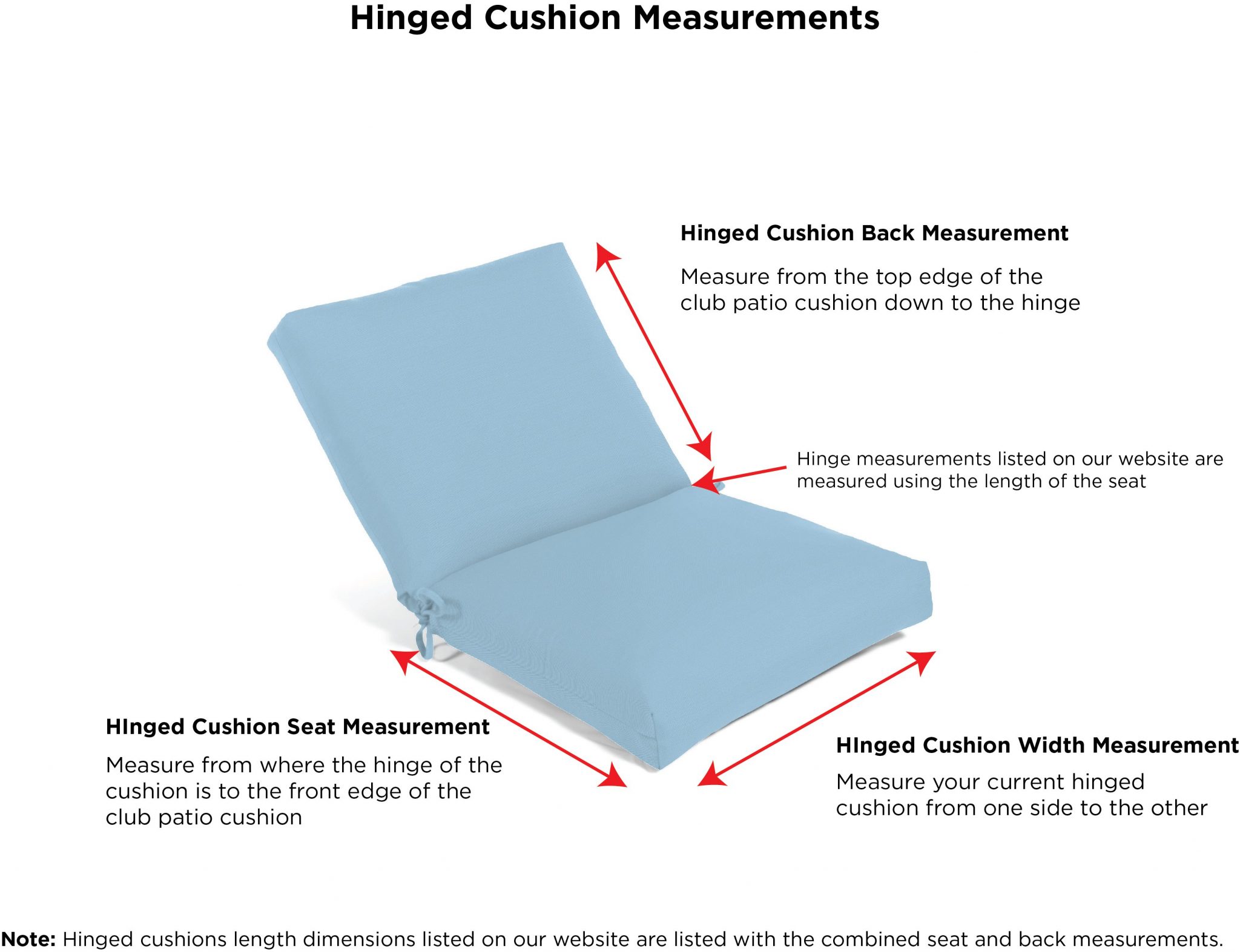
How to measure seat cushions step by step
Seat cushions often need the most care when measuring. Follow this sequence to avoid mistakes.
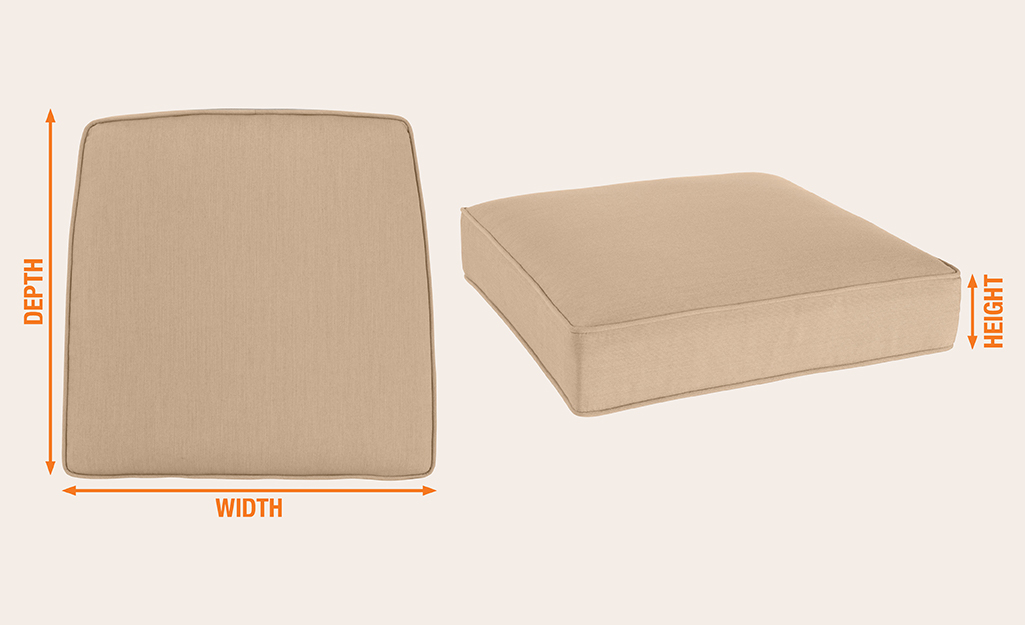
- Measure width first
- Measure the widest point left to right. Record in inches.
- For curved or wrapped seats, measure at both top and bottom and use the larger number.
- Measure depth
- Measure front to back at the deepest point. Record in inches.
- Measure thickness (height)
- Measure from the bottom seam to the top face. Do this at the center.
- Note shape and seams
- Record if corners are square, rounded, or tapered.
- Note if there is piping, flange, or tufting that affects size.
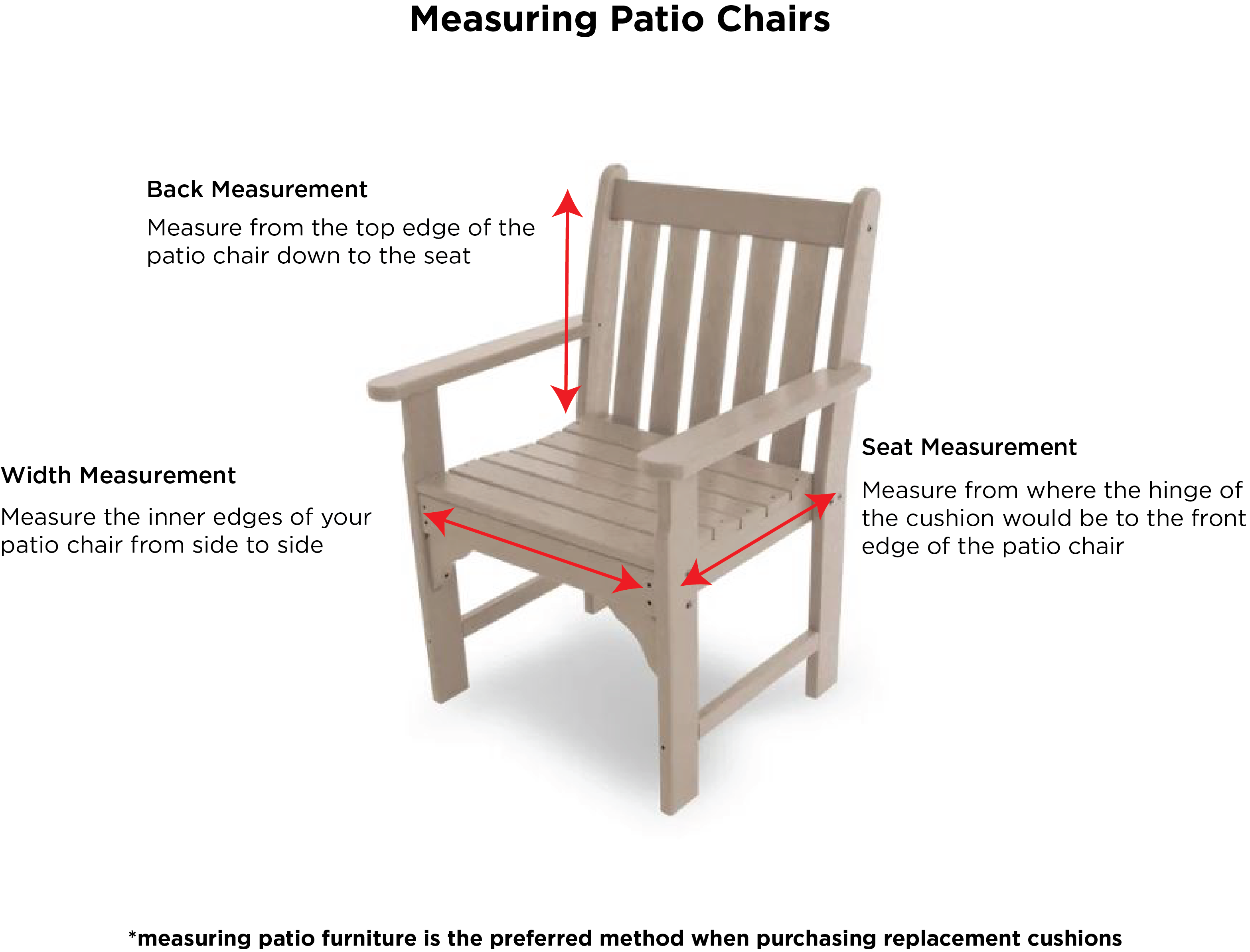
If the seat cushion sits into a frame, measure the frame opening too. Add a small allowance if the cushion must slide in. I use "How to measure outdoor cushions" rules: measure real parts, not guesses. When in doubt, measure twice.
How to measure back cushions and throw pillows
Back cushions and decorative pillows need different care. They are lighter but shape matters.
- Measure width and height for rectangular backs
- For lumbar cushions, measure length and height
- For loose throw pillows, measure across the face and the depth
- For boxed backs, measure depth from seam to seam
I once ordered backs without noting flange size. They were too small. Learn from that. How to measure outdoor cushions for backs often needs a 1-inch allowance for covers and seams.

Measuring rounded, wedge, and corner cushions
Some cushions are not square. Corner and wedge cushions require extra steps.
- For round cushions, measure diameter across center
- For wedge cushions, measure the long side, short side, and depth
- For corner cushions, measure each side length and the included angle if possible
- For tapered cushions, measure top and bottom widths plus depth
Use a flexible tape for curves. Draw the shape on paper and mark each measurement. How to measure outdoor cushions for odd shapes gets easier with a sketch and labeled numbers.
Allowances, seams, and how much extra to add
You must add small allowances for fabric, zipper, and fit. This prevents tight fits and poor looks.
- Add 0.5 to 1 inch for sewn seams on each side
- Add 1 inch for zippered covers that need room to go over foam
- For slip-on cushions, add 1 to 2 inches for ease
- For very firm cushions, add less allowance to keep snug fit
I usually add 1 inch to each dimension when ordering replacements. This rule of thumb came from returning two cushions that were too tight. How to measure outdoor cushions well means planning for seams and fabric stretch.
Choosing foam, fill, and thickness recommendations
The foam or fill affects comfort and final size. Choose wisely.
- Foam density affects support. Use medium to high density for seats.
- Thickness is the height you measured. Standard outdoor seats are 4 to 6 inches.
- Polyester or down fills compress. Add 1 inch for fills that will settle.
- Use marine-grade or quick-dry foam for outdoor use to resist mildew.
I tested two foams in rainy weather. Quick-dry held shape and dried fast. How to measure outdoor cushions includes thinking about fill and how it will compress over time.
Ordering replacement cushions and working with vendors
Ordering gets smoother when you give clear specs. Here is a checklist to send to vendors.
- Exact width, depth, and thickness in inches
- Cushion shape sketch with labeled measurements
- Type of foam or fill and desired firmness
- Cover fabric, zipper placement, and seam allowance
- Any piping, tufting, or special trims
Ask for a confirmation drawing before production. I always request a mock-up or sample to check fit. How to measure outdoor cushions well means clear communication with the maker.
Common mistakes and easy fixes
Avoid these pitfalls to save time and money.
- Mistake: Measuring from cushion edge with fabric bulge
- Fix: Remove the cover or smooth fabric and measure at seams
- Mistake: Forgetting to measure frame depth
- Fix: Measure inside frame and cushion thickness
- Mistake: Ignoring shape and corner angles
- Fix: Sketch and label each side
- Mistake: Not accounting for compression of fill
- Fix: Add an inch for soft fills
I once ordered cushions based on a memory. They did not fit. Always write the numbers down. Remember How to measure outdoor cushions means measure and record.
Care, maintenance, and how size affects longevity
Size and fit impact how a cushion wears over time.
- A too-tight cover can split seams faster
- A too-loose cover can rub and wear fabric
- Proper fit helps water run off fabric and avoids pooling
- Choose fabrics with UV and mildew resistance for outdoor life
I use a cover pattern for my benches. A proper fit cut down rubbing and seams split less. How to measure outdoor cushions carefully will extend cushion life.
Frequently Asked Questions of How to measure outdoor cushions
How do I measure a cushion that has a cover?
Remove the cover if possible and measure the foam. If you cannot remove it, flatten the fabric and measure at the seams for the most accurate size.
What tolerance should I give my measurements?
Add 0.5 to 1 inch per side for seams and zipper allowance. For very soft fills, add 1 inch overall for comfort and fit.
Can I use indoor foam for outdoor cushions?
Indoor foam may retain water and mildew. Use quick-dry or marine-grade foam for outdoor cushions to avoid rot and odor.
How do I measure a rounded or circular cushion?
Measure the diameter across the center for circular cushions. For curved edges, use a flexible tape to trace the outer edge.
Should I measure the furniture frame as well?
Yes. Measure the frame opening and depth. This helps confirm that your cushion will fit when placed inside or on the frame.
Conclusion
Measuring cushions is simple when you follow a clear plan. Measure width, depth, and thickness. Note shape and add 0.5 to 1 inch for seams and fit. Double-check odd shapes and communicate clearly when ordering replacements. Put these steps to use today: measure once carefully, record numbers, and order with confidence. If you found this helpful, leave a comment, subscribe for more tips, or try measuring one cushion now and share your results.

Daniel Hart is a consumer product analyst who specializes in mattress technology, smart bedding, and home comfort innovation. Before joining Royal Comport, Daniel worked with several e-commerce research teams, testing and comparing sleep products for quality, value, and long-term performance. He brings data-driven insight and real-world testing to every review he writes.


