

How to make patio furniture cushions: use outdoor fabric, foam core, and simple sewing for durable comfort.
I’ve built dozens of cushions for porches, decks, and poolside lounges, so I know what makes cushions last and look great. This guide on how to make patio furniture cushions walks you from planning to sewing, with clear steps, tool lists, and real tips I learned the hard way. Read on and you’ll be ready to cut fabric, pick the right foam, and finish weatherproof cushions that fit your furniture and style.

Materials and tools you’ll need
Below is a compact list of what I use when I show people how to make patio furniture cushions. Each item matters for durability and ease.
- Outdoor fabric (solution-dyed acrylic or marine-grade) — 1 to 3 yards depending on project.
- Foam (high-density upholstery foam, 2–4 inches thick) or pre-cut inserts.
- Batting or polyester wrap for softer edges.
- Outdoor thread and heavy-duty sewing machine needle.
- Zippers (invisible or lapped) or Velcro for removable covers.
- Measuring tape, fabric scissors, rotary cutter and mat.
- Straight pins, clips, tailor’s chalk, and ruler.
- Seam sealer or waterproof tape for seams (optional).
- Spray adhesive for foam-to-fabric bonding (optional).
I usually choose solution-dyed acrylic and high-density foam. These fabrics resist fading and mold. My sewing machine handles outdoor thread without fuss. When you make patio furniture cushions, using the right tools saves hours and future repairs.
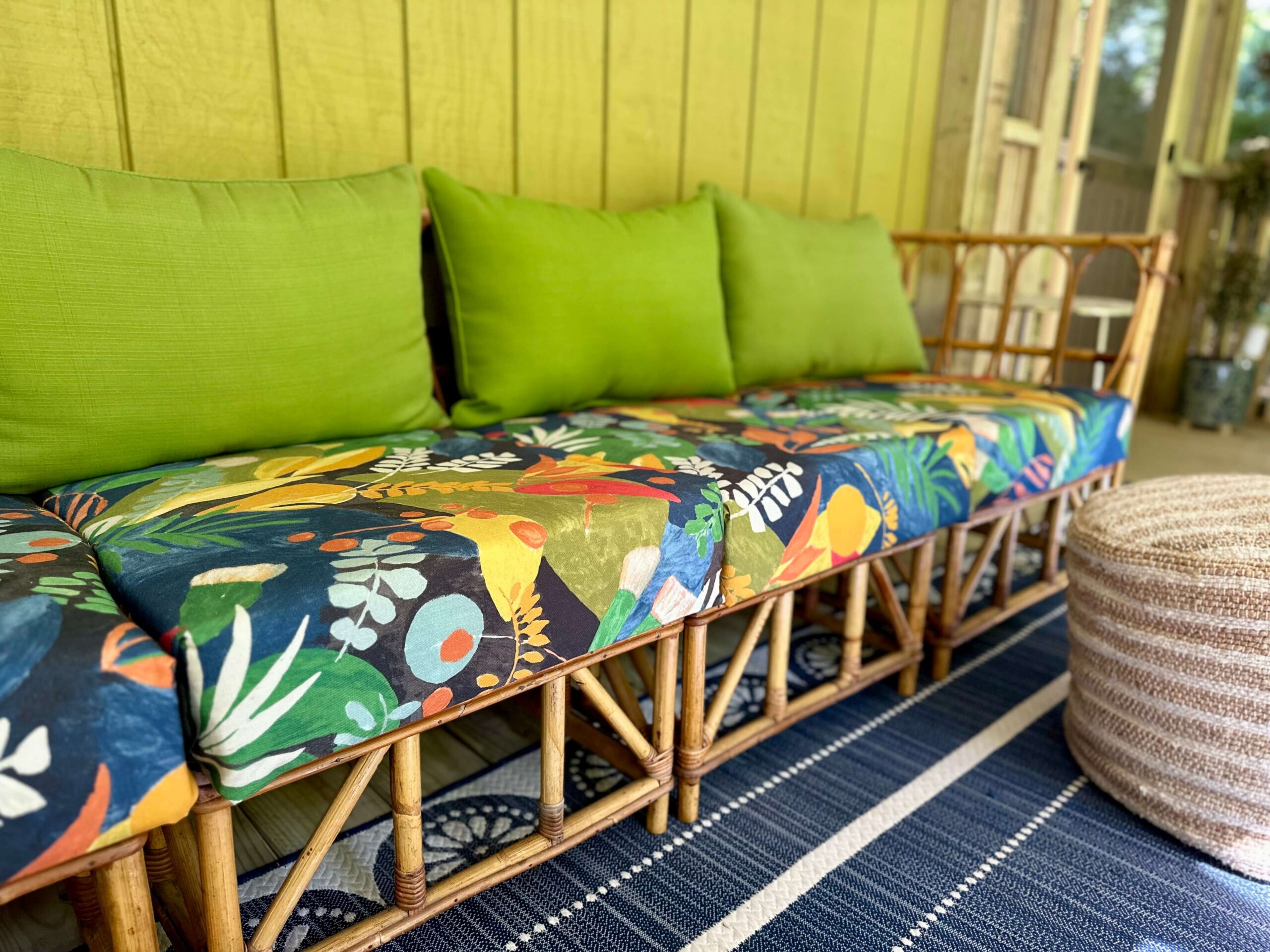
Measuring, planning, and choosing a pattern
Accurate measurements make or break a cushion. Take clear notes before cutting fabric.
- Measure width, depth, and thickness of the seating area. Add 1 inch to each dimension for seam allowance.
- For back cushions, measure the cushion height and any slant or curve.
- Decide whether cushions will be box-style, knife-edge, or flange-topped.
- Sketch a simple pattern on kraft paper to test fit and placement.
- Factor in piping or a flange if you want a tailored look; add extra fabric for these details.
When I first learned how to make patio furniture cushions, I underestimated depth and had to recut covers. Don’t rush measuring — double-check each dimension to avoid waste.

Choosing foam and filler options
The foam determines comfort and resilience. Pick foam that suits outdoor use and your comfort preference.
- High-density polyurethane foam — firm, good for seat cushions and holds shape well.
- Softer foam layers — add a 1-inch softer top layer for plush comfort.
- Outdoor-friendly foam (reticulated foam) — allows water to drain and dries faster.
- Polyester or quilt batting — wrap foam to soften edges and improve cover fit.
- Alternative fillers — shredded foam or polyester fiber for loose cushions or toss pillows.
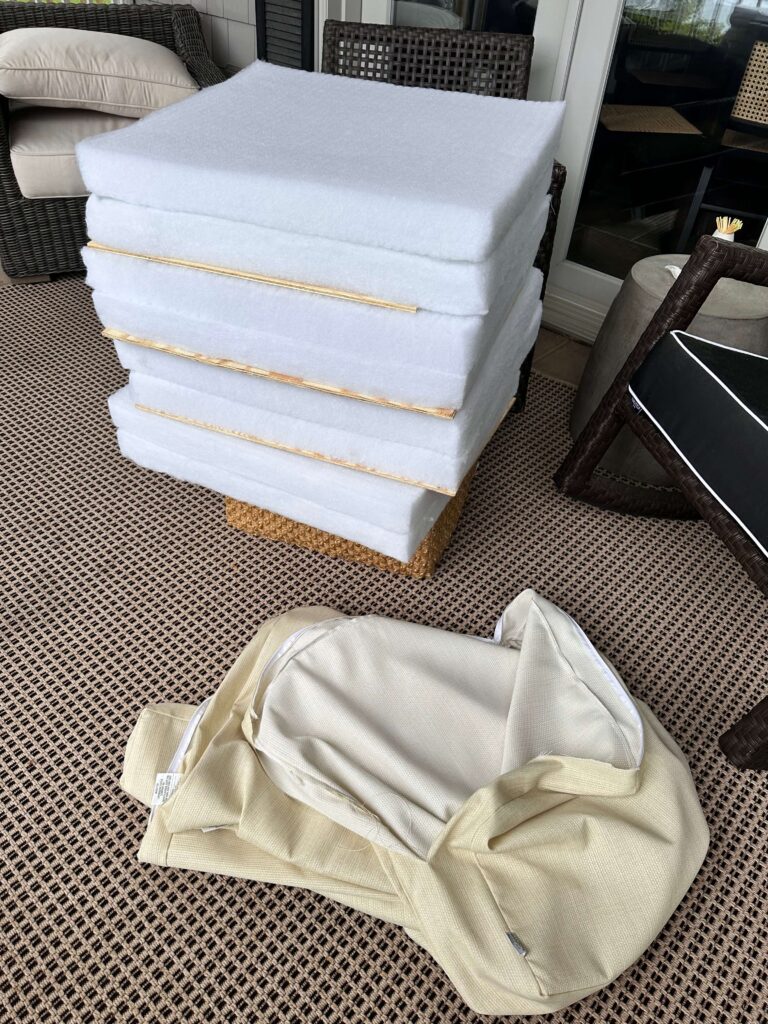
I use firm high-density foam for seats and a 1-inch softer layer on top for balance. For cushions that sit in wet areas, reticulated foam prevents mildew by letting water pass through.
Selecting outdoor fabric and treatments
Fabric choice affects look, comfort, and lifespan. Outdoor fabrics differ a lot from indoor cotton.
- Solution-dyed acrylic and marine vinyl — excellent UV resistance and mildew resistance.
- Polyester blends with a UV coating — budget-friendly but vary in durability.
- Performance fabrics labeled for outdoor use — look for mold and UV resistance.
- Consider color and pattern for fade tolerance; darker or patterned fabrics hide stains.
- Add water-repellent sprays or seam sealers for extra protection in rainy climates.
When I first switched to solution-dyed acrylic, cushions kept their color year after year. Always test a small fabric scrap for water beading and colorfastness before committing.
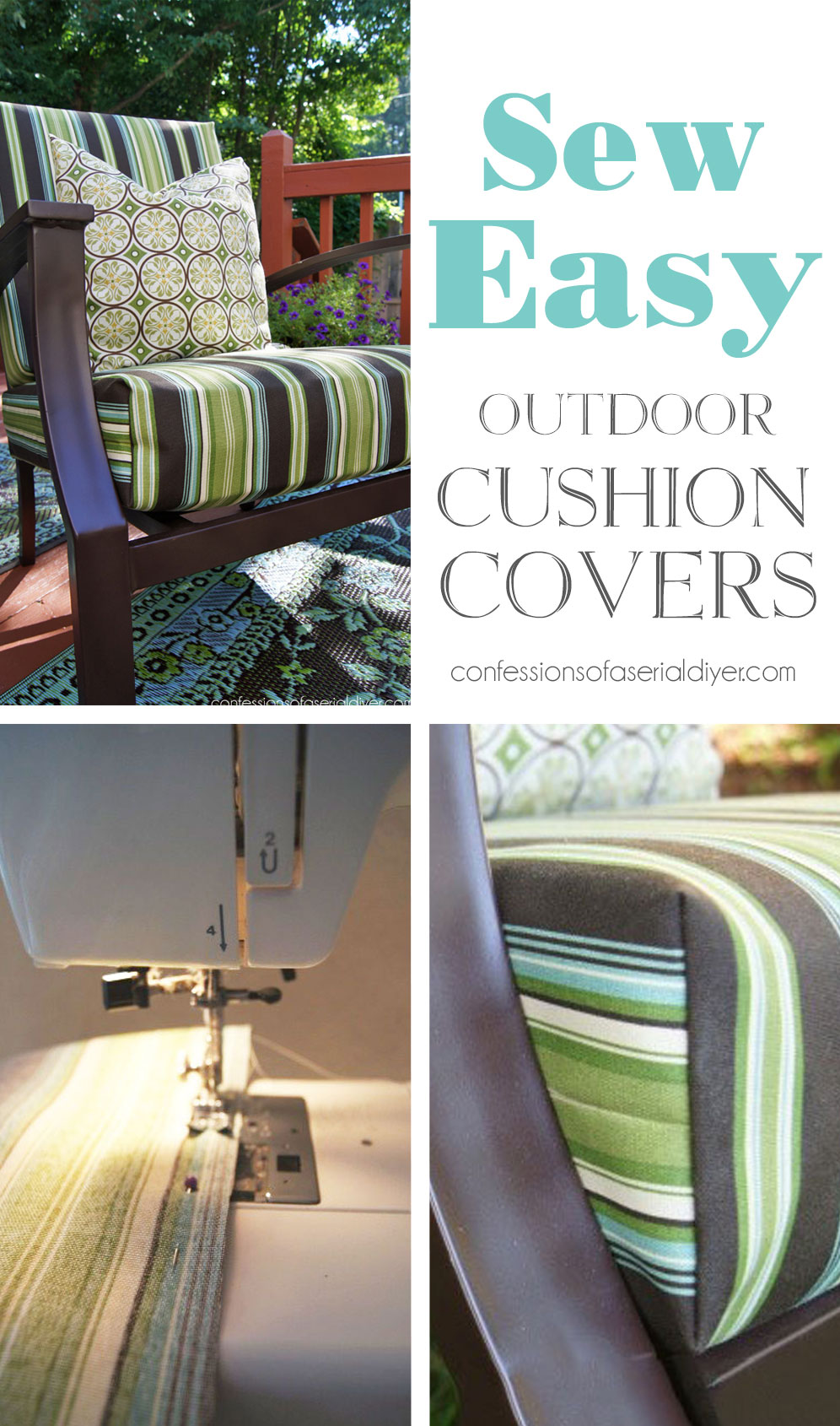
Step-by-step: How to make patio furniture cushions
Follow these steps to make a standard box cushion with a zippered removable cover.
- Measure and cut
- Cut foam to seat dimensions. Add 1 inch for seam allowance on the cover.
- Cut fabric pieces: top, bottom, and side panels for a box cushion. Add 1 inch seam allowance on all sides.
- Prepare the foam
- Wrap foam in polyester batting for softer edges and a smooth look.
- If gluing foam layers, use a light spray adhesive designed for upholstery.
- Sew the cover
- Sew the side panels to the top panel with right sides together.
- Attach the bottom panel, leaving one long side open for the zipper.
- Install a zipper on the open side, or sew in Velcro for simpler removal.
- Finish and fit
- Turn the cover right-side out. Insert the foam carefully to avoid stretching seams.
- Zip up and check for fit and shape. Trim or adjust if seams pull or fabric puckers.
I learned to stitch slowly on corners to avoid bulky seams. When you make patio furniture cushions, patience on sewing pays off with crisp corners and neat edges.
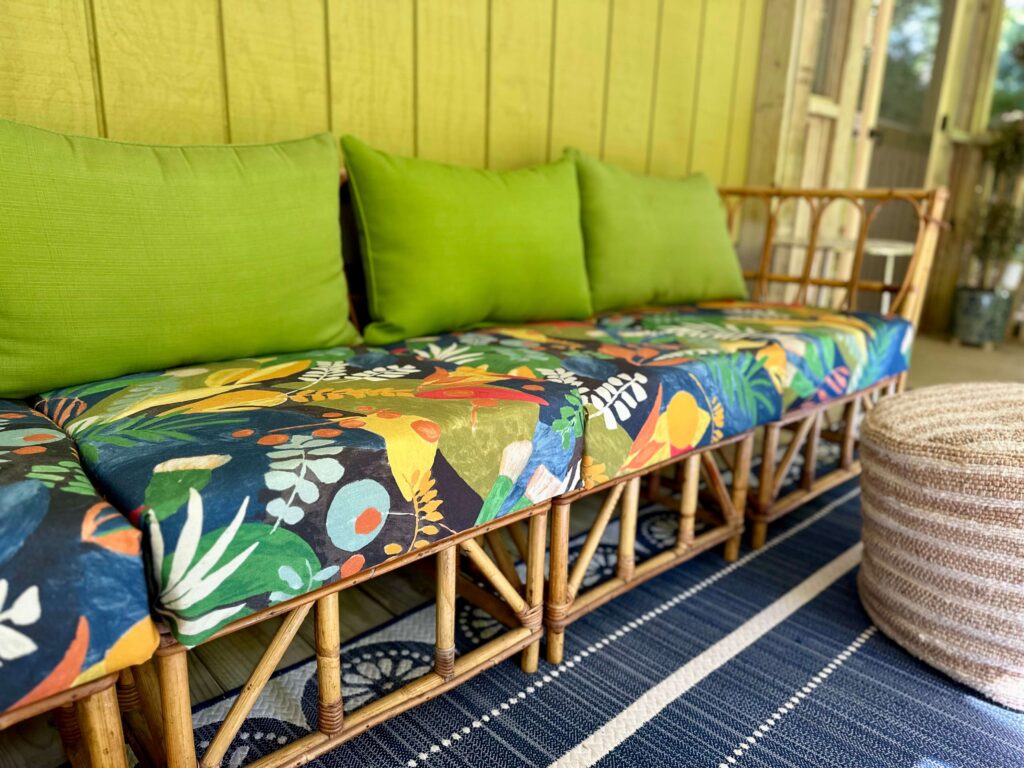
Adding closures, piping, and finishing touches
Small details raise the quality and longevity of cushions.
- Zippers — use molded or heavy-duty zippers rated for outdoor use.
- Piping — cut bias strips to add a professional edge and hide seams.
- Tie straps — sew on straps to secure cushions to furniture frames.
- Reinforce stress points with bar tacks or extra stitching.
- Apply seam sealer to inner seams if cushions will face constant moisture.
I add tie straps to every cushion that sits on a windy porch. Piping helps covers slide on and off without catching on seams.
Care, maintenance, and storage
Regular care extends cushion life and keeps them looking fresh.
- Brush off dirt and hose fabric periodically. Most outdoor fabrics tolerate mild soap.
- Remove covers for machine washing if the fabric allows; follow care labels.
- Air dry thoroughly before storing to prevent mildew.
- Store cushions indoors or in a dry bin during heavy rain or winter months.
- Re-treat fabric with water repellents every season if needed.
After one summer, I learned to store cushions in a dry shed. That simple step avoided mildew and saved me from re-covering several pieces.
Troubleshooting and common mistakes to avoid
Learn from common errors so your next cushions turn out right.
- Wrong foam density — too soft foam bottoms out quickly; choose high-density for seats.
- Underestimating seam allowance — always add at least 1 inch for seams and piping.
- Skimping on fabric — measure twice and factor pattern repeats and shrinkage.
- Ignoring colorfastness — test fabric under sunlight to prevent surprise fading.
- Poor zipper placement — avoid undersized zippers that make covers hard to remove.
When I first made cushions, I used indoor foam and replaced it after one season. Investing in the right foam pays off in comfort and durability.
Frequently Asked Questions of How to make patio furniture cushions
What fabric is best for outdoor cushions?
Solution-dyed acrylic is the top choice for UV resistance and mildew protection. Marine vinyl is great for damp environments but can be hotter to sit on.
How thick should patio cushion foam be?
Seat cushions typically range from 2 to 4 inches thick, with 3 inches being a common balance of comfort and support. Thicker foam feels plusher but costs more and can be heavy.
Can I wash outdoor cushion covers in a machine?
Many outdoor fabrics allow gentle machine washing, but always check care labels first. Zip covers closed and wash on a gentle cycle with mild soap, then air dry.
How do I prevent cushions from getting moldy?
Choose mold-resistant fabric and foam, dry cushions fully before storing, and use breathable storage. For areas with frequent rain, consider quick-dry foam or storing cushions indoors.
Do I need special thread or needles for sewing outdoor fabric?
Yes. Use UV-resistant outdoor thread and a heavy-duty needle for the sewing machine to handle thick fabric and multiple layers. This prevents skipped stitches and broken thread.
Conclusion
Making your own patio cushions saves money and lets you choose comfort, color, and durability. Follow clear measurements, pick the right foam and outdoor fabric, and take care with sewing and finishing to achieve long-lasting results. Try a single cushion project first to build confidence, then scale up to a full set. If you enjoyed this guide, subscribe for more DIY outdoor projects or leave a comment sharing your cushion build tips.

Daniel Hart is a consumer product analyst who specializes in mattress technology, smart bedding, and home comfort innovation. Before joining Royal Comport, Daniel worked with several e-commerce research teams, testing and comparing sleep products for quality, value, and long-term performance. He brings data-driven insight and real-world testing to every review he writes.


