

Make durable, water-resistant lawn furniture cushions with outdoor fabric and high-density foam.
I’ve built dozens of cushions for my own patio and for friends. In this guide I will walk you through how to make lawn furniture cushions step-by-step. You’ll learn how to choose fabric, cut foam, sew covers, and add weatherproofing. I explain tools, common mistakes, and quick tips I learned the hard way so your cushions last through sun and rain. Read on to make comfortable, attractive cushions for any outdoor seat.
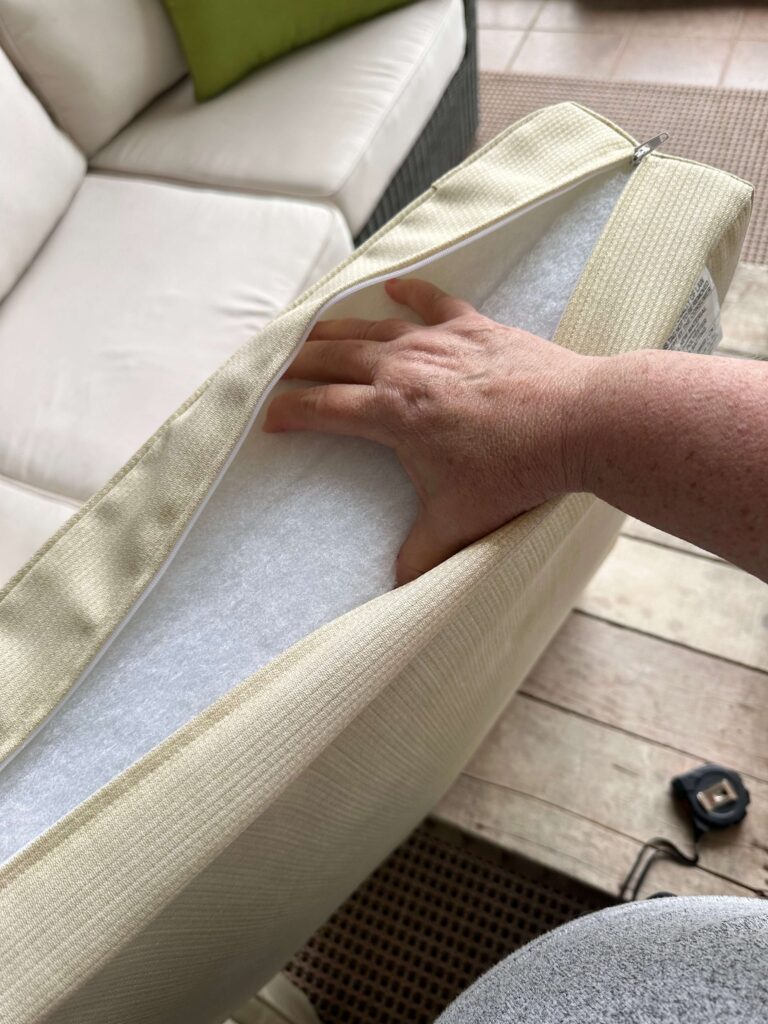
Materials and tools you’ll need
Start with a clear list. Gather items before you begin.
- Fabric: solution-dyed acrylic or outdoor-grade polyester for UV and mildew resistance.
- Foam: high-density foam for seat cushions (2–4 lb density). Use lower-density for back cushions.
- Batting or polyester wrap: for rounded edges and comfort.
- Zippers or Velcro: outdoor zippers resist rust.
- Thread: heavy-duty polyester thread.
- Tools: measuring tape, fabric scissors, utility knife or electric foam cutter, sewing machine that handles heavy fabric, straight pins or clips, chalk or fabric marker, ruler or square, spray adhesive.
- Optional: piping cord, corner ties, protective spray.
I prefer solution-dyed acrylic. It resists fading and dries fast. For foam, I use a 3 lb high-density for chairs and 4 lb for bench seats. These choices help cushions keep their shape.

Choosing fabric and foam for outdoor use
Choose fabrics and foam that withstand the elements. Pick materials by where you live and how you use the cushions.
- Fabric choices and traits
- Solution-dyed acrylic: best for fade resistance and mildew control.
- Outdoor polyester: budget-friendly, less fade resistance.
- Sunbrella-like blends: high quality, easy to clean.
- Water-repellent coatings: add protection but can wear off over time.
- Foam types and traits
- High-density polyurethane foam: comfortable and supportive.
- Quick-dry foam: has channels for drainage; great for wet climates.
- Memory foam: not ideal for outdoors because it traps water.
- Thickness guidelines
- Dining chair: 2–3 inches of foam.
- Lounge chair: 3–4 inches.
- Bench: 3–6 inches depending on frame and use.
From experience, using quick-dry foam in humid areas avoids mold. If you want firmness, choose higher-density foam. Soft foam compresses fast.
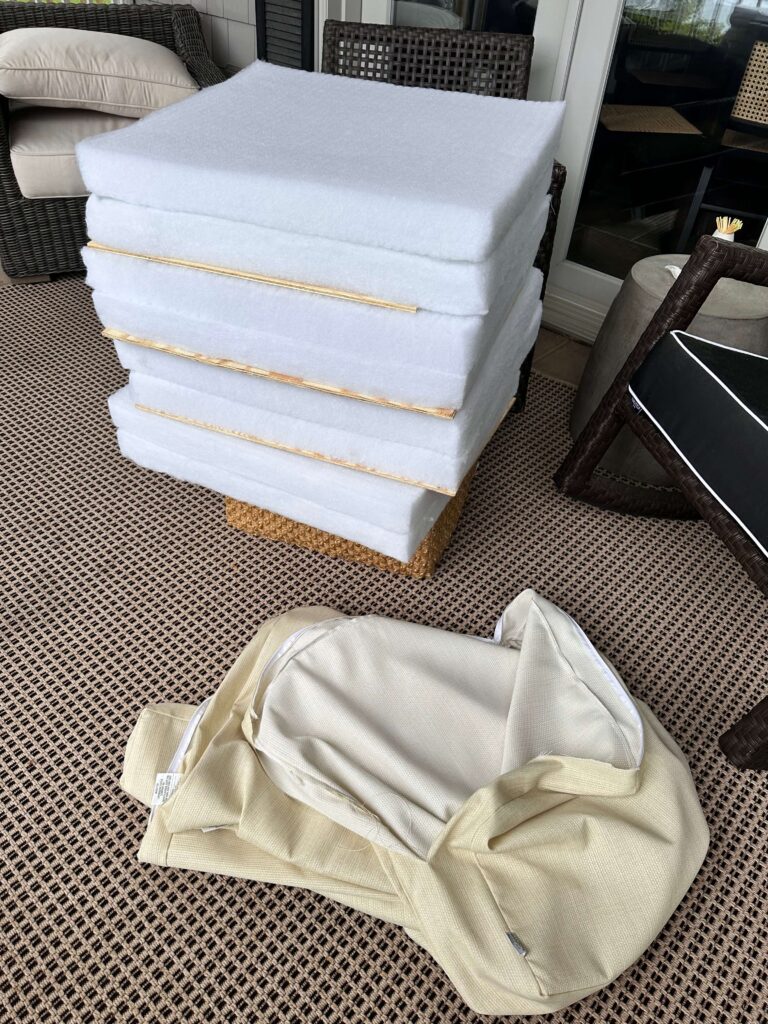
Measuring and cutting accurately
Good fit starts with good measurements. Measure twice, cut once.
- Measure the seat or back.
- Width, depth, and corner radiuses.
- Account for seam allowance: add 1 inch per side for seams and zipper.
- Create a pattern.
- Use craft paper or cardboard.
- Trace seat shape and mark seam allowance.
- Cutting fabric and foam.
- Lay fabric wrong side up and pin pattern.
- Cut carefully with fabric shears.
- Use a sharp utility knife or electric cutter for foam.
I once cut foam without measuring corner radiuses and the cover didn’t align. Making a simple paper pattern fixed the problem quickly.
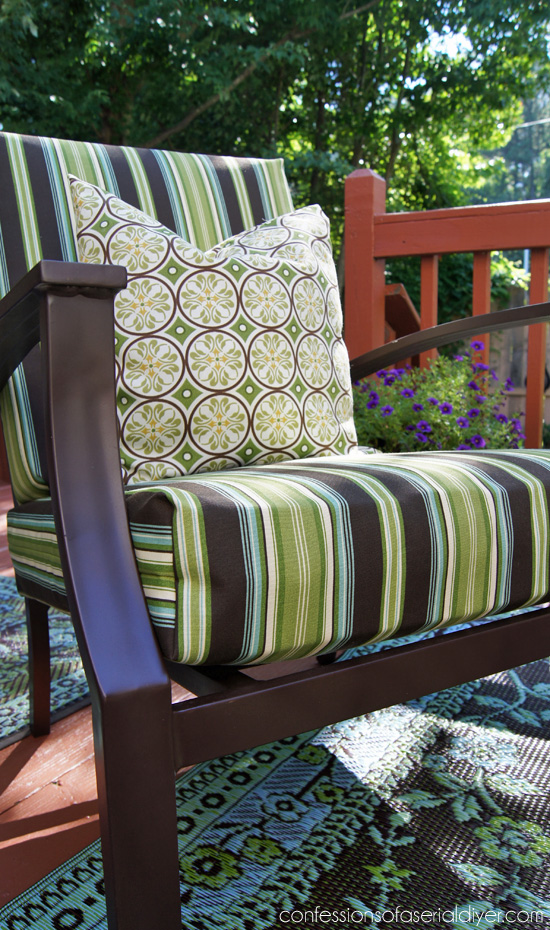
Sewing cushions step-by-step
Sewing is easier than it looks. Take it slow and use clips instead of pins for thick fabric.
- Preparing the cover
- Iron fabric if needed.
- Mark zipper placement on the seam.
- Sew piping first if using it.
- Sewing sequence
- Sew piping to the top edge if desired.
- Sew top and bottom pieces together on three sides.
- Insert zipper along the fourth side, leaving the zipper head toward a corner.
- Finish seams with a zigzag or serger to prevent fraying.
- Inserting foam and finishing
- Slide foam into the cover; compress the foam gently.
- Add polyester wrap or batting over foam for softer edges.
- Close zipper, check fit, and adjust if bulging occurs.
Use clips to hold heavy fabric. My machine needed a walking foot on thick fabric. A slow stitch and a heavy-duty needle reduce skipped stitches.
Weatherproofing and protective finishes
Weatherproofing extends cushion life. Use both material choices and add-on finishes.
- Permanent protection
- Choose solution-dyed fabric and quick-dry foam from the start.
- Add-on treatments
- Spray-on water repellents help bead water.
- Mold and mildew inhibitors protect foam and fabric.
- Design choices to reduce damage
- Add zippers for removable covers and easy cleaning.
- Include ties or non-slip backing to keep cushions in place.
I treat covers with a fabric protector the first season. It adds a little water resistance and helps dirt rinse off.
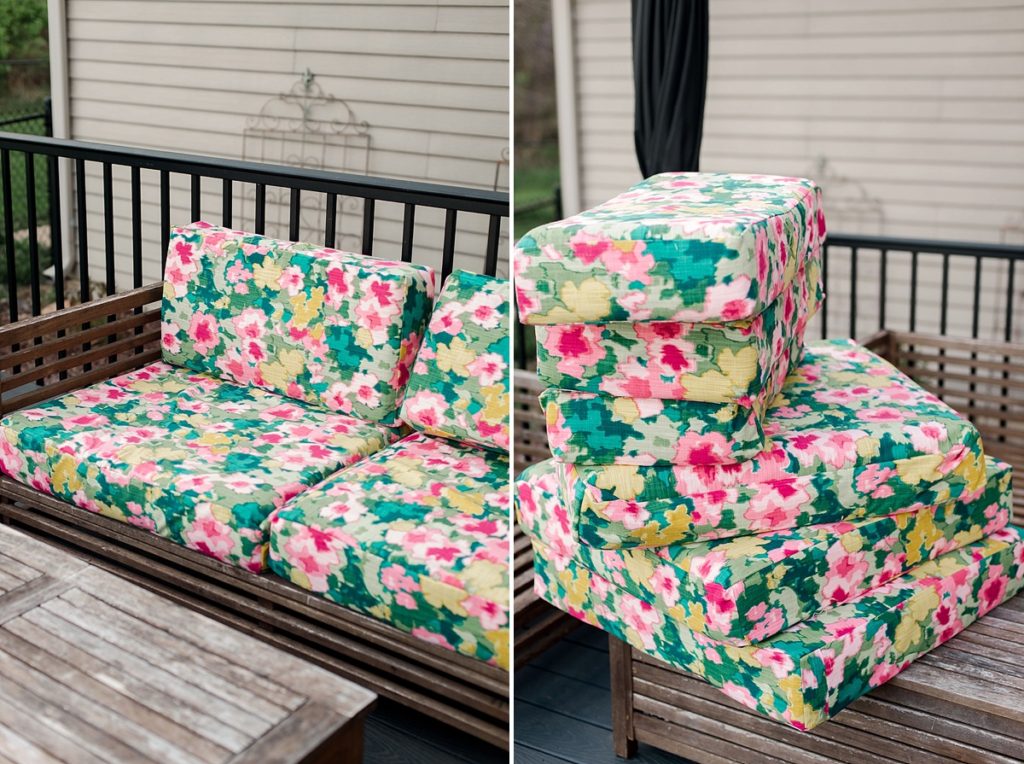
Care, maintenance, and storage
Regular care keeps cushions fresh. Small actions prevent big problems.
- Cleaning tips
- Spot clean with mild soap and water.
- Remove cover and machine wash if the fabric allows.
- Air dry fully before storing to prevent mold.
- Seasonal storage
- Store cushions in a dry place in winter.
- Use breathable bags instead of plastic to avoid trapping moisture.
- Repair tips
- Patch small tears quickly.
- Replace foam cores if they sag or hold odors.
I store cushions in a garage shelf in breathable bins. That stopped mildew and saved cushions for years.

Troubleshooting and common mistakes
Learn from common pitfalls to save time and money.
- Cushion too lumpy after sewing
- Likely uneven foam or loose batting. Re-stuff or add a thin foam layer.
- Cover too tight or too loose
- Recheck seam allowance. Add 1/2 inch if too tight.
- Zipper trouble
- Use a heavy-duty outdoor zipper. Sew it in slowly and topstitch for strength.
- Fabric fading fast
- Switch to solution-dyed acrylic and avoid constant direct sun.
A big mistake I made early on was skipping a zipper. Removing foam for cleaning was then impossible. Always add a zipper.
Design ideas and personalization
Make cushions that match your style and space.
- Ideas for patterns and shapes
- Square seat cushions with round piped edges.
- Rectangular bench cushions with tufting.
- Bolster pillows for chaise lounges.
- Color and print tips
- Use solids for a calm look.
- Add one printed accent cushion for flair.
- Small upgrades
- Add loops or ties to secure cushions.
- Sew in handles for easy carrying.
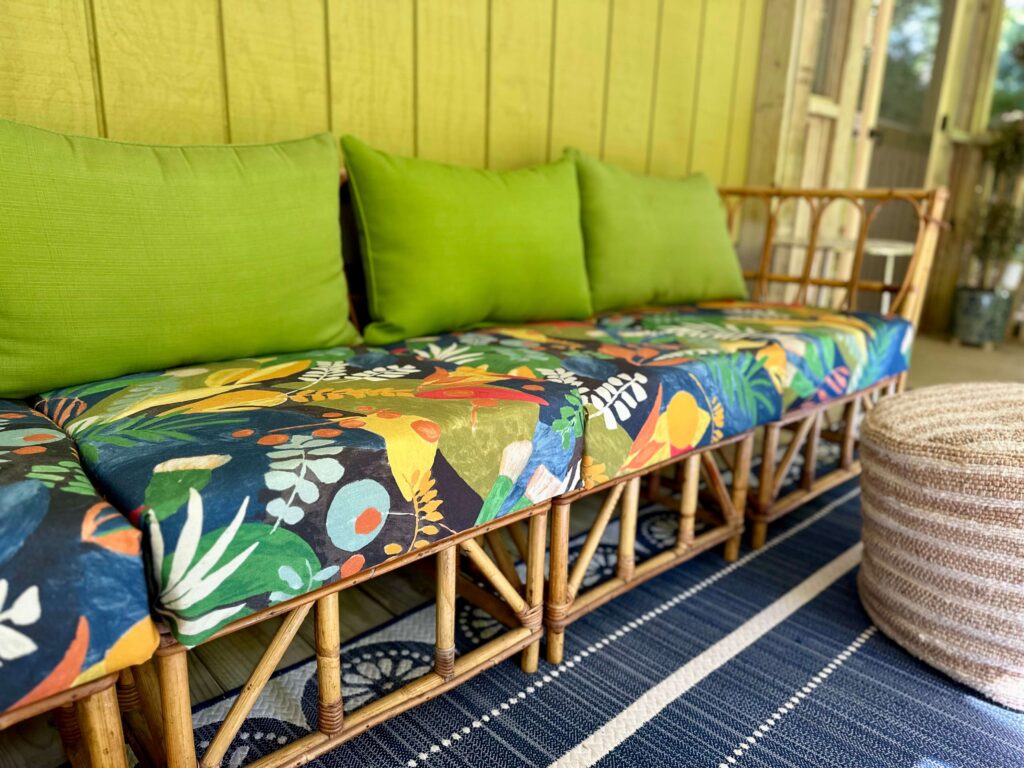
Personalize by mixing solids and prints. I used a navy solid with a tropical print for my patio. It brightened the space and hides stains well.
Frequently Asked Questions of How to make lawn furniture cushions
What fabric is best for outdoor cushions?
Solution-dyed acrylic is best for outdoor cushions because it resists UV fading, mildew, and wear. Outdoor-grade polyester is cheaper but less durable in sun.
How thick should foam be for a patio chair?
For most patio chairs, 2 to 3 inches of high-density foam works well. Use 3 to 4 inches for lounge chairs and benches for more comfort.
Can I make cushions without a sewing machine?
Yes, you can sew by hand but it is slower and less durable. Use heavy-duty hand stitches and strong thread if you must.
How do I prevent mold on cushions?
Choose quick-dry foam and solution-dyed fabric, air cushions fully before storage, and use breathable storage bags to prevent mold. Treat with mildew inhibitors if needed.
Are removable covers important?
Removable covers make cleaning simple and extend cushion life. Always add a zipper or hook-and-loop closure for easy removal.
Conclusion
You can make comfortable, durable lawn furniture cushions with a small budget and the right approach. Start with outdoor fabric and the right foam. Measure carefully, use a good pattern, and sew slowly. Add a zipper for easy cleaning and treat fabrics for extra protection. Try one simple cushion first to practice, then scale up. Make a plan, gather materials, and enjoy the satisfaction of custom cushions that fit your space and style. Share your results, subscribe for more DIY guides, or leave a comment about your project.

Daniel Hart is a consumer product analyst who specializes in mattress technology, smart bedding, and home comfort innovation. Before joining Royal Comport, Daniel worked with several e-commerce research teams, testing and comparing sleep products for quality, value, and long-term performance. He brings data-driven insight and real-world testing to every review he writes.


