

Make couch cushions at home with simple sewing, the right foam, and durable fabric.
I have been making cushions for years and will walk you through how to make cushions for couch step by step. I know what materials work, what mistakes to avoid, and how to get professional-looking results on a budget. Read on to learn clear, tested methods for measuring, cutting, stuffing, sewing, and finishing cushions that fit your couch and your life.
Materials and tools you need
When you learn how to make cushions for couch, having the right materials saves time and gives better results. Below is a concise list of what I use most often and recommend for beginners.
- Fabric
- Upholstery-weight cotton, linen, canvas, or outdoor fabric for durability.
- Remnant pieces work for small accent cushions.
- Filling
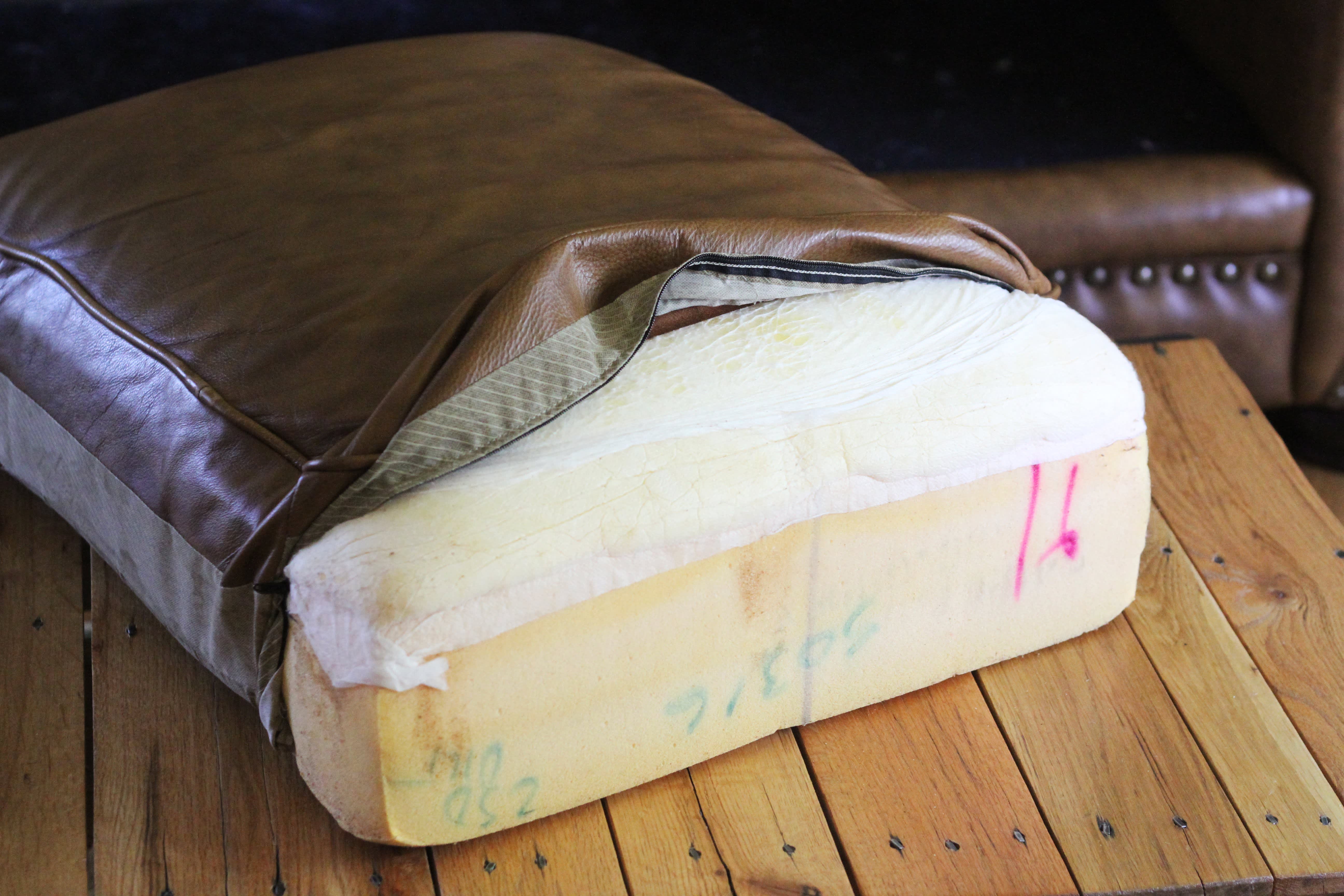
- High-density foam for seat cushions.
- Polyester fiberfill or a down alternative for throw cushions.
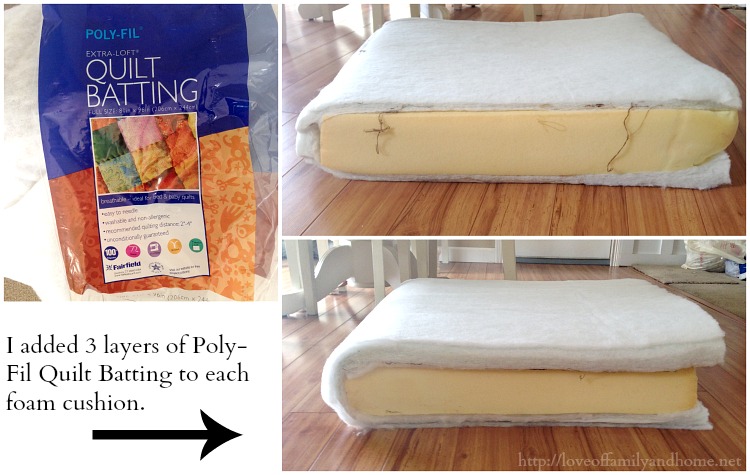
- Foam wrap or batting to soften edges.
- Hardware and notions
- Zippers (invisible or regular), Velcro, or envelope closures.
- Upholstery thread and heavy-duty needles.
- Tools
- Sewing machine capable of handling thick fabric.
- Scissors or rotary cutter and cutting mat.
- Measuring tape, pins, chalk or fabric marker, ruler.
- Spray adhesive for foam (optional).
- Safety items
- Thimble, safety glasses when cutting foam, and a dust mask for batting.
I always stock a few zippers and matching thread. That small step made my cushions last longer.
Choosing dimensions and cushion types
Deciding how to make cushions for couch starts with size and type choices. The right choices make cushions comfortable and visually balanced.
- Measure the couch
- Measure seat depth, width, and back height.
- Account for armrests and any gaps between cushions.
- Common cushion types
- Seat cushions: firm foam core with removable cover.
- Back cushions: softer fill or loose fiber for comfort.
- Throw cushions: decorative and small, often 16–22 inches square.
- Thickness and firmness
- Seat cushions: 3–6 inches depending on foam density.
- Back cushions: 4–8 inches with softer fill.
- Allowances
- Add 1 inch to width and height for seams and ease.
- If using foam insert, size cover to be 1/4–1/2 inch smaller for a snug fit.
When I built cushions for my sectional, measuring twice prevented re-cutting foam and saved hours.
Step-by-step: how to make cushions for couch
Follow these steps to make a basic seat cushion with a removable cover. The same ideas extend to backs and throws.
- Plan and measure
- Measure the seat length, depth, and desired height.
- Note any taper or curve on your couch.
- Cut foam
- Mark foam with a ruler and cut with a serrated knife or electric foam cutter.
- Wrap and glue layers if you need extra thickness.
- Cut fabric
- Add seam allowance (usually 1/2 inch) plus any piping allowance.
- Cut top, bottom, and side panels. For boxed cushions, cut a strip for the sides equal to perimeter length plus seam.
- Sew the cover
- Assemble top to side, then bottom to side, leaving one seam open for zipper or closure.
- Reinforce corners and stress points with backstitching.
- Insert zipper or closure
- Sew zipper into the open seam or use an envelope closure for a no-sew zipper option.
- Finish and insert foam
- Turn cover right-side out, press seams lightly, and slide foam inside.
- Add batting around foam for rounded corners if desired.
I learned early to test-fit the foam before adding piping. That small check avoids tight zippers and wrinkled fabrics.

Sewing techniques and finishing touches
Good sewing makes cushions look intentional and last longer. These finishing touches elevate a homemade cushion to a professional look.
- Piping and welting
- Adds definition to edges. Use cord and bias-cut fabric for smooth curves.
- Boxed corners
- Create crisp edges by folding and sewing square corners. Measure the desired corner depth.
- Tufting
- For a classic look, use buttons or ties to pull the center down into the foam. Mark grid points carefully.
- Zippers and closures
- Invisible zippers give a clean look. Heavy-duty zippers last longer on seat cushions.
- Reinforcement
- Add interfacing or extra fabric in high stress areas. Double-stitch seams for seats that see heavy use.
A friend once suggested skipping piping. I tried it and regretted it; piping made the cushions look custom and much more durable.
Care, maintenance, and durability
After you make cushions for couch, care extends their life and keeps them hygienic. Simple routines protect fabric and foam.
- Rotation and flipping
- Rotate cushions weekly for even wear. Flip if covers allow.
- Cleaning
- Vacuum fabric regularly. Spot clean according to fabric care labels.
- Remove covers and machine wash if the fabric permits. Use a gentle cycle.
- Foam care
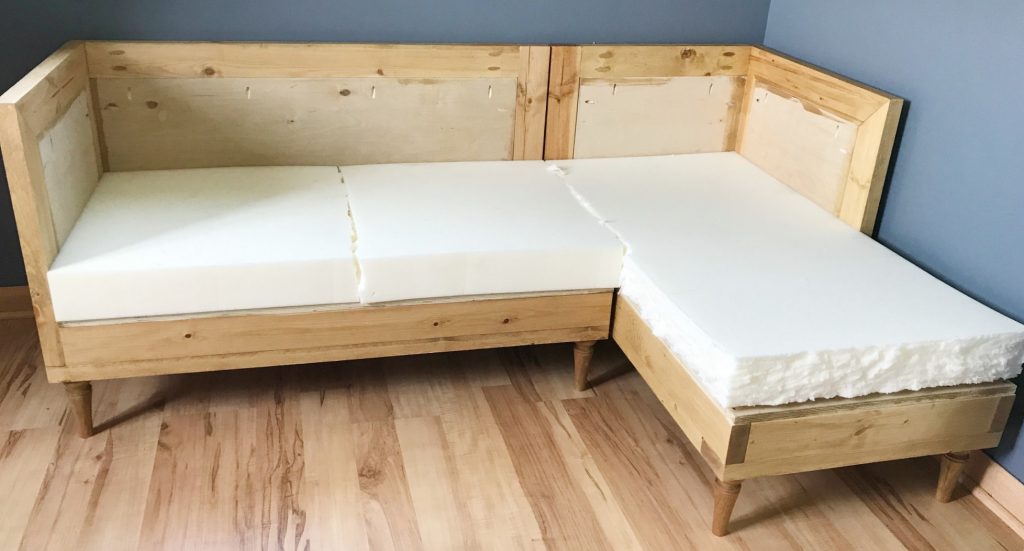
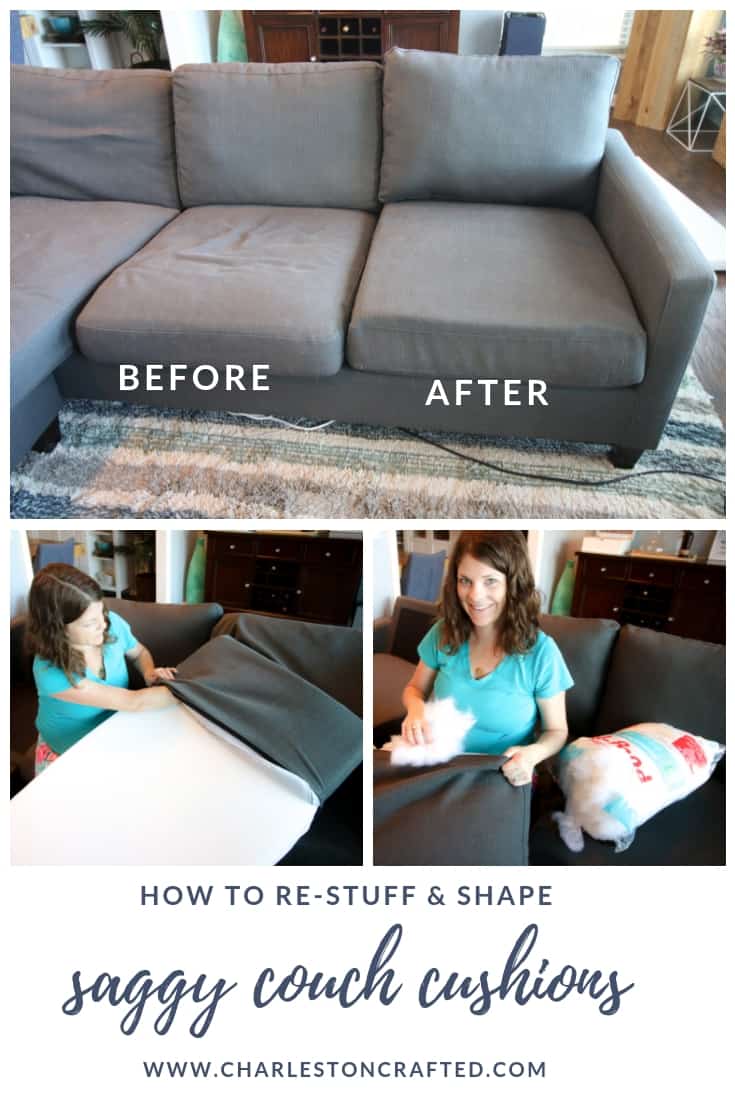
- Air foam occasionally. Replace foam when it loses support or becomes lumpy.
- Fabric protection
- Use fabric protectors for spills. Consider performance fabrics for homes with kids or pets.
I keep spare covers for the cushions I use daily. It makes washing simple and keeps cushions tidy.
Common mistakes and troubleshooting
These are the pitfalls I and others have run into when learning how to make cushions for couch. Fixes are quick once you know them.
- Wrong foam density
- Problem: cushions feel too soft or too hard. Fix: choose foam based on seat use; denser foam for high-use seats.
- Poor measurements
- Problem: covers too tight or too loose. Fix: add seam allowance and test-fit before final sewing.
- Weak seams
- Problem: seams split at stress points. Fix: double-stitch and use stronger thread or reinforcement patches.
- Zipper too short or misplaced
- Problem: hard to insert foam. Fix: install a full-length zipper for easy removal and re-insertion.
- Fabric stretch or shrink
- Problem: misshapen cushions after washing. Fix: pre-wash fabric and choose stable, low-shrink materials.
When my first cover shrunk in the dryer, I started pre-washing all fabric. That one habit prevented many re-makes.
Materials cost and time estimates
Knowing costs and time helps you plan a cushion project and decide whether to DIY or buy.
- Cost factors
- Fabric: $10–$50 per yard depending on quality.
- Foam: $20–$100 per cushion depending on size and density.
- Zippers and notions: $2–$10 each.
- Typical project costs
- Small throw cushion: $10–$30.
- Standard seat cushion: $30–$100.
- Time estimates
- Throw cushion: 1–2 hours.
- Seat cushion (cut foam, sew cover): 2–4 hours per cushion.
- Ways to save
- Use fabric remnants, buy foam by the sheet, or make simple envelope covers.
I once reduced a couch project cost by 30% by mixing remnant fabrics with one consistent color. It looked cohesive and saved money.
Frequently Asked Questions of How to make cushions for couch
What type of foam is best for couch seat cushions?
High-density foam (1.8–2.5 lb/ft³) is best for seat cushions because it keeps shape and provides support. Softer foams are fine for back cushions or decorative pillows.
How much seam allowance should I add when making cushion covers?
Use 1/2 inch seam allowance for most cushions, and 3/8 inch if your machine is precise. Add extra if you plan piping or topstitching.
Can I wash cushion covers in a washing machine?
Many removable covers can be machine washed on a gentle cycle, but always check the fabric care. Use cold water and lay flat to dry to avoid shrinkage.
How do I measure for a snug cushion cover?
Measure the foam width and height, then subtract 1/4 to 1/2 inch from each dimension for a snug fit. Test with a muslin or scrap fabric before cutting your main fabric.
Is it better to use a zipper or an envelope closure?
Zippers provide a neater look and easier foam removal, while envelope closures are simpler and need no hardware. For seat cushions, zippers are usually best.
How often should I replace foam in couch cushions?
Replace foam when it sags, becomes uneven, or loses support; this is often after 3–8 years depending on use. Rotating cushions can extend foam life.
Conclusion
Making cushions for couch is a rewarding DIY project that combines comfort, style, and savings. Measure carefully, choose the right foam and fabric, and follow simple sewing steps for long-lasting results. Start with one cushion to build confidence, then expand to a full set. If you enjoyed this guide, try a small project this weekend, share your results, or leave a comment with questions.

Daniel Hart is a consumer product analyst who specializes in mattress technology, smart bedding, and home comfort innovation. Before joining Royal Comport, Daniel worked with several e-commerce research teams, testing and comparing sleep products for quality, value, and long-term performance. He brings data-driven insight and real-world testing to every review he writes.


