
How to make chair cushions: measure, cut fabric, sew a cover, add foam or batting, and finish.
I’ve made dozens of chair cushions for my home and clients, so I know what works and what wastes time. This guide covers How to make chair cushions from choosing materials to sewing, stuffing, and attaching cushions that look great and last. Read on for step-by-step methods, pro tips, and practical troubleshooting so you can make cushions that fit, feel, and perform exactly how you want.

Materials and Tools Needed
To start learning How to make chair cushions, gather the right supplies. Working with proper tools saves time and improves results. Here’s a concise materials list to prepare before you cut fabric or foam.
- Fabric: outdoor fabric for patio cushions or durable upholstery fabric for indoor seats.
- Foam: high-density foam for firm support or soft foam for plush cushions.
- Batting: polyester or cotton batting to smooth edges and add loft.
- Thread and needle: heavy-duty polyester thread and a sharp upholstery needle.
- Tools: sewing machine (heavy-duty if possible), fabric scissors, rotary cutter and mat, tape measure, pins or clips, marker or chalk.
- Fastenings: zipper, Velcro, ties, or buttons depending on attachment preference.
- Optional: piping cord, foam adhesive spray, non-slip fabric for chair base.
How to make chair cushions well starts with prepping these items. Measure twice and buy extra fabric to allow for mistakes and pattern alignment.

Choosing the Right Materials
Choosing materials impacts comfort, durability, and appearance when you make chair cushions. Match materials to the chair’s use and environment.
- For outdoor cushions, use weather-resistant fabric and quick-dry foam to avoid mold.
- For dining chairs, select medium-density foam with a durable fabric that can handle spills.
- For occasional seating, softer foam with batting gives a plush feel.
- Consider fabric weight: 8–12 oz per square yard is typical for upholstery.
- Pick matching thread and strong seams to prevent tearing over time.
From personal experience, I once used light-weight fabric on a kitchen chair and had seams blow out within months. Investing in the correct fabric and foam pays off.
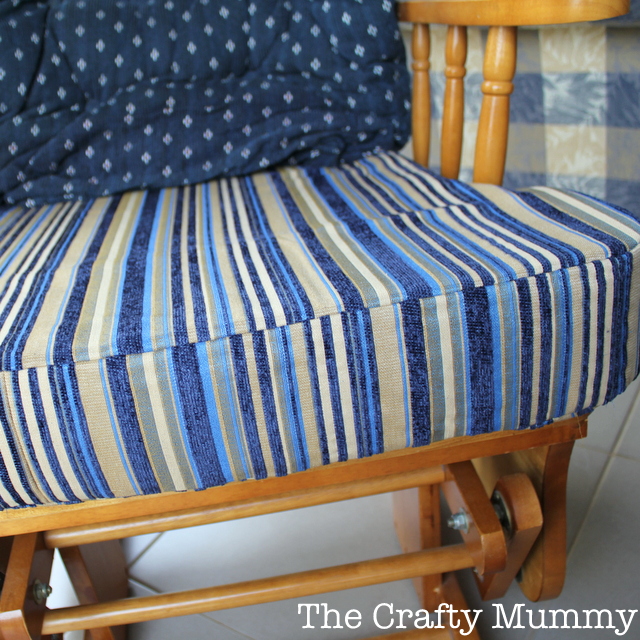
Step-by-Step: How to Make Chair Cushions
Follow these steps to make chair cushions that fit and perform well. Each step is short and actionable.
- Measure and plan
- Measure seat width, depth, and desired thickness. Measure where cushion will sit, not just the visible area.
- Add 1 inch seam allowance around each side and extra for piping or ties.
- Create a pattern
- Trace the seat onto paper or use cardboard to make a template.
- Mark corners and curves accurately for a snug fit.
- Cut foam and batting
- Cut foam using a serrated knife or electric cutter.
- Wrap foam in batting for rounded edges and even padding.
- Cut fabric pieces
- Place pattern on fabric, aligning patterns or nap.
- Cut top, bottom, and side strips; include seam allowances.
- Sew cover
- Sew side strip to top panel, matching edges and easing curves.
- Attach bottom panel, leaving an opening for foam insertion or for a zipper.
- Reinforce corners and stress points with backstitches.
- Insert foam and finish
- Insert foam carefully. Adjust batting to eliminate lumps.
- Close opening by installing a hidden zipper, sewing closed, or adding ties.
- Attach to chair
- Add ties, Velcro, or non-slip backing as needed to secure cushion to chair.
When I first tried to make chair cushions, I skipped using batting and the edges looked boxy. Adding batting smoothed the shape instantly.

Cutting and Sewing Tips
Small details make a big difference when you make chair cushions. These tips reduce errors and improve durability.
- Use a rotary cutter for straight edges and a serrated knife for foam.
- Clip curves on the fabric allowance to help the fabric lie flat over rounded corners.
- Use a walking foot on your sewing machine to feed heavy fabric evenly.
- Double-stitch seams or add a second row of topstitching for reinforcement.
- Press seams open where possible to reduce bulk and create cleaner edges.
Avoid common mistakes like cutting fabric on the bias by accident. Label fabric pieces to keep top and bottom oriented correctly.
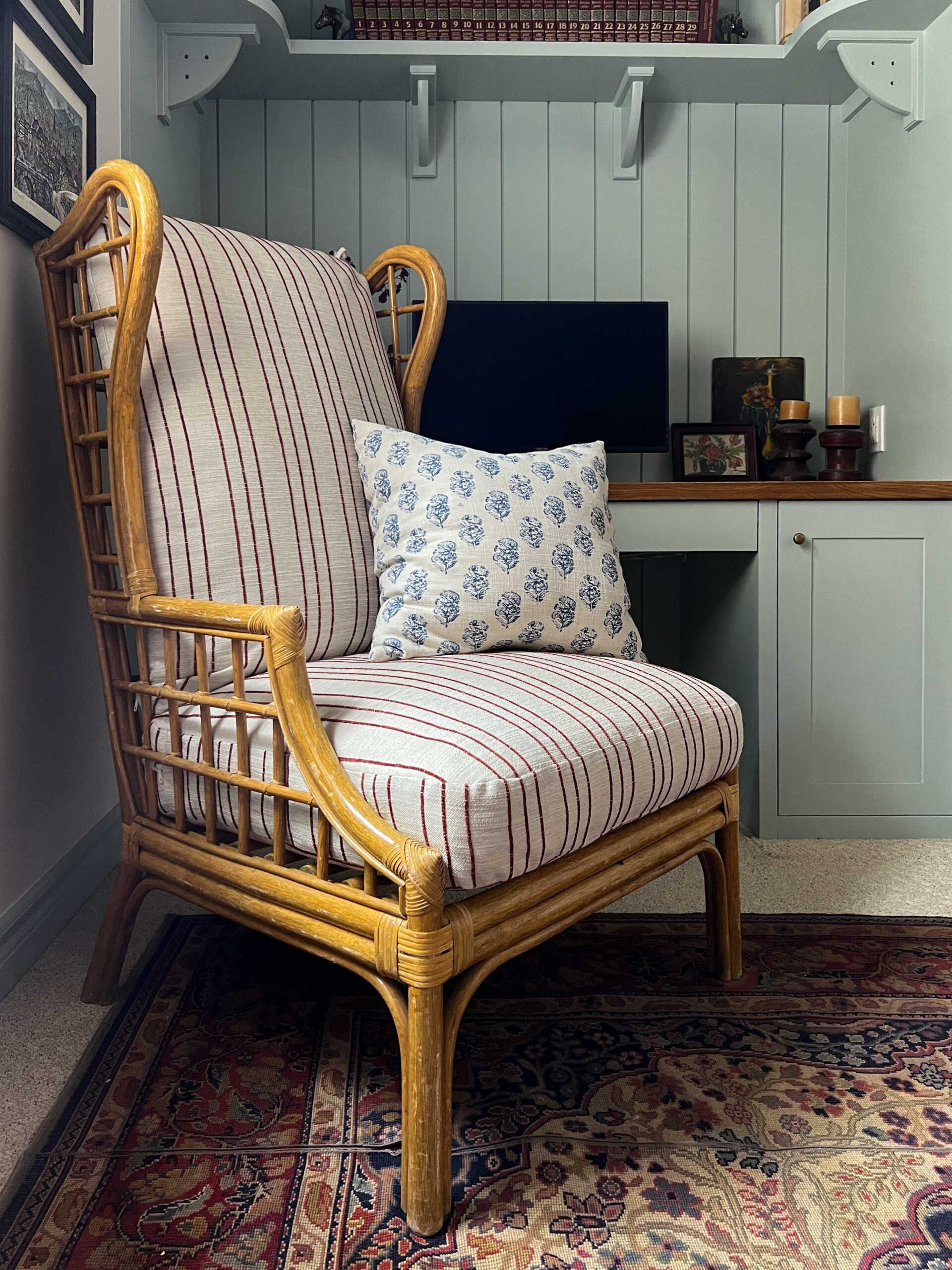
Filling, Finishing, and Attachment Methods
Selecting the right filling and attachment method is key when you make chair cushions that stay in place and remain comfortable.
- Foam types
- High-resilience foam for frequent use and shape retention.
- Memory foam for contouring comfort, often combined with a foam base.
- Batting and wrap
- Polyester batting adds softness and evens edges.
- Dacron wrap around foam gives a tailored look without harsh corners.
- Closures and attachments
- Zippers allow removable covers for washing.
- Ties and Velcro secure cushions to chairs without permanent alterations.
- Non-slip fabric under the base prevents sliding on smooth chairs.
I prefer zippers for indoor cushions and ties for outdoor seating. Zippers make washing covers easy, while ties reduce the need to remove covers in windy weather.

Common Mistakes and Troubleshooting
Mistakes are part of learning how to make chair cushions. Here are problems I’ve encountered and how to fix them.
- Cushion too small or too large
- Re-measure the seat and use a cardboard template before cutting fabric again.
- Fabric puckering at seams
- Reduce stitch length and use more clips; press seams to relax fibers.
- Foam shifting inside the cover
- Add a Dacron wrap or sew internal straps to keep foam in place.
- Corners too pointy or flat
- Add extra batting at corners and clip seam allowances for curve easing.
- Cover doesn’t close neatly
- Install a zipper or add a flap for a cleaner finish if hand-stitching leaves gaps.
When I once had a puckered side seam, switching to a walking foot fixed the issue for all following cushions. Small tool changes save time.

Frequently Asked Questions of How to make chair cushions
How thick should cushions be for dining chairs?
Dining chair cushions typically range from 1.5 to 3 inches thick depending on desired firmness and seat height. Choose medium-density foam for balanced support and comfort.
Can I wash cushion covers made when I make chair cushions?
Yes, if you install a zipper or removable cover you can machine wash most fabric covers; always follow fabric care instructions. Use gentle cycles and line-dry to protect fabric and zippers.
What foam is best for outdoor cushions?
Quick-dry or reticulated foam is best for outdoor cushions because it allows water to drain and resists mold. Combine with water-resistant fabric for longest life.
Do I need a sewing machine to make chair cushions?
You can hand-sew simple cushions, but a sturdy sewing machine speeds the process and creates stronger seams. A heavy-duty machine or walking foot is ideal for thick or layered fabrics.
How do I attach cushions to slippery chairs?
Use ties, non-slip fabric underlays, or Velcro strips to secure cushions to slippery chairs. Sewing straps or adding anti-slip pads works well for both indoor and outdoor chairs.
How do I prevent foam from breaking down quickly?
Use high-density foam and protect it with a Dacron wrap or batting to reduce friction and wear. Rotate cushions periodically and avoid prolonged exposure to direct sunlight.
Conclusion
Making your own cushions gives you control over comfort, style, and durability. By following clear steps on How to make chair cushions—measuring carefully, choosing the right materials, and sewing thoughtful finishes—you can create cushions that look professional and last. Try one cushion first, learn from small mistakes, and then scale up to full sets. Share your results, ask questions, or subscribe for more DIY guides to improve your craft.

Daniel Hart is a consumer product analyst who specializes in mattress technology, smart bedding, and home comfort innovation. Before joining Royal Comport, Daniel worked with several e-commerce research teams, testing and comparing sleep products for quality, value, and long-term performance. He brings data-driven insight and real-world testing to every review he writes.


