

Are you ready to transform your living room into a space that feels both stylish and comfortable? How your living room is laid out can change everything—from how you relax to how you entertain guests.
But where do you start? You might feel overwhelmed by all the furniture options and design ideas out there. Don’t worry—this guide breaks down simple, designer-approved techniques that anyone can use. By the end, you’ll have clear steps to create a living room layout that works perfectly for your space and lifestyle.
Keep reading to unlock the secrets to a balanced, inviting living room that truly feels like home.
Key Principles Of Living Room Layout
Designing a living room layout requires careful thought. The key principles guide you to create a space that feels both comfortable and stylish. These principles help you make the best use of space and highlight the room’s best features. Following these ideas ensures your living room looks great and works well for daily life.
Balancing Function And Style
Every living room needs to serve a purpose. Think about how you will use the space. Arrange furniture so it is easy to move around. Choose pieces that look good and fit your lifestyle. Keep the room neat and comfortable for relaxing or entertaining. Balance means the room feels welcoming and works well.
Maximizing Space Efficiency
Use the available space wisely. Avoid crowding the room with too many items. Pick furniture that fits the size of your living room. Use storage solutions to keep clutter out of sight. Open spaces make the room feel bigger and more inviting. Efficient layouts save space and improve flow.
Establishing A Focal Point
A focal point draws attention and gives the room purpose. It can be a fireplace, a large window, or a TV. Arrange seating around this feature to create a natural gathering spot. The focal point helps organize the layout and adds visual interest. It anchors the room and makes it feel complete.

Credit: dazzleree.com
Choosing The Right Furniture
Choosing the right furniture shapes the entire feel of your living room. It sets the tone and defines how the space works. The right pieces create a welcoming and balanced space. They bring style and comfort together. This section guides you through selecting furniture that fits your room perfectly.
Selecting Size And Scale
Size matters in furniture choice. Large pieces can overwhelm small rooms. Small furniture may look lost in big spaces. Measure your room before buying. Choose pieces that fit the space well. Balance is key to a comfortable layout. Leave enough walking space between items. Proper scale keeps the room open and inviting.
Mixing Materials And Textures
Different materials add depth to your living room. Combine wood, metal, fabric, and glass for interest. Soft fabrics soften harder surfaces. Smooth finishes contrast well with rough textures. Mixing textures makes the room feel cozy. It also adds a stylish, layered look. Use materials that match your style and needs.
Prioritizing Comfort And Practicality
Comfort is essential for living room furniture. Choose sofas and chairs with good support. Soft cushions invite relaxation. Consider durability for everyday use. Easy-to-clean fabrics work well for busy homes. Practical furniture fits your lifestyle. It should be both useful and pleasant to use. Comfort and function go hand in hand.
Arranging Seating For Conversation
Arranging seating for conversation is key to a welcoming living room. It shapes how people interact and feel. The goal is to make chatting easy and natural. Proper arrangement invites guests to relax and talk without strain.
Creating Cozy Groupings
Place chairs and sofas close enough to hear each other. Avoid lining seats in a straight row. Use a circular or square setup instead. This helps everyone feel included in the talk. Add a small table in the center for drinks or decor.
Ensuring Clear Sight Lines
Seats should face each other so people can see faces clearly. Avoid blocking views with large furniture or tall plants. Keep the space open to allow eye contact. Good sight lines boost connection and comfort.
Allowing Comfortable Movement
Leave space to walk around without bumping into furniture. Keep paths clear between seating groups. Avoid crowding the area with too many pieces. Comfort means guests can move freely and relax.
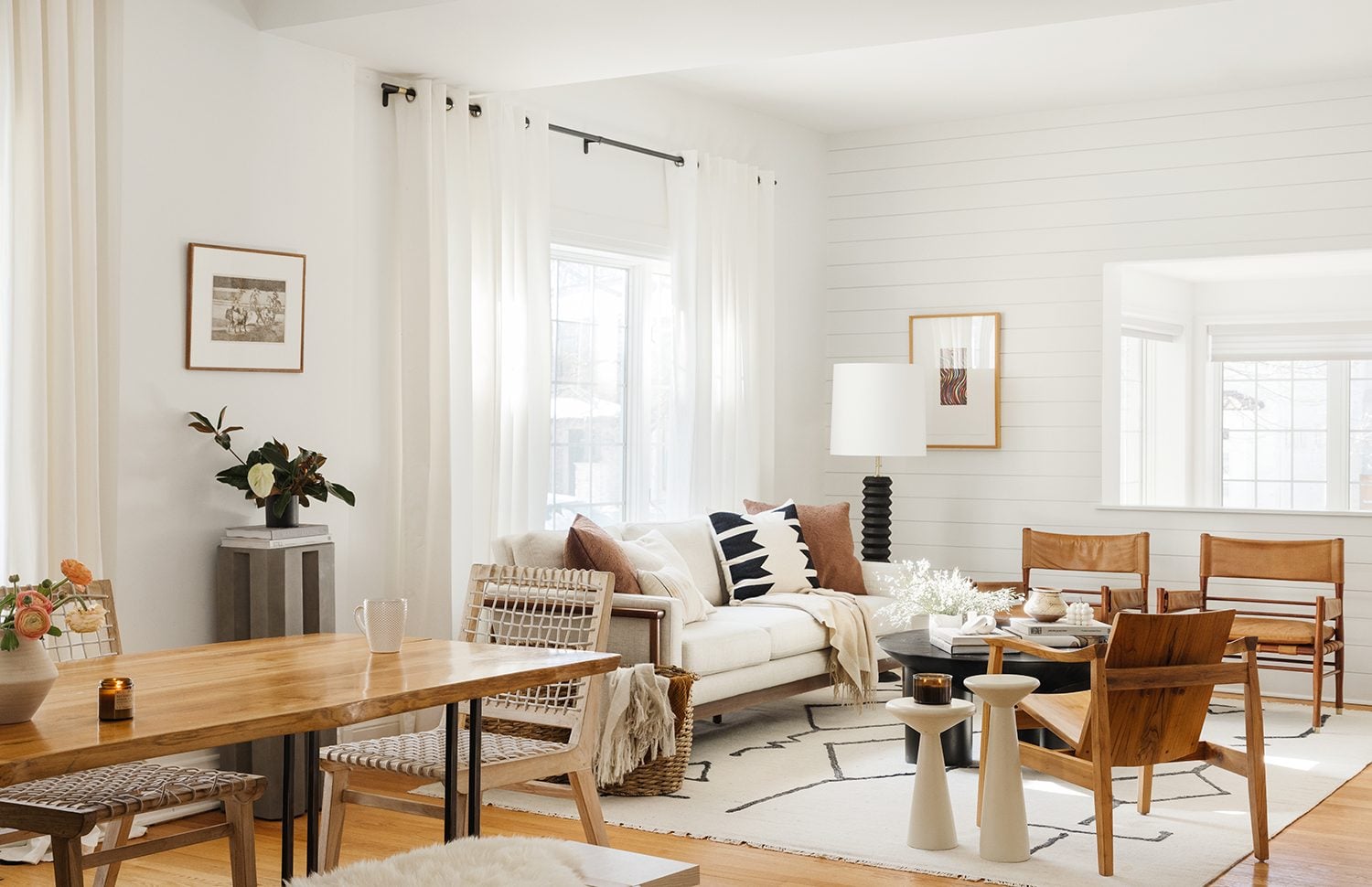
Credit: havenly.com
Optimizing Traffic Flow
Optimizing traffic flow in a living room makes the space feel open and easy to use. Good flow helps people move freely without bumping into furniture. It also creates a welcoming and comfortable atmosphere.
Defining Pathways
Clear pathways guide movement through the room. Arrange furniture to leave wide walkways. A path of at least 2 to 3 feet works well. Avoid blocking doorways or windows. This helps guests move smoothly from one area to another.
Avoiding Cluttered Spaces
Keep the living room tidy and free of extra items. Too much furniture or decor can block paths. Choose only essential pieces for seating and storage. Use slim or multi-purpose furniture to save space. Open areas make the room feel larger and more inviting.
Incorporating Multi-use Areas
Create zones for different activities within one space. Use furniture that serves more than one purpose. A sofa bed or ottoman with storage saves room. This approach keeps flow steady while maximizing function. Each area stays distinct but connected for easy movement.
Lighting Strategies For Ambiance
Lighting shapes the mood of your living room. It creates warmth and highlights your style. Thoughtful lighting brings comfort and charm to your space. Using smart lighting strategies can make your room inviting and cozy. Let’s explore ways to light your living room for the perfect ambiance.
Layering Light Sources
Layering light means using different types of lights together. Combine ambient, task, and accent lighting for balance. Ambient light fills the room softly and evenly. Task lights focus on activities like reading or working. Accent lights draw attention to artwork or decor. This mix adds depth and interest to your living room.
Highlighting Key Features
Use lighting to show off your room’s best parts. Spotlights or track lights work well for this. Brighten a fireplace, a piece of art, or a bookshelf. Highlighting these features adds character and style. It creates focal points that make the room feel lively.
Using Natural Light Effectively
Natural light brightens your room without extra energy. Keep windows clear and use light curtains to soften sunlight. Position seating near windows to enjoy daylight. Reflect light with mirrors and light-colored walls. This approach makes your living room feel fresh and open.
Incorporating Accessories And Decor
Incorporating accessories and decor brings life to your living room. They add personality and style. Small details can change the whole look. Choose pieces that match your room’s mood and function. Balance is key to avoid clutter. Use accessories to highlight your furniture and space.
Adding Rugs And Curtains
Rugs define areas and add warmth. Pick a size that fits your seating area. Avoid rugs that are too small or too large. Curtains frame windows and soften light. Choose colors that match your walls or furniture. Textured fabrics add depth and interest.
Using Art And Wall Decor
Art personalizes your living space. Select pieces that reflect your taste. Hang art at eye level for best impact. Mix sizes and styles for a dynamic look. Mirrors enlarge the space and reflect light. Shelves can display decor and keep things tidy.
Balancing Color And Patterns
Colors set the room’s mood. Use a main color with two or three accents. Patterns add energy but need balance. Combine solid colors with stripes or florals. Avoid too many patterns that compete for attention. Soft, neutral tones calm busy patterns.
Adapting Layouts For Different Room Shapes
Adapting layouts for different room shapes is key to creating a balanced living room. Each space has unique challenges and opportunities. Understanding how to use the shape to your advantage can improve flow and comfort. This section explores techniques for small spaces, open floor plans, and unusual layouts. These tips help make every living room look stylish and feel inviting.
Working With Small Spaces
Small living rooms need careful planning. Choose compact furniture that fits well without crowding. Use light colors to make the room feel larger and brighter. Arrange seating close to walls to open up the center. Keep pathways clear for easy movement. Mirrors can add depth and reflect light, helping the space feel bigger. Avoid heavy or bulky pieces that overwhelm the room.
Handling Open Floor Plans
Open floor plans blend living rooms with other areas like kitchens or dining spaces. Use rugs to define each zone clearly. Position furniture to create natural boundaries and separate areas. Low-back sofas and chairs maintain an open feel without blocking sightlines. Consider multi-functional pieces like storage ottomans. Keep the color scheme consistent for a smooth transition between spaces. Balance scale and style to unify the layout.
Designing For Unusual Layouts
Unusual room shapes require creativity and flexibility. Angled walls or odd corners can become focal points. Use custom or modular furniture to fit unique spaces. Place lighting strategically to brighten shadowed areas. Focus on creating comfortable seating arrangements that encourage conversation. Use rugs and artwork to anchor different parts of the room. Embrace the quirks of the space to make it truly unique.
:strip_icc()/bhg-dining-room-halloween-decor-Drb5DQtZa_H82vlAA8zVIs-03033ed018534dcf918d4ac00b51a526.jpg)
Credit: www.bhg.com
Frequently Asked Questions
What Is The Best Furniture Layout For A Small Living Room?
The best layout maximizes space while maintaining flow. Use multi-functional furniture, arrange seating around a focal point, and keep pathways clear. Avoid overcrowding to create a cozy and open feel.
How Do I Create A Focal Point In My Living Room?
A focal point draws attention and anchors the space. Use a fireplace, artwork, or a statement sofa. Arrange furniture to face this feature to enhance visual interest and balance.
What Are Designer Tips For Arranging Living Room Seating?
Designers recommend grouping seating to encourage conversation. Use a mix of sofas, chairs, and ottomans. Keep seating at a comfortable distance, around 8 feet apart, for easy interaction.
How Can I Improve Living Room Flow And Functionality?
Keep pathways clear and avoid blocking doorways. Use rugs to define areas and arrange furniture to guide movement naturally. Incorporate storage solutions to reduce clutter and maintain a tidy space.
Conclusion
Creating a well-laid-out living room makes your space feel welcoming. Start with a clear plan that suits your needs. Choose furniture that fits the room size and style. Place seating to encourage easy conversation and good flow. Use rugs and lighting to define areas and add warmth.
Keep pathways open to avoid clutter and improve movement. Small changes can make a big difference in comfort and look. Follow these simple steps to enjoy a beautiful, functional living room. Your space will feel balanced and inviting every day.

Emma Caldwell is a certified sleep consultant with over 8 years of experience studying how environment, posture, and bedding affect sleep quality. At Royal Comport, she leads content focused on mattress reviews, sleep hygiene, and wellness optimization. Her mission is to help readers find science-backed comfort solutions that improve both rest and daily performance. Her Expertise is Sleep science, mattress testing, comfort ergonomics, lifestyle wellness.


