

Use anchors, non-slip pads, straps, and snaps to secure cushions quickly.
I’ve fixed dozens of patio setups and tested methods that actually work. This guide explains how to keep outdoor cushions on furniture with clear steps, tool lists, and real-life tips so your cushions stay put in wind, rain, and daily use. Read on to learn proven, easy methods you can use today.

Why outdoor cushions slip and blow away
Cushions move for simple reasons. Wind, slick fabric, and smooth furniture frames let cushions slide. Light cushions lift in gusts and can become hazards or get lost.
Knowing why cushions move helps you choose the right fix. This article shows how to keep outdoor cushions on furniture using anchors, Velcro, snaps, non-slip pads, and smart design. I explain pros and cons so you can pick what fits your setup.

Materials and hardware you will need
Use the right gear to secure cushions. Good materials make the job fast and safe.
- Outdoor-rated Velcro strips for fabric-to-frame attachment. Choose marine-grade options.
- Non-slip shelf liners or rubber grip pads sized to cushion bases.
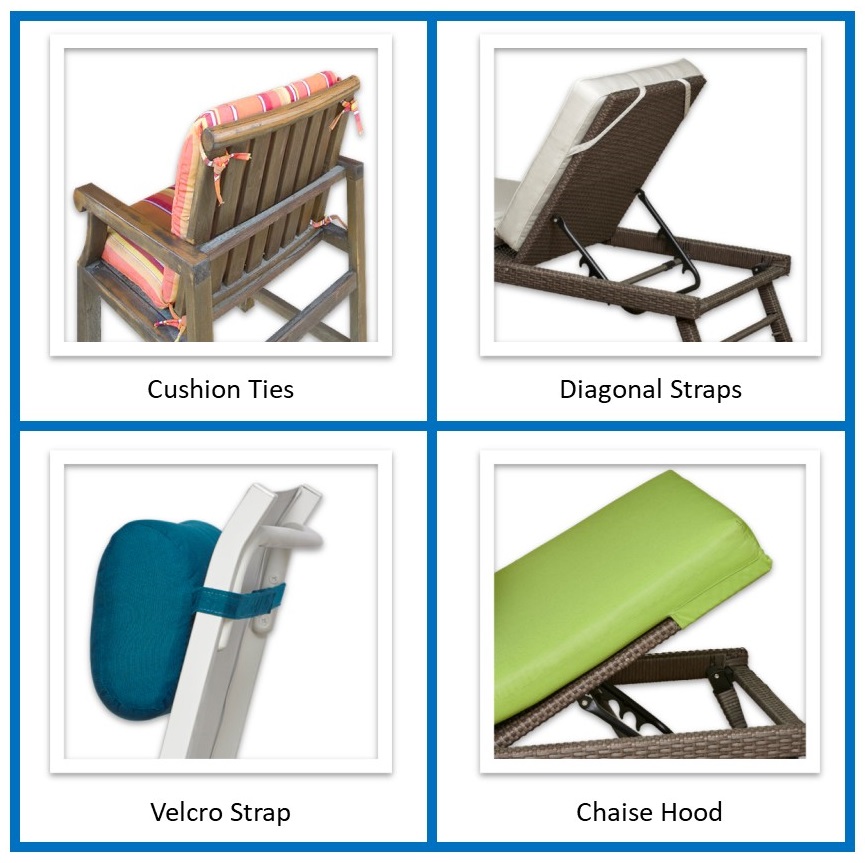
- Tie straps, bungee cords, or elastic straps to anchor cushions to frames.
- Snap fasteners, grommets, and canvas ties for a semi-permanent fix.
- Waterproof adhesive or double-sided outdoor tape for quick temporary holds.
- Drill and stainless steel screws if you add anchor points to frames.
- Fabric repair kit and seam sealer to protect stitching after modifications.
I keep a small kit with Velcro, snaps, and grip pads. It solved dozens of slip problems in a few minutes. You don’t need all items, but having options helps on different furniture.
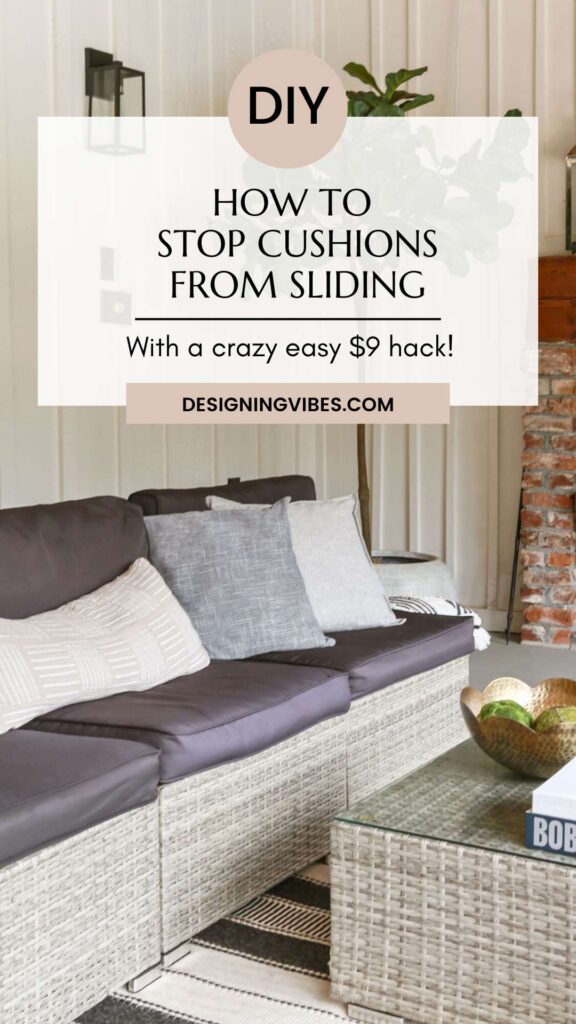
Secure methods to keep outdoor cushions on furniture
Below are tested methods to keep cushions put. Each works best in certain situations. Read the pros and cons and match the method to your furniture and weather.
Use non-slip pads
Non-slip pads sit under cushions and increase friction. They are cheap and quick to fit. Use rubber or textured shelf liner cut to size.
Pros
- Easy to install and remove for cleaning.
- Safe for most surfaces when high-quality pads are used.
Cons
- Less effective in strong wind.
- Can trap moisture if not breathable.
Attach Velcro strips
Sew or use adhesive Velcro between cushion back and chair frame. This is a clean, removable solution. Use outdoor-grade Velcro and test adhesion on your fabric.
Pros
- Low profile and easy to remove.
- Works well for regular use.
Cons
- Adhesive can fail on some fabrics or in heat.
- Sewing needed for the most durable hold.
Install snaps or grommets
Add snap fasteners or grommets to cushions and matching points on the frame. This gives a secure, semi-permanent hold suitable for windy areas.
Pros
- Very secure in wind.
- Clean look when finished.
Cons
- Requires tools and some skill.
- Slightly more permanent.
Use straps, bungee cords, or ties
Loop straps around slats or the frame to hold cushions down. Elastic bungee cords allow movement while holding items tight.
Pros
- Great for odd shapes and loose cushions.
- Adjustable and affordable.
Cons
- Visible straps may not suit every aesthetic.
- Can wear fabric if cords rub.
Anchor cushions with weights
Insert weighted bags inside cushion covers or use sand weights. This keeps light cushions from flying away.
Pros
- No hardware on furniture.
- Works well for lightweight cushions.
Cons
- Adds weight for storage and handling.
- Not stylish for all cushions.
Combine methods for best results
For high-wind areas, combine two methods. Use Velcro plus straps or non-slip pads plus snaps. Combining methods reduces failure risk and keeps cushions neat.
I prefer a Velcro base with a discreet strap on windy porches. It has kept cushions secure through storms without looking bulky.

Step-by-step installation examples
Follow these short steps for common fixes. Each set is simple to do in an hour or less.
Example 1: Velcro on sling chairs
- Clean both cushion fabric and frame with rubbing alcohol and let dry.
- Cut Velcro to match cushion width.
- Sew or use outdoor adhesive to attach the hook side to the cushion base.
- Stick or screw the loop side to the chair where the cushion rests.
- Test and adjust placement for a snug fit.
Example 2: Snaps on wicker or wood frames
- Mark matching snap locations on frame and cushion.
- Install snap bases into cushion fabric and the matching part into the wood or a sewn loop.
- Snap cushion into place and test in wind.
Example 3: Non-slip pad plus strap for deck chairs
- Cut a rubber pad to match cushion base.
- Place pad under cushion.
- Attach thin straps under the seat and loop over cushion, securing with a buckle or clip.
These steps work across most outdoor furniture. I’ve used the Velcro method on steel frames and the snap method on teak benches with great success.
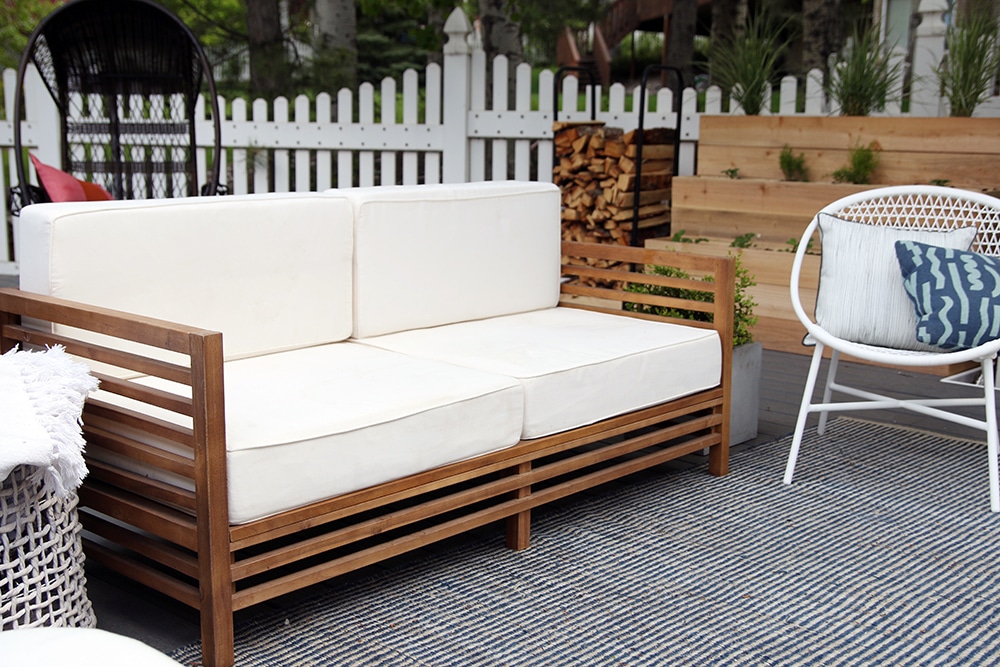
Maintenance and seasonal care
Regular care extends life and performance. Keep cushions clean and check attachments often.
- Inspect Velcro and snaps twice a season and replace if worn.
- Wash fabric covers per label instructions and dry fully before remounting.
- Remove metal hardware in high-humidity areas to avoid corrosion.
- Store cushions indoors or under covers during long storms or winter.
- Re-seal seams and reapply waterproofing sprays as needed.
I learned to check attachment points after the first rain. Early fixes prevent bigger repairs later.

Design tips to minimize cushion movement
Good design reduces how often you must secure cushions. Here are practical design moves.
- Choose heavier cushion fills for windy spots.
- Select textured outdoor fabrics to increase grip.
- Pick furniture with recessed seats or slatted backs to hold cushions.
- Add small lip or rail to seat front to block forward slide.
- Use coordinated anchors that blend with furniture color.
A small lip under the seat saved me hours of re-adjusting cushions on a patio set that faced the street wind.
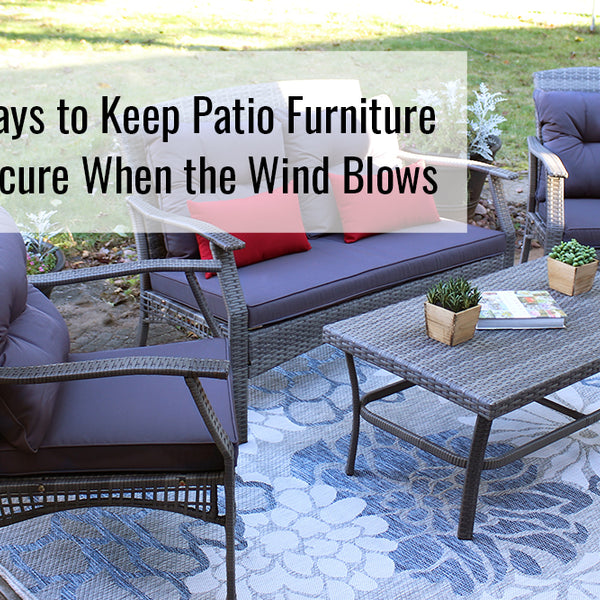
Troubleshooting common problems
When a method fails, try these quick fixes.
- If Velcro peels, clean surfaces and use marine adhesive or sew the strip to the fabric. Heat and sun reduce sticky strength.
- If straps chafe fabric, add small fabric sleeves to protect the cushion.
- If snaps pull out of thin fabric, install a backing patch or use grommets with washers.
- If pads trap moisture, switch to breathable grip fabrics or add small ventilation holes under cushions.
Most failures result from one weak link. Fixing that single point usually restores full function.
Frequently Asked Questions of How to keep outdoor cushions on furniture
How long do Velcro fixes last on outdoor cushions?
With outdoor-grade Velcro and proper installation, expect 1 to 3 years. Exposure to sun and heat shortens life, so check regularly.
Can I secure cushions without drilling into furniture?
Yes. Use non-slip pads, Velcro, straps wrapped around the frame, or weighted inserts to avoid drilling.
Will adhesive strips damage my cushion fabric?
High-quality outdoor adhesives usually do not harm fabrics when used properly, but test in an inconspicuous spot first. Sewing is safest for long-term use.
Is it safe to add weight inside cushions?
Yes, if done carefully. Use sealed weight bags to avoid leaks and keep weight balanced to prevent sagging.
Which method is best for very windy areas?
Combine methods for best security. Use snaps or sewn Velcro plus tie straps to ensure cushions stay put in strong winds.
Conclusion
Securing cushions is simple when you know the options and choose what fits your furniture and climate. Use non-slip pads, Velcro, snaps, straps, or weights alone or in combination to keep cushions steady and safe. Start with one low-effort fix and upgrade if needed; small changes have big results. Try one method this weekend, and leave a note about what worked for you — your experience helps others.

Daniel Hart is a consumer product analyst who specializes in mattress technology, smart bedding, and home comfort innovation. Before joining Royal Comport, Daniel worked with several e-commerce research teams, testing and comparing sleep products for quality, value, and long-term performance. He brings data-driven insight and real-world testing to every review he writes.


