

Your basement should be a safe, comfortable space—not a source of musty smells or stale air. If you’ve noticed your basement feels damp, stuffy, or even a little unhealthy, you’re not alone.
Poor air quality down there can affect your whole home and your well-being. But here’s the good news: you can take simple, effective steps to improve the air you breathe in your basement. Keep reading to discover easy ways to freshen up your basement air and make that space healthier for you and your family.
Common Basement Air Issues
Basements often have poor air quality. This happens for many reasons. The air can feel damp, musty, or stale. These issues come from common problems found in basements. Understanding these problems helps improve the air you breathe below ground.
Bad air in basements can affect comfort and health. It is important to know where the bad air comes from. Also, learn the health risks linked to basement air. This knowledge helps you take the right steps to fix the problem.
Sources Of Poor Air Quality
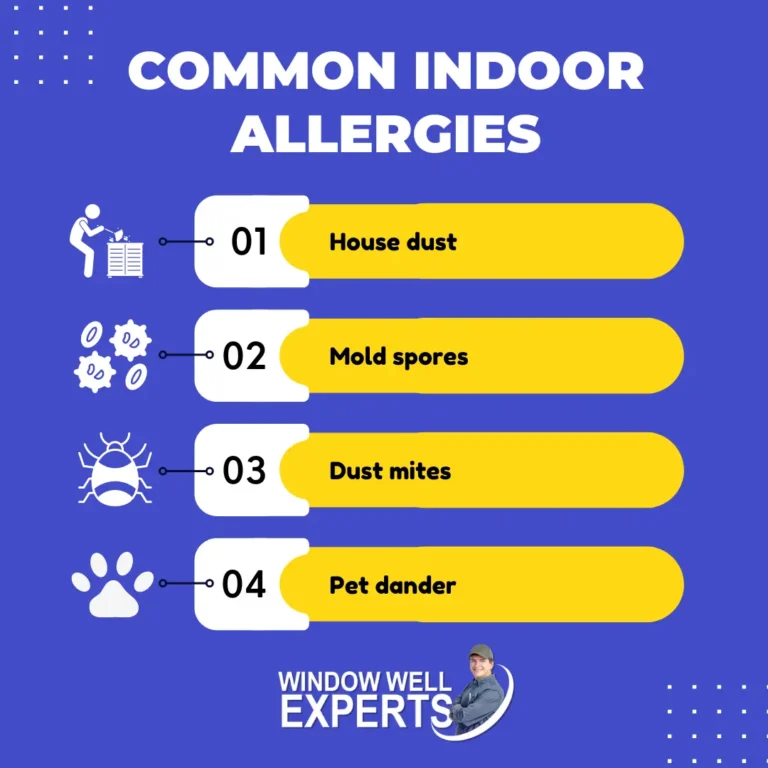
Basements usually have high moisture levels. Water leaks and poor drainage cause damp walls and floors. Mold and mildew grow in these wet areas. They release spores that lower air quality.
Basements often have little ventilation. Stale air stays trapped inside. Dust and dirt build up over time. These particles add to air pollution.
Radon gas can seep into basements from the soil. It is a colorless, odorless gas that harms health. Chemicals from paints, cleaners, and stored items also affect air quality.
Health Risks Linked To Basement Air
Breathing mold spores can cause allergies and asthma attacks. People may cough, sneeze, or have itchy eyes. Long exposure can lead to lung problems.
Radon gas increases the risk of lung cancer. It is the second leading cause after smoking. Many people do not know radon is in their basement.
Dust and chemicals can irritate the nose and throat. They can cause headaches and tiredness. Children and elderly are more sensitive to poor air.
Boosting Ventilation
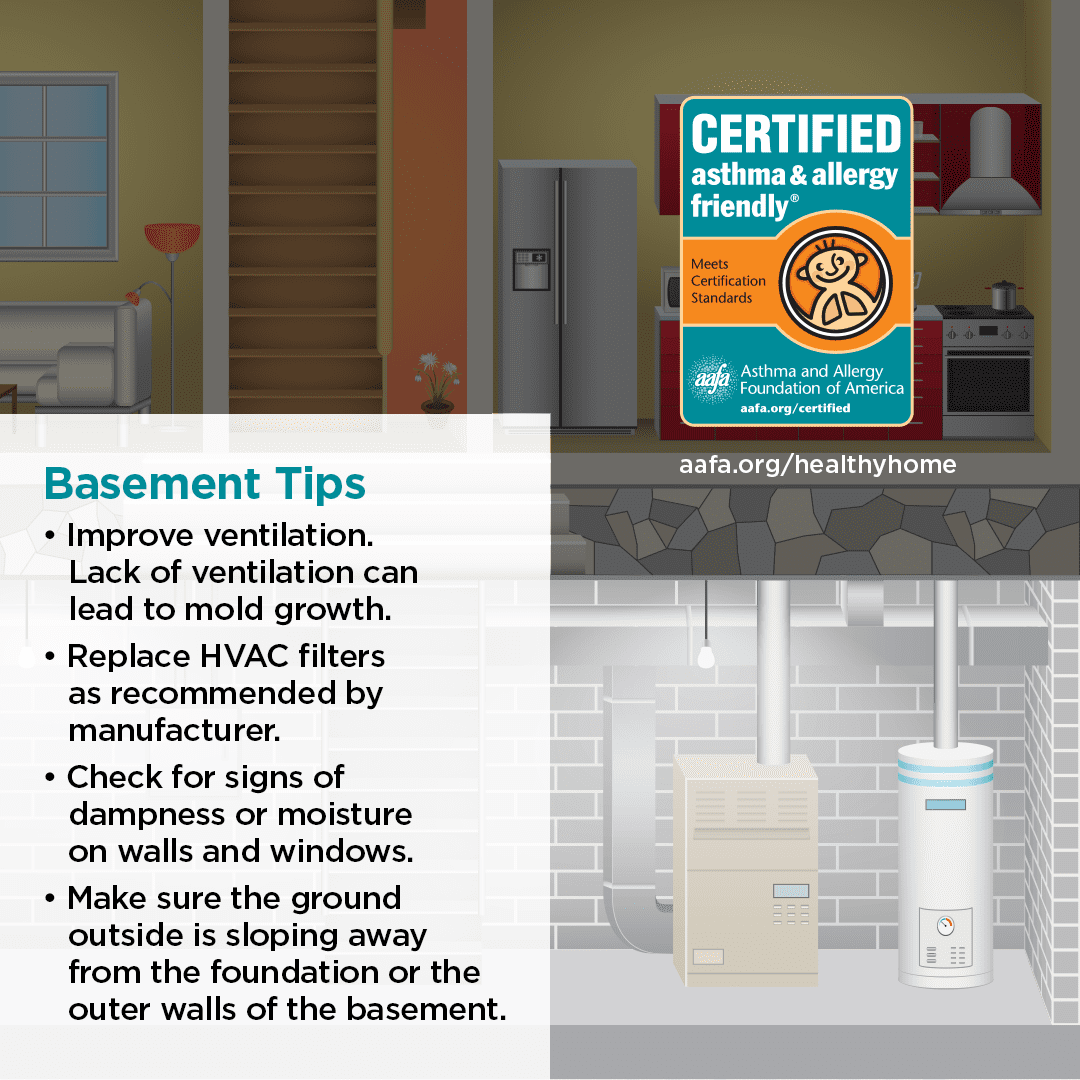
Boosting ventilation is a key step to improve basement air quality. It helps remove stale air and brings fresh air inside. Proper ventilation reduces moisture, odors, and harmful pollutants. It also prevents mold growth and keeps the basement comfortable.
Using Exhaust Fans
Exhaust fans push out damp and stale air from the basement. They work well in small spaces or rooms without windows. Installing an exhaust fan near moisture sources like laundry or bathrooms is ideal. Running the fan regularly helps keep air fresh and dry.
Installing Ventilation Systems
Ventilation systems bring fresh air into the basement and remove bad air. Mechanical systems include air exchangers and HVAC units with fresh air intakes. These systems control airflow and humidity better than natural methods. They keep the basement air clean all year round.
Opening Windows And Doors
Opening windows and doors allows fresh air to flow in. Cross ventilation happens when air enters from one side and exits from another. This natural method is simple and cost-free. Open windows and doors during dry weather for best results.
Controlling Moisture Levels
Controlling moisture levels in the basement is key to better air quality. Moisture leads to mold, mildew, and musty smells. These create unhealthy air and damage your home. Keeping moisture low stops these problems early. Simple steps make a big difference in basement air quality.
Dehumidifiers Benefits
Dehumidifiers pull excess moisture from the air. They keep humidity at healthy levels below 60%. This prevents mold spores from growing. Dehumidifiers also reduce damp smells. Running one regularly helps maintain fresh, clean air. It is an easy way to control moisture indoors.
Fixing Leaks And Seepage
Leaks let water enter basement walls and floors. Check pipes, walls, and windows for cracks or holes. Seal any gaps with waterproof materials. Small leaks can cause big moisture problems over time. Fixing leaks stops water from damaging your basement. It also lowers the chance of mold growth.
Proper Drainage Solutions
Water should flow away from your home’s foundation. Ensure gutters and downspouts direct rainwater far from the basement. Consider installing a French drain or sump pump if water pools near the foundation. Good drainage reduces water seepage through basement walls. This keeps the space dry and air quality high.
Cleaning And Maintenance
Cleaning and maintenance play a big role in improving basement air quality. A clean basement stops dust, mold, and other pollutants from building up. Regular care keeps the air fresh and healthy. Simple steps can make a big difference.
Regular Dusting And Vacuuming
Dust and dirt gather quickly in basements. They harm air quality and cause allergies. Dust surfaces often, including shelves and corners. Use a vacuum with a HEPA filter. It traps tiny particles that regular vacuums miss. Clean floors and carpets weekly to cut dust levels.
Mold And Mildew Removal
Basements are prone to mold and mildew. These grow in damp, dark places and hurt air quality. Check walls and floors regularly for any signs. Use a mixture of water and vinegar to clean small areas. For larger growth, use mold removers safe for indoor use. Always dry the area fully after cleaning. Mold spores in the air cause breathing problems.
Air Duct Cleaning
Dirty air ducts spread dust and allergens throughout the basement. Clean ducts improve airflow and reduce pollutants. Hire a professional to clean the ducts every few years. They remove dust, mold, and debris inside the vents. Clean ducts help your HVAC system work better and keep air clean.
Air Purifiers And Filters
Basement air often feels damp and stale. Air purifiers and filters help clean the air. They remove dust, mold spores, and other tiny particles. Using the right purifier and filter can make your basement healthier and fresher. Here’s how to choose and maintain them properly.
Choosing The Right Air Purifier
Pick an air purifier designed for basement spaces. Look for models with HEPA filters. These trap very small particles effectively. Check the purifier’s size rating to match your basement area. Some purifiers also remove odors and gases. Consider one with multiple filter stages for best results.
Replacing Hvac Filters
Change HVAC filters regularly to keep air fresh. Dirty filters reduce airflow and trap less dust. Replace filters every 3 months or as the manufacturer suggests. Use filters with a MERV rating of 8 or higher. This rating balances good filtration and proper airflow. Clean filters help your HVAC system work well.
Using Activated Charcoal Filters
Activated charcoal filters absorb odors and harmful gases. They work well in damp basements with musty smells. These filters trap chemicals that regular filters miss. Place them near your HVAC intake or inside an air purifier. Replace charcoal filters every 6 months for best performance. They keep basement air smelling clean and fresh.

Credit: www.foundationrepairwesterncolorado.com
Natural Air Fresheners
Natural air fresheners improve basement air quality without chemicals. They add fresh scents and help remove odors. These options are safe and eco-friendly. You can use plants or essential oils to freshen your basement air.
Houseplants For Air Quality
Houseplants clean the air by absorbing toxins. They also add moisture, which helps reduce dryness. Some great plants for basements include spider plants, snake plants, and pothos. These plants need low light and little care. Place them in different spots to spread freshness.
Essential Oils And Diffusers
Essential oils offer natural scents that refresh the air. Use a diffuser to spread the aroma evenly. Lavender, eucalyptus, and lemon oils are popular choices. They also help fight mold and bacteria. Add a few drops to your diffuser and enjoy clean, fresh air.
Preventive Measures
Preventive measures play a key role in keeping basement air fresh and healthy. Taking small steps regularly helps stop problems before they start. This keeps your basement dry and free from harmful air pollutants.
Sealing Cracks And Gaps
Cracks and gaps let moisture and dirt enter the basement. Seal these openings with caulk or foam. This blocks cold air, dust, and pests from coming in. A well-sealed basement stays cleaner and drier.
Routine Inspections
Check your basement often for signs of dampness or mold. Look under sinks, near windows, and along walls. Early detection helps fix issues quickly. Regular inspections reduce the risk of poor air quality.
Avoiding Clutter
Clutter traps dust and moisture, which harm air quality. Keep the basement organized and clear. Use shelves or storage boxes to store items off the floor. A tidy space allows air to flow freely and reduces mold growth.
Credit: windowwellexperts.com
Credit: community.aafa.org
Frequently Asked Questions
How Can I Reduce Moisture In My Basement?
Use a dehumidifier to control humidity levels below 60%. Fix leaks and improve drainage to prevent water buildup. Proper ventilation also helps keep the basement dry and fresh.
What Are The Best Air Purifiers For Basements?
Choose air purifiers with HEPA filters to capture dust and allergens. Activated carbon filters remove odors and VOCs. Look for models suitable for basement size and with energy-efficient features.
Why Is Basement Air Quality Often Poor?
Basements tend to have high humidity, mold growth, and limited ventilation. These conditions trap pollutants and allergens, leading to stale and unhealthy air. Addressing moisture and airflow improves air quality significantly.
How Often Should Basement Air Be Circulated?
Air should be circulated daily for at least 30 minutes. Use fans or open windows when weather permits. This helps remove stale air and introduces fresh outdoor air.
Conclusion
Improving basement air quality is easier than you think. Start by controlling moisture and adding proper ventilation. Clean your basement regularly to reduce dust and mold. Use dehumidifiers or air purifiers to keep air fresh. Small changes make a big difference in health and comfort.
Breathe easier and enjoy a cleaner, safer basement space. Keep these tips in mind for lasting results. Your home will feel fresher and more inviting.

Daniel Hart is a consumer product analyst who specializes in mattress technology, smart bedding, and home comfort innovation. Before joining Royal Comport, Daniel worked with several e-commerce research teams, testing and comparing sleep products for quality, value, and long-term performance. He brings data-driven insight and real-world testing to every review he writes.


