
Is your sofa looking a little flat and tired? Those cushions that once felt soft and inviting may now seem dull and uncomfortable.
You deserve a sofa that feels as cozy and fresh as the day you bought it. Fluffing your sofa cushions the right way can bring back that perfect comfort and make your living space instantly more welcoming. You’ll discover simple, effective tips to restore your cushions’ shape and softness—so you can relax in style and comfort every day.
Keep reading to learn how easy it is to revive your sofa cushions and transform your seating experience.

Credit: thetarnishedjewelblog.com
Why Fluff Sofa Cushions Matters
Fluffing sofa cushions is more than a simple chore. It keeps your sofa comfortable and fresh. Regular fluffing restores the cushion’s shape and softness. This small effort changes how your sofa feels and looks.
Understanding why fluffing matters helps you care for your sofa better. It improves your seating experience and protects your furniture investment.
Benefits Of Plush Cushions
Plush cushions feel soft and inviting. They support your body well and reduce pressure points. Fluffed cushions prevent lumps and flat spots. Sitting becomes more comfortable and relaxing. They also make your sofa look neat and well cared for.
Impact On Sofa Longevity
Fluffing cushions regularly helps keep the filling evenly spread. This prevents damage from uneven wear. Cushions last longer and maintain their shape. A well-maintained sofa avoids early replacement costs. Fluffing reduces the need to buy new cushions often.
When To Fluff Your Cushions
Knowing when to fluff your sofa cushions keeps them soft and comfy. Regular fluffing helps maintain their shape and comfort. It also prevents them from looking flat and worn out. Understanding the right times to fluff cushions saves you effort and keeps your sofa inviting.
Signs Cushions Need Fluffing
Cushions look flat or saggy. They lose their bounce and feel hard. You notice uneven lumps or bumps inside. Cushions do not spring back after sitting. The fabric looks wrinkled or stretched. These signs show cushions need fluffing soon.
Recommended Fluffing Frequency
Fluff sofa cushions once a week for daily use. For less used sofas, fluff cushions every two weeks. If cushions get heavy use, fluff them more often. Frequent fluffing stops cushions from becoming flat. Regular care keeps your sofa fresh and cozy.
Tools For Fluffing Cushions
Fluffing sofa cushions keeps them soft and comfortable. Proper tools make the job easier and better. Using the right items helps restore cushion shape and volume quickly. This section covers the tools needed for fluffing cushions effectively.
Essential Items To Have
Start with your hands. They are the best for fluffing and shaping cushions. Use your fingers to break up lumps inside the cushion. A vacuum cleaner with a brush attachment helps remove dust and dirt. This keeps cushions fresh before fluffing. A clean, flat surface is useful for laying cushions down. This makes fluffing easier and more thorough.
Optional Accessories
Cushion fluffers or beaters can speed up the process. They gently shake and loosen the filling inside. A fabric brush helps smooth the cushion surface after fluffing. For deep cleaning, a handheld steamer refreshes cushions and kills germs. Use a measuring tape to check cushion size before buying new filler. These tools help maintain cushions in top shape.
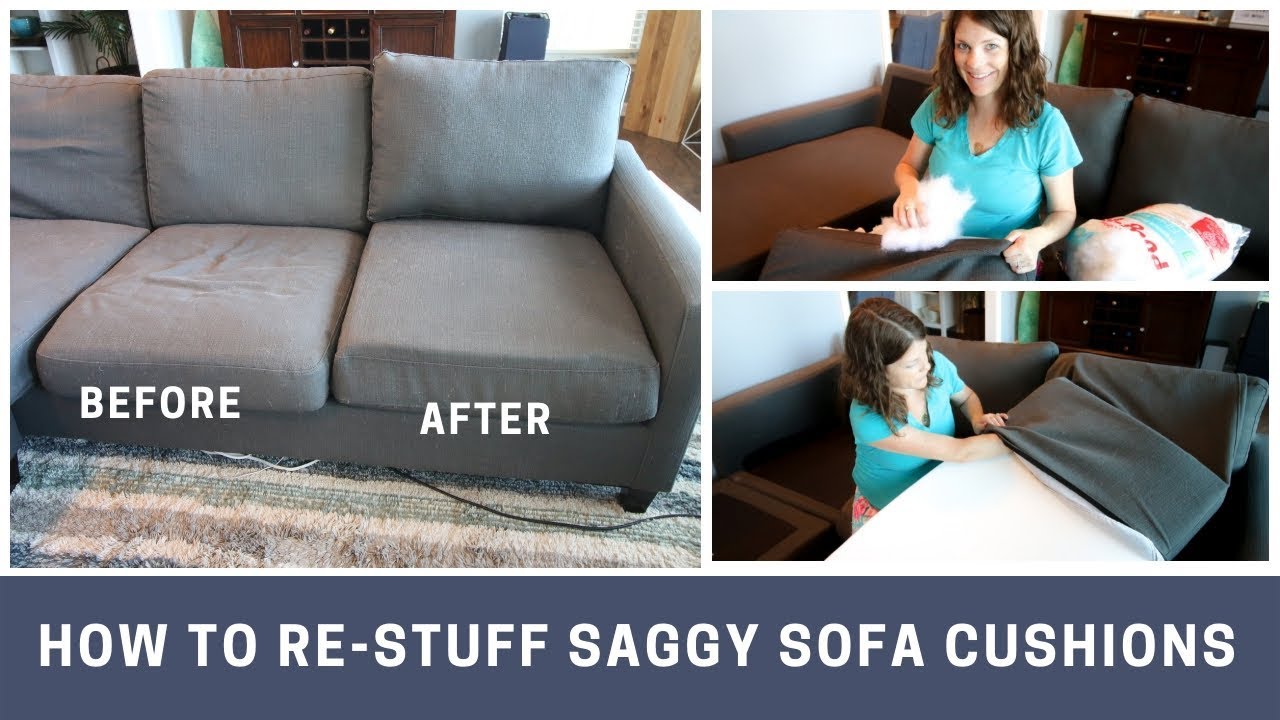
Credit: www.youtube.com
Step-by-step Fluffing Process
Fluffing sofa cushions keeps them soft and comfortable. This process restores their shape and removes flat spots. Follow these simple steps to freshen up your cushions quickly and easily.
Remove Cushions Safely
Start by taking the cushions off the sofa carefully. Lift them gently to avoid damaging the fabric or frame. Place them on a clean, flat surface for better handling.
Shake And Beat Method
Hold each cushion firmly and shake it up and down. This loosens the filling inside. Then, gently beat the cushions with your hands to break up clumps.
Plump And Rotate Technique
Press the cushions to plump them up. Push the filling toward the edges to spread it evenly. Turn the cushions over and repeat to keep shape balanced.
Fluffing With Hands
Use your hands to knead and fluff the cushion’s surface. Push inward and outward to restore softness. This simple action helps keep cushions cozy and full.
Maintaining Plush Cushions Long-term
Maintaining plush cushions over time keeps your sofa inviting and comfortable. Regular care prevents cushions from losing their shape and feeling flat. Simple habits help cushions stay soft and full for years. The right care also protects cushions from damage and wear.
Regular Cushion Care Tips
Fluff cushions daily by shaking and patting them. Turn cushions often to spread wear evenly. Vacuum cushions weekly to remove dust and dirt. Spot clean spills quickly with mild soap and water. Avoid harsh chemicals that can damage fabric and foam.
Protecting Cushions From Wear
Use cushion covers to protect from stains and sun damage. Keep pets off cushions to prevent tears and fur buildup. Avoid sitting on cushion edges to prevent sagging. Rotate cushions regularly to balance pressure and avoid flat spots. Store cushions indoors when not in use for long periods.
Troubleshooting Flat Cushions
Flat sofa cushions can ruin your comfort and the look of your sofa. They lose shape over time due to regular use. Troubleshooting these cushions helps restore their fluffiness and support. Small fixes can make a big difference. Understanding when cushions need more care or replacement saves money and effort.
Fixing Lumps And Unevenness
Lumps in cushions happen when filling shifts inside. Remove the cushion cover carefully to avoid damage. Use your hands to break up clumps and spread filling evenly. Gently shake and pat the cushion to help distribute the filling. Fluff cushions by hitting them lightly on all sides. This process helps smooth lumps and restore shape quickly.
When To Replace Cushion Inserts
Cushion inserts wear out and lose support after years. If cushions stay flat despite fluffing, replacement is needed. Check for visible tears or worn-out filling inside. New inserts provide better comfort and keep your sofa looking fresh. Measure your old inserts before buying replacements. Choose inserts that match size and firmness for best results.

Credit: www.youtube.com
Frequently Asked Questions
How Often Should I Fluff Sofa Cushions?
Fluff sofa cushions weekly to maintain shape and comfort. Regular fluffing prevents flattening and prolongs cushion life. It also keeps your sofa looking fresh and inviting.
What Is The Best Technique To Fluff Cushions?
Use a gentle squeeze and punch method. Press the cushion to redistribute the filling evenly. Rotate and flip cushions regularly to avoid uneven wear.
Can I Fluff Cushions With A Vacuum Cleaner?
Yes, use a vacuum with a brush attachment. This removes dust without damaging the fabric or filling. Avoid strong suction to prevent cushion deformation.
How Do I Fix Flat Sofa Cushions Permanently?
Replace old filling with high-quality foam or fiberfill. Consider adding a cushion insert for extra support. Regular fluffing and rotation help maintain cushion firmness.
Conclusion
Fluffing sofa cushions keeps your sofa comfortable and inviting. Regular fluffing stops cushions from looking flat and worn out. Try simple steps like shaking, flipping, and patting cushions often. This small care makes your sofa last longer and feel cozy.
Enjoy sitting on soft, plump cushions every day. Remember, a little effort brings big comfort to your home.

Daniel Hart is a consumer product analyst who specializes in mattress technology, smart bedding, and home comfort innovation. Before joining Royal Comport, Daniel worked with several e-commerce research teams, testing and comparing sleep products for quality, value, and long-term performance. He brings data-driven insight and real-world testing to every review he writes.


