

Is your couch feeling less comfy than it used to? Sagging cushions can make your favorite seat look worn out and uncomfortable.
But before you think about buying a new couch, there’s good news—you can fix those sagging cushions yourself. Imagine sinking into a cushion that feels firm and supportive again. You’ll discover simple, effective ways to bring life back to your couch.
Keep reading, and you’ll learn easy tricks that save you money and restore your couch’s comfort in no time.

Credit: thistlewoodfarms.com
Identify Cushion Sagging Causes
Sagging couch cushions make sitting uncomfortable. Fixing them starts by knowing why they sag. Identifying the cause helps find the right solution. This saves time and effort. Let’s explore the main causes of cushion sagging.
Check Cushion Fillings
Cushion fillings wear out over time. Foam can become flat or lumpy. Polyester fibers may shift or clump. Old fillings lose their bounce and support. Remove cushions and press them. Feel for soft or uneven spots. Replacing or adding new filling may be necessary.
Inspect Cushion Covers
Cushion covers affect cushion shape. Loose or stretched covers cause sagging. Check for tears or worn fabric. Covers that no longer fit tightly allow fillings to move. Wash or replace covers if they look old. Tight covers help cushions keep their form.
Assess Couch Frame Support
The couch frame holds everything up. Weak or broken springs cause sagging. Wooden slats might be loose or cracked. Sit on the couch and listen for noises. Look under the couch for visible damage. Fixing frame support improves cushion firmness and comfort.
Quick Fixes For Sagging Cushions
Sagging couch cushions can make your sofa look old and feel uncomfortable. Quick fixes can restore their shape and comfort fast. These simple methods save time and money. Try these easy steps to fix sagging cushions today.
Fluff And Rotate Cushions
Fluffing cushions brings back their bounce. Grab the cushion and punch it gently. This helps the filling spread evenly inside. Rotate cushions regularly to prevent uneven wear. Turning them keeps the cushion shape balanced.
Add Extra Padding
Extra padding boosts cushion firmness. Use polyester fiberfill or batting sheets. Cut the padding to fit inside the cushion cover. Add layers until the cushion feels firm again. This method is simple and affordable.
Use Foam Inserts
Foam inserts offer strong support for sagging cushions. Measure your cushion size before buying foam. Choose foam with high density for better durability. Cut the foam to fit inside the cushion cover. Insert the foam and enjoy a firmer seat.
Diy Cushion Repair Techniques
Fixing sagging couch cushions is simple with a few DIY steps. These techniques save money and bring new life to your furniture. Basic tools and materials are easy to find at home or local stores.
Try these easy methods to improve your couch comfort. Small repairs can make a big difference.
Replace Cushion Filling
Remove the cushion cover carefully. Take out the old filling inside. Buy new foam or polyester fiberfill. Cut foam to fit the cushion size. Stuff the cushion evenly with new filling. Zip or sew the cover back on tightly. This method makes cushions firm and fresh again.
Sew Loose Covers
Check for loose seams or holes on the cushion cover. Use a needle and thread matching the fabric color. Stitch the loose areas with small, tight stitches. Fixing covers prevents filling from escaping. It keeps cushions looking neat and lasts longer.
Add Supportive Boards
Place a flat wooden board under the cushion. Cut the board to the couch seat size. The board adds strong support to sagging cushions. It stops cushions from sinking too deep. This trick works well for older couches with weak springs.

Credit: www.instructables.com
Preventing Future Sagging
Preventing future sagging cushions saves time and money. It keeps your couch looking fresh and comfortable. Simple habits help maintain cushion shape and support over time.
Focus on care routines and smart choices for materials and usage. These steps extend your couch’s life and comfort.
Regular Cushion Maintenance
Fluff cushions often to keep their shape firm. Rotate cushions weekly to spread out wear evenly. Clean spills quickly to avoid damage to the foam inside. Use a vacuum to remove dust and dirt from cushion surfaces. Regular care helps cushions stay supportive and fresh longer.
Choose Durable Materials
Select cushions made with high-density foam for better support. Look for covers in strong, breathable fabrics like cotton or polyester. Durable materials resist wear and keep cushions firm. Avoid cheap foams that flatten quickly. Good materials ensure cushions hold their shape over time.
Avoid Excessive Weight
Do not sit on cushion edges or press down hard on one spot. Avoid placing heavy objects on cushions. Spread weight evenly by sitting in the middle of cushions. Excess weight breaks down foam faster and causes sagging. Gentle use protects cushions and keeps them comfortable.
When To Consider Professional Help
Sometimes, fixing sagging couch cushions is not enough. The problem may be deeper and need expert care. Knowing when to get professional help can save time and money. It also keeps your couch comfortable and looking good.
Signs Of Structural Damage
Look for unusual noises like creaks or cracks. The frame may be broken or loose. Cushions that stay flat or uneven suggest support issues. If the couch feels wobbly or unstable, the frame might be damaged. These problems require a professional to fix safely.
Benefits Of Reupholstery
Reupholstery can give your couch a fresh look. It replaces old fabric and adds new padding. Professionals fix the frame and springs too. This process extends the life of your couch. It is a smart choice for quality furniture you love.
Cost Vs. Replacement
Professional repair costs less than buying a new couch. Reupholstery and frame repair are investments in your furniture. New couches can be expensive and may not fit your space. Consider repair if your couch has good bones. This choice can save money and reduce waste.
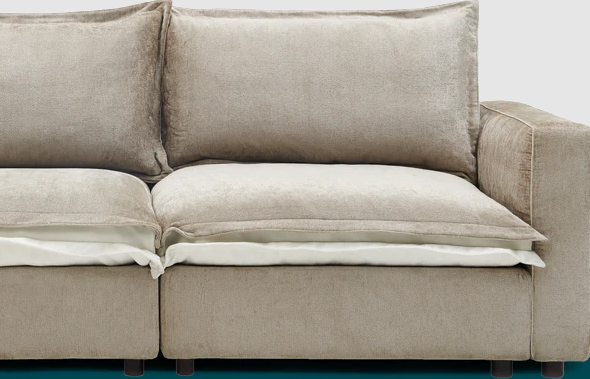
Credit: stayhomebody.com
Frequently Asked Questions
How Do I Fix Sagging Couch Cushions Quickly?
To fix sagging cushions fast, flip or rotate them regularly. Add foam inserts or plywood under cushions for extra support. These simple steps restore shape and comfort effectively without needing professional help.
What Materials Help Prevent Couch Cushions From Sagging?
High-density foam and memory foam inserts prevent sagging by maintaining firmness. Adding plywood or elastic webbing under cushions also supports weight evenly, extending cushion life and comfort.
Can Washing Couch Cushions Restore Their Firmness?
Washing cushions can refresh fabric but won’t restore sagging firmness. Cleaning removes dirt and odors, but replacing foam or adding support is necessary to fix sagging cushions.
How Often Should Couch Cushions Be Rotated?
Rotate cushions every 1 to 3 months to prevent uneven wear. Regular rotation distributes weight evenly, maintaining shape and extending cushion life.
Conclusion
Sagging couch cushions can make any sofa look old and tired. Fixing them takes only a few simple steps. Use the right tools and materials to restore comfort and shape. Regular care helps cushions stay firm and inviting. A fresh, supportive couch makes your living space feel better.
Try these tips to enjoy your sofa longer and happier. Keep cushions plump, and your couch will look great again. Easy to do and worth the effort.

Daniel Hart is a consumer product analyst who specializes in mattress technology, smart bedding, and home comfort innovation. Before joining Royal Comport, Daniel worked with several e-commerce research teams, testing and comparing sleep products for quality, value, and long-term performance. He brings data-driven insight and real-world testing to every review he writes.


