
Is your couch starting to feel less comfortable because the cushions won’t stay in place? You’re not alone.
Attached couch cushions can be tricky—they wear out, sag, or lose their shape over time. But don’t worry; fixing them doesn’t have to be expensive or complicated. In this guide, you’ll discover simple, effective ways to bring your cushions back to life.
By the end, your couch will feel as inviting as the day you bought it. Ready to make your living room cozy again? Let’s get started.
Credit: www.youtube.com
Common Issues With Attached Cushions
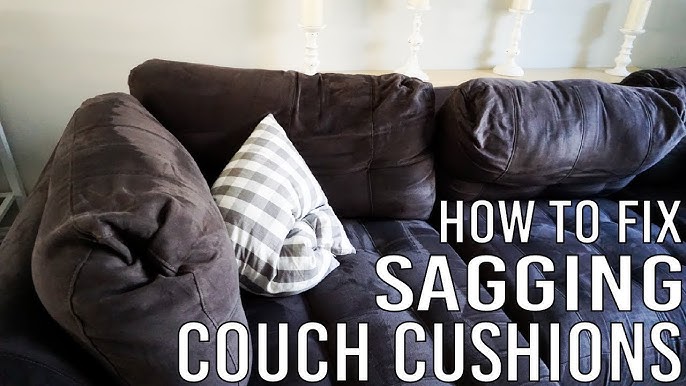
Attached couch cushions are popular for their neat look and easy maintenance. Yet, they can develop problems over time. Understanding these common issues helps you keep your couch comfortable and fresh. Quick fixes often save money and extend the cushion’s life.
Loose Cushions
Loose cushions shift or slide when you sit. This happens if stitching or fasteners weaken. Loose cushions feel uncomfortable and look untidy. Tightening the seams or adding new fasteners can solve this problem. You can also sew the cushion back to the frame for a secure fit.
Worn Velcro Or Fasteners
Velcro or other fasteners hold cushions in place. Over time, they lose grip and wear out. Worn fasteners cause cushions to move or fall off. Replace old Velcro strips or clips with new ones. This restores a firm hold and stops slipping cushions.
Torn Fabric
Fabric tears happen due to daily use or accidents. Small rips grow larger if not fixed. Torn fabric looks bad and can worsen quickly. Patch small tears with fabric glue or needle and thread. For bigger damage, consider professional upholstery repair.
Sagging Foam
Foam inside cushions loses shape and support over time. Sagging foam feels soft and uncomfortable. Replace old foam with new, firm foam inserts. This improves comfort and restores cushion shape instantly.
Tools And Materials Needed
Fixing attached couch cushions requires some basic tools and materials. Having the right items makes the repair easier and more effective. Prepare everything before you start. This saves time and avoids frustration.
Basic Sewing Supplies
Needle and thread are essential for stitching torn fabric. Choose thread that matches your couch color. Scissors help cut fabric and thread cleanly. A seam ripper can remove old stitches without damage. Pins hold fabric in place while sewing.
Adhesive Options
Fabric glue works well for small tears and quick fixes. Spray adhesive helps attach foam or padding firmly. Hot glue sticks offer a strong bond but use carefully to avoid mess. Choose an adhesive safe for fabric and easy to clean.
Replacement Fasteners
Velcro strips allow cushions to stay attached securely. Snap buttons provide a durable hold for cushions. Zippers can replace broken cushion closures. Select fasteners that match your couch style and size.
Foam And Padding
High-density foam restores cushion shape and comfort. Polyester fiberfill adds softness and fills gaps. Cut foam to fit cushion size precisely. Use padding to fix sagging or worn-out areas.
Fixing Loose Cushions
Loose cushions on an attached couch can make it uncomfortable and untidy. Fixing them is easier than you think. Small repairs can keep your couch looking fresh and feeling cozy. Three common methods work well: reattaching Velcro strips, using fabric glue, and stapling techniques.
Reattaching Velcro Strips
Velcro strips often hold cushions in place. Over time, these strips may lose stickiness or detach. Clean the area where the Velcro will go. Use new Velcro strips with strong adhesive backing. Press the strips firmly on both the cushion and the couch frame. Let them set for a few hours before using the couch again.
Using Fabric Glue
Fabric glue works well for fixing cushions without visible hardware. Choose a glue made for upholstery or fabric. Apply a small amount to the cushion edge and the couch frame. Press the cushion firmly in place. Hold it for a minute or two to bond. Allow the glue to dry fully before sitting on the cushion.
Stapling Techniques
Stapling provides a durable fix for loose cushions. Use a heavy-duty staple gun suitable for upholstery. Lift the cushion edge slightly and staple the fabric to the couch frame. Place staples evenly to avoid wrinkles. Be careful not to staple too close to the cushion surface. This method gives strong support and keeps cushions secure.
Credit: www.reddit.com
Repairing Torn Fabric
Repairing torn fabric on attached couch cushions is a simple way to extend their life. Small rips or holes can worsen without care. Fixing these tears keeps your couch looking neat and comfortable. You can choose from several easy methods depending on the tear size and fabric type. Below are some clear steps to help you repair torn fabric quickly.
Hand Stitching Small Tears
Hand stitching works well for small tears or holes. Use a needle and thread that matches the fabric color. Start by threading the needle and knotting the end. Gently pull the fabric edges together and sew small, tight stitches along the tear. Keep the stitches close to avoid gaps. Tie a secure knot at the end. Trim any extra thread. This method hides the tear and prevents it from growing.
Using Patch Kits
Patch kits come with fabric patches and adhesive or iron-on backing. Choose a patch color close to your cushion fabric. Cut the patch slightly larger than the tear. Place the patch over the damaged area. Follow the kit instructions to attach the patch. Iron-on patches need heat to stick, while adhesive patches use glue. Patch kits work well for medium-sized tears and add extra strength to the fabric.
Replacing Fabric Covers
Replacing fabric covers suits cushions with large tears or worn fabric. Measure your cushion size before buying new fabric. Choose a durable fabric that matches your couch style. Remove the old cover carefully, keeping the cushion shape intact. Sew the new fabric or use a cover with zippers or Velcro. This method gives your couch a fresh look and protects the cushion inside.
Reinforcing Cushion Support
Reinforcing cushion support helps extend the life of your couch. It improves comfort and prevents cushions from sagging. Strengthening the base of your cushions keeps them firm and inviting.
Adding Extra Foam Layers
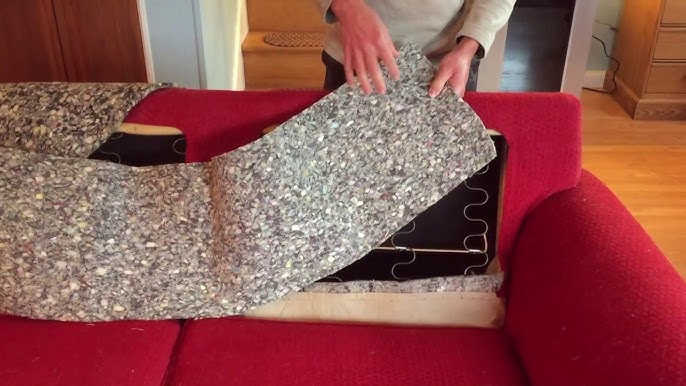
Extra foam layers increase cushion thickness and softness. Cut foam to fit the cushion size exactly. Place the foam inside the cushion cover or attach it underneath. Use high-density foam for better durability and support.
Inserting Support Boards
Support boards provide a solid base under the cushions. Use plywood or MDF boards cut to cushion size. Place the board on the couch frame before setting the cushion. This stops cushions from sinking too deep.
Using Upholstery Webbing
Upholstery webbing adds strong support beneath the cushions. Stretch the webbing across the couch frame tightly. Secure it with staples or tacks for stability. This method improves cushion firmness and prevents sagging.
Credit: www.youtube.com
Preventive Maintenance Tips
Preventive maintenance helps keep your attached couch cushions in good shape longer. It stops small problems before they become big. Simple daily care can make a big difference.
Regular Cleaning
Dust and dirt can wear down cushions fast. Clean them often with a vacuum or soft brush. Use gentle cleaning products made for your couch fabric. This keeps cushions fresh and prevents stains.
Rotating Cushions
Rotate cushions to spread out wear evenly. This helps avoid flat spots and sagging. Turn cushions every few weeks for even use. It keeps the couch looking and feeling comfortable.
Protecting From Sun Damage
Sunlight fades and weakens fabric over time. Keep your couch away from direct sunlight. Use curtains or blinds to block strong rays. This protects cushions from drying out and losing color.
Frequently Asked Questions
How Do I Reattach Loose Couch Cushions?
To reattach loose cushions, check the cushion backing and fabric tabs. Use strong adhesive or Velcro strips to secure cushions firmly. Ensure the fabric matches and press firmly to fix. This simple fix prevents cushions from slipping and maintains sofa comfort.
What Tools Are Needed To Fix Attached Cushions?
You typically need fabric glue, Velcro strips, a staple gun, and scissors. These tools help resecure cushions safely. Choose tools based on your cushion type and fabric. Proper tools make the repair durable and clean.
Can I Fix Couch Cushions Without Sewing?
Yes, use fabric glue, Velcro, or strong adhesive tape. These alternatives are quick and effective for minor detachment. Sewing is ideal for heavy damage, but glue and Velcro offer easy, no-sew solutions.
How Often Should Attached Cushions Be Repaired?
Inspect cushions every 6 months for wear and looseness. Fix them as soon as you notice detachment to avoid further damage. Regular maintenance extends your couch’s lifespan and keeps it comfortable.
Conclusion
Fixing attached couch cushions can save time and money. Small tears or sagging don’t need a new couch. Use basic tools and steps to restore comfort. Check cushions regularly to keep them in good shape. Clean and repair cushions to extend their life.
A little care makes your couch look better. Enjoy your sofa longer with simple fixes. Keep your living space cozy and inviting. Try these tips and see the difference yourself.

Daniel Hart is a consumer product analyst who specializes in mattress technology, smart bedding, and home comfort innovation. Before joining Royal Comport, Daniel worked with several e-commerce research teams, testing and comparing sleep products for quality, value, and long-term performance. He brings data-driven insight and real-world testing to every review he writes.


